+90 538 279 69 38

Tooth extraction is one of the most common dental procedures performed worldwide. Although dentists always aim to preserve natural teeth whenever possible, there are situations where removing a tooth becomes the best option for protecting your oral health.
If you have recently searched for “tooth extraction,” “tooth extraction recovery,” “wisdom tooth extraction,” or “what to eat after tooth extraction,” you are certainly not alone. Millions of people look for answers before their appointment because they want to understand what the procedure involves, how long healing takes, and what they can expect afterward.
The thought of having a tooth removed can feel overwhelming, especially if it is your first extraction. However, modern dentistry has made tooth extraction safer, more comfortable, and more predictable than ever before. Understanding each stage of the process helps reduce anxiety and allows patients to prepare with confidence.
At Dental Clinic Turkey, located in Kayseri, we provide personalized Turkey dental treatment for both local and international patients. Whether you need a simple tooth extraction, wisdom tooth removal, or a complete treatment plan that includes dental implants, every procedure begins with a comprehensive clinical evaluation and a patient-focused approach.
What Is a Tooth Extraction?
A tooth extraction is the process of removing a tooth from its socket in the jawbone. While preserving natural teeth is always the preferred option, extraction may be recommended when keeping the tooth could compromise the health of surrounding teeth, gums, or bone.
Every treatment plan is carefully developed after a detailed examination. Dentists evaluate the condition of the tooth, surrounding tissues, and overall oral health before deciding whether extraction is the most appropriate solution.
Thanks to modern anesthesia techniques, most patients experience pressure rather than pain during the procedure.
Why Might a Tooth Need to Be Removed?
There are many reasons why a tooth extraction may become necessary. The decision depends on the condition of the tooth and the surrounding tissues.
Severe Tooth Decay
One of the most common reasons for tooth extraction is extensive tooth decay. When the damage extends too deeply into the tooth and restorative treatments such as fillings or root canal therapy are no longer suitable, extraction may be considered.
Advanced Gum Disease
Gum disease can gradually damage the tissues and bone supporting the teeth. As periodontal disease progresses, teeth may lose stability and eventually become loose.
In these situations, removing the affected tooth may help protect the surrounding oral structures and allow for future treatment planning.
Wisdom Tooth Extraction
Wisdom tooth extraction is among the most frequently performed dental procedures worldwide.
Wisdom teeth often do not have enough space to erupt properly. They may remain impacted beneath the gums, grow at an angle, or press against neighboring teeth.
These situations can contribute to discomfort, swelling, infection, or difficulty cleaning the area effectively.
Dental Trauma
Sports injuries, falls, or accidents can severely damage a tooth or its supporting structures.
When a tooth cannot be restored safely, extraction may become the most appropriate treatment option.
Orthodontic Treatment
In certain orthodontic cases, removing one or more teeth creates enough space to achieve better alignment and bite correction.
Types of Tooth Extraction
Not every extraction follows the same procedure.
The technique depends on the position of the tooth, its condition, and the complexity of the case.
Simple Tooth Extraction
A simple extraction is usually performed when the tooth is fully visible above the gum line.
After the area is comfortably numbed, the dentist gently loosens the tooth before removing it.
Most simple extractions require only a short appointment, and recovery is generally straightforward.
Surgical Tooth Extraction
A surgical extraction is recommended when the tooth has not fully erupted or remains partially or completely beneath the gums.
This approach is commonly used for impacted wisdom teeth.
Although surgical extractions may involve a slightly longer healing period, modern surgical techniques are designed to minimize discomfort while supporting predictable recovery.
What Happens During the Procedure?
Many patients feel more comfortable once they understand what will happen during their appointment.
The treatment usually follows these steps:
First, the dentist performs a comprehensive examination and reviews digital X-rays to evaluate the tooth, surrounding bone, and nearby anatomical structures.
Local anesthesia is then administered to numb the treatment area.
Once the tooth is ready to be removed, specialized dental instruments are used to gently loosen and extract it while protecting the surrounding tissues.
After the extraction, the socket is carefully cleaned when necessary, and a natural blood clot begins forming inside the empty socket. This clot is an essential part of the healing process because it protects the bone and nerves while new tissue develops.
Following the procedure, patients receive personalized aftercare instructions designed to support proper healing and reduce the risk of complications.
Is Tooth Extraction Painful?
One of the most common concerns patients have before treatment is whether tooth extraction will hurt.
Modern dentistry focuses on patient comfort throughout every stage of the procedure.
Because local anesthesia effectively numbs the treatment area, most patients report feeling pressure rather than pain during the extraction itself.
Some mild discomfort may occur after the anesthesia wears off, but this is generally part of the normal healing process and gradually improves over the following days.
Professional aftercare guidance plays an important role in supporting a smooth recovery.
Tooth Extraction Recovery: What to Expect After the Procedure
One of the first questions patients ask after treatment is, “How long does tooth extraction recovery take?” The answer depends on several factors, including the type of extraction, the condition of the tooth, and the patient’s overall oral health.
Although every patient heals differently, most people follow a similar recovery timeline.
The First 24 Hours
The first day is the most important stage of healing. A blood clot forms inside the empty socket where the tooth was removed. This clot protects the underlying bone and nerves while new tissue begins to develop.
During this period, it is important to follow your dentist’s instructions carefully and avoid disturbing the extraction site.
Days Two to Three
Swelling and mild discomfort often reach their peak within the first 48 hours before gradually improving.
Some patients experience minor stiffness in the jaw, especially after a surgical or wisdom tooth extraction. This is a normal part of the healing process.
One Week After Tooth Extraction
Most patients notice significant improvement within the first week. The gum tissue begins closing over the extraction site, and everyday activities such as eating and speaking become more comfortable.
Although the gums heal relatively quickly, the underlying bone continues remodeling for several weeks or months.
Tooth Extraction Healing: How Long Does It Take?
The healing process varies from person to person.
Simple tooth extractions usually heal more quickly than surgical extractions because less tissue is involved.
Several factors may influence healing, including:
- Overall health
- Smoking habits
- Oral hygiene
- The complexity of the extraction
- Following post-operative instructions
Good oral hygiene and regular follow-up appointments help support a smooth recovery.
What to Eat After Tooth Extraction
One of the most searched questions online is “What to eat after tooth extraction?”
Choosing the right foods during the first few days helps protect the extraction site and supports comfortable healing.
Soft foods are generally easier to eat while the area recovers.
Recommended foods include:
- Yogurt
- Mashed potatoes
- Scrambled eggs
- Oatmeal
- Soup (served warm rather than hot)
- Smoothies without using a straw
- Cottage cheese
- Applesauce
- Soft pasta
- Mashed vegetables
Many patients also search for “foods to eat after tooth extraction.” The goal is to choose foods that require minimal chewing and avoid placing unnecessary pressure on the healing area.
Foods to Avoid After Tooth Extraction
Certain foods may interfere with healing during the first few days.
It is generally advisable to avoid:
- Hard foods
- Crunchy snacks
- Sticky candy
- Nuts and seeds
- Very spicy meals
- Extremely hot drinks
- Alcohol
- Smoking
Your dentist may provide additional recommendations based on your individual treatment.
Wisdom Tooth Extraction Recovery
Healing after wisdom tooth extraction is often slightly different from a routine extraction.
Because impacted wisdom teeth sometimes require a surgical procedure, swelling may last longer than with a simple extraction.
Most patients gradually return to normal daily activities within several days, although complete healing continues beneath the surface.
Following post-operative instructions helps reduce discomfort and supports predictable healing.
Emergency Tooth Extraction
Some situations require immediate dental attention.
Patients often search for “emergency tooth extraction” when experiencing severe pain or swelling.
An emergency extraction may be considered if a tooth is severely damaged or infected and cannot be preserved.
Common situations include:
- Severe dental infection
- Dental abscess
- Advanced tooth fracture
- Uncontrolled pain
- Trauma involving the tooth
However, not every dental emergency requires extraction. A comprehensive examination helps determine the most appropriate treatment.
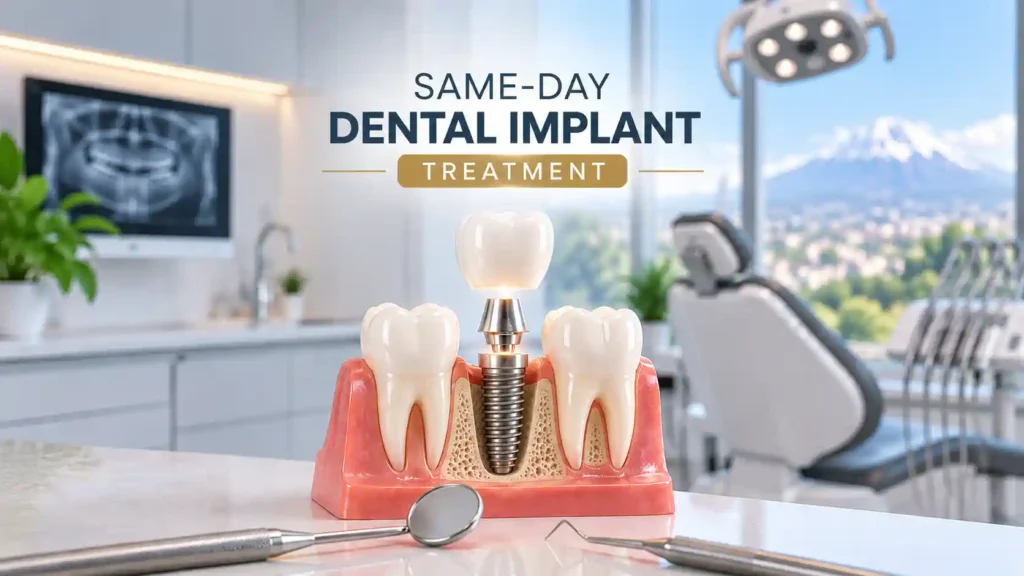
Same-Day Tooth Extraction and Implant
Many patients ask whether a dental implant can be placed immediately after a tooth is removed.
This approach is known as same-day tooth extraction and implant or immediate implant placement.
In carefully selected cases, placing an implant immediately after extraction may help reduce the overall treatment timeline.
However, this option depends on several important factors, including:
- Bone quality
- Gum health
- Presence of infection
- Implant stability
- Overall oral condition
Every patient should be individually evaluated before determining whether immediate implant placement is appropriate.
Tooth Extraction Cost
Another popular online search is “tooth extraction cost.”
The cost of treatment varies depending on several factors, including:
- Whether the extraction is simple or surgical
- The position of the tooth
- Whether additional procedures are required
- The complexity of the treatment
Rather than focusing only on cost, patients should also consider treatment quality, professional experience, and comprehensive aftercare when choosing a dental provider.
Why Do International Patients Choose Turkey for Tooth Extraction?
Over the last decade, Turkey dental treatment has become increasingly popular among international patients looking for high-quality dental care. Many visitors travel from the United Kingdom, Europe, and other parts of the world to receive comprehensive dental treatments while also enjoying Turkey’s rich culture and hospitality.
Patients often choose Turkey because modern dental clinics combine advanced technology with personalized treatment planning. Digital imaging systems, contemporary clinical equipment, and patient-centered care allow dentists to evaluate each case carefully before recommending treatment.
Many international visitors also appreciate the opportunity to combine their dental appointments with a relaxing holiday. Destinations across Turkey offer unique travel experiences, making dental tourism an attractive option for many patients.
Why Choose Dental Clinic Turkey?
At Dental Clinic Turkey, we believe every patient deserves a treatment plan designed around their individual needs rather than a one-size-fits-all approach.
Located in Kayseri, our clinic welcomes patients from around the world seeking professional and comprehensive dental care. Kayseri is well connected by international and domestic flights and is located close to one of Turkey’s most famous travel destinations, Cappadocia. This allows many visitors to combine their dental treatment with an unforgettable travel experience.
Our clinical approach focuses on:
- Comprehensive dental examinations
- Personalized treatment planning
- Modern digital diagnostic technology
- Comfortable patient experience
- Long-term oral health
- Clear communication throughout every stage of treatment
Every recommendation is based on a detailed clinical evaluation, ensuring that patients fully understand their available treatment options before making a decision.
Can a Missing Tooth Be Replaced After Extraction?
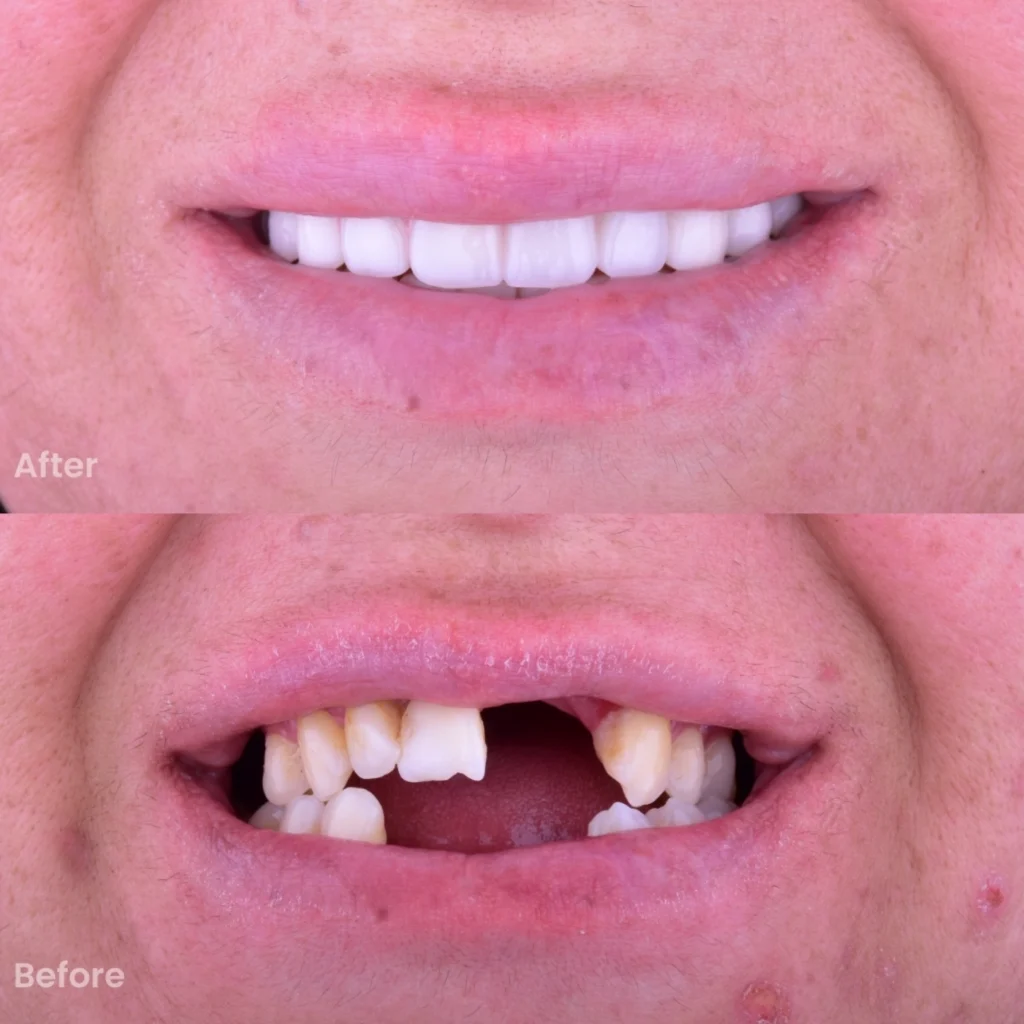
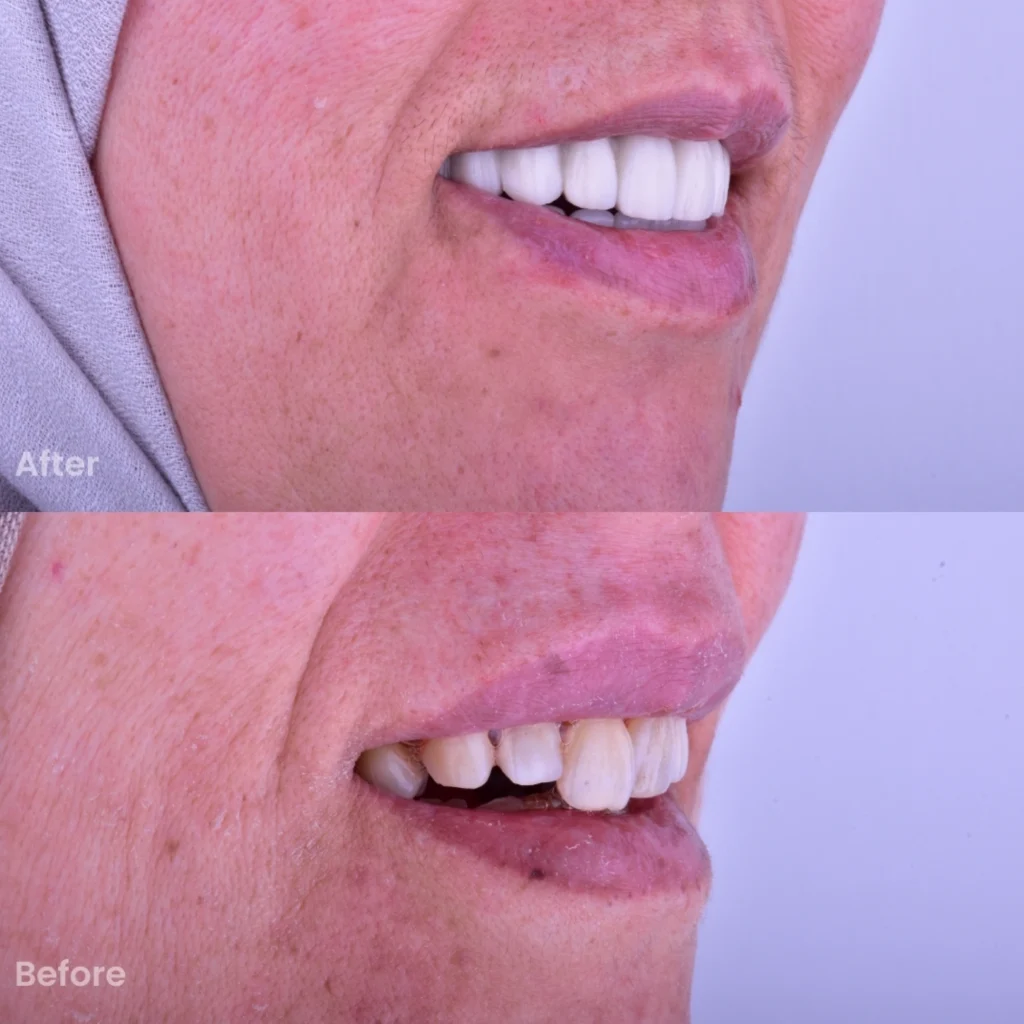
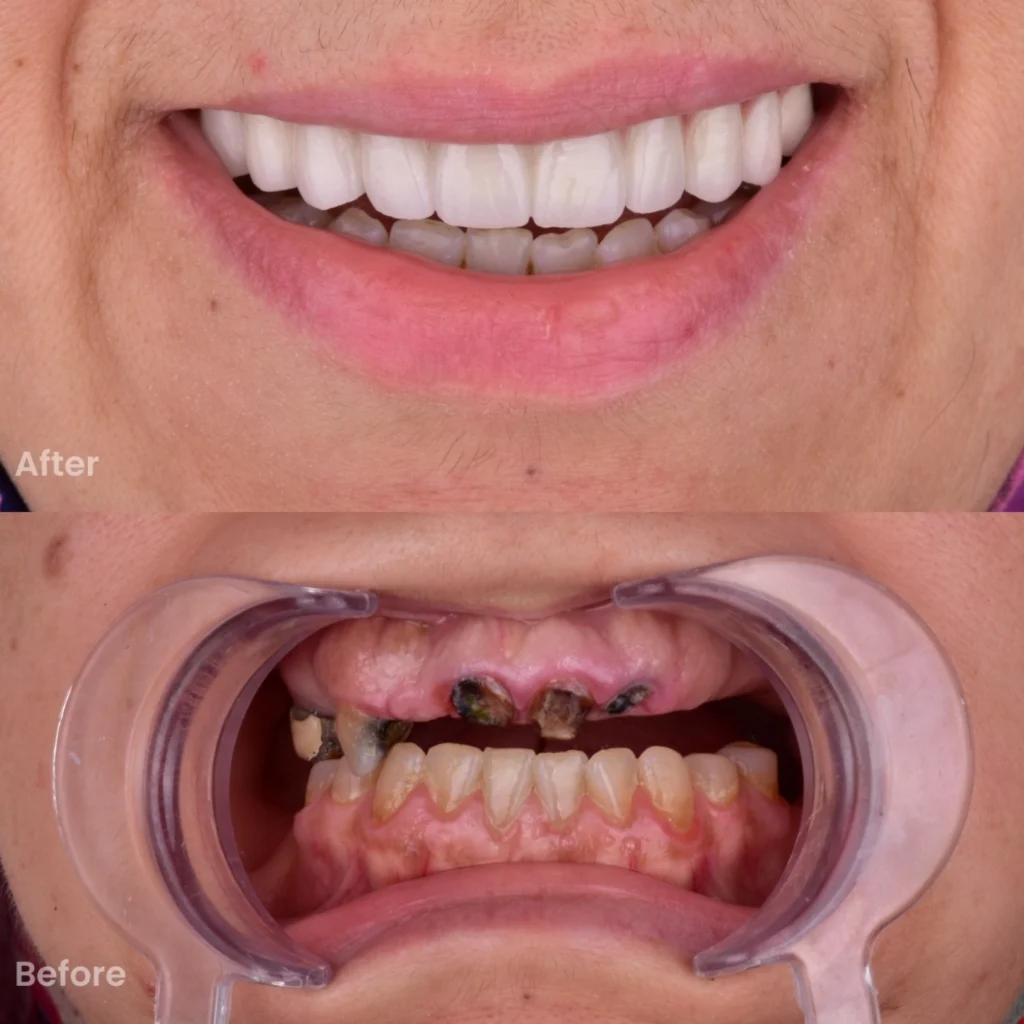
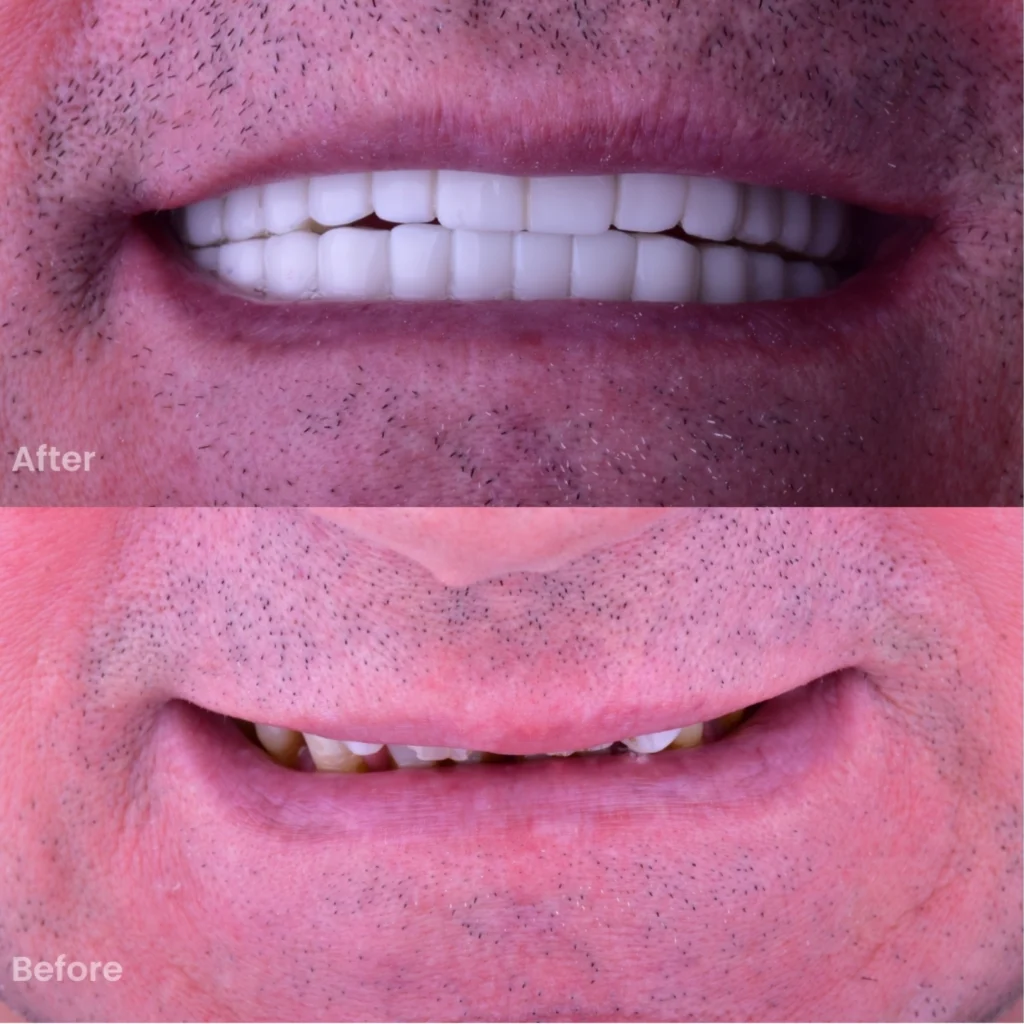
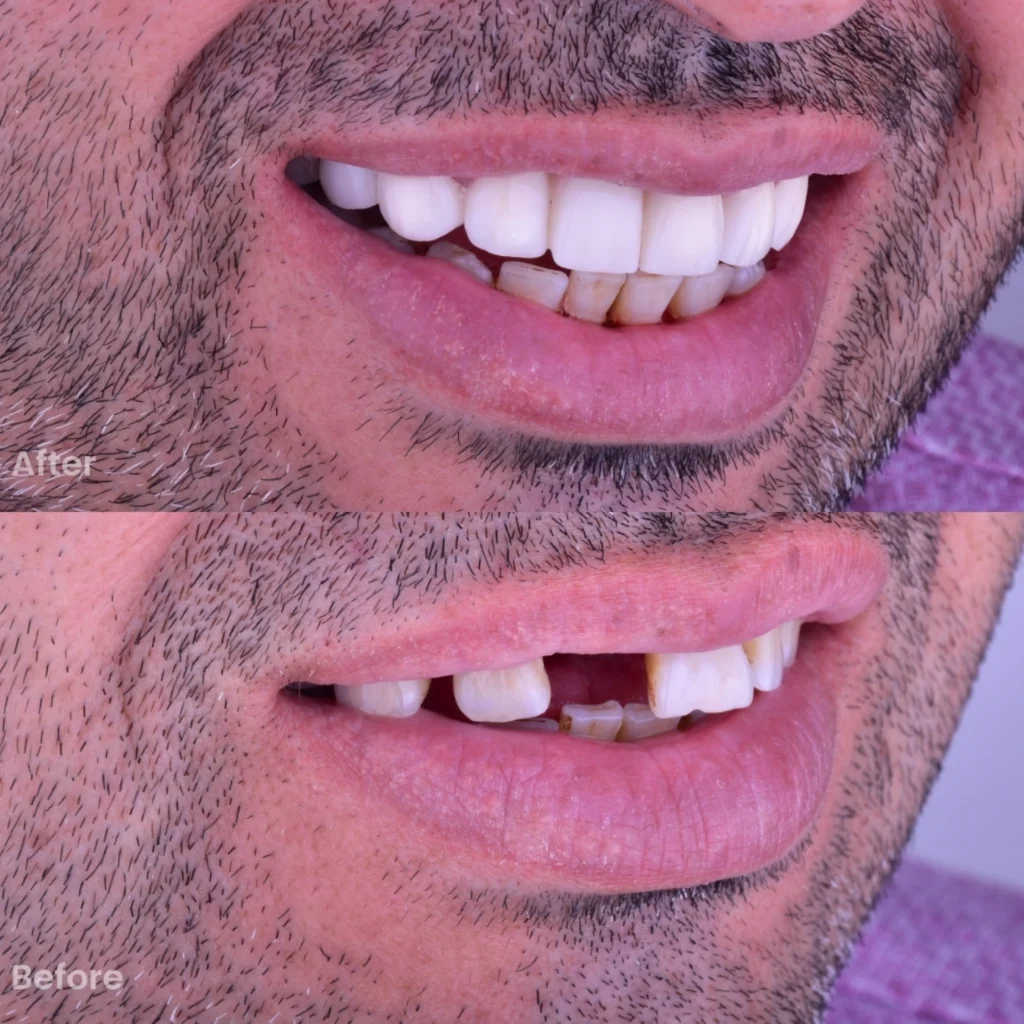
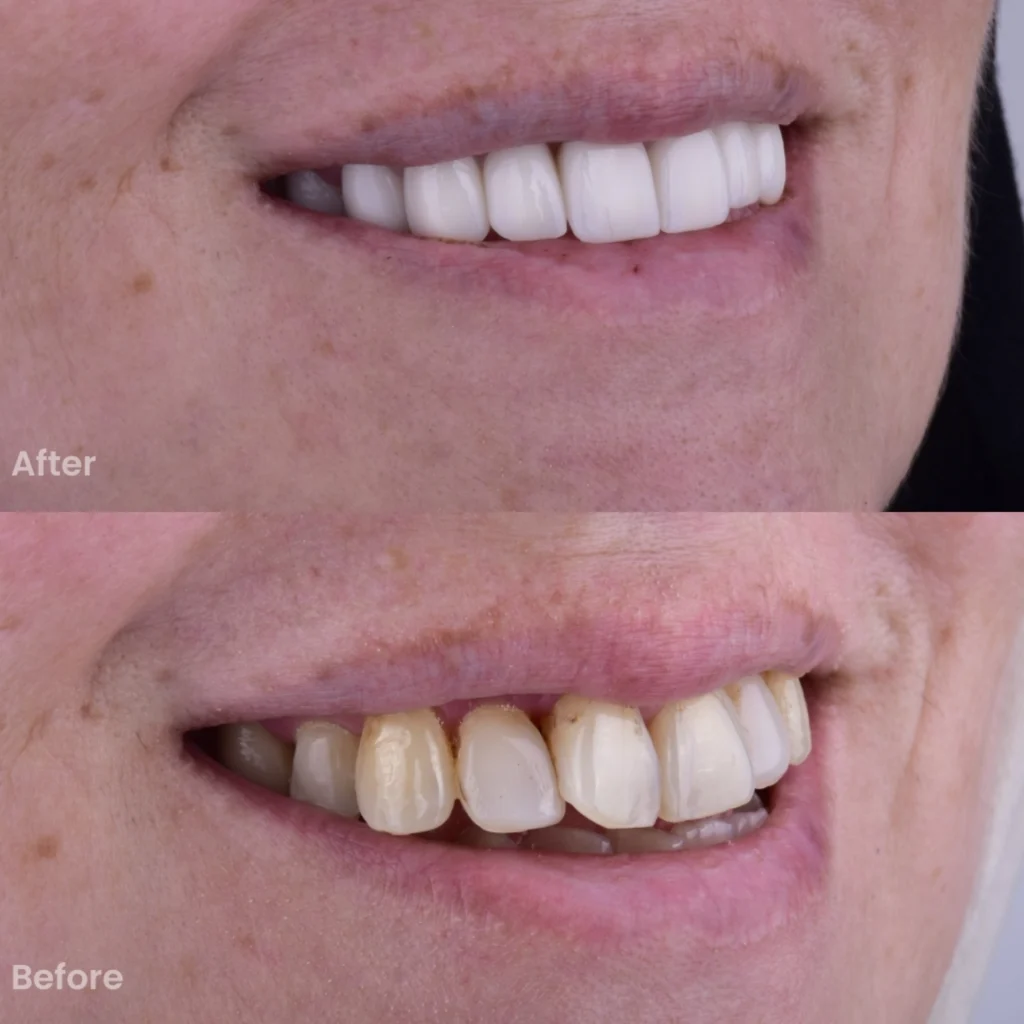
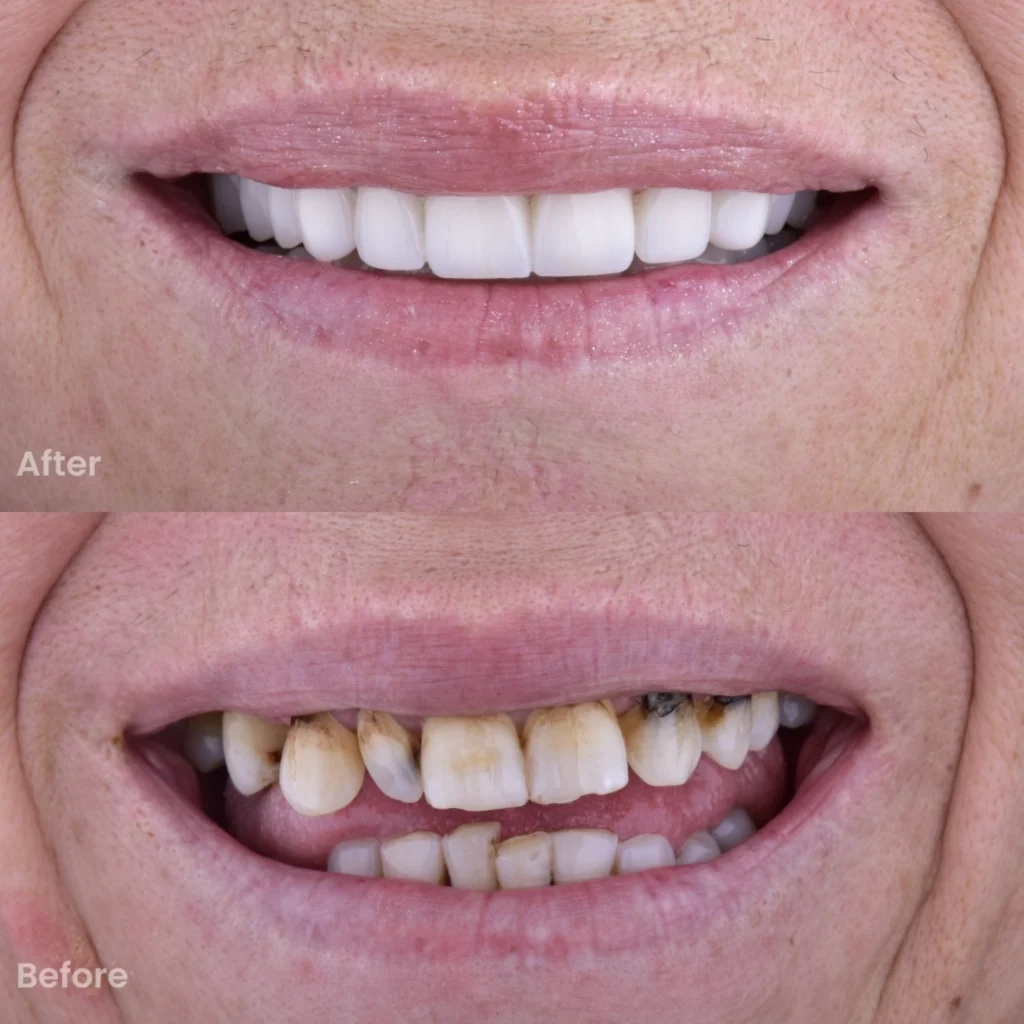
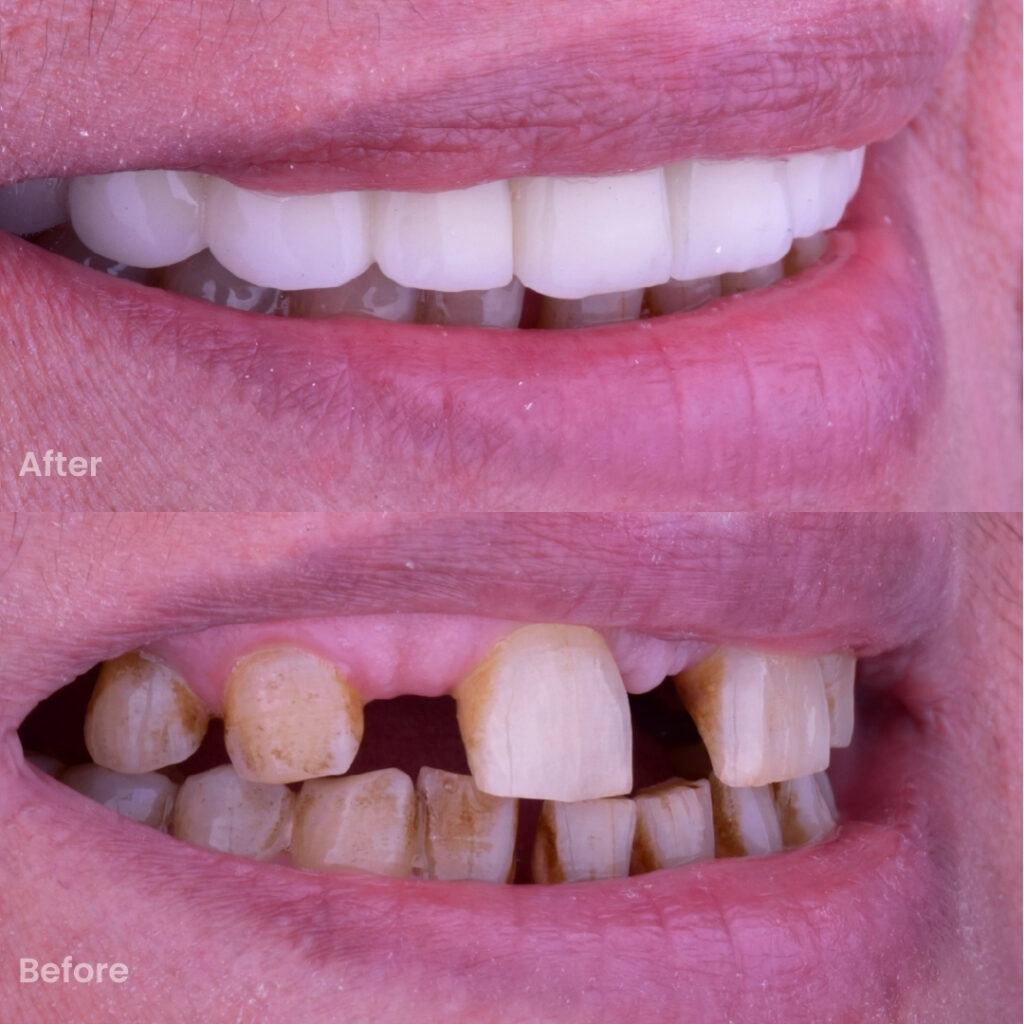
Yes. Once the extraction site has healed appropriately, several tooth replacement options may be considered depending on the patient’s oral condition.
One of the most common long-term solutions is a dental implant. Dental implants replace the missing tooth root and help restore chewing function while supporting the surrounding bone.
In some carefully selected cases, same-day tooth extraction and implant placement may be possible. However, this decision depends entirely on factors such as bone quality, gum health, and the absence of active infection.
Your dentist will determine the most suitable timing after a comprehensive examination.
Frequently Asked Questions
Is tooth extraction painful?
Modern local anesthesia helps ensure that most patients feel pressure rather than pain during the procedure. Mild discomfort after treatment is normal and usually improves as healing progresses.
How long does tooth extraction recovery take?
Initial healing generally occurs within one to two weeks. Complete bone healing may continue for several months depending on the individual and the complexity of the extraction.
What can I eat after tooth extraction?
Soft foods such as yogurt, mashed potatoes, scrambled eggs, soup, oatmeal, and smoothies without a straw are commonly recommended during the early healing period.
Can I return to work after a tooth extraction?
Many patients return to normal daily activities within one or two days after a simple extraction. Surgical procedures, including wisdom tooth extraction, may require a slightly longer recovery period depending on the individual.
Can I brush my teeth after tooth extraction?
Yes. Good oral hygiene remains important during recovery. However, the extraction site should be cleaned gently, following your dentist’s instructions to avoid disturbing the healing blood clot.
What happens if I do not replace a missing tooth?
Leaving a missing tooth untreated may contribute to shifting of neighboring teeth, changes in bite alignment, and gradual bone loss over time. Your dentist can discuss appropriate replacement options based on your individual needs.
Conclusion
Tooth extraction is one of the most common dental procedures, but it is never recommended without careful evaluation. Whether the need arises from severe tooth decay, gum disease, trauma, or an impacted wisdom tooth, the primary goal is always to protect your long-term oral health.
Understanding what happens before, during, and after a tooth extraction can help reduce anxiety and allow you to prepare for a smoother recovery. Following your dentist’s recommendations, maintaining good oral hygiene, and attending follow-up appointments all contribute to successful healing.
For patients considering Turkey dental treatment, choosing a clinic that combines experience, modern technology, and personalized care is an important part of the treatment journey.
At Dental Clinic Turkey in Kayseri, every patient receives a comprehensive evaluation and an individualized treatment plan based on their specific oral health needs. Whether you require a simple tooth extraction, wisdom tooth removal, or a complete rehabilitation plan, informed decision-making remains the foundation of achieving long-term oral health.