+90 538 279 69 38

Double jaw surgery is a surgical procedure that may be considered when the upper and lower jaws are not properly aligned with each other or with the facial skeleton. In dentistry and maxillofacial surgery, this type of treatment is generally referred to as orthognathic surgery.
For international patients researching double jaw surgery in Turkey, it is important to understand that this procedure is not performed solely to change facial appearance. The position of the jaws can also affect the way the upper and lower teeth meet, chewing function and, in some cases, speech.
In adults with significant skeletal jaw discrepancies, orthodontic treatment alone may not always be sufficient. In these cases, orthodontics and jaw surgery may need to be evaluated and planned together.
International patients considering orthognathic surgery in Turkey should therefore begin with a detailed assessment of their teeth, bite, jawbones and facial structure.
What Is Double Jaw Surgery?
Double jaw surgery, also known as bimaxillary surgery or two-jaw surgery, refers to orthognathic surgery involving both the upper and lower jaws.
The upper jaw is known as the maxilla, while the lower jaw is known as the mandible. When both jaws contribute to a significant skeletal or bite problem, surgical repositioning of both may be considered.
However, not every jaw problem requires surgery on both jaws.
In some patients, the main problem may originate from the lower jaw. In others, the upper jaw may be responsible for the skeletal discrepancy. There are also cases in which both jaws need to be evaluated together to establish an appropriate relationship between the teeth, jaws and facial structures.
For this reason, the need for double jaw surgery cannot be determined simply by looking at someone’s facial appearance.
The bite, position of the jawbones, facial proportions, clinical examination and necessary diagnostic imaging should all be considered as part of treatment planning.
What Is Orthognathic Surgery?
Orthognathic surgery is a broader term describing surgical procedures used to correct certain skeletal discrepancies of the jaws.
It may involve the upper jaw, lower jaw or both jaws.
Conditions involving an upper jaw that is positioned too far forward or backward, problems related to the position of the lower jaw, significant discrepancies between the jaws and certain types of facial asymmetry may be evaluated within the scope of orthognathic surgery.
Therefore, orthognathic surgery and double jaw surgery are related, but they are not exactly the same thing.
Orthognathic surgery describes the broader field of corrective jaw surgery. Double jaw surgery specifically refers to cases where both the upper and lower jaws are surgically treated.
International patients researching treatment may encounter terms such as double jaw surgery Turkey, orthognathic surgery Turkey, jaw surgery in Turkey, corrective jaw surgery, bimaxillary surgery and two-jaw surgery.
Although these terms are sometimes used together in online searches, the actual surgical procedure required depends on the patient’s individual diagnosis.
Why Is Double Jaw Surgery Performed?
The reasons for considering double jaw surgery can vary from one patient to another.
The main objective is to evaluate an existing skeletal discrepancy and, when appropriate, improve the anatomical and functional relationship between the jaws.
Double jaw surgery may be evaluated in cases involving:
- A significantly protruding lower jaw
- A lower jaw positioned too far back
- Upper jaw position abnormalities
- Significant upper and lower jaw discrepancies
- Open bite
- Certain facial asymmetries
- Bite problems related to skeletal jaw position
- Certain skeletal problems affecting chewing function
Having one of these conditions does not automatically mean that a person needs surgery.
Some dental and bite problems can be managed with orthodontic treatment, while more significant skeletal discrepancies may require a combined orthodontic and surgical approach.
This distinction is one of the most important parts of planning jaw surgery in Turkey.
Who May Be a Candidate for Double Jaw Surgery?
Double jaw surgery is not a treatment for every orthodontic or jaw-related problem.
One of the first questions is whether the problem is primarily dental or skeletal.
Dental problems involving the position or alignment of the teeth may sometimes be managed with orthodontic treatment.
A skeletal problem is different because it involves the position or relationship of the jawbones themselves.
In adults with significant skeletal discrepancies, moving the teeth alone may not address the underlying jaw relationship. Orthodontics and orthognathic surgery may therefore need to be considered together.
Assessment may involve orthodontic examination, oral and maxillofacial evaluation, imaging and analysis of the patient’s bite and facial structure.
For international patients considering double jaw surgery in Turkey, this diagnostic stage is especially important because the entire treatment journey may involve several stages rather than a single surgical appointment.
Is Orthodontic Treatment Required Before Double Jaw Surgery?
One of the most common questions about orthognathic surgery is whether braces are required before surgery.
In some orthognathic surgery cases, orthodontic treatment may be needed before the operation.
The purpose of presurgical orthodontics is generally to position the teeth according to the planned surgical relationship of the jaws.
However, treatment sequences are not identical for every patient.
Different orthodontic and surgical protocols may be considered depending on the diagnosis and treatment plan.
This means that double jaw surgery is a treatment process, not simply an operation performed on one particular day.
The overall process may include clinical examination, diagnostic imaging, orthodontic assessment, surgical planning, surgery and postoperative follow-up.
How Is Double Jaw Surgery Performed?
International patients searching for double jaw surgery in Turkey frequently want to know how the operation is performed.
The surgical technique depends on the patient’s jaw structure and the skeletal problem being treated.
After detailed surgical planning, the upper and lower jawbones can be repositioned according to the planned anatomical relationship.
The direction and amount of jaw movement are not standard for every patient.
One patient may require repositioning of the upper jaw together with a particular movement of the lower jaw, while another patient may require a completely different surgical plan.
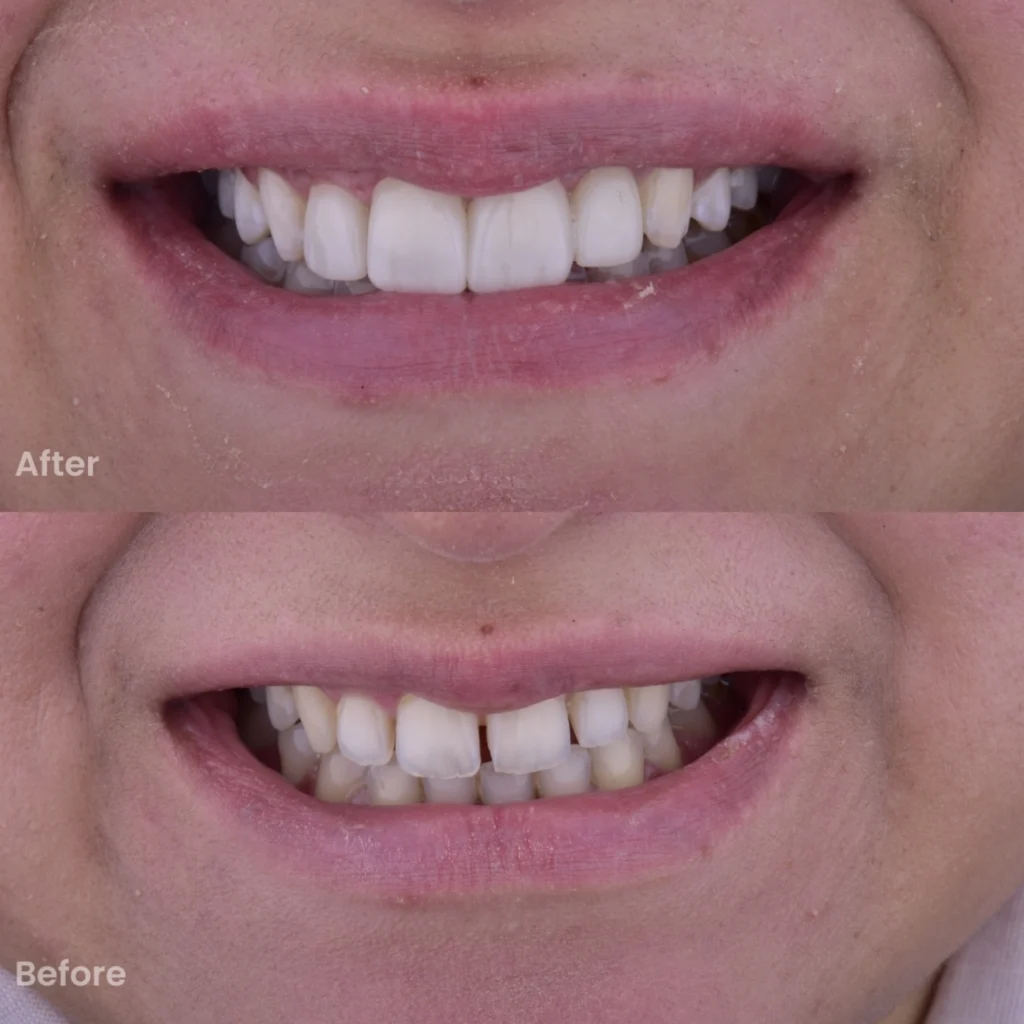
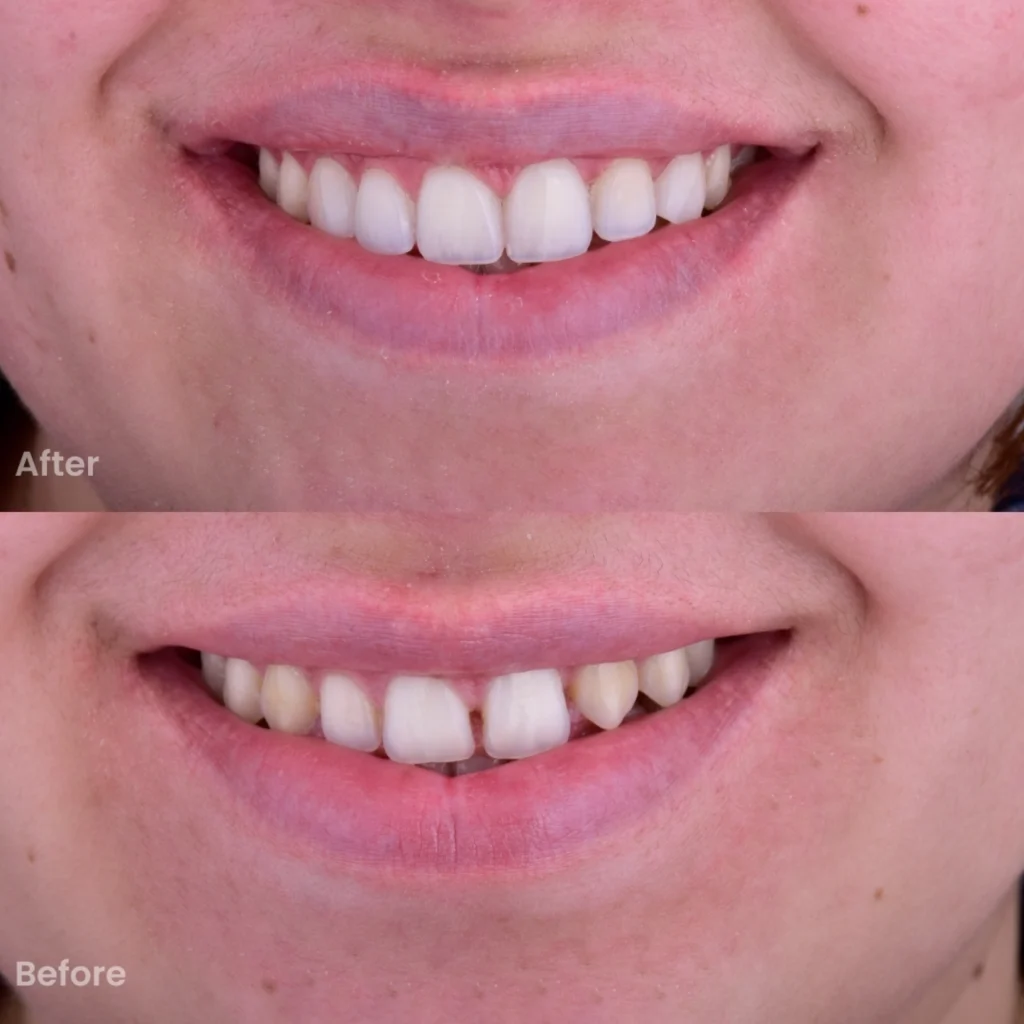
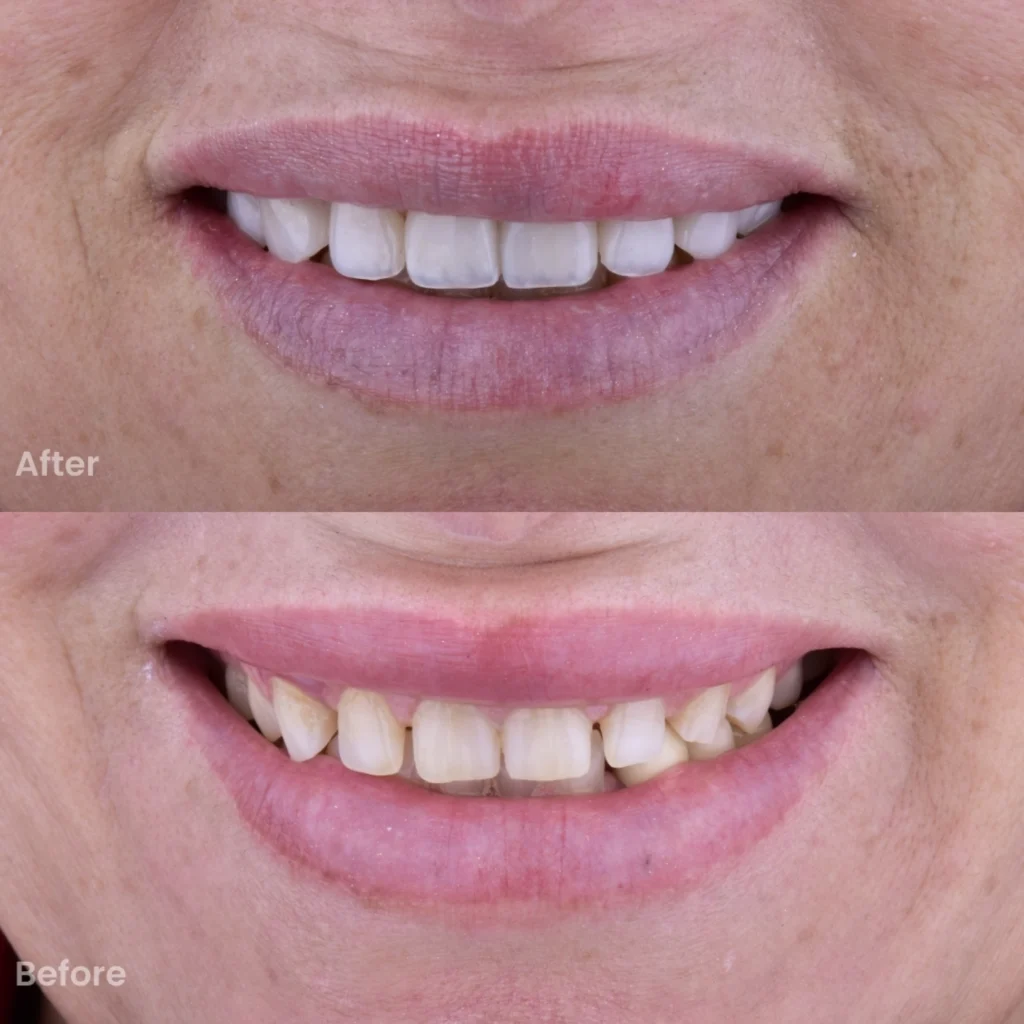
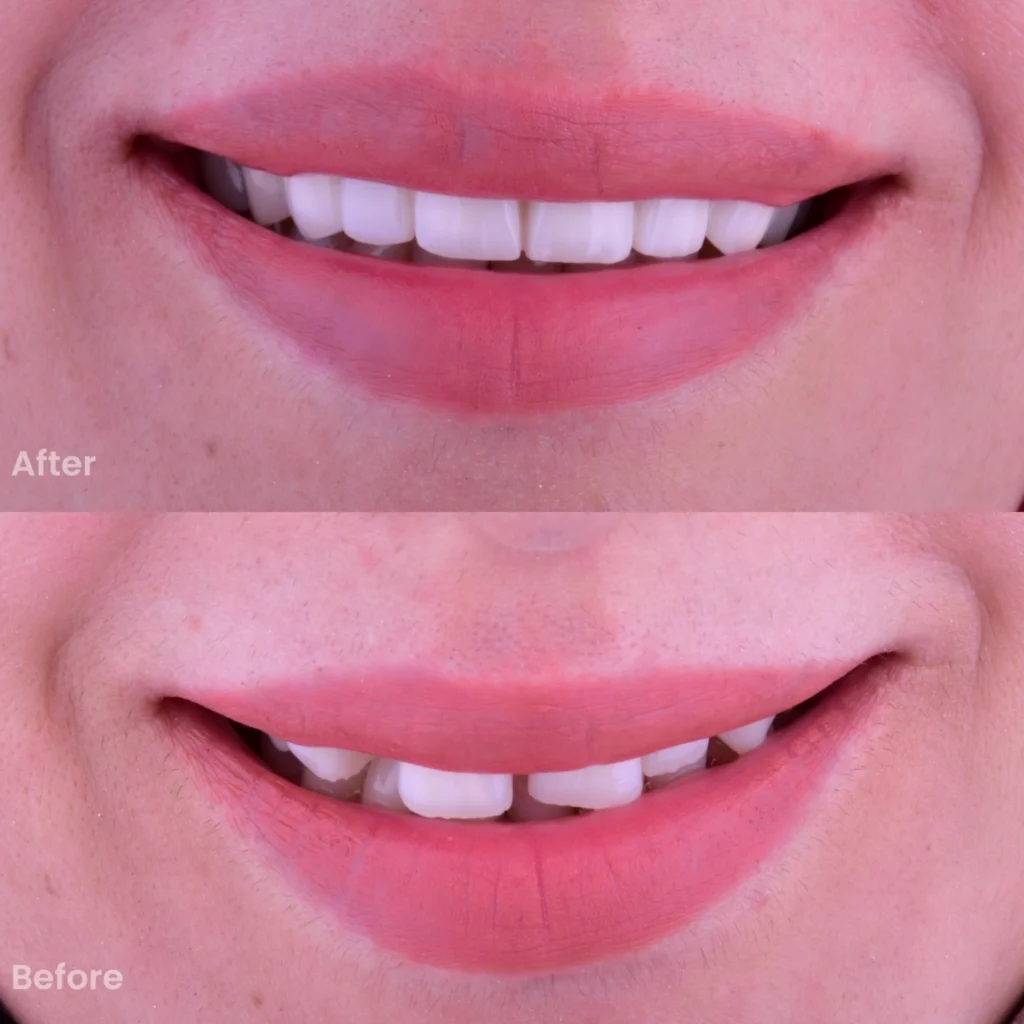
This is why another patient’s double jaw surgery experience, surgical plan or before-and-after photographs should not be used to predict an individual’s own treatment.
Orthognathic surgery is planned according to the anatomy and clinical requirements of each patient.
How Long Does Double Jaw Surgery Take?
There is no single operation time that applies to every double jaw surgery.
The duration of surgery can vary according to the extent of the surgical procedure, the adjustments required in the upper and lower jaws, individual anatomical characteristics and the surgical plan.
For this reason, an estimated surgical duration can be discussed more accurately after the patient’s individual treatment plan has been established.
International patients planning orthognathic surgery in Turkey should also remember that the operation itself represents only one stage of the overall treatment process.
Preoperative preparation and postoperative follow-up should also be included when planning the treatment journey.
Is Double Jaw Surgery a Major Surgery?
Double jaw surgery is a comprehensive surgical procedure and should not be considered in the same way as routine dental treatments.
Before surgery, the patient’s general health, jaw anatomy, bite relationship and surgical requirements need to be carefully evaluated.
Treatment may also require coordination between orthodontics and oral and maxillofacial surgery.
As with any surgical procedure, potential risks, expected recovery and the scope of treatment should be discussed individually before surgery.
For international patients considering corrective jaw surgery in Turkey, understanding the complexity of the treatment is particularly important when planning travel, accommodation and the postoperative period.
Is Double Jaw Surgery Painful?
Pain is naturally one of the most common concerns among people considering double jaw surgery.
Because the operation is performed under anesthesia, pain management during surgery is part of the anesthetic process.
After surgery, patients may experience pain, tenderness, tightness or general discomfort.
The level of discomfort is not the same for every patient.
It can vary depending on the extent of surgery and the individual’s healing process.
For this reason, it would not be accurate to say that double jaw surgery is completely painless or that every patient experiences severe pain.
Postoperative medications and care instructions should be followed according to the surgical team’s recommendations.
Is Swelling Normal After Double Jaw Surgery?
Swelling of the face can occur following jaw surgery.
Some patients may also experience bruising.
The amount of swelling and the time required for it to decrease can vary from person to person.
The extent of surgery, individual tissue characteristics and the healing process can all influence postoperative swelling.
For this reason, there is no universal answer to the question, “How long does swelling last after double jaw surgery?”
Regular postoperative follow-up is important so that healing can be monitored appropriately.
What Can You Eat After Double Jaw Surgery?
Nutrition is an important part of recovery after orthognathic surgery.
During the early healing period, patients may be advised to follow a liquid or soft-food diet that reduces the need for chewing.
The timing of returning to different food textures depends on the type of surgery and the progress of healing.
International patients should not automatically follow diet plans shared by other patients online.
Postoperative nutrition should follow the recommendations provided by the treating surgical team.
Maintaining adequate nutrition and appropriate oral hygiene can both be important during recovery.
How Long Is Recovery After Double Jaw Surgery?
Double jaw surgery recovery does not consist of one single stage.
The early postoperative period, healing of the jawbones and completion of orthodontic treatment are separate parts of the overall process.
During the early period, patients may experience swelling, changes in diet and temporary limitations in everyday activities.
As healing progresses, the jaw relationship and bite can be monitored during follow-up appointments.
Some patients may also need to continue orthodontic treatment after surgery.
For this reason, there is no single number of days or weeks that accurately describes complete recovery for every patient.
This is particularly important for international patients considering double jaw surgery in Turkey. Travel arrangements should take the postoperative period and required follow-up appointments into account rather than focusing only on the date of surgery.
Does Double Jaw Surgery Change Your Face?
Repositioning the upper and lower jaws can also affect the appearance of the facial soft tissues.
This is one reason why double jaw surgery before and after photographs receive significant attention online.
However, another patient’s before-and-after result cannot predict how an individual’s face will change.
The amount and direction of jaw movement, facial anatomy, soft tissue characteristics and the surgical procedures performed can all influence the final appearance.
It is also important to remember that double jaw surgery is not simply a cosmetic procedure designed to change the face.
The functional relationship between the jaws and teeth is an important part of orthognathic treatment planning.
What Are the Risks of Double Jaw Surgery?
As with any surgical procedure, double jaw surgery has potential risks and complications.
Possible issues may include bleeding, infection, swelling, sensory changes, healing-related problems and, in some cases, the need for additional treatment.
Temporary or permanent changes in sensation associated with nerve structures may also need to be considered depending on the surgical area and procedure.
The probability and nature of these risks are not identical for every patient.
Before surgery, individual health conditions, anatomy and the planned surgical procedure should therefore be considered when discussing possible risks.
Patients researching orthognathic surgery in Turkey should make sure they understand both the expected treatment process and the potential risks before making decisions about surgery.
Double Jaw Surgery Cost in Turkey
Cost is another major subject for international patients researching jaw surgery abroad.
Searches such as double jaw surgery Turkey cost, orthognathic surgery Turkey cost, jaw surgery Turkey price and double jaw surgery cost in Turkey may be used by patients comparing treatment options.
However, it is not possible to determine one standard cost that applies to every double jaw surgery case.
Several factors can influence the overall treatment cost.
These may include the extent of surgery, whether one or both jaws require surgical treatment, orthodontic requirements, diagnostic imaging and planning, hospital and operating room requirements and other procedures that may be necessary as part of treatment.
For this reason, patients comparing double jaw surgery costs in Turkey should first understand which treatment they actually require.
A cost estimate has more meaning when it is based on an individual diagnosis and treatment plan.
Double Jaw Surgery in Kayseri, Turkey
International patients researching double jaw surgery in Turkey may also explore treatment options in different Turkish cities.
Kayseri, located in Central Anatolia, is one of the locations that may appear during research into dental and maxillofacial treatment in Turkey.
Patients searching for double jaw surgery in Kayseri, orthognathic surgery in Kayseri or jaw surgery in Kayseri should first determine whether their problem originates primarily from the teeth or from the skeletal position of the jawbones.
Significant bite discrepancies, upper or lower jaw position problems, facial asymmetry or skeletal conditions affecting chewing function may require detailed clinical evaluation.
At Dental Clinic Turkey in Kayseri, the teeth, bite and jaw structures can be evaluated as part of the initial assessment. Cases requiring advanced orthognathic surgery may involve coordinated planning with the relevant surgical specialties and appropriate healthcare facilities.
For international patients, this is an important distinction. Orthognathic surgery is more complex than routine dental treatment and may require multidisciplinary planning, hospital-based surgical care and structured postoperative follow-up.
Travelling to Turkey for Double Jaw Surgery
Travelling abroad for double jaw surgery requires more planning than travelling for many routine dental procedures.
The treatment may include orthodontic preparation, diagnostic imaging, surgical planning, hospital-based surgery, an early recovery period and follow-up appointments.
International patients should therefore consider the entire treatment timeline before arranging travel.
Existing dental records, orthodontic information and radiographic images may assist with preliminary evaluation, but an in-person examination and additional diagnostic procedures may still be necessary.
The final surgical plan should be based on the patient’s individual anatomy and clinical findings.
Patients should also understand whether orthodontic treatment needs to begin before travelling, how postoperative follow-up will be organized and whether additional visits to Turkey may be required.
Double Jaw Surgery in Turkey for International Patients
For an international patient, researching double jaw surgery in Turkey should involve more than comparing prices or looking at before-and-after photographs.
Important questions include:
- Is the jaw problem dental or skeletal?
- Is surgery actually required?
- Does one jaw or both jaws need treatment?
- Is orthodontic treatment necessary?
- What diagnostic imaging is required?
- What surgical procedure is being planned?
- How long will the treatment process take?
- How long should the patient remain in Turkey after surgery?
- What are the possible risks?
- How will postoperative follow-up be managed?
- Will orthodontic treatment continue after surgery?
The answers to these questions can vary significantly from one patient to another.
This is why individual assessment is central to planning orthognathic surgery.
Frequently Asked Questions About Double Jaw Surgery in Turkey
Is Double Jaw Surgery the Same as Orthognathic Surgery?
Not exactly. Orthognathic surgery is a broader term covering surgical correction of skeletal problems involving the upper jaw, lower jaw or both jaws. Double jaw surgery specifically refers to orthognathic surgery involving both the upper and lower jaws.
Does Every Jaw Problem Require Double Jaw Surgery?
No. Some problems may be managed with orthodontic treatment, while significant skeletal discrepancies may require surgical evaluation. The appropriate treatment depends on clinical findings.
Do I Need Braces Before Double Jaw Surgery?
Some patients may require orthodontic treatment before surgery to position the teeth according to the surgical plan. However, treatment sequences can vary, so orthodontic and surgical planning should be individualized.
Do Braces Continue After Double Jaw Surgery?
In some cases, orthodontic treatment continues after surgery. Postoperative orthodontics may be used to refine the relationship between the teeth according to the overall treatment plan.
Does Double Jaw Surgery Change Your Face Shape?
Changes in jaw position can influence the appearance of facial soft tissues. The extent and nature of the change depend on individual anatomy, the amount of jaw movement and the surgical procedures performed.
How Long Does Double Jaw Surgery Recovery Take?
Recovery occurs in stages. Early postoperative recovery, jawbone healing and orthodontic treatment do not necessarily finish at the same time. The overall recovery period therefore varies between patients.
Is Double Jaw Surgery Permanent?
Surgery repositions the jawbones according to the treatment plan. Long-term outcomes can be influenced by the surgical procedure, growth status, orthodontic treatment, healing characteristics and other biological factors.
How Much Does Double Jaw Surgery Cost in Turkey?
The cost varies according to the surgical plan, whether both jaws require treatment, orthodontic needs, diagnostic procedures, hospital requirements and other aspects of the individual treatment process.
Can International Patients Have Double Jaw Surgery in Turkey?
International patients can be evaluated for orthognathic treatment in Turkey. Because double jaw surgery is a comprehensive surgical procedure, appropriate diagnostic assessment, multidisciplinary planning, surgical facilities and postoperative follow-up should all be considered.
Is Follow-Up Required After Double Jaw Surgery?
Yes. Follow-up appointments are important for monitoring healing, evaluating the position of the jaws and teeth and continuing orthodontic treatment when required.
Double Jaw Surgery in Turkey: Final Thoughts
Double jaw surgery is a comprehensive form of orthognathic treatment that may be considered when significant skeletal discrepancies involve both the upper and lower jaws.
It should not be viewed simply as a cosmetic procedure.
Jaw position can influence bite, chewing function, facial proportions and the overall relationship between the teeth and facial skeleton.
For international patients researching double jaw surgery in Turkey, the most important first step is determining whether the problem is dental, skeletal or a combination of both.
Treatment may involve orthodontics, detailed diagnostic imaging, surgical planning, hospital-based surgery and postoperative follow-up.
At Dental Clinic Turkey in Kayseri, patients can undergo an initial evaluation of their teeth, bite and jaw structures. When advanced orthognathic surgery is indicated, treatment planning may require coordination with the relevant surgical specialties and appropriate healthcare facilities.
Rather than selecting a treatment based solely on online photographs, prices or another patient’s experience, double jaw surgery should be planned according to individual anatomy, functional requirements and clinical findings.
For international patients considering orthognathic surgery in Turkey, understanding the entire process before travelling can help create more realistic expectations about treatment, recovery and follow-up.