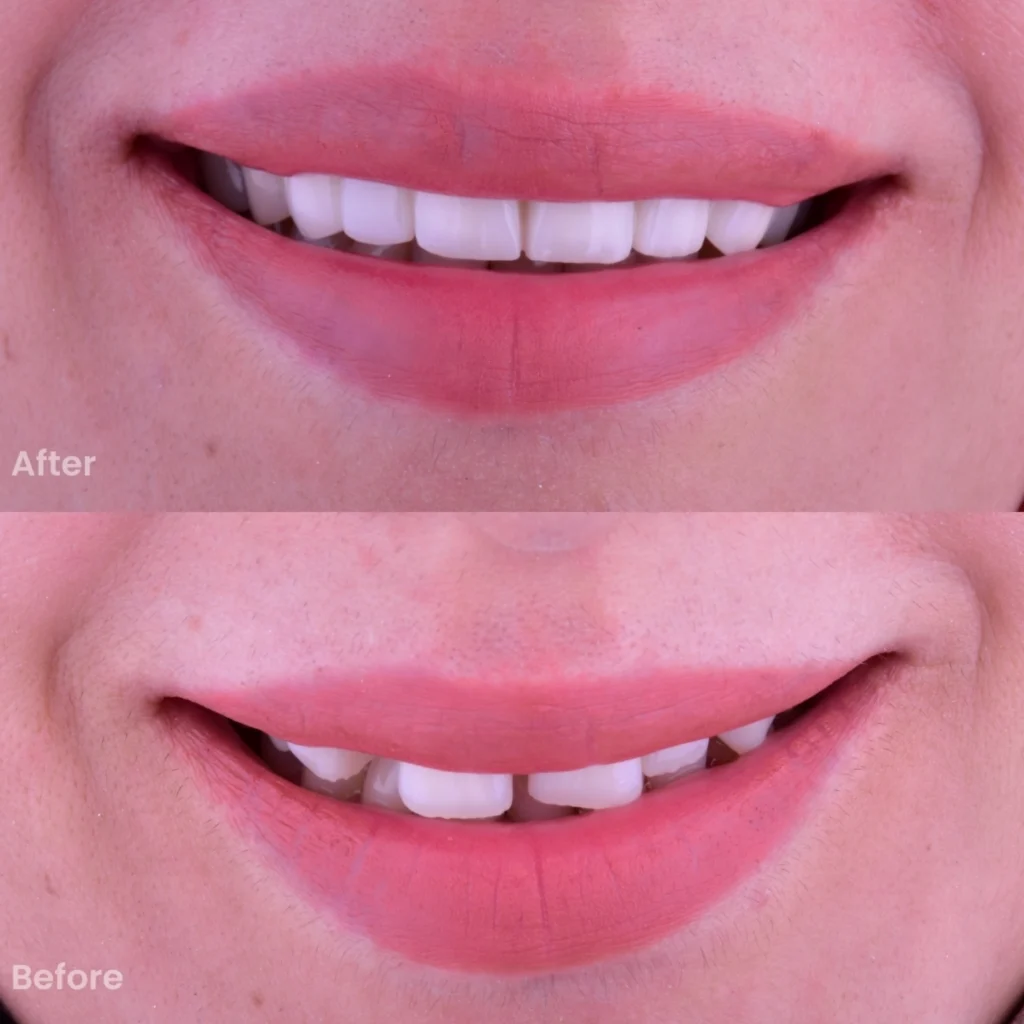
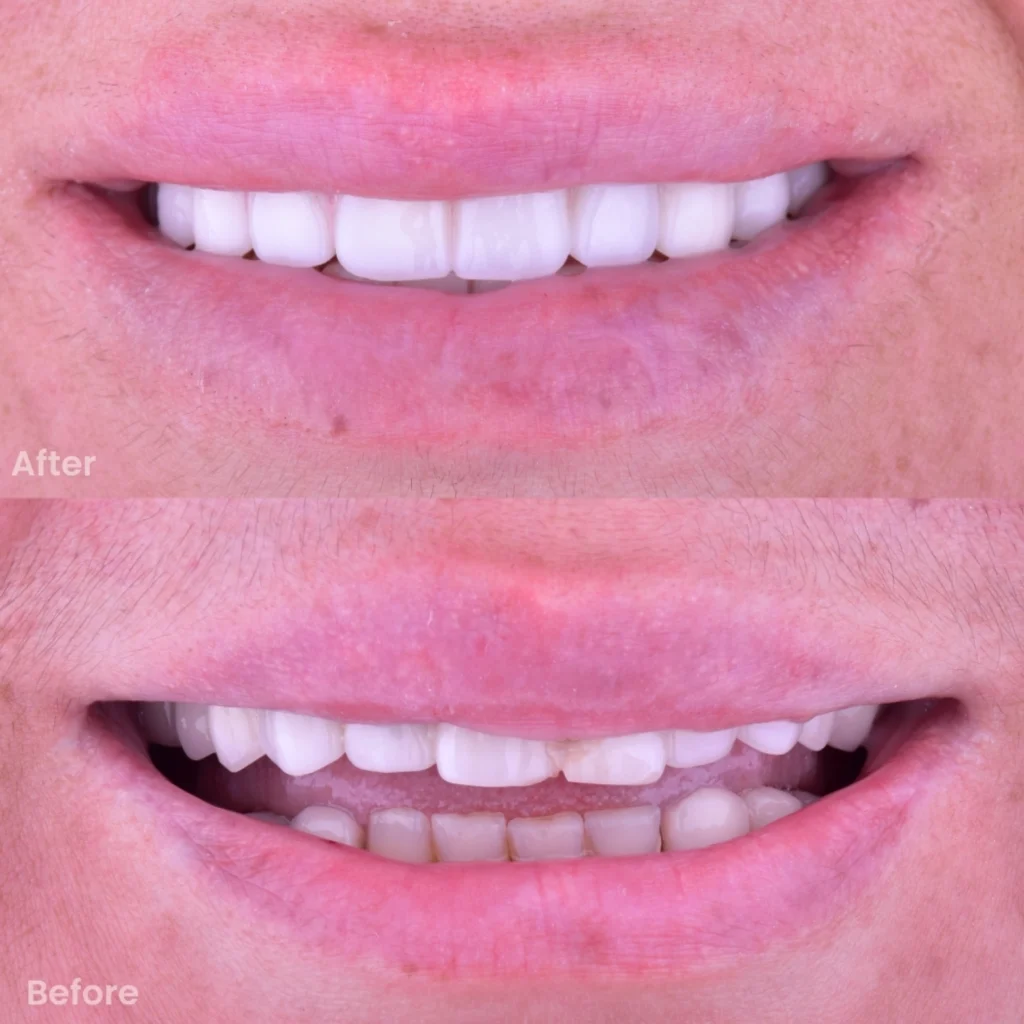
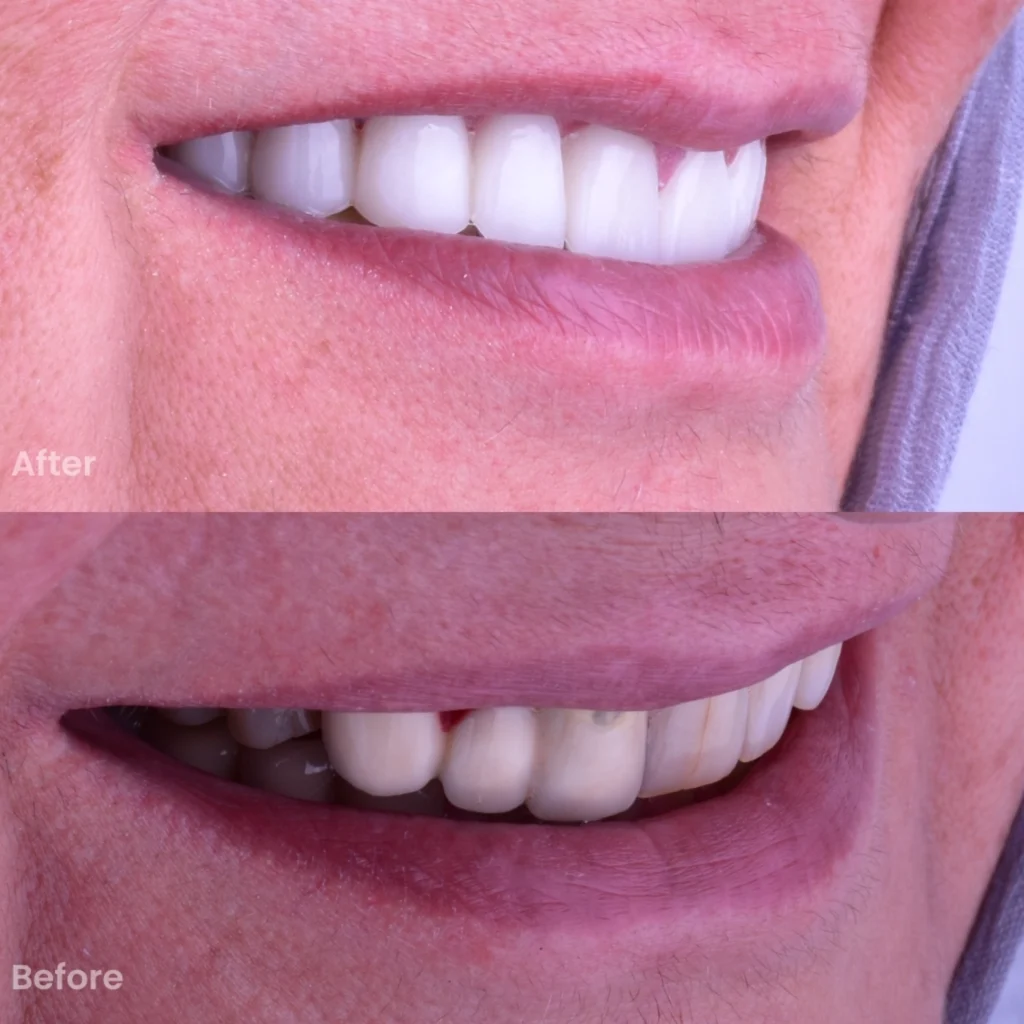
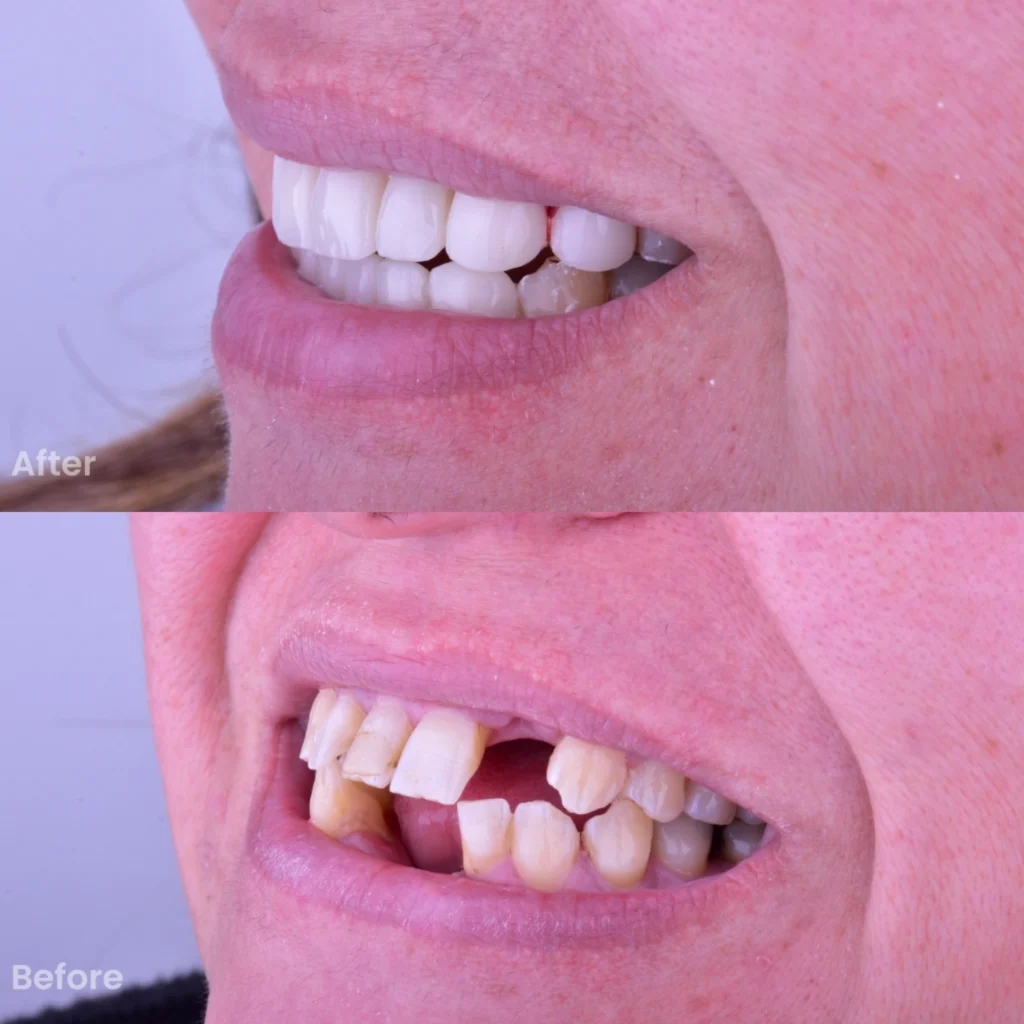
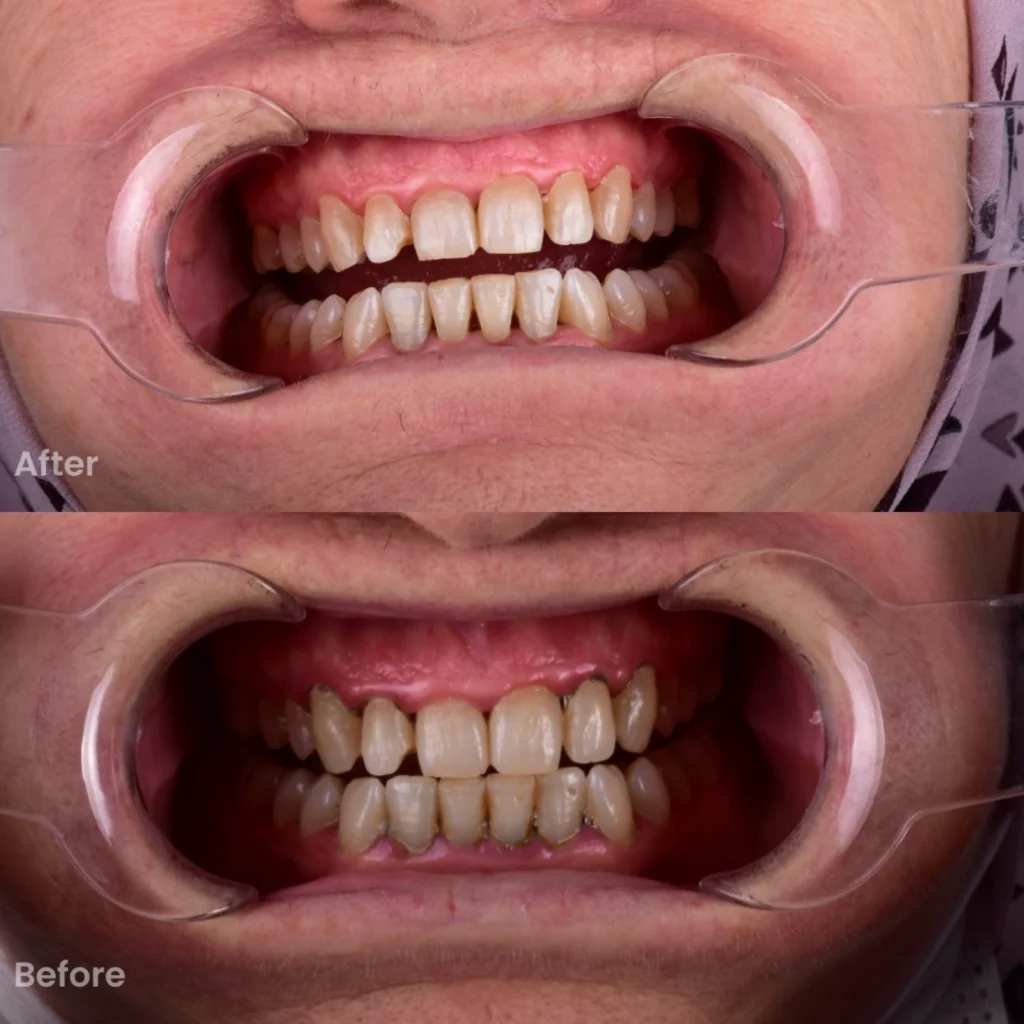
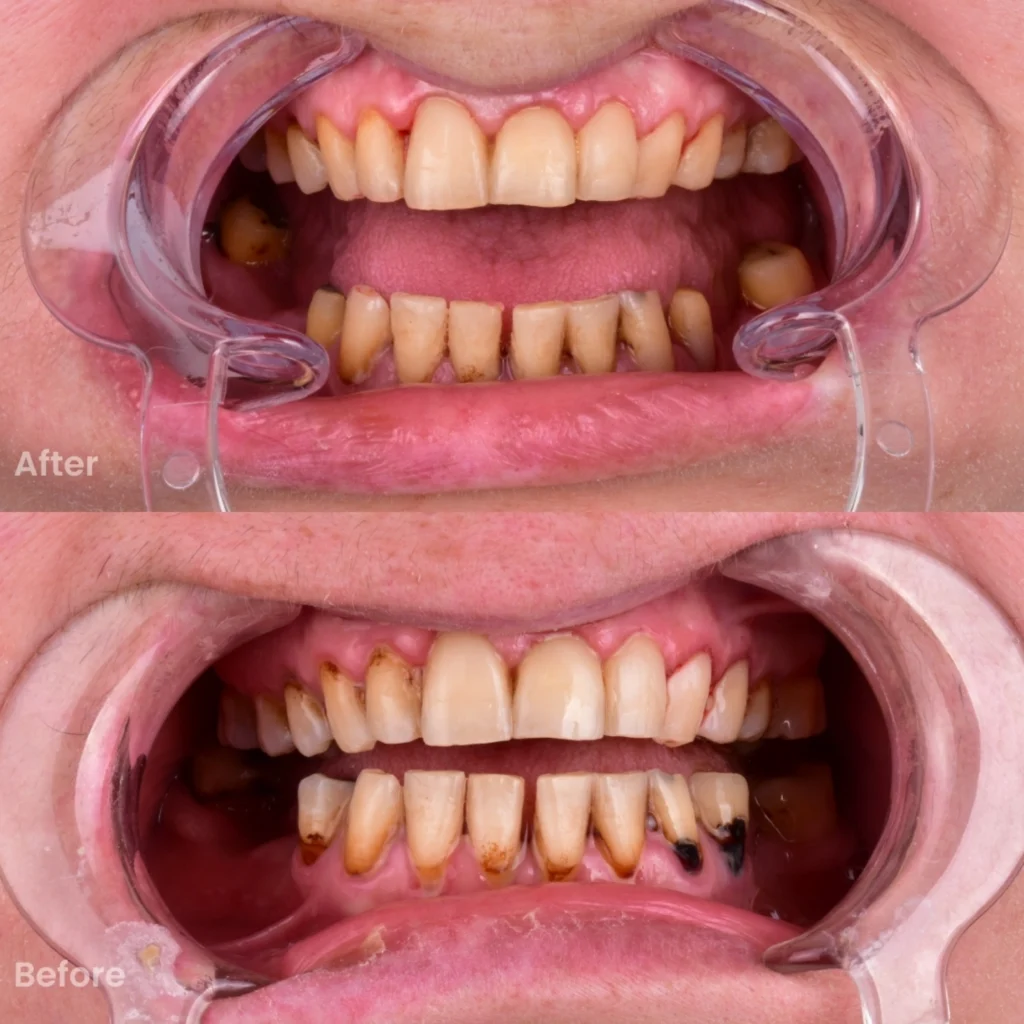
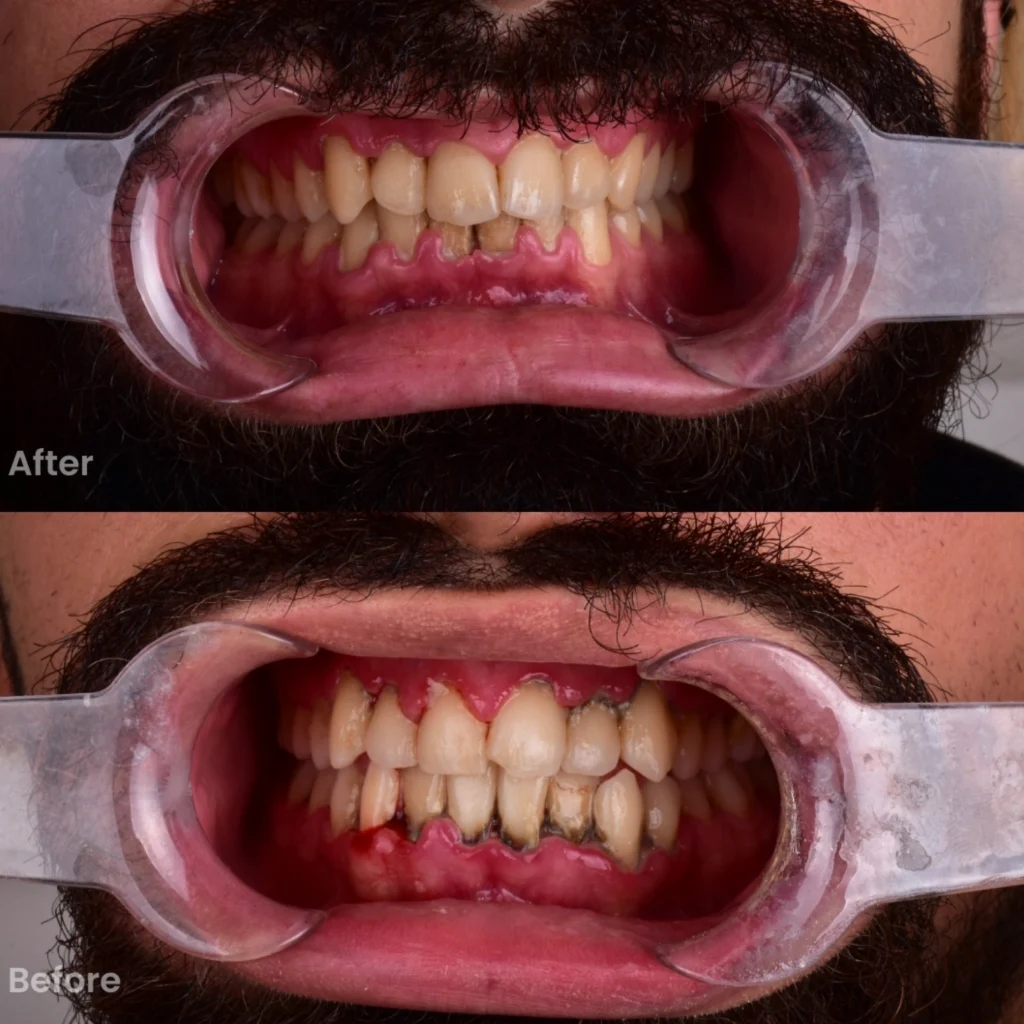
+90 538 279 69 38
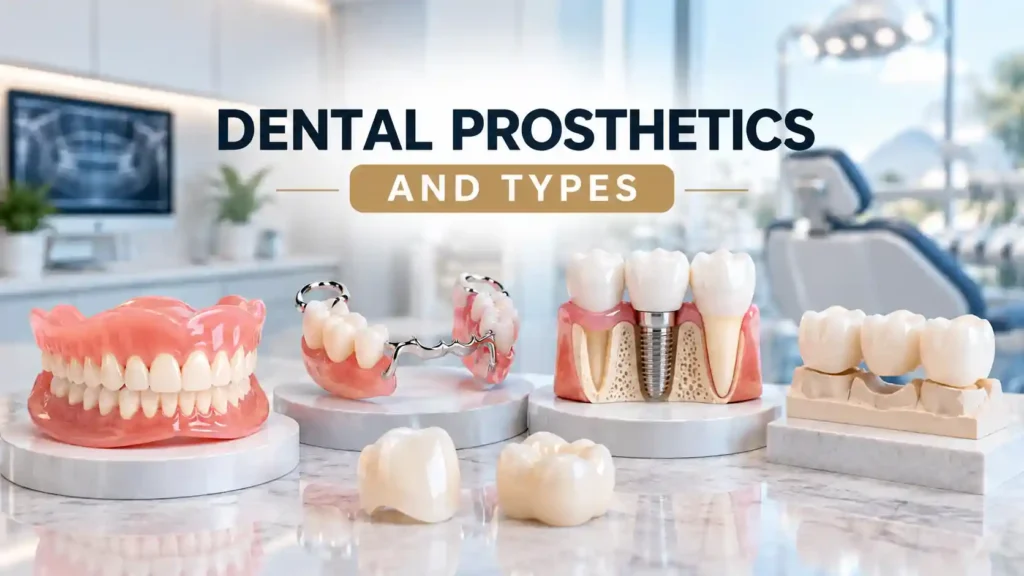
Dental prosthetics are used to restore missing teeth, damaged teeth, or areas where natural tooth structure and function have been lost. Depending on the individual case, treatment may involve removable dentures, partial dentures, fixed restorations, implant-supported prosthetics, or other types of dental prostheses.
For international patients researching dental prosthetics in Turkey, understanding the differences between these options is important. Terms such as dental prosthesis, prosthetic teeth, dental prosthetics, dental prostheses, and dentures are often used during online searches, but they do not always refer to exactly the same treatment.
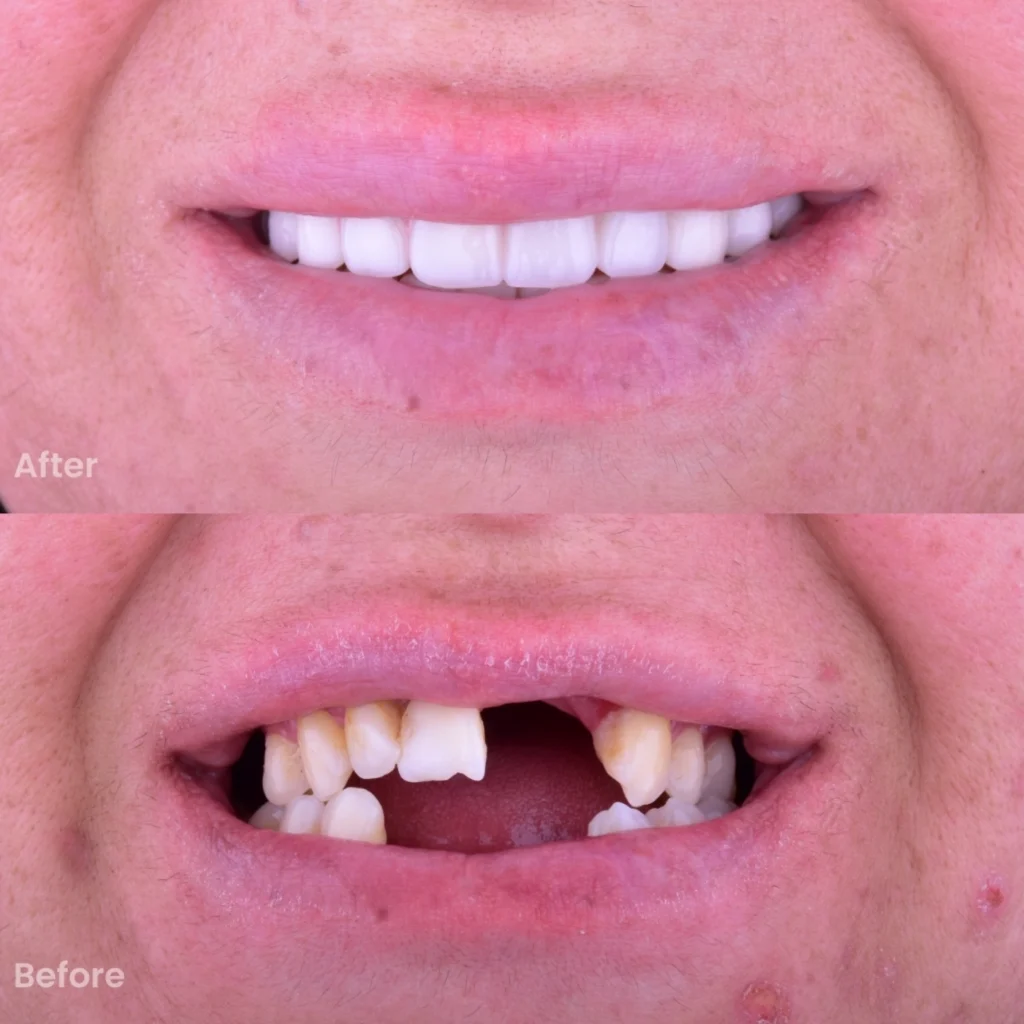
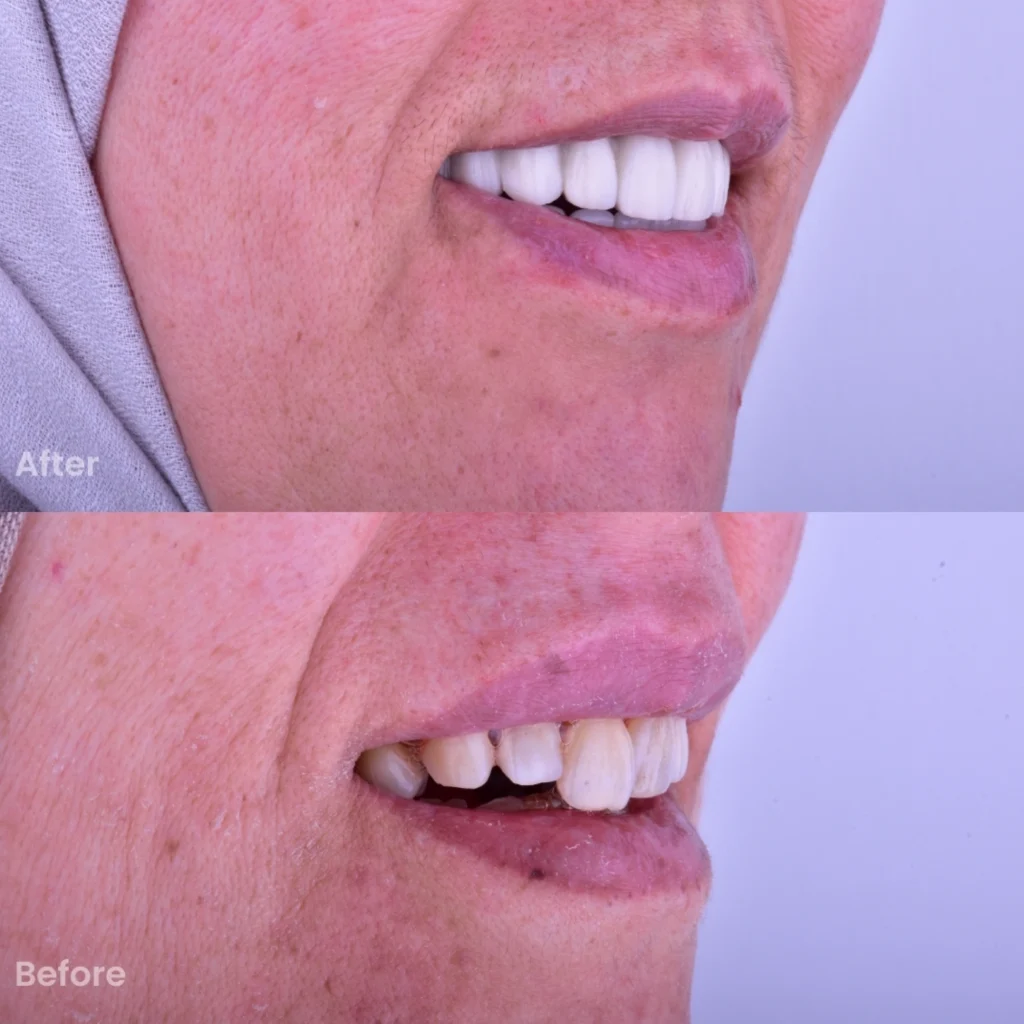
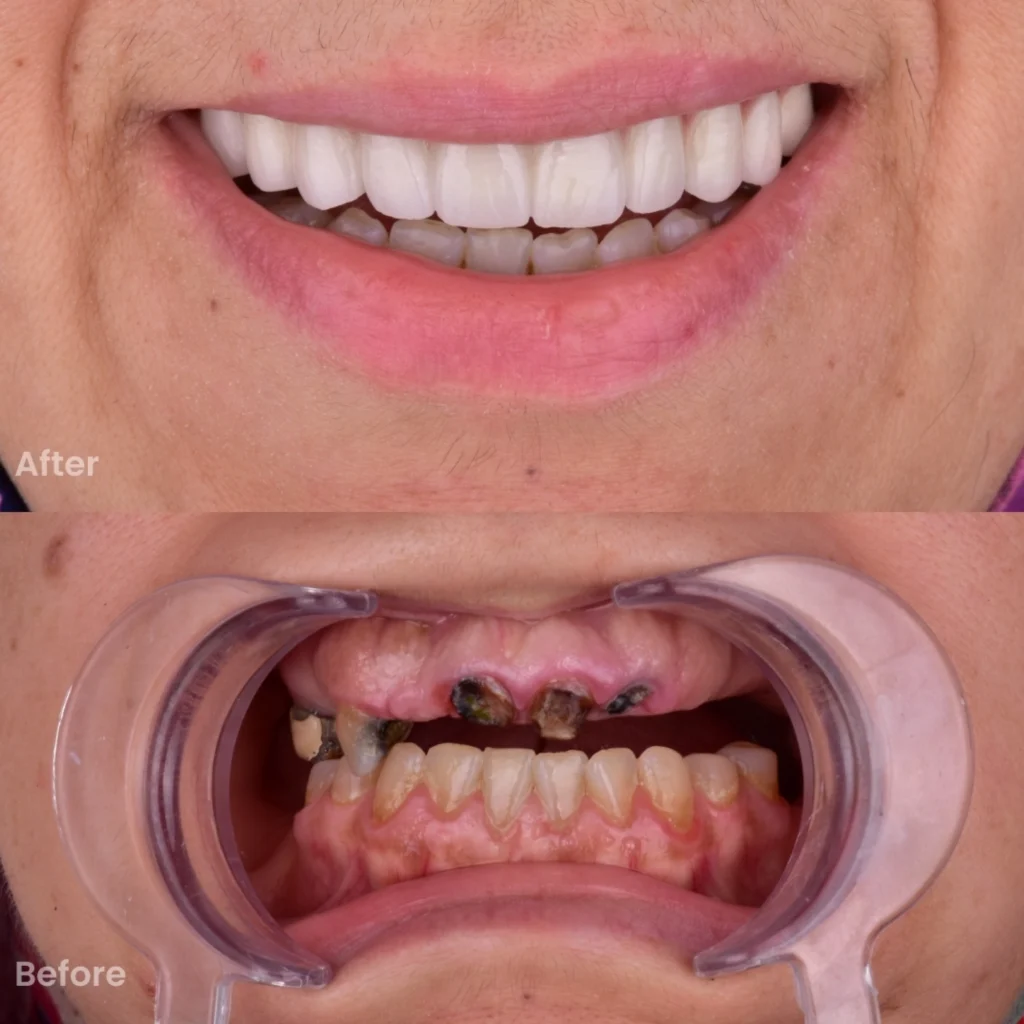
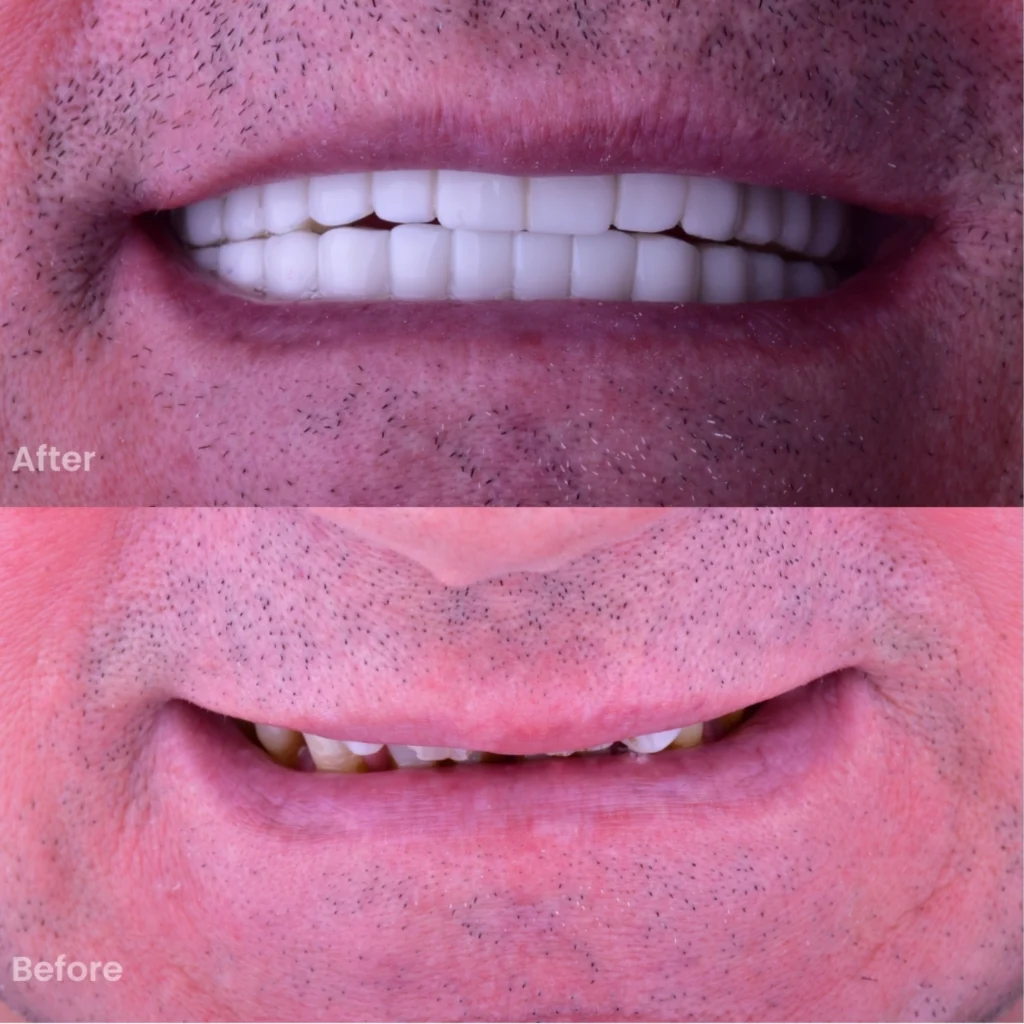
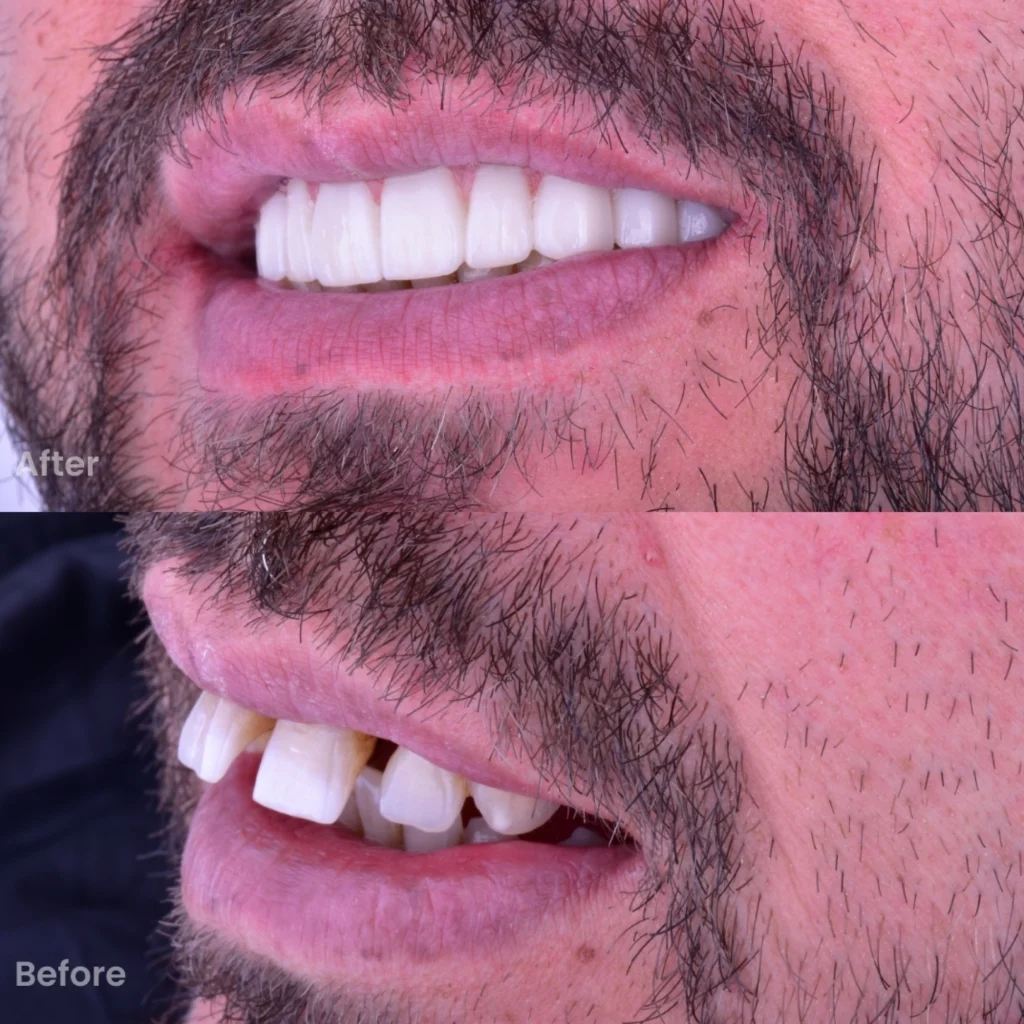
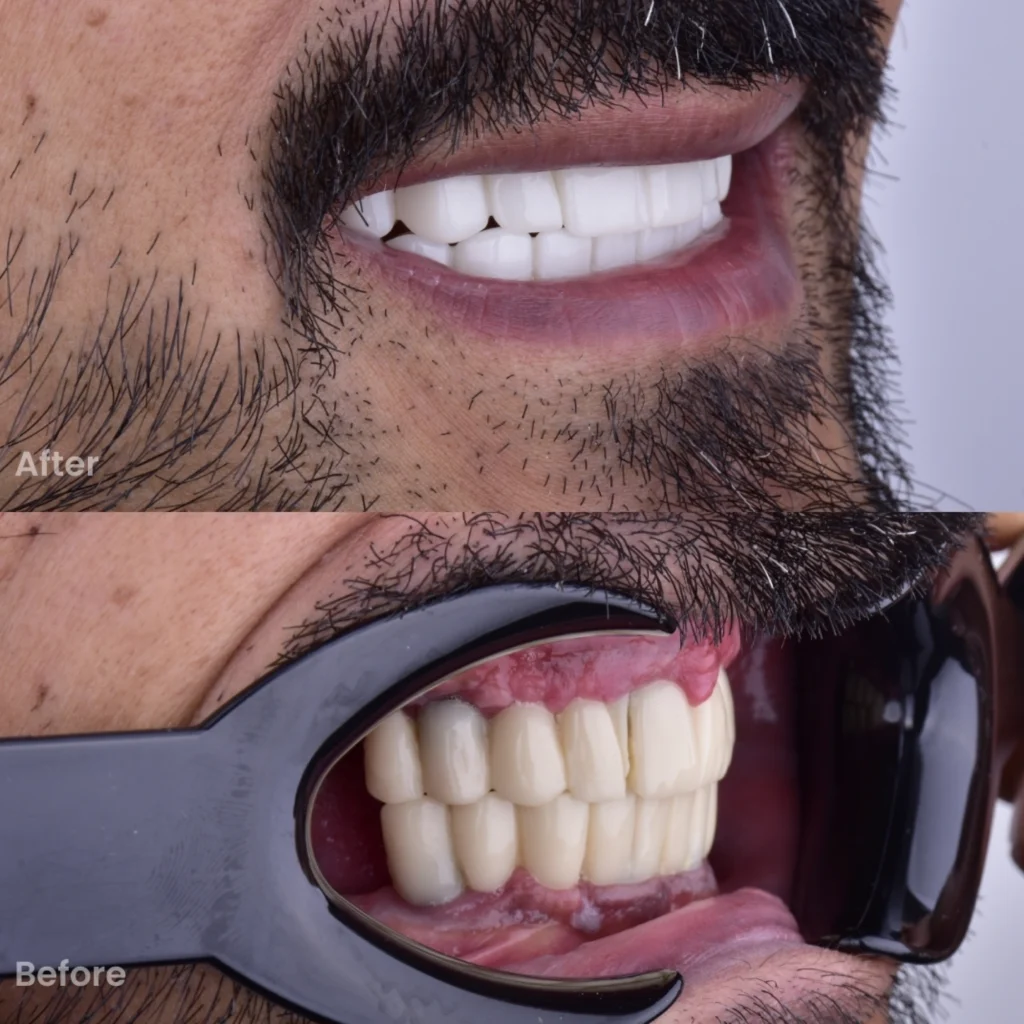
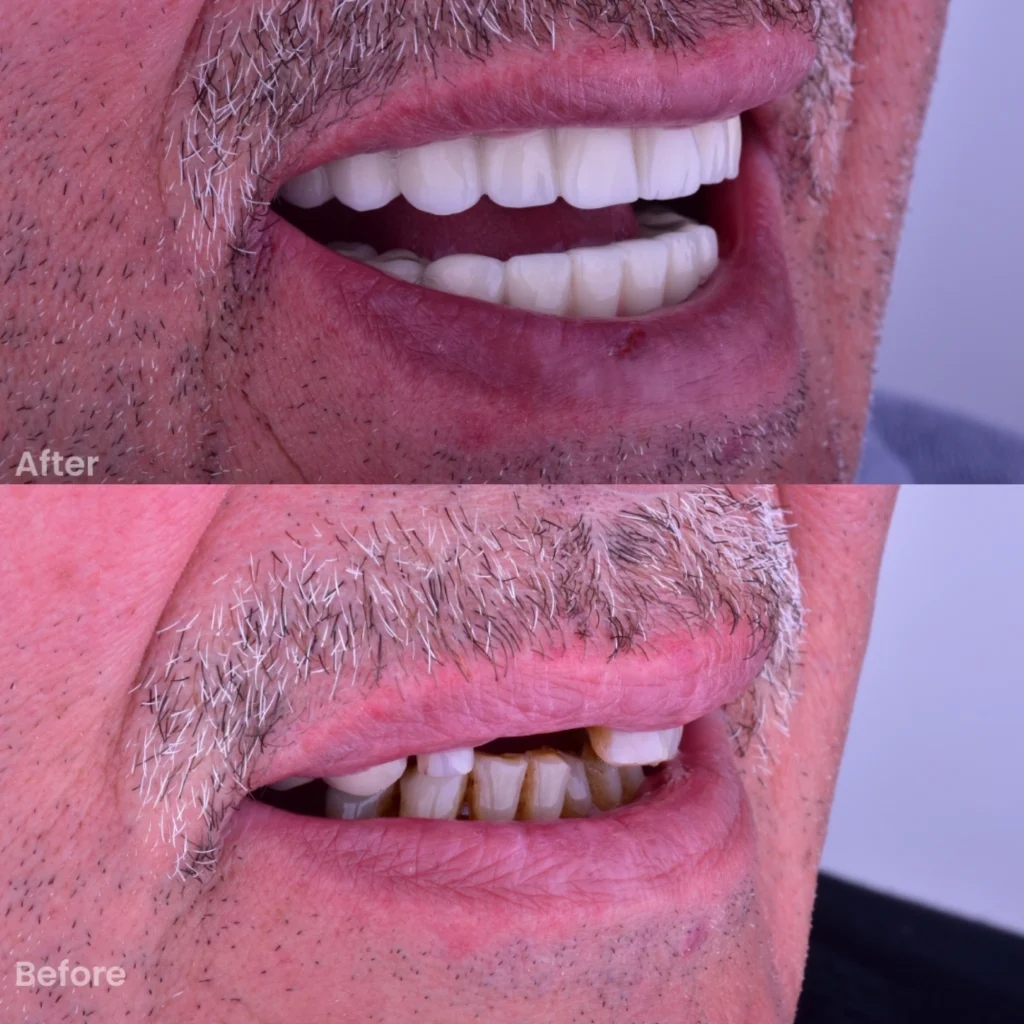
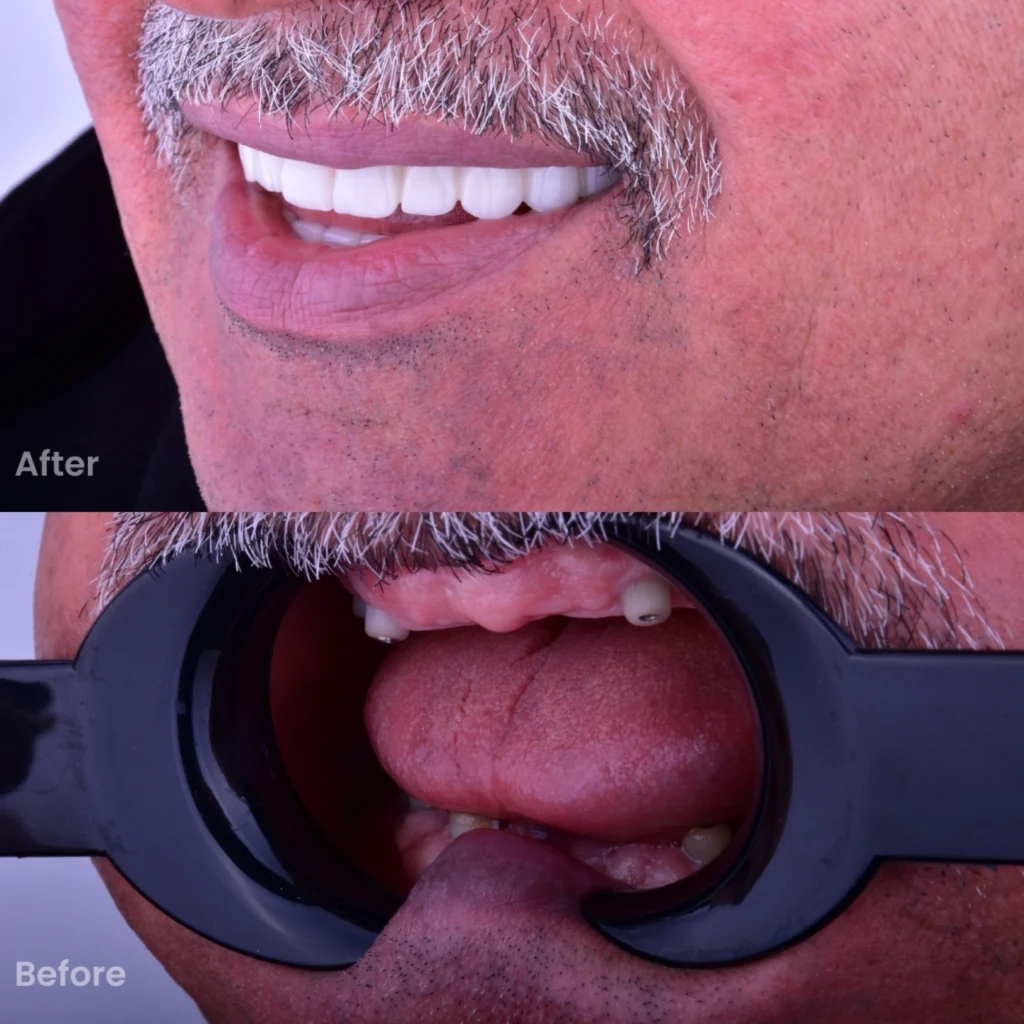
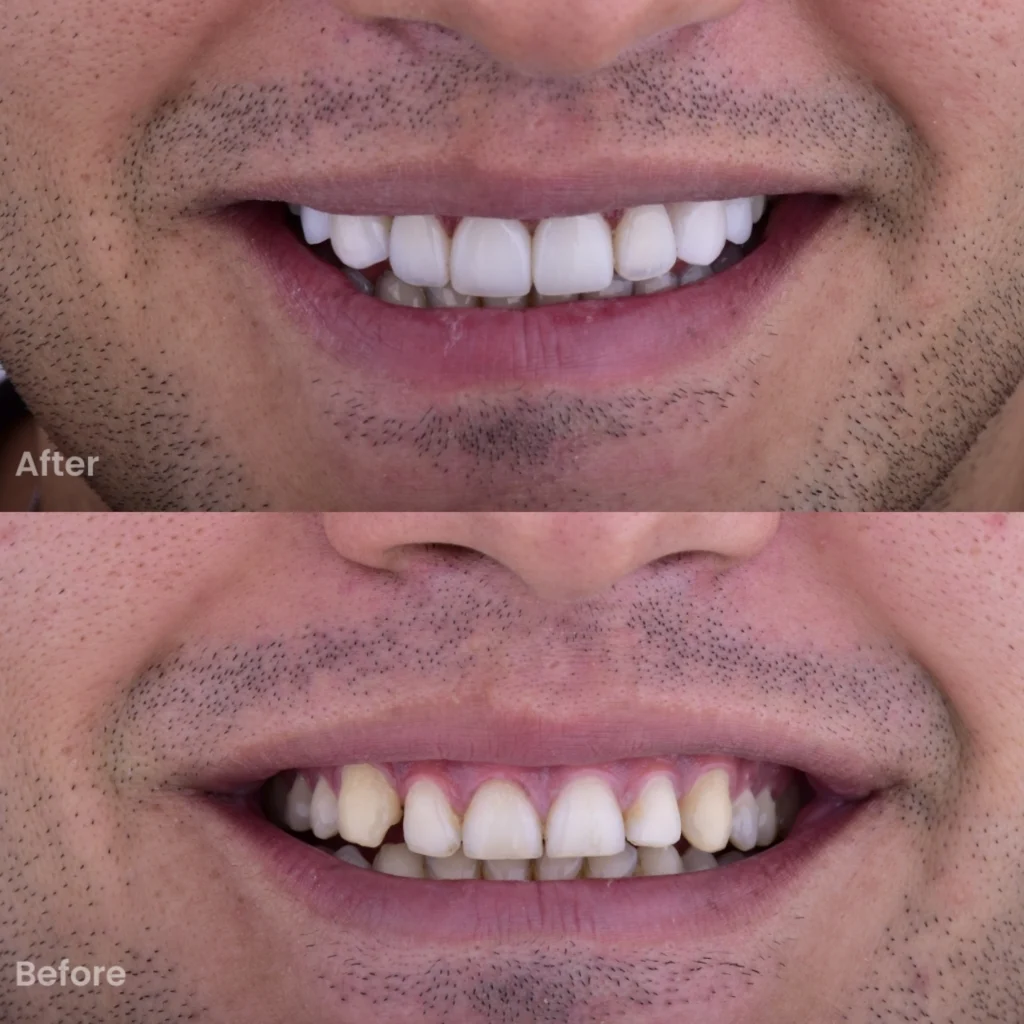
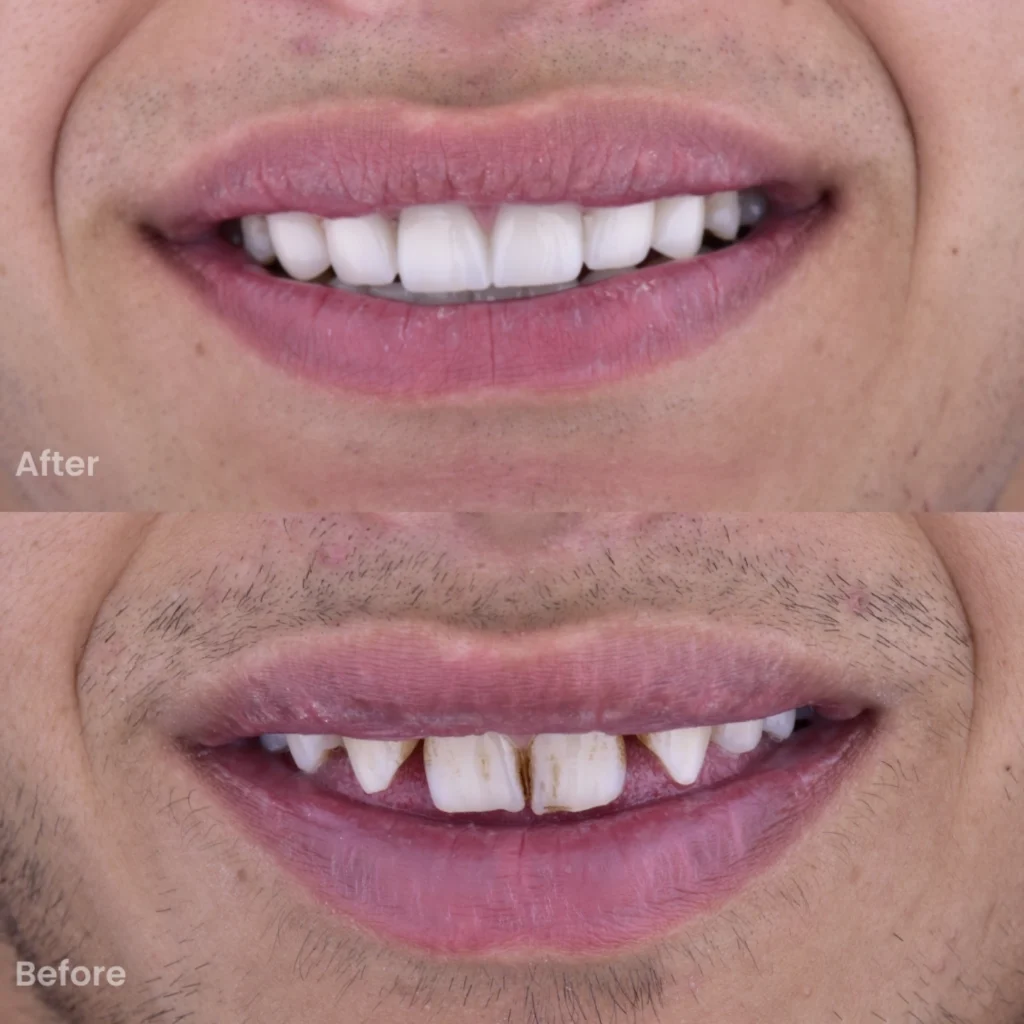
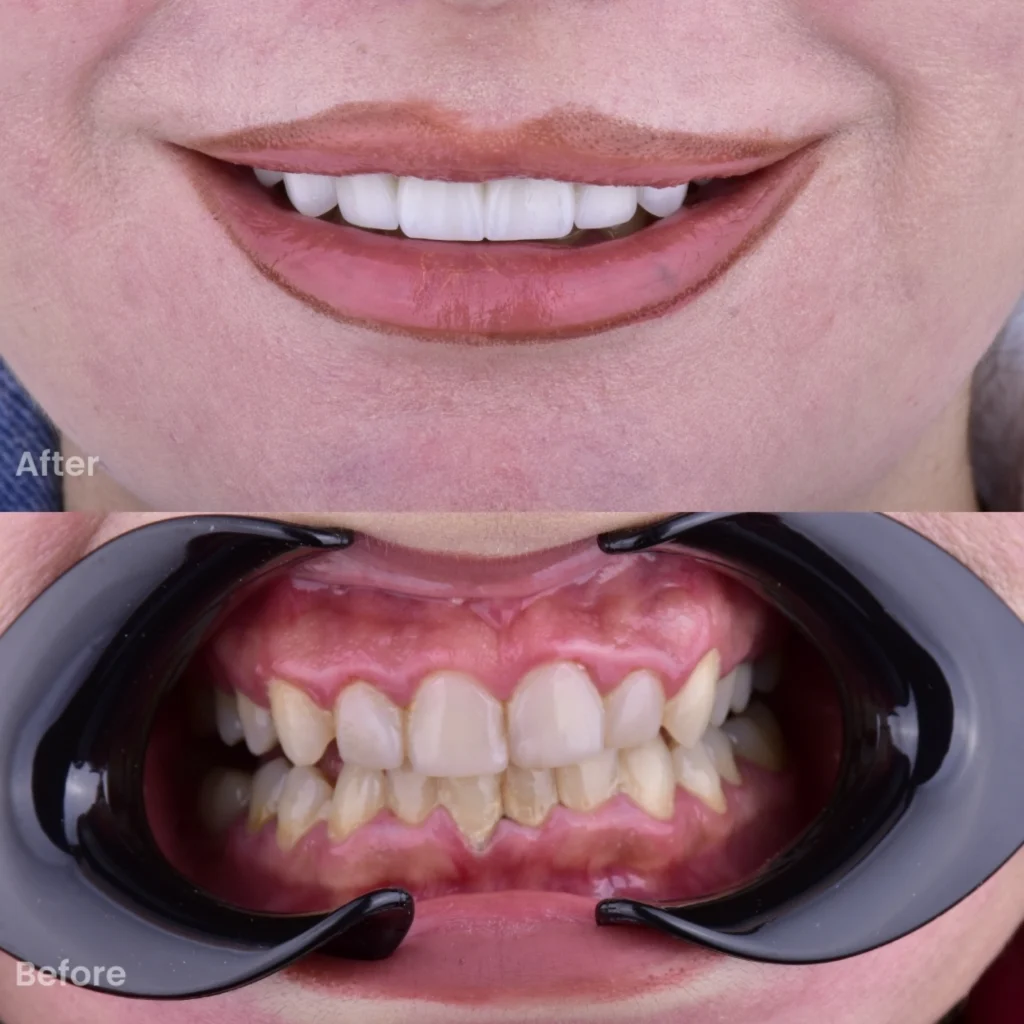
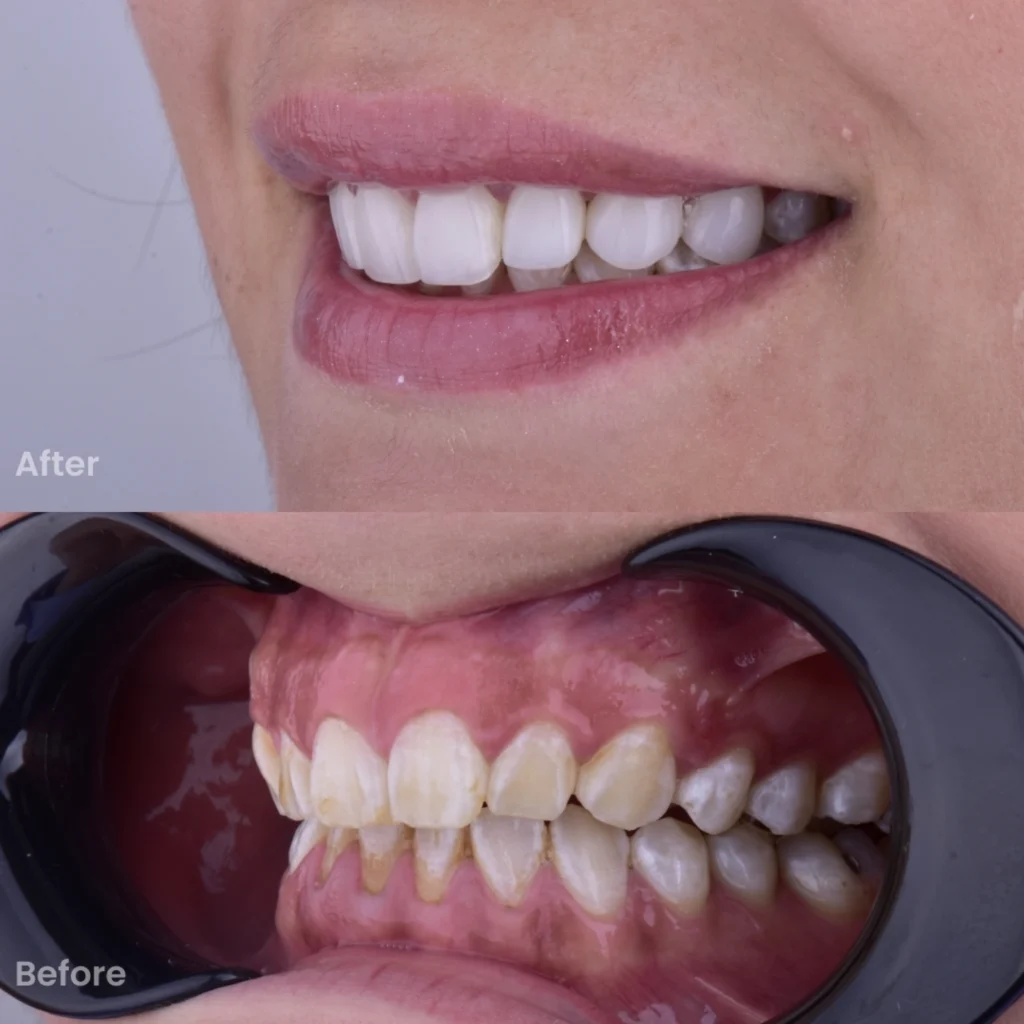
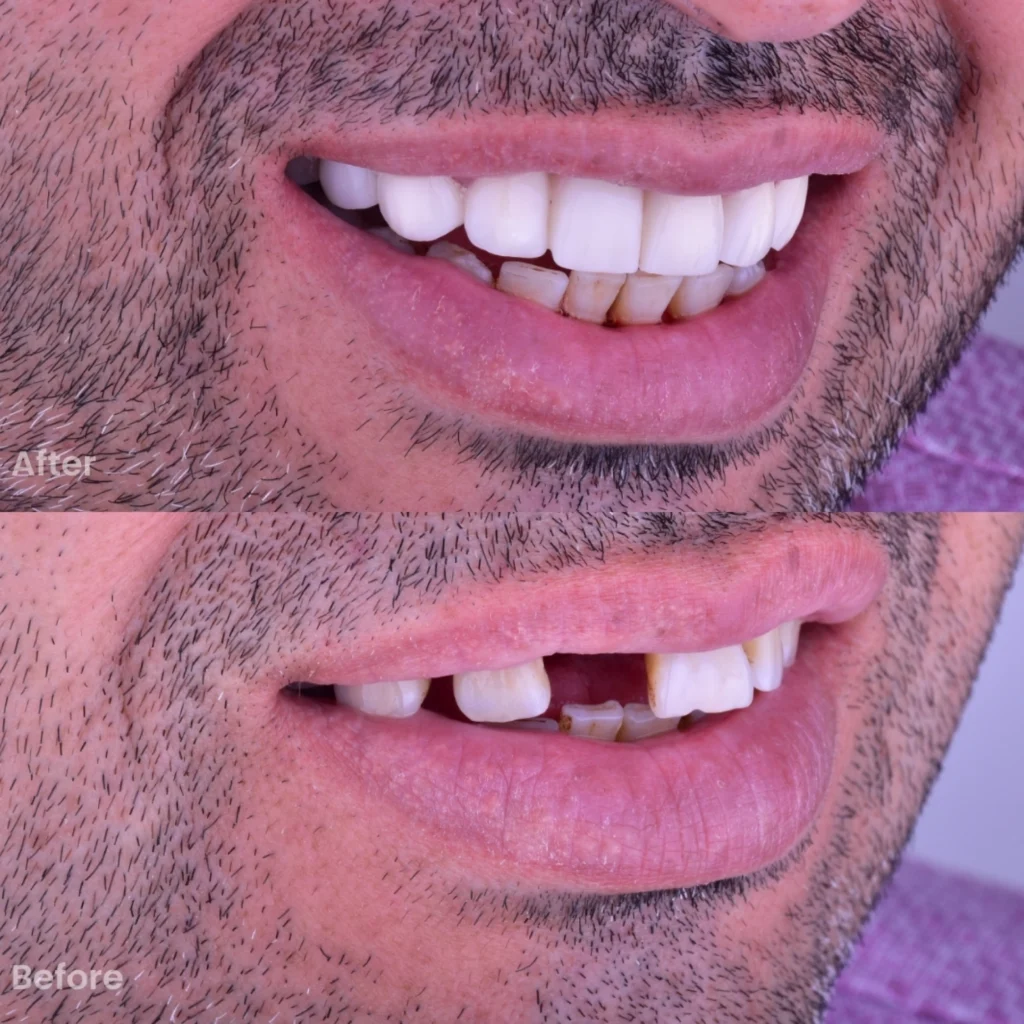
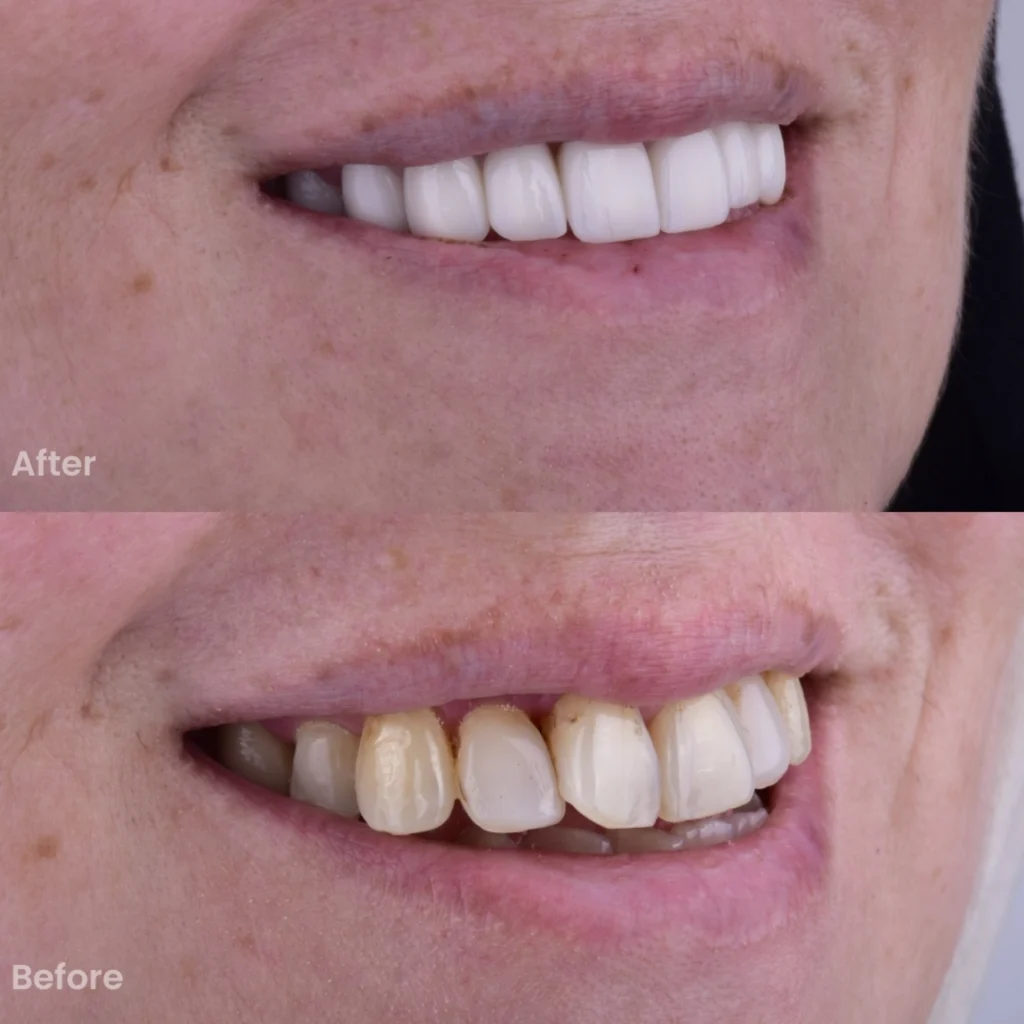
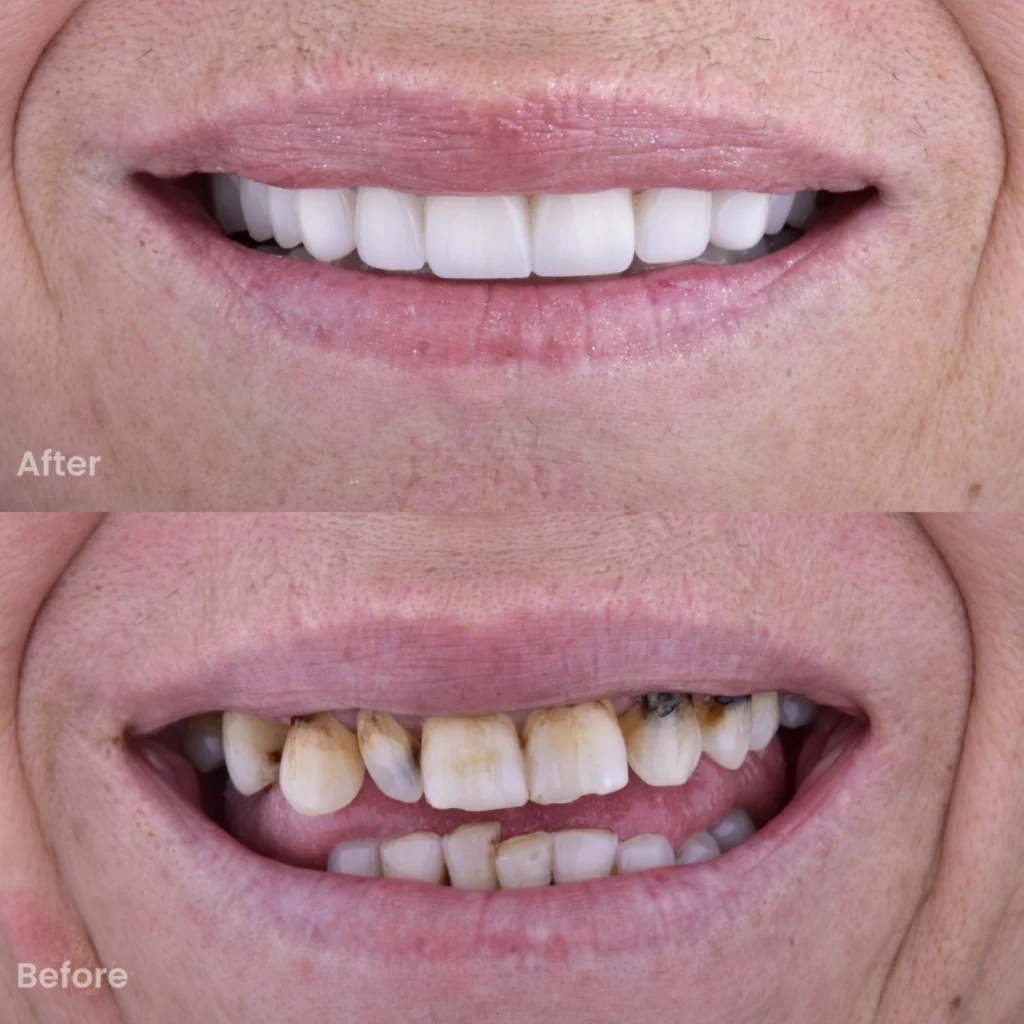
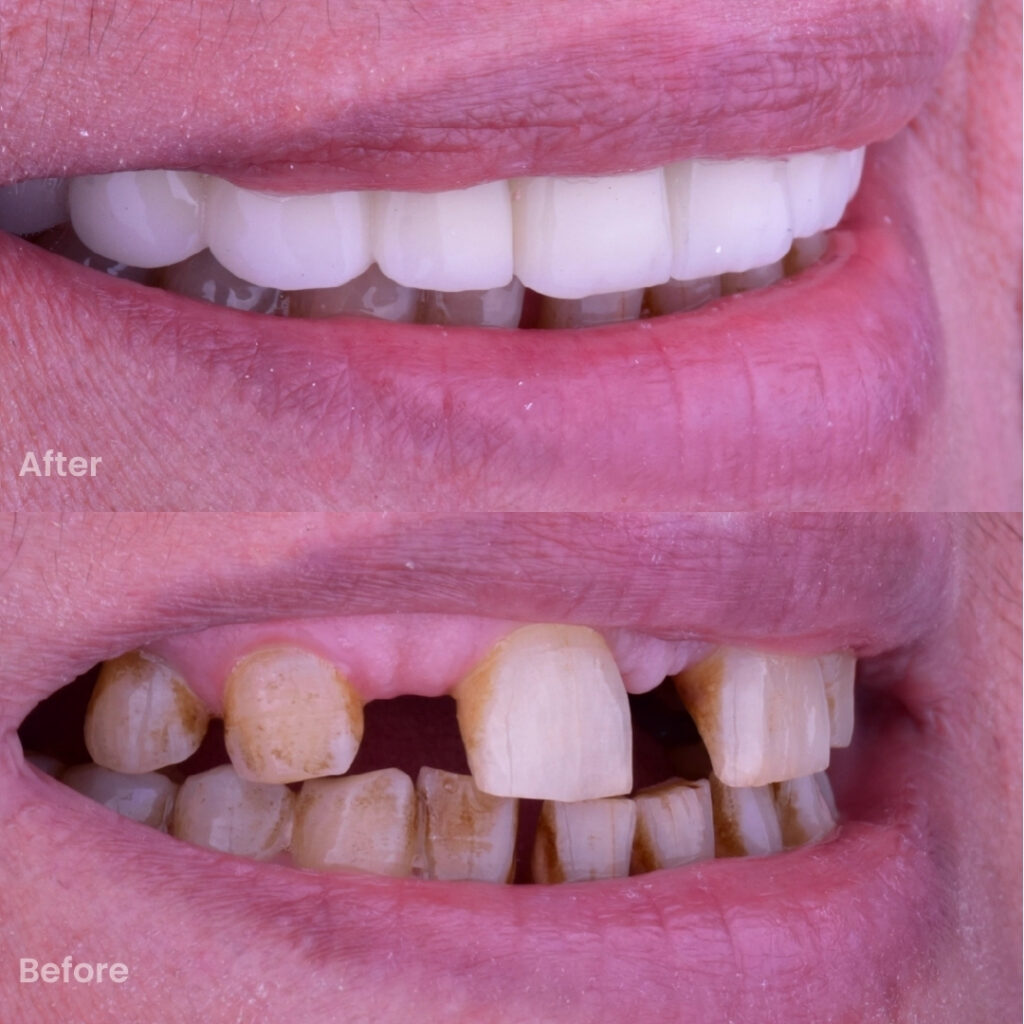
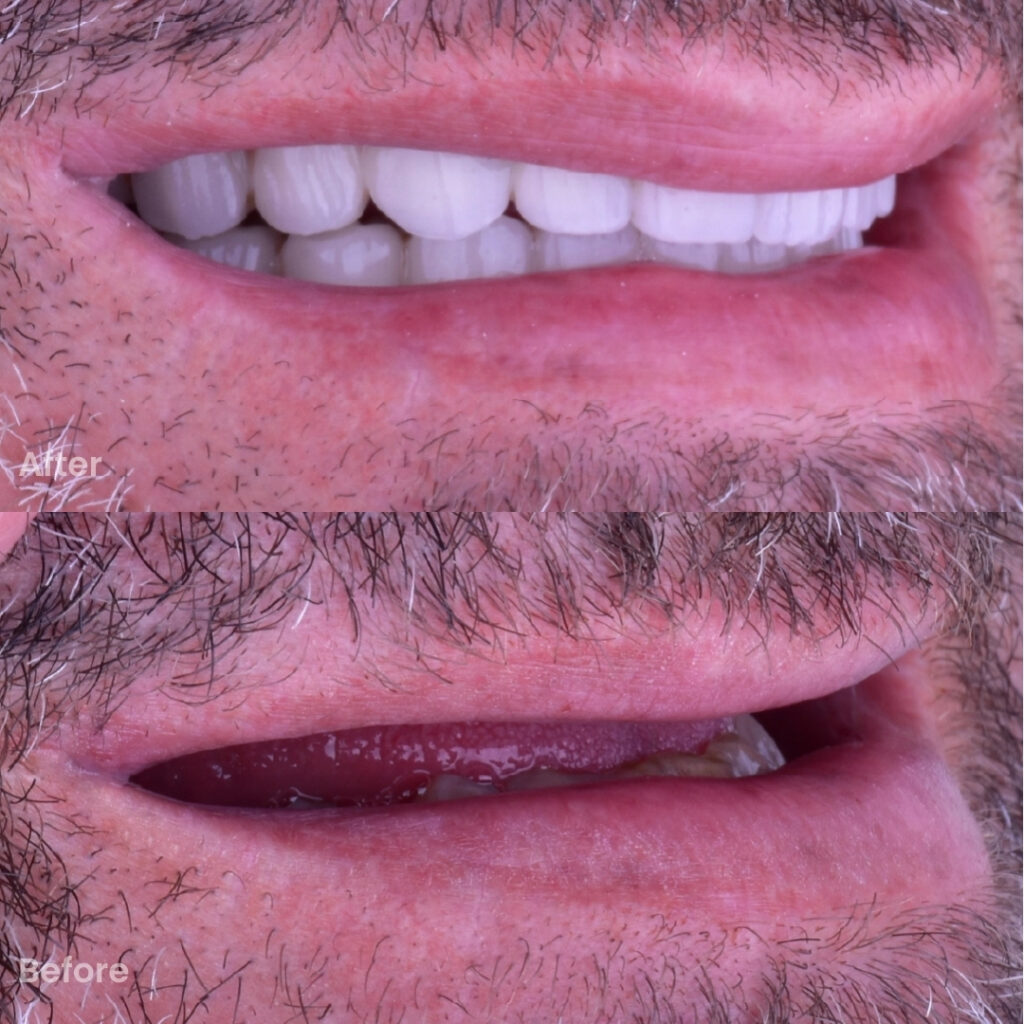
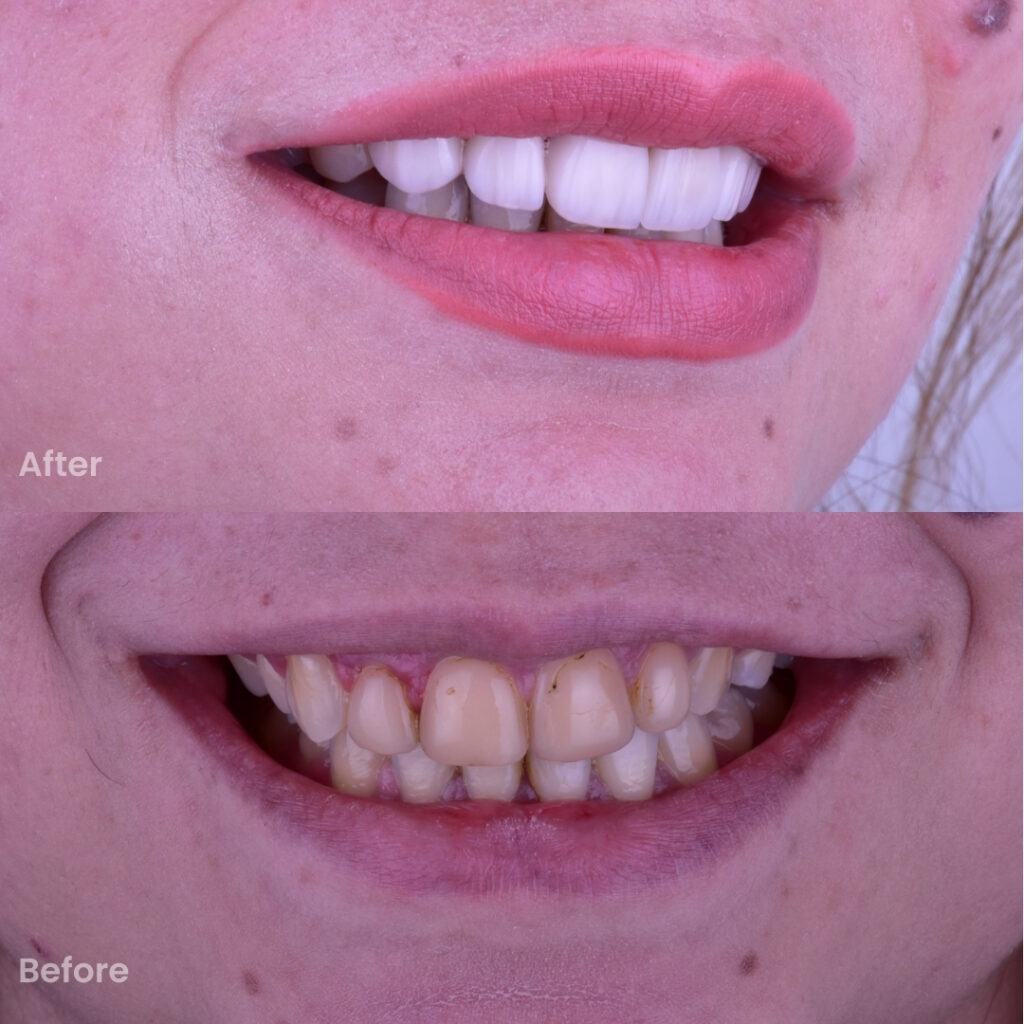
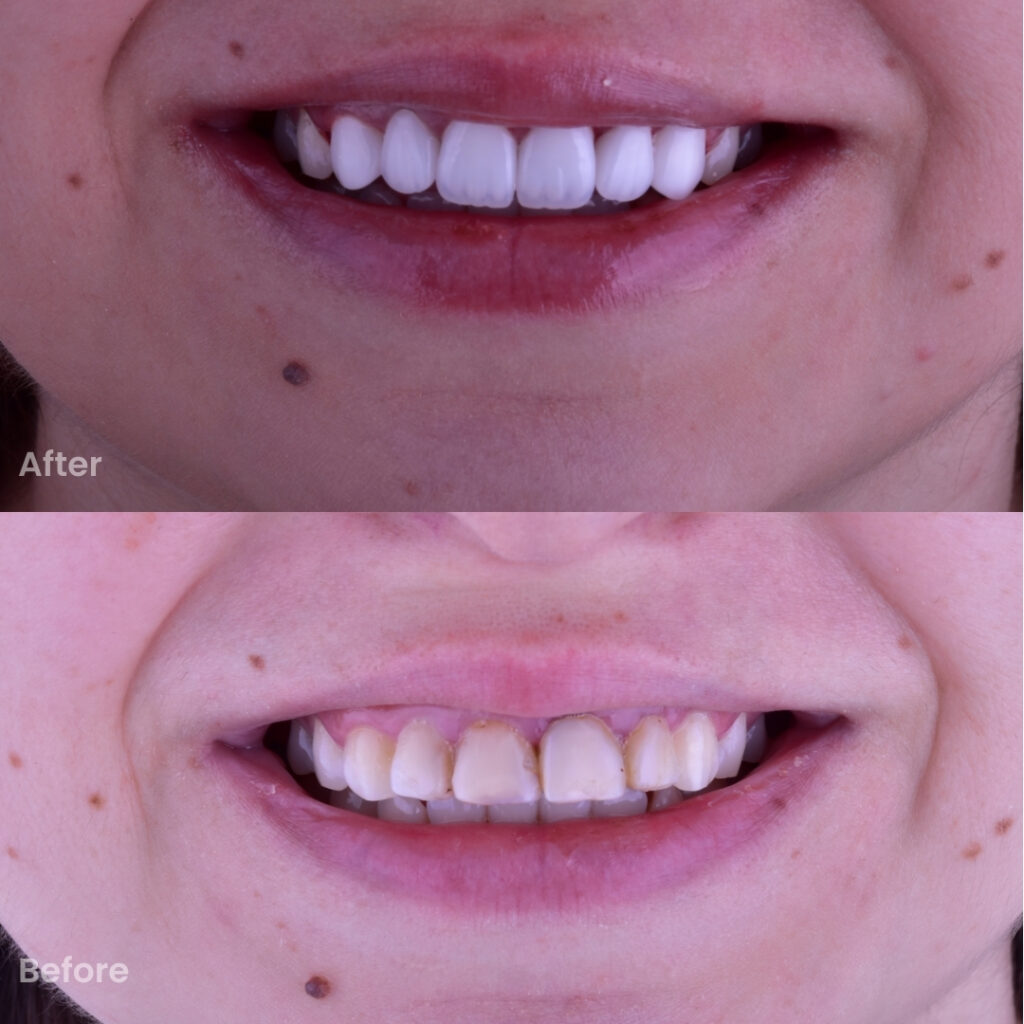
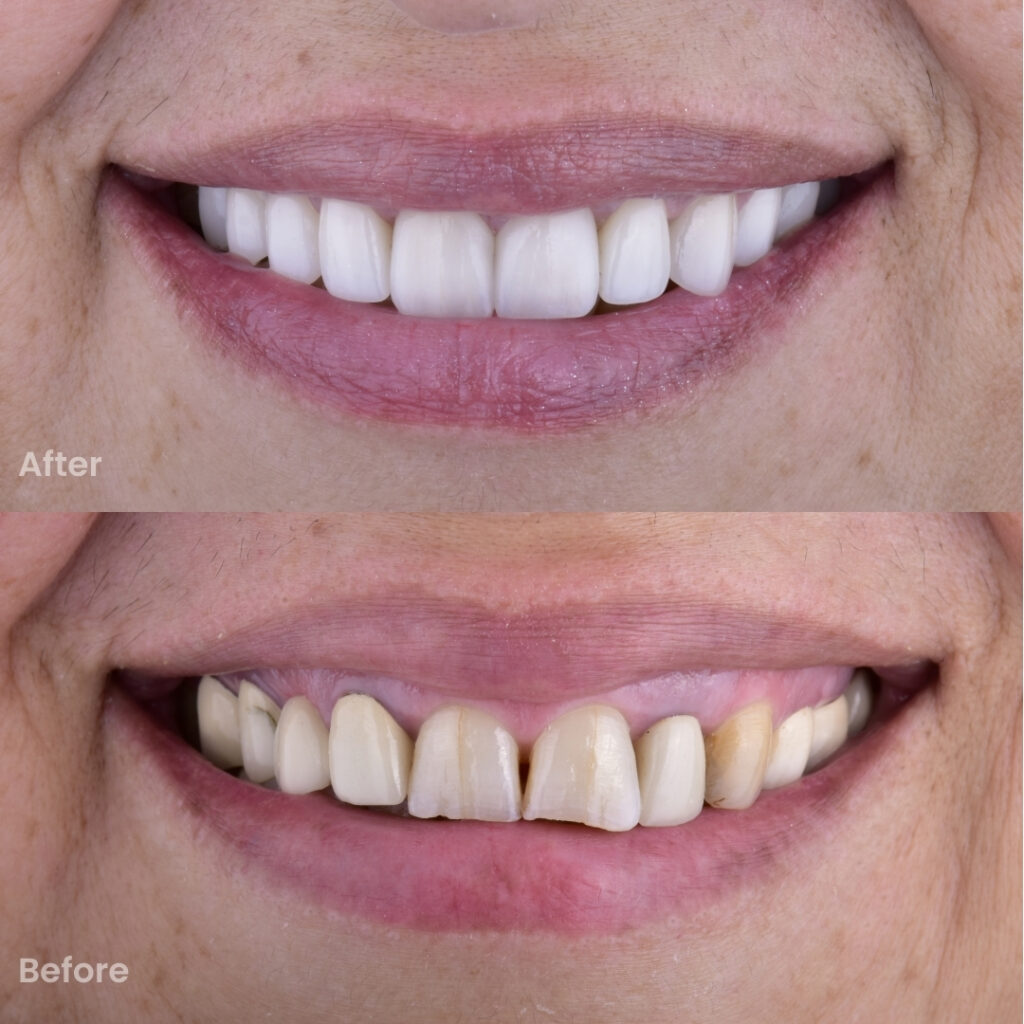
At Dental Clinic Turkey in Kayseri, prosthetic treatment planning begins with an individual assessment of the teeth, gums, jawbone, bite, and existing restorations. The type of dental prosthesis considered depends on the patient’s oral condition, the number and location of missing teeth, and whether natural teeth or dental implants will support the restoration.
What Are Dental Prosthetics?
Dental prosthetics is an area of dentistry concerned with restoring or replacing missing and damaged teeth using different types of dental restorations.
Patients searching online may encounter terms such as dental prosthetics, prosthetic teeth, dental prosthesis, dental prostheses, teeth prosthesis, or tooth prosthesis.
These terms cover a broad range of treatment options rather than one single type of artificial tooth.
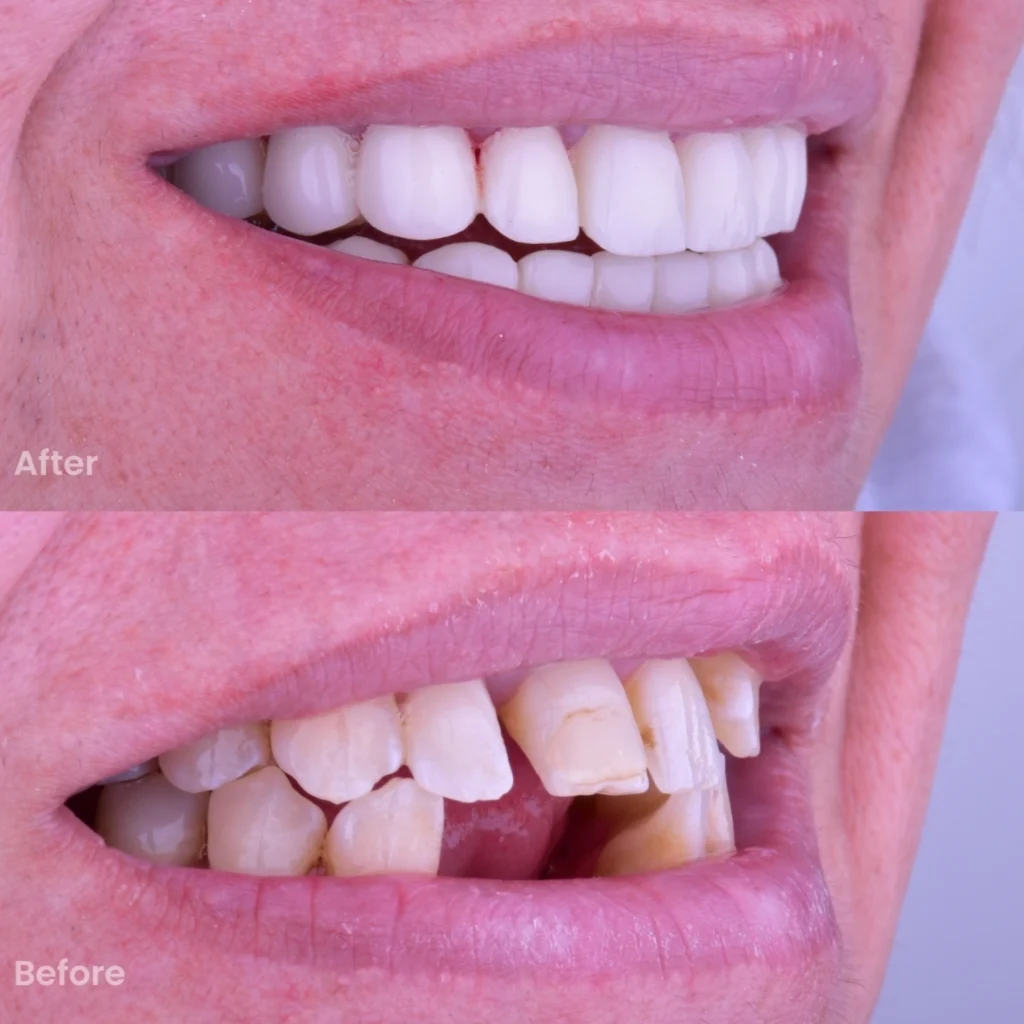
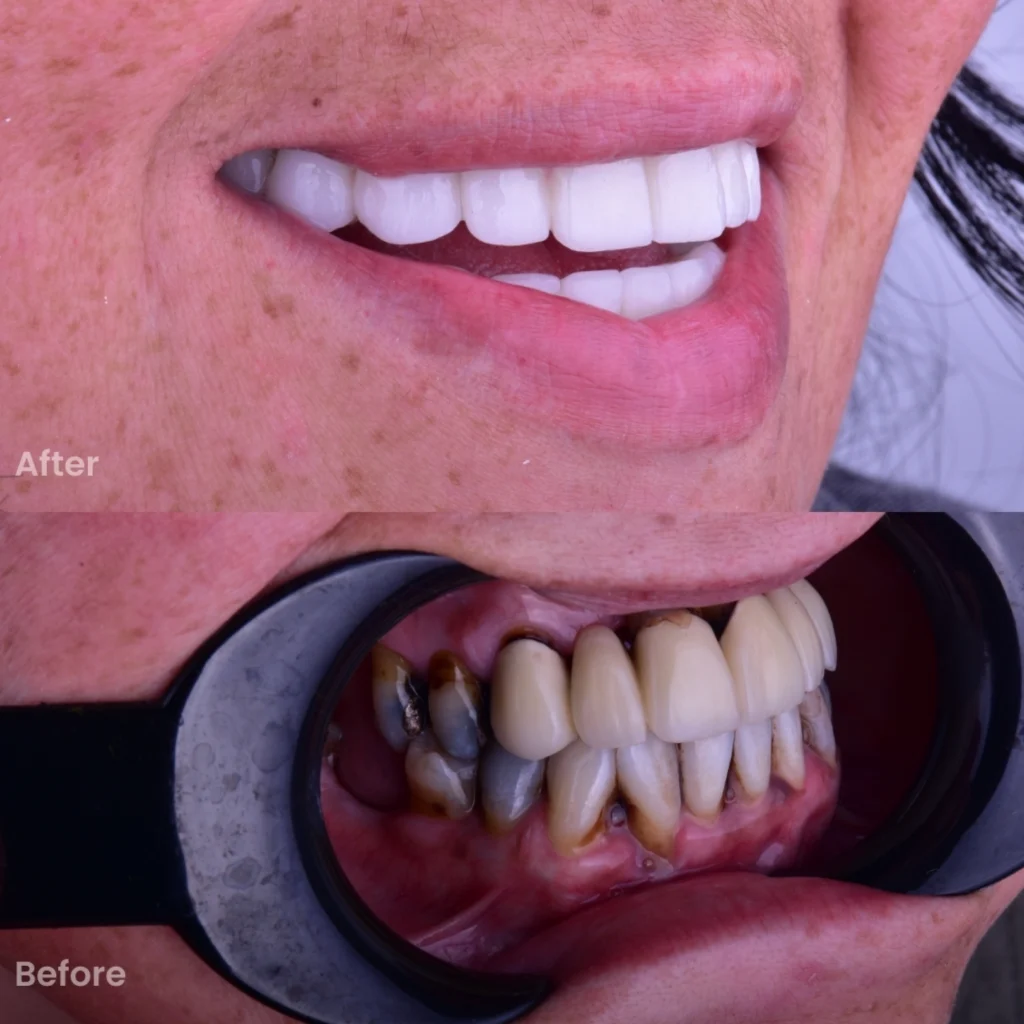
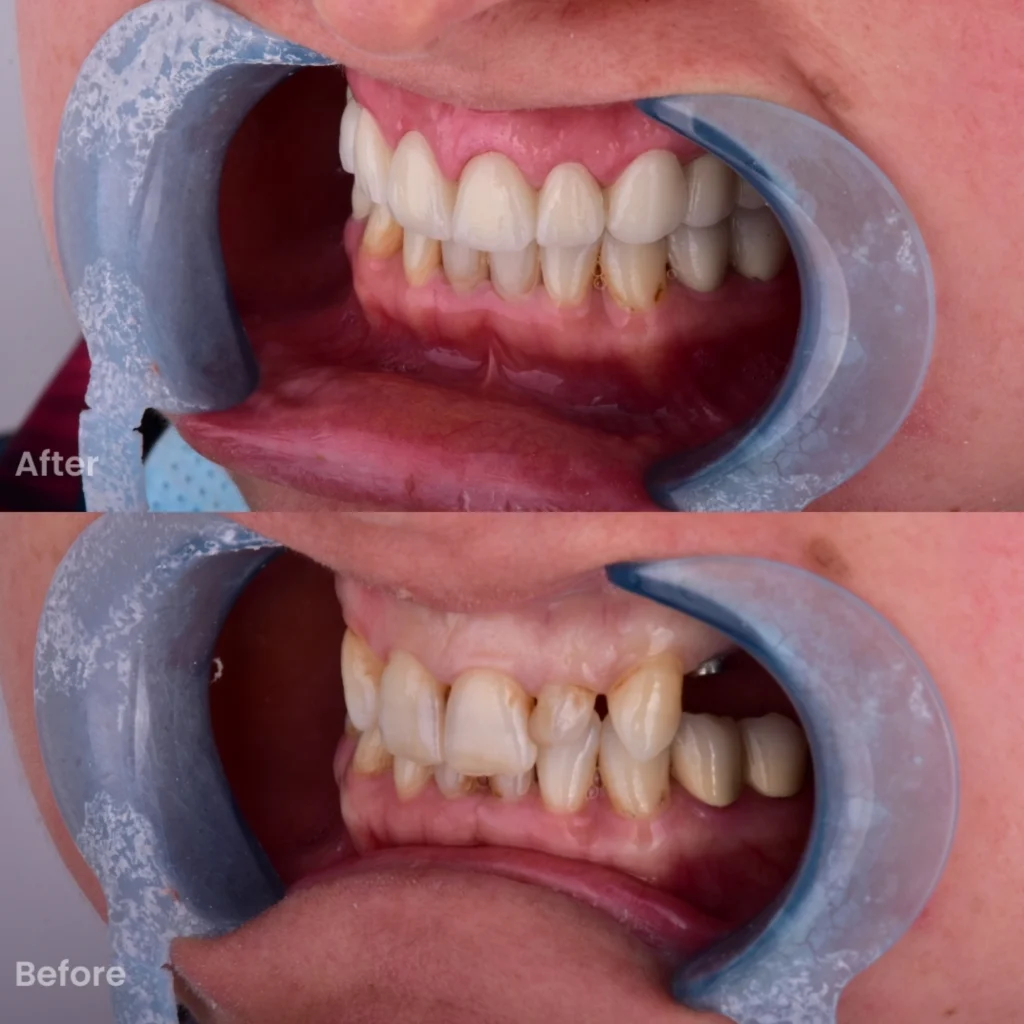
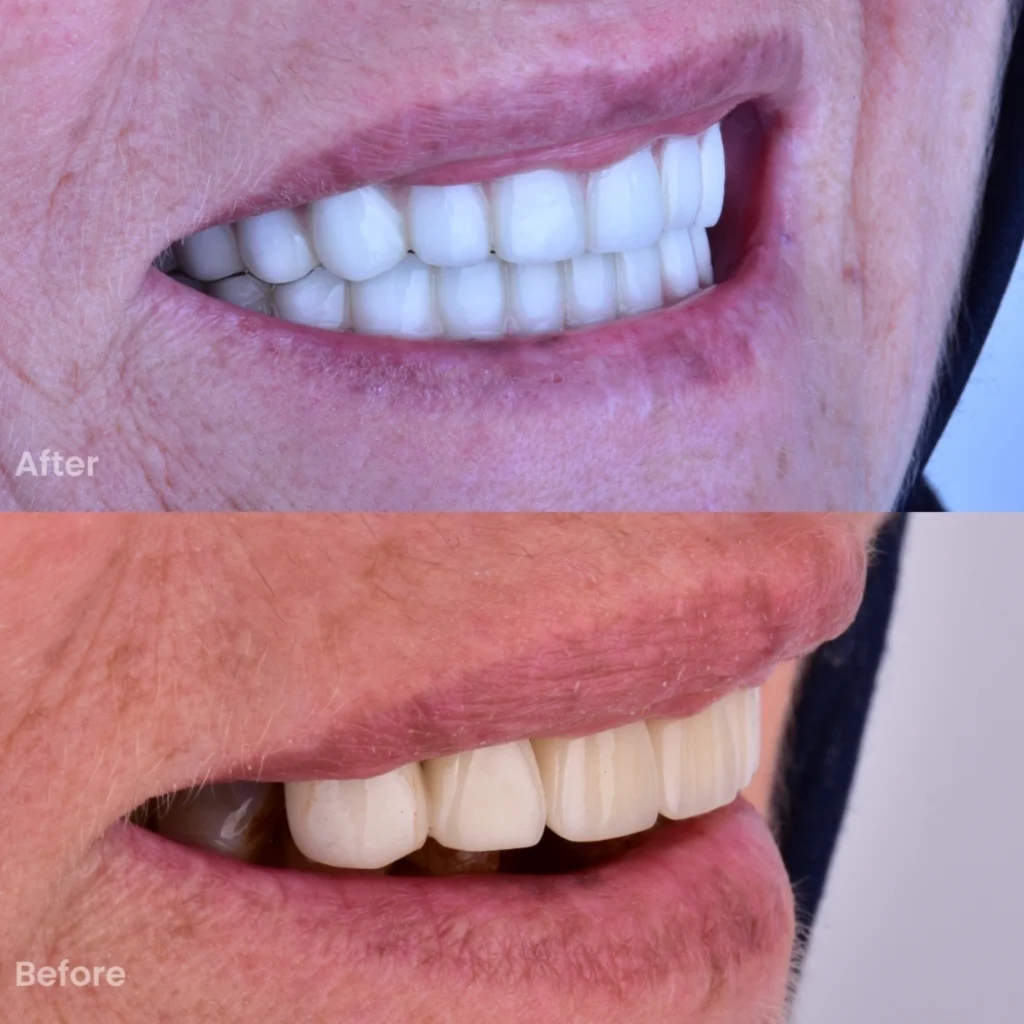
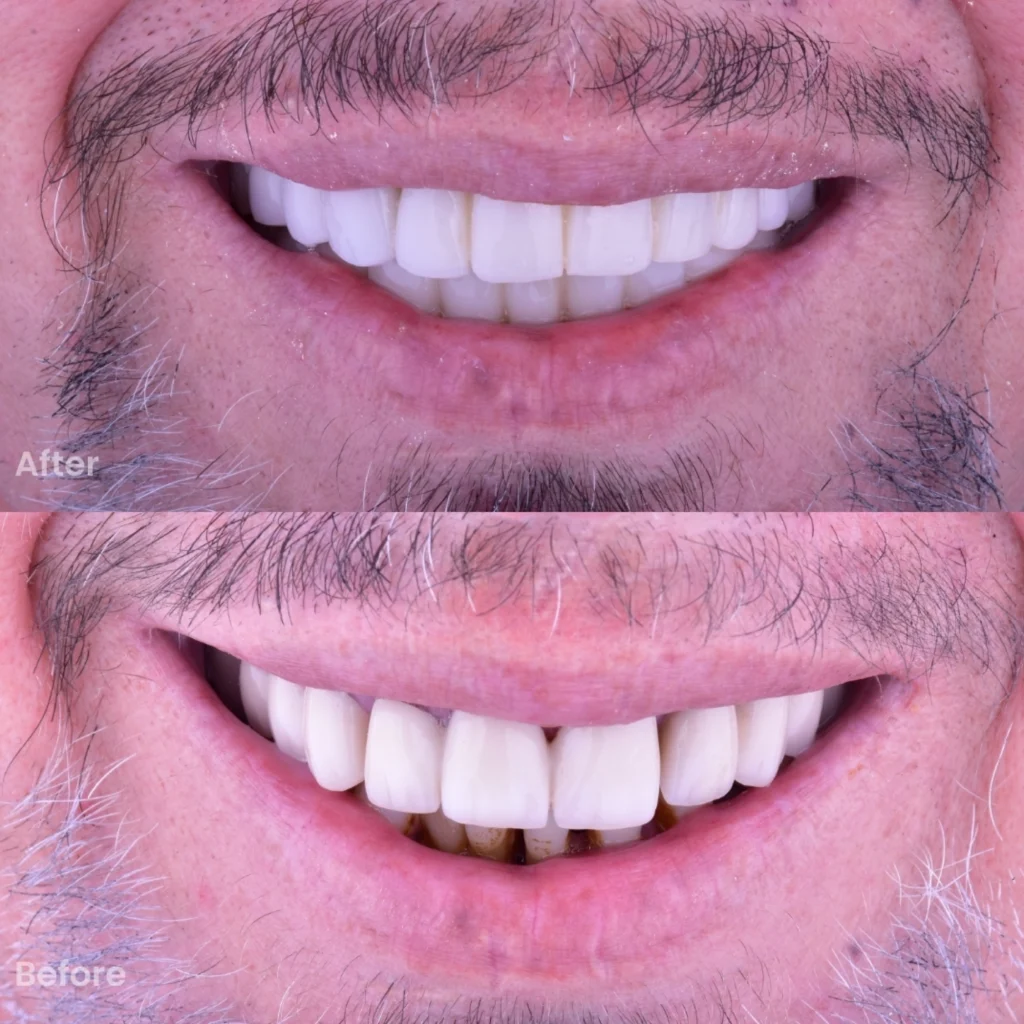
Depending on the clinical situation, dental prosthetics may include complete dentures, partial dentures, fixed restorations, crowns, bridges, and implant-supported prosthetic restorations.
The appropriate option is determined according to the condition of the remaining teeth, gums, jawbone, bite, and overall oral health.
What Is a Dental Prosthesis?
A dental prosthesis is an artificial restoration designed to replace or restore one or more teeth and their associated structures.
The term can refer to both removable and fixed restorations.
For example, a patient who has lost all teeth in one arch may require a different type of mouth prosthesis from someone who has lost only a few teeth.
Likewise, a patient with dental implants may receive a different prosthetic restoration from a patient whose restoration is supported by natural teeth.
This is why there is no single treatment that can simply be described as “prosthetic teeth” for every patient.
A clinical examination is necessary to determine which type of restoration is appropriate.
What Are Prosthetic Teeth?
Prosthetic teeth are artificial teeth used to replace natural teeth that have been lost or cannot be restored.
They may form part of a removable denture, partial denture, bridge, or implant-supported restoration.
The design, material, and support system can vary according to the treatment.
When international patients search for prosthetic teeth in Turkey, they may actually be looking for several different treatments. Some may need removable dentures, while others may be interested in fixed teeth supported by dental implants.
For this reason, determining the patient’s actual treatment need is more important than choosing a prosthesis based only on its name.
What Types of Dental Prostheses Are Available?
Dental prostheses can generally be divided into different categories according to how they are supported and whether the patient can remove them.
The treatment options may include complete dentures, partial dentures, fixed dental restorations, and implant-supported prosthetics.
Each type has different indications.
The number of missing teeth, condition of the remaining teeth, jawbone structure, gum health, bite relationship, and patient-specific requirements should all be evaluated before selecting a treatment.
Complete Dentures
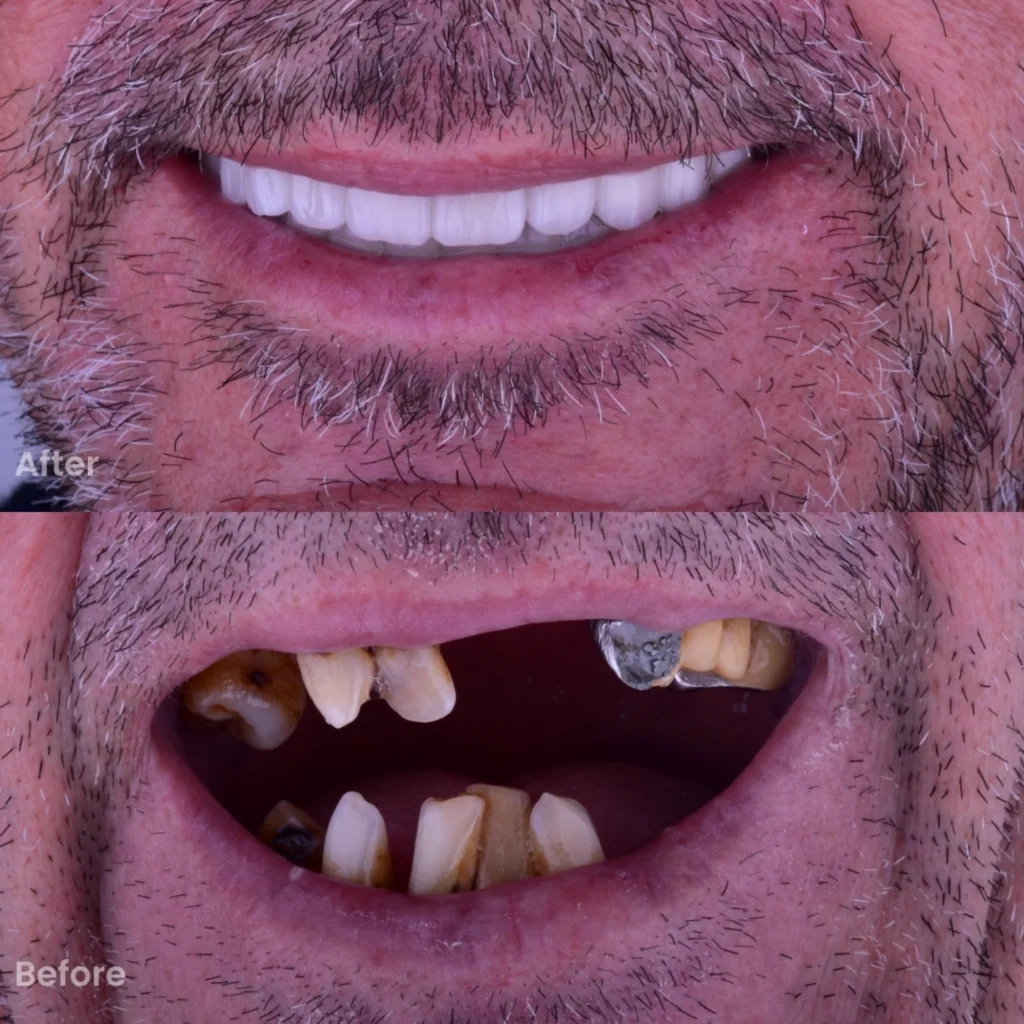
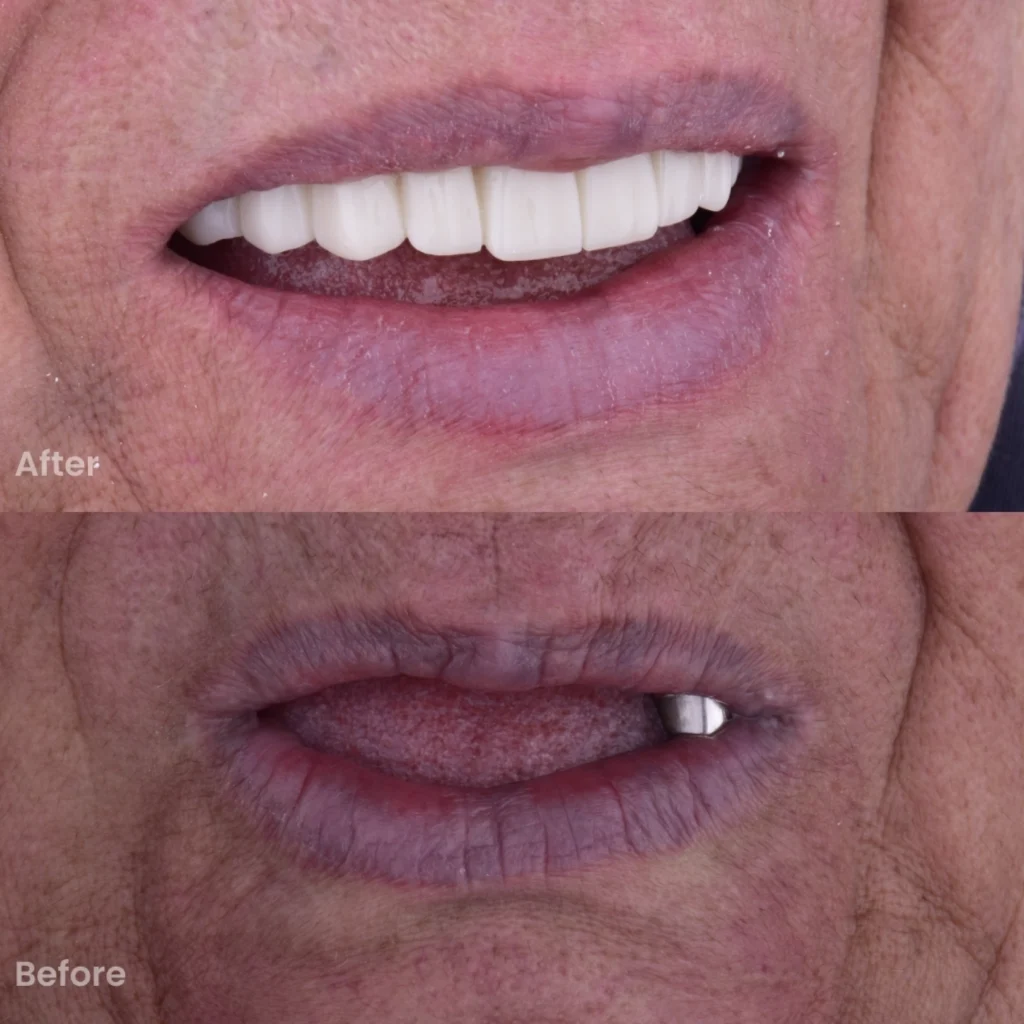
Complete dentures may be considered when all natural teeth in the upper jaw, lower jaw, or both arches are missing.
These restorations are commonly referred to as full dentures or complete dentures.
Traditional complete dentures are removable. Their fit and function depend on several factors, including the shape of the jaw, oral tissues, saliva, muscle control, and the design of the prosthesis.
Patients researching dentures in Turkey should understand that complete dentures are different from fixed implant-supported teeth.
Both may replace a full arch of missing teeth, but their support systems and treatment processes are different.
Partial Dentures
Partial dentures are designed for patients who still have some natural teeth.
A partial denture replaces selected missing teeth while using the remaining oral structures for support and stability.
Different designs and materials may be considered according to the location of the missing teeth and the condition of the remaining teeth.
Patients may also encounter terms such as flexible partial dentures when researching their options.
A flexible denture is not automatically appropriate for every patient. The condition of the remaining teeth, bite, gums, and missing tooth areas should first be assessed.
Flexible Dentures
Flexible dentures are another term frequently encountered by patients researching removable dental prosthetics.
They are made using flexible materials rather than the more rigid materials used in some conventional removable dentures.
The suitability of flexible dentures depends on the clinical situation.
Although patients may be interested in them because of their design or appearance, treatment selection should consider function, support, maintenance, oral anatomy, and long-term treatment requirements.
For this reason, flexible dentures in Turkey should be evaluated as one possible prosthetic option rather than a universal alternative for every missing tooth situation.
Temporary Dentures
Temporary dentures may be used during certain stages of dental treatment.
For example, when teeth need to be extracted or when a patient is undergoing a longer restorative or implant treatment process, a temporary prosthesis may sometimes be considered.
The purpose of a temporary restoration is different from that of a definitive dental prosthesis.
Temporary dentures may be used during a transitional period while tissues heal or while another treatment stage is being completed.
International patients considering dental treatment in Turkey should ask whether the prosthesis included in their treatment plan is temporary or definitive.
This distinction can be especially important when travel and multiple treatment stages are involved.
Permanent Dentures: What Does the Term Mean?
Permanent dentures is a phrase commonly used by patients online, but it can have different meanings.
Some people use the term when referring to a definitive removable denture. Others use it to describe fixed implant-supported teeth that cannot be removed by the patient.
Because of this difference, the term “permanent dentures” should be clarified during treatment planning.
Patients searching for permanent dentures in Turkey should ask whether the proposed restoration is removable, fixed, supported by natural teeth, or supported by dental implants.
Understanding the type of prosthesis is more useful than relying on the word “permanent” alone.
Fixed Dental Prosthetics
Fixed dental prosthetics include restorations that are designed to remain in the mouth rather than being removed by the patient during everyday use.
Depending on the individual treatment plan, fixed prosthetic dentistry may involve crowns, bridges, or implant-supported restorations.
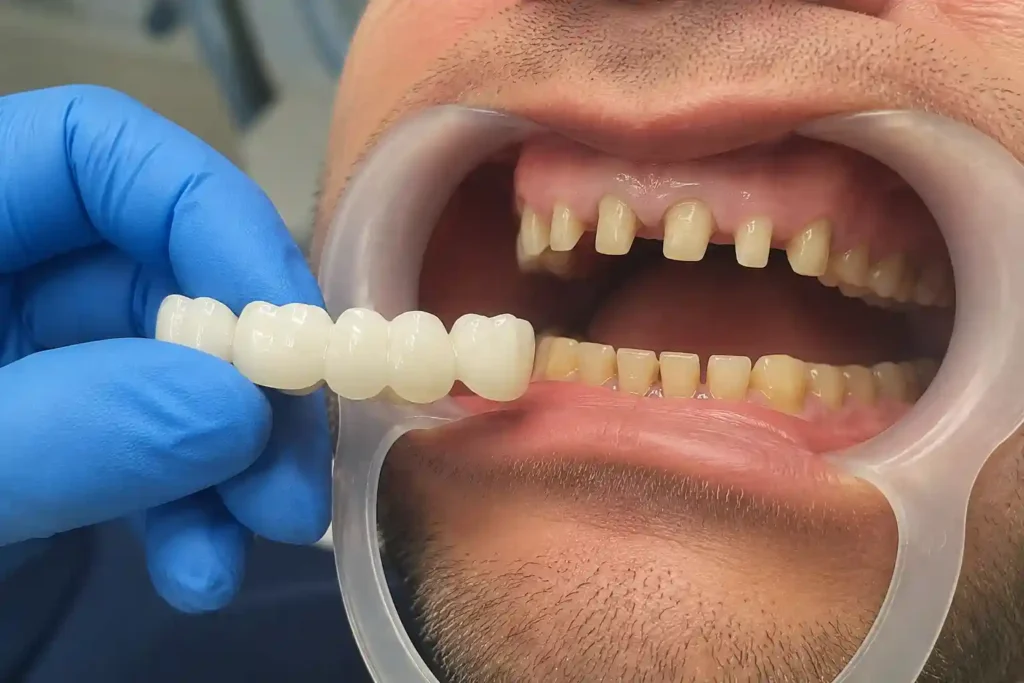
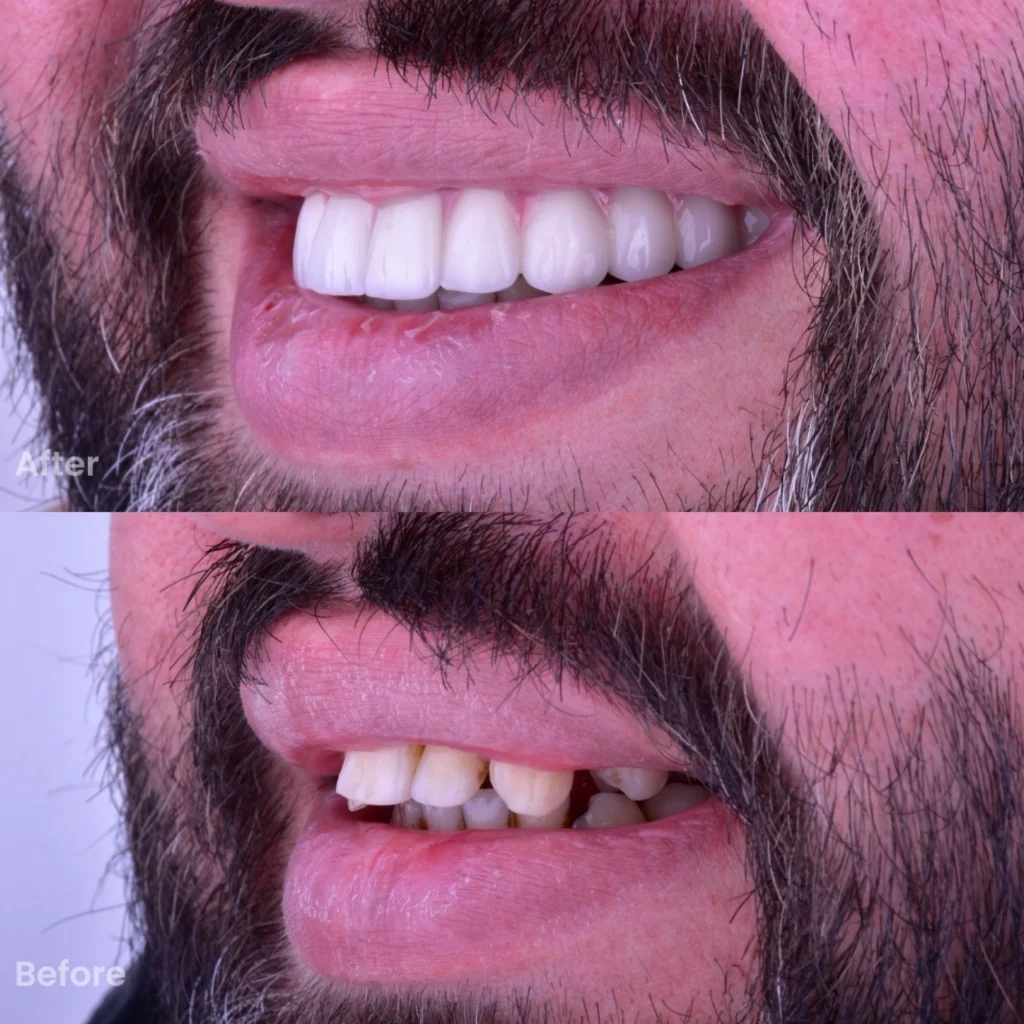
For patients with one or more missing teeth, a fixed bridge may be considered in certain cases. In other cases, dental implants may be evaluated as a way to support a fixed restoration.
The condition of neighboring teeth, available bone, gum health, bite, and overall treatment needs can influence the decision.
Fixed dental prosthetics should therefore be planned according to the complete oral condition rather than focusing only on the missing tooth.
What Are Implant-Supported Prosthetics?
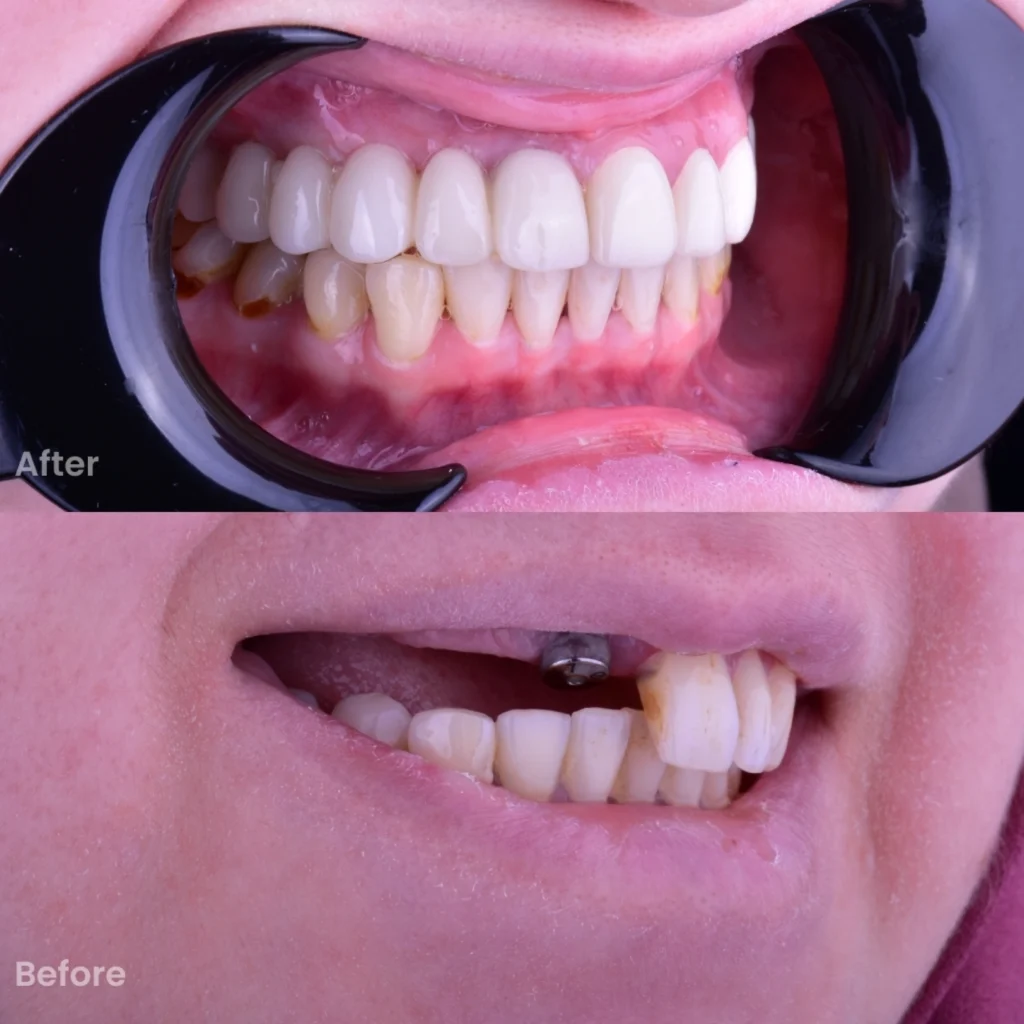
Implant-supported prosthetics are restorations that receive support from dental implants placed in the jawbone.
They may be used for individual missing teeth, several missing teeth, or more extensive tooth loss depending on the treatment plan.
An implant-supported restoration may involve a single crown, an implant-supported bridge, or a larger prosthetic restoration replacing multiple teeth.
For patients with extensive tooth loss, multiple implants may sometimes be used to support a full-arch restoration.
The number of implants required is not the same for every patient.
Jawbone anatomy, number of missing teeth, implant positions, bite forces, planned prosthesis, and other clinical factors should be evaluated individually.
Implant-Supported Prosthetics vs Traditional Dentures
Traditional removable dentures and implant-supported prosthetics replace missing teeth in different ways.
A conventional removable denture primarily receives support from oral tissues and the underlying structures.
An implant-supported prosthesis uses dental implants as part of its support system.
Implant-supported restorations themselves can also differ. Some may be removable, while others may be fixed.
Therefore, the phrase implant-supported prosthetics does not describe one standard treatment.
For international patients researching prosthetic dental treatment in Turkey, understanding whether the planned restoration is fixed or removable is an important part of comparing treatment options.
Dental Implants and Prosthetic Teeth
Dental implants and prosthetic teeth are related, but they are not the same thing.
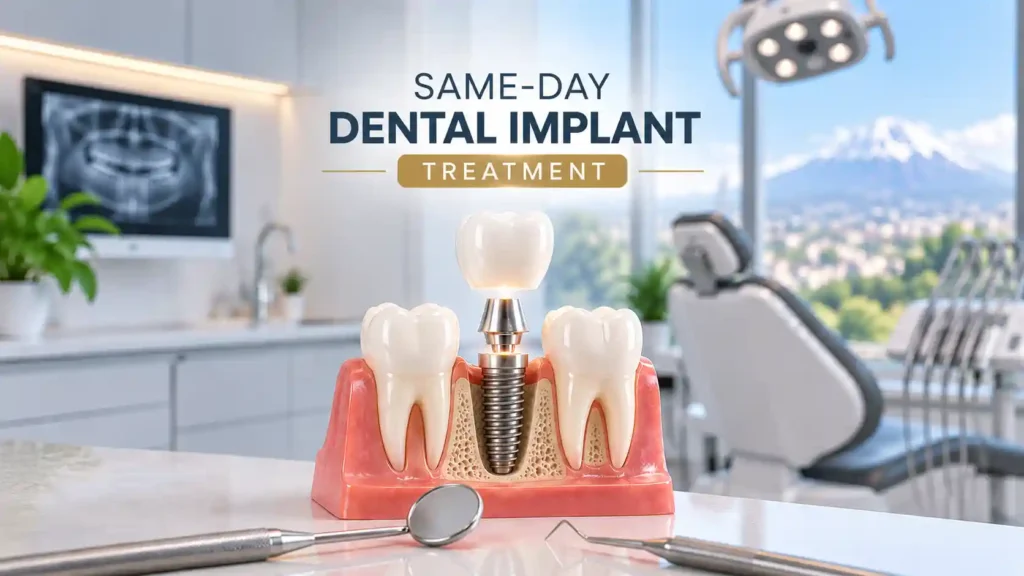
A dental implant is placed in the jawbone and can serve as a foundation for a prosthetic restoration.
The visible tooth or teeth are provided by the prosthetic component attached to the implant system.
This distinction is particularly important when patients are considering full-mouth treatment.
Receiving dental implants does not automatically mean that the final prosthetic restoration is completed at the same time. Implant healing and prosthetic stages may take place at different times depending on the treatment protocol.
What Materials Are Used for Dental Prosthetics?
Dental prostheses can be produced using different dental materials.
The material selected depends on the type and location of the restoration, how it will be supported, functional requirements, bite forces, and other clinical considerations.
Different materials may also be used for the framework and visible tooth portions of a prosthesis.
There is no single dental material that is automatically suitable for every patient or every type of restoration.
Material selection should therefore be part of the overall prosthetic treatment plan rather than considered independently.
Dental Prosthetics and Aesthetics
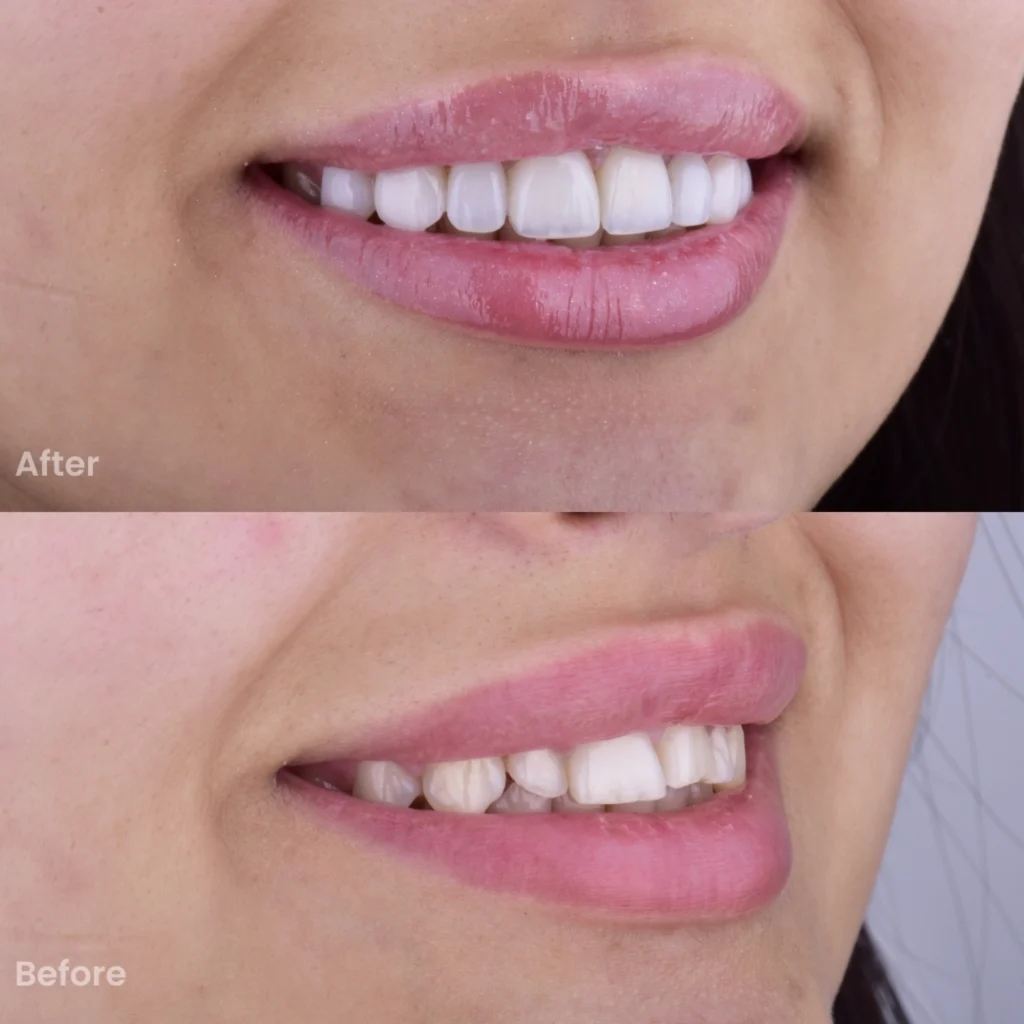
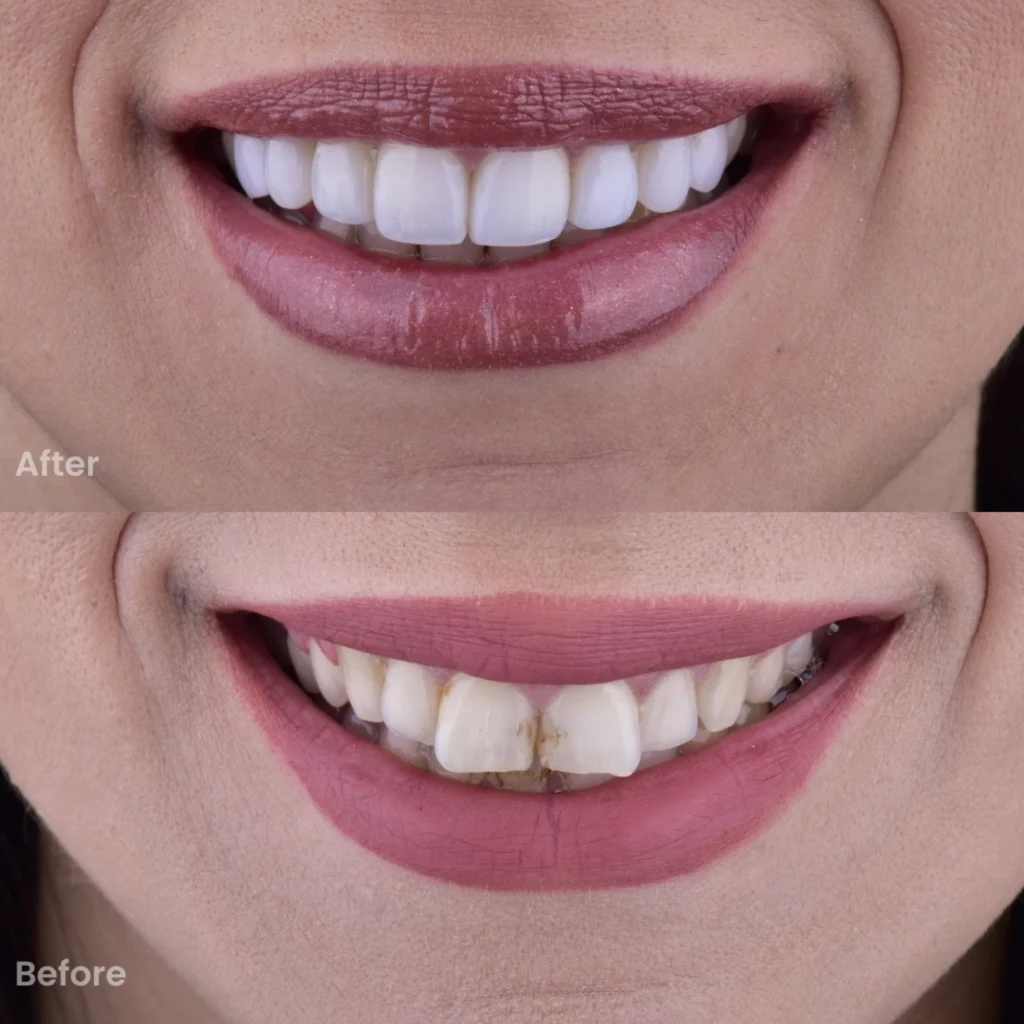
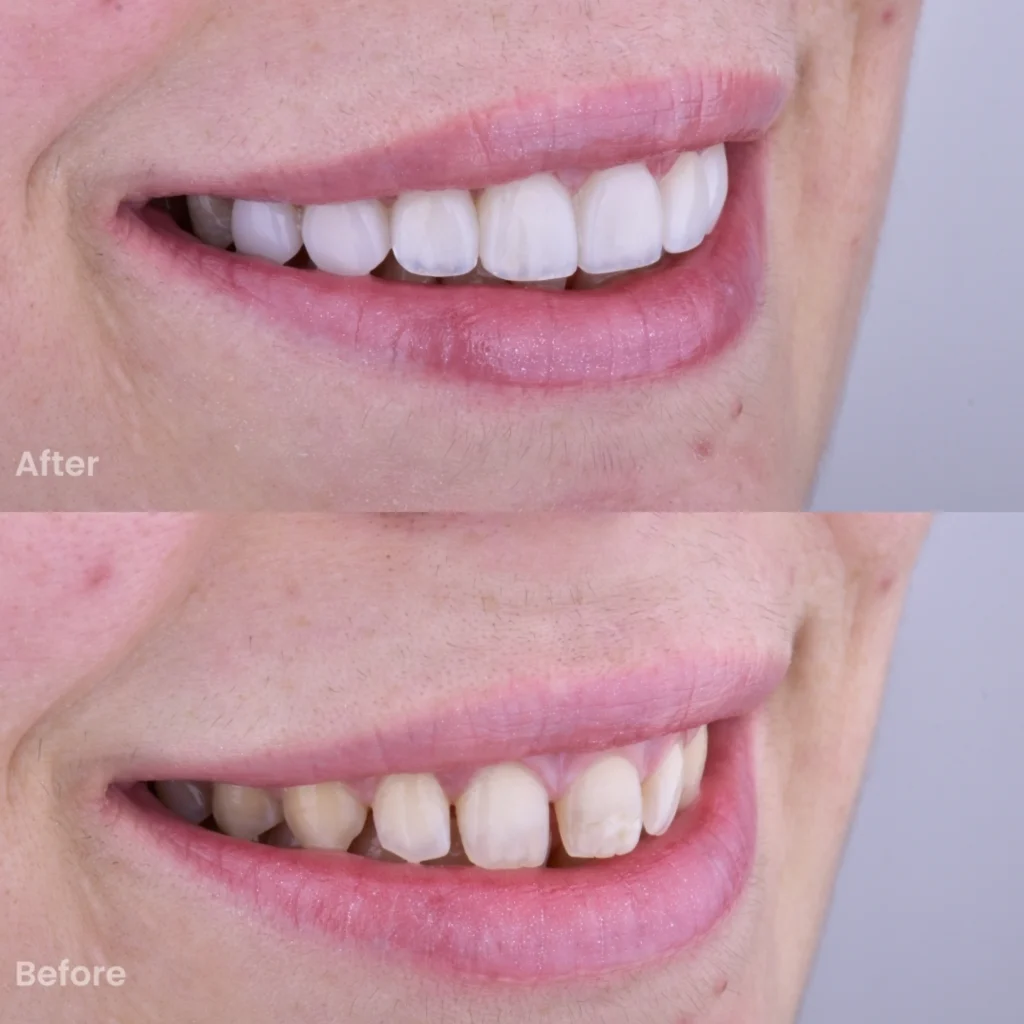
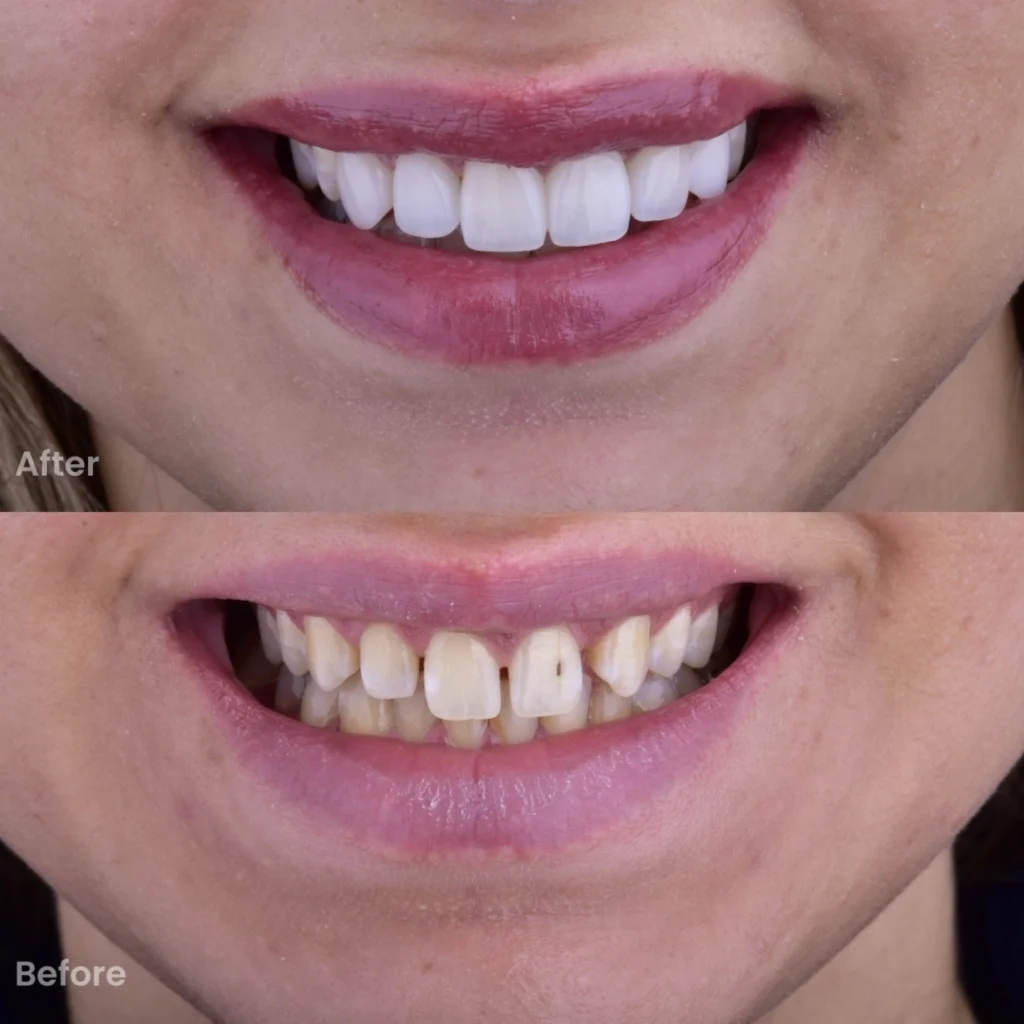
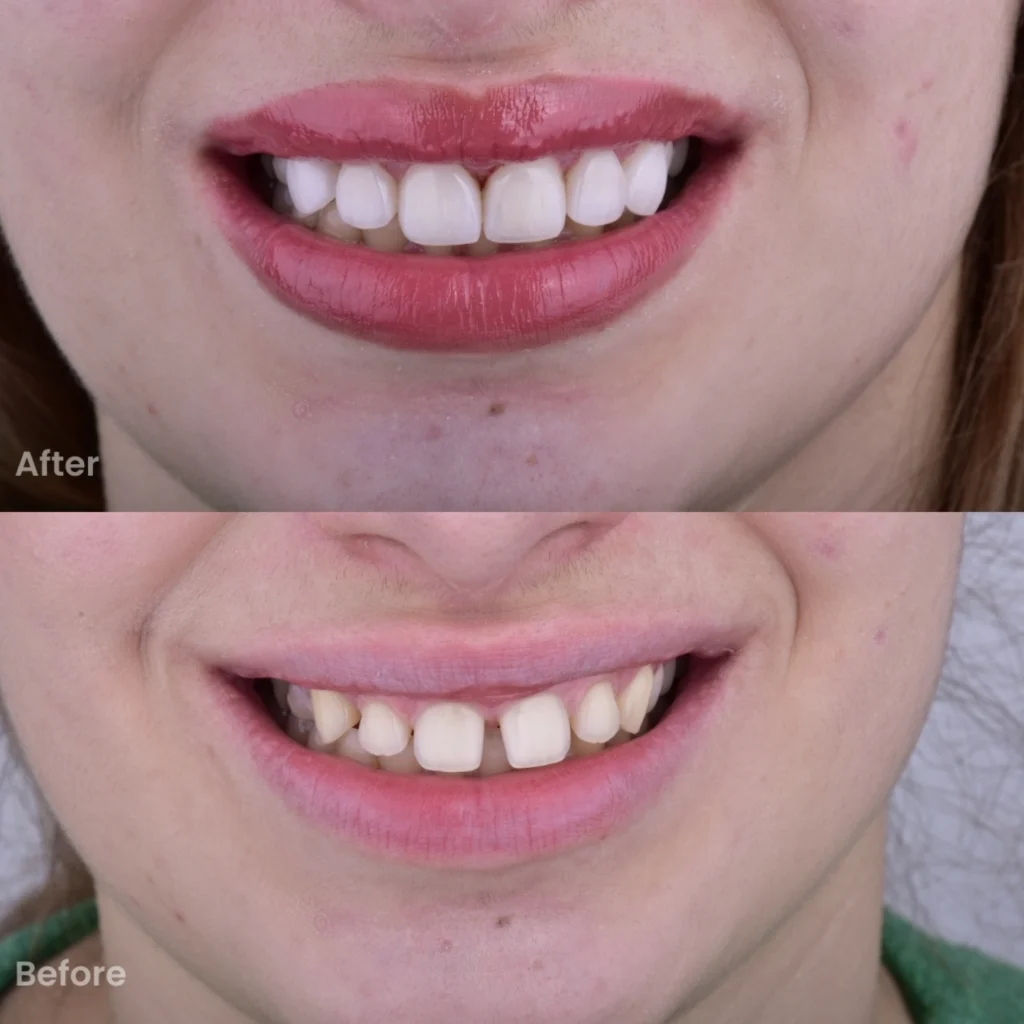
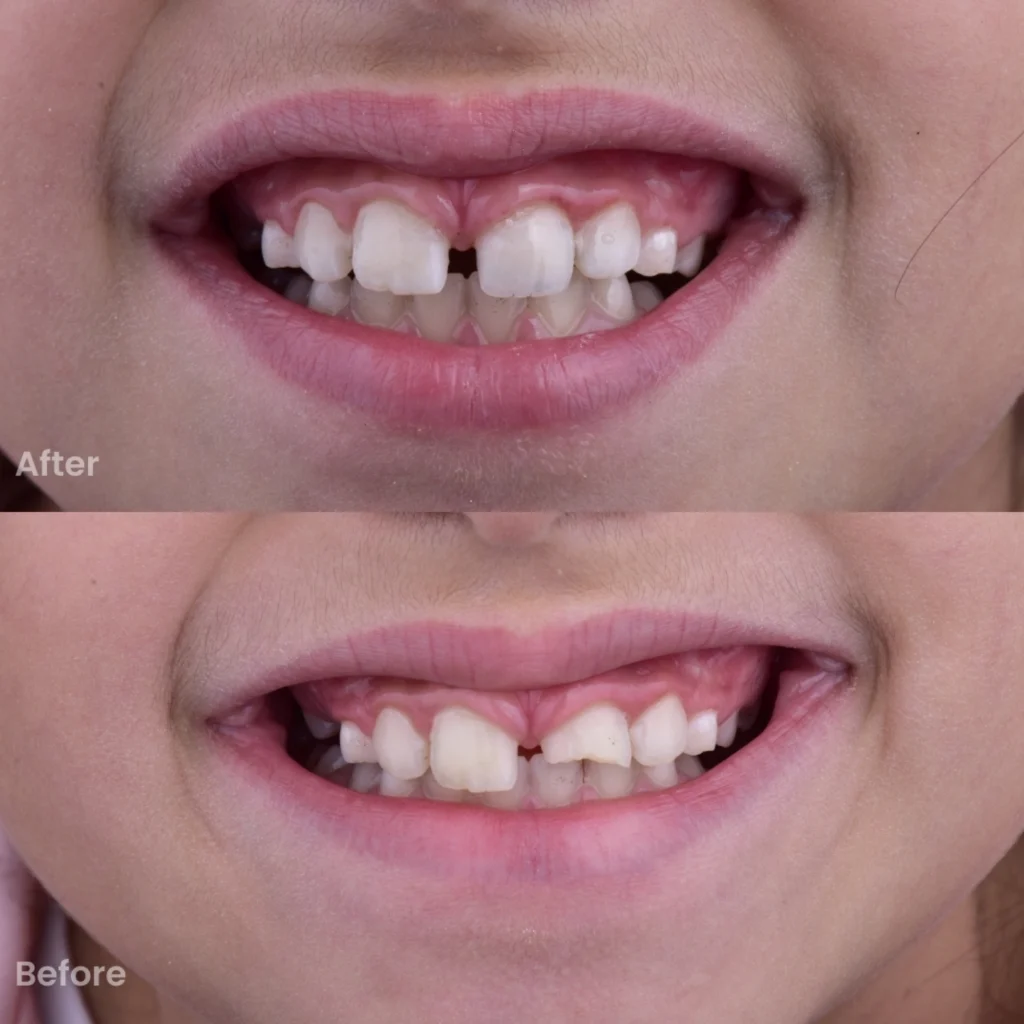
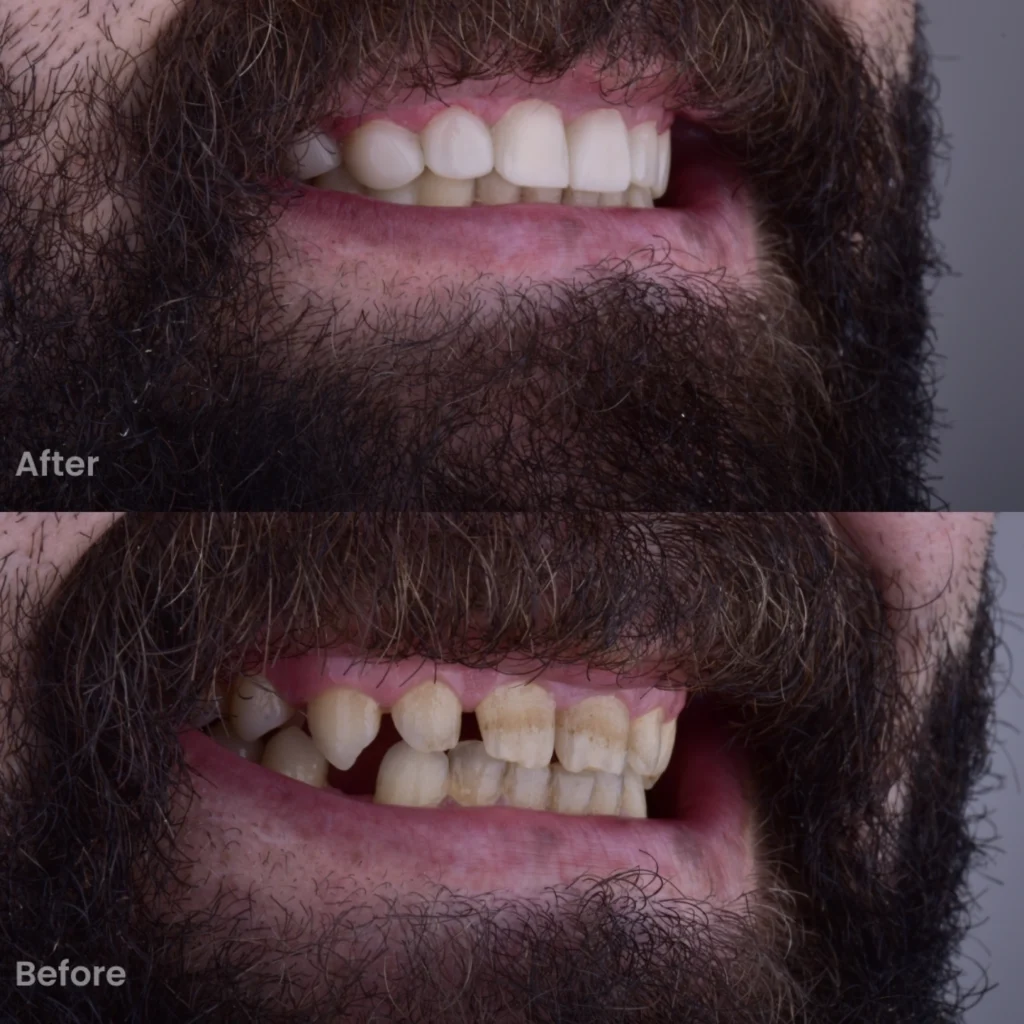
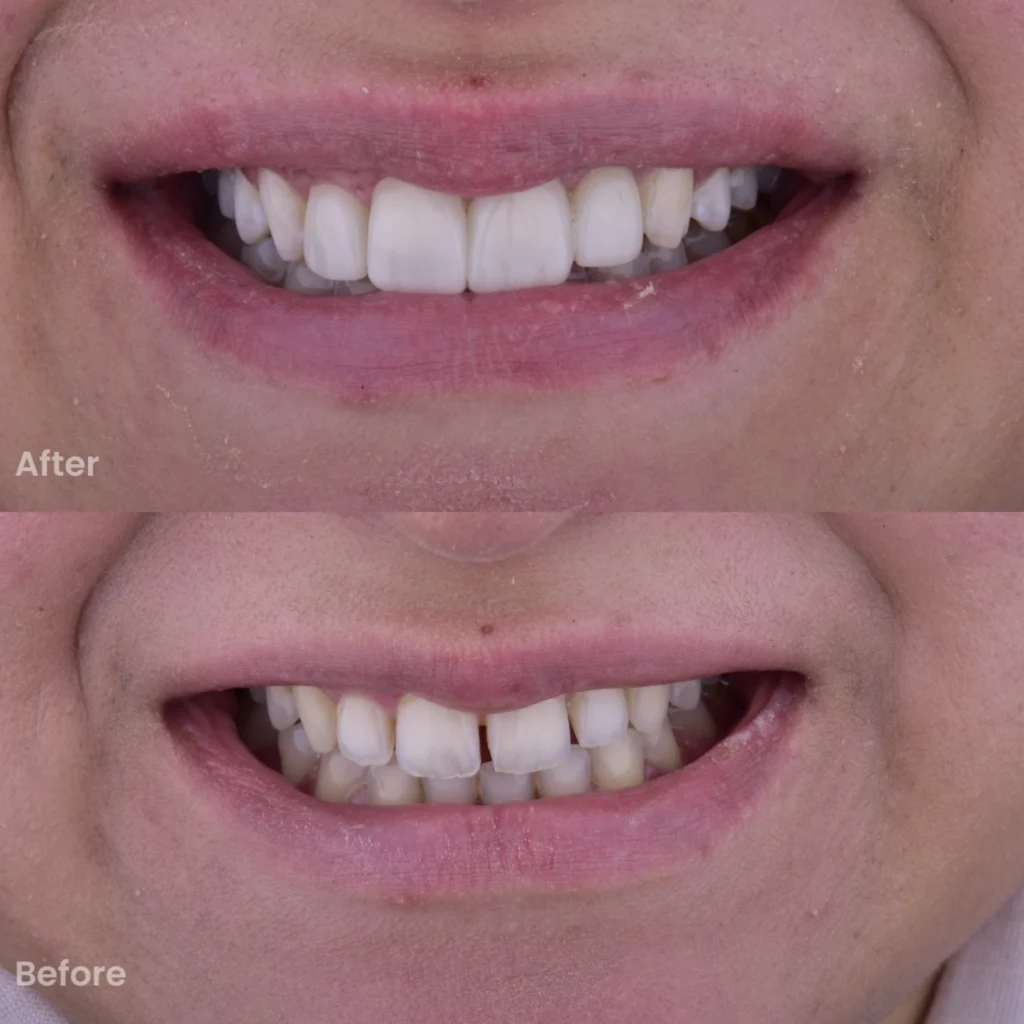
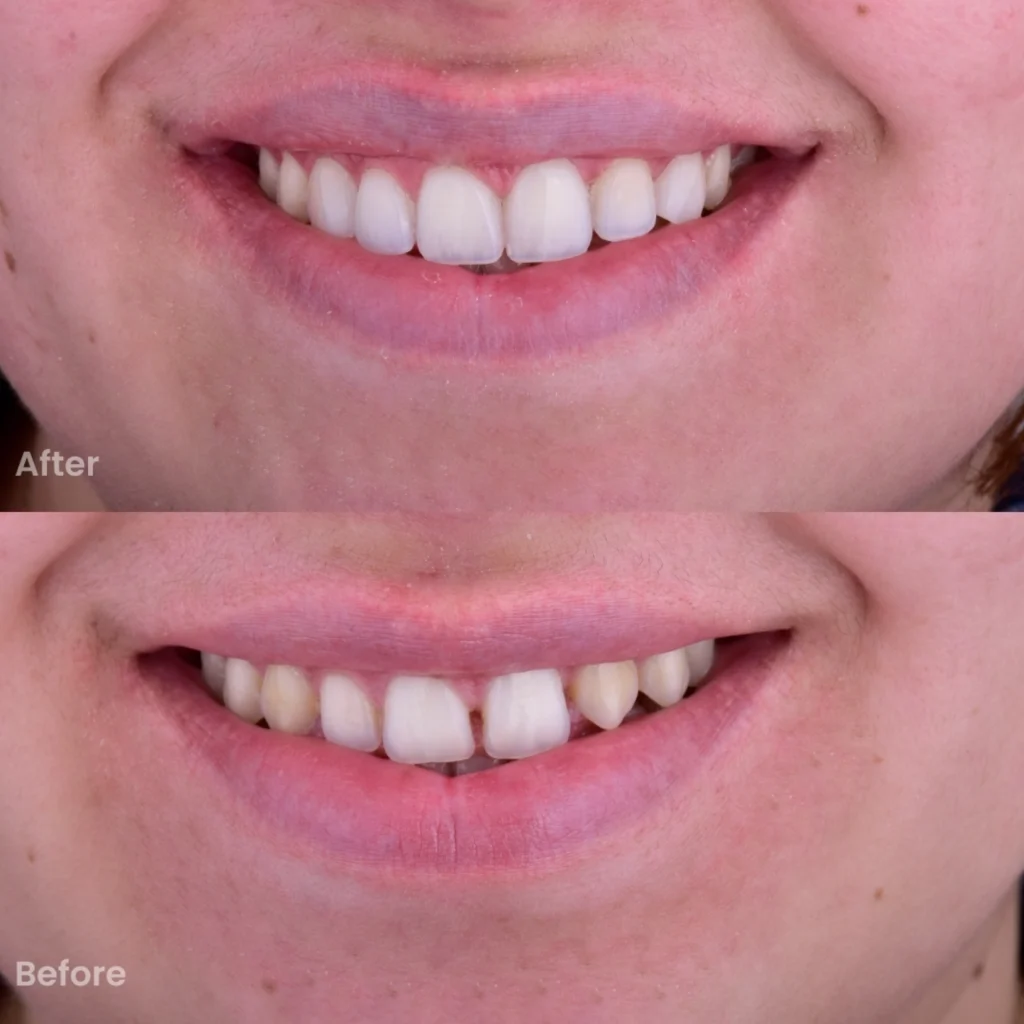
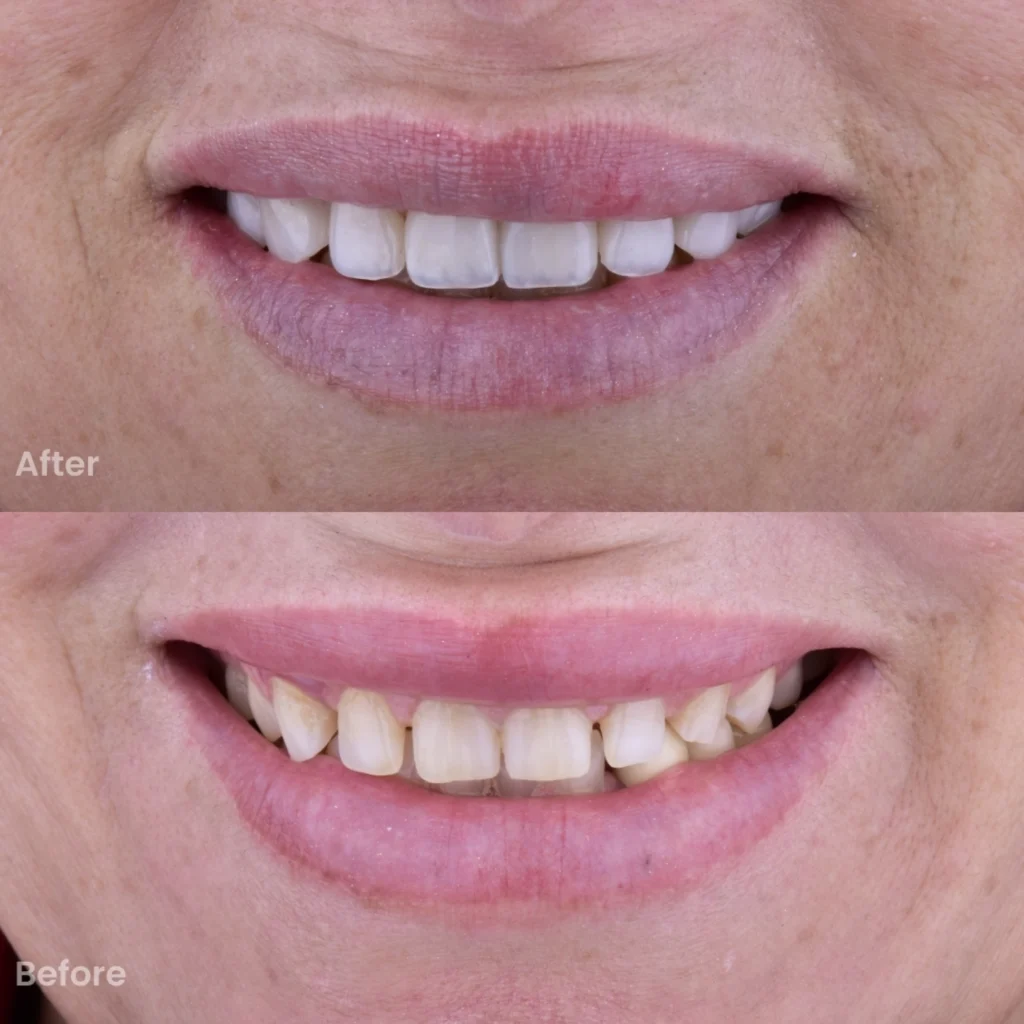
The appearance of prosthetic teeth is an important consideration for many patients, particularly when restorations involve visible areas of the smile.
However, dental prosthetics involves more than tooth color.
The size, shape, position, and relationship of the teeth with the gums and bite should also be considered.
For removable and fixed restorations, treatment planning may take into account facial proportions, lip support, existing teeth, tooth position, and functional requirements.
The objective of prosthetic planning is therefore not simply to produce very white or uniform teeth, but to develop a restoration according to the patient’s individual oral and facial characteristics.
How Are Dental Prosthetics Planned?
Prosthetic treatment begins with an assessment of the patient’s oral condition.
The dentist may evaluate existing teeth, missing teeth, old restorations, gums, bite, jaw relationships, and bone structure when relevant.
Radiographic imaging and digital records may also be required depending on the planned treatment.
If dental implants are being considered, the available jawbone and implant positions become additional parts of the treatment plan.
In more extensive cases, treatment may involve several stages.
Existing teeth may first need treatment or extraction. Gum treatment, restorative procedures, dental implants, temporary prostheses, or other procedures may also be required before the definitive dental prosthesis is completed.
How Long Does Prosthetic Dental Treatment Take?
There is no single treatment duration for all dental prosthetics.
A removable partial denture, complete denture, fixed bridge, and implant-supported full-mouth restoration involve different procedures and timelines.
The duration may also depend on whether existing teeth require treatment, extractions are needed, implants are planned, or healing periods are necessary.
For international patients travelling for dental prosthetics in Turkey, understanding the treatment stages before arranging travel is important.
Some treatments may be completed during one visit, while others may require healing and additional appointments.
Dental Prosthetics in Turkey
International patients researching dental treatment abroad may encounter searches such as dental prosthetics in Turkey, dental prosthesis Turkey, prosthetic teeth Turkey, dentures in Turkey, and dental prostheses Turkey.
However, choosing a treatment should involve more than selecting a country or comparing a single price.
The first step should be determining which type of dental prosthesis is clinically appropriate.
A patient with a few missing teeth has different treatment needs from someone who has lost all teeth. Likewise, a patient with sufficient jawbone for dental implants may have different treatment possibilities from someone who requires additional surgical procedures.
At Dental Clinic Turkey, prosthetic treatment is planned according to individual oral and dental findings.
Dental Prosthetics in Kayseri, Turkey
Kayseri is another location that international patients may encounter when researching dental treatment in Turkey.
Searches such as dental prosthetics in Kayseri, prosthetic teeth in Kayseri Turkey, dentures in Kayseri, or dental prosthesis in Kayseri may be used by patients exploring treatment options.
At Dental Clinic Turkey in Kayseri, evaluation for prosthetic treatment can include the condition of existing teeth, missing tooth areas, gums, bite, jawbone, and existing dental restorations.
For international patients, dental X-rays, scans, and photographs may provide useful preliminary information before travelling.
However, the final treatment plan may change following an in-person clinical examination and any additional diagnostic procedures considered necessary.
Travelling to Turkey for Dental Prosthetics
International patients considering prosthetic dental treatment in Turkey should understand the complete treatment process before planning their trip.
The number of appointments and length of stay can depend on the type of prosthesis.
A removable denture may involve different clinical stages from an implant-supported prosthesis. Implant treatment may also require a healing period between implant placement and completion of the definitive restoration.
Patients should therefore ask which procedures are planned, whether extractions or implants are required, whether temporary teeth will be used, how many treatment visits may be necessary, and when the final prosthesis is expected to be completed.
Existing dental records may assist with preliminary planning, but they do not necessarily replace an in-person examination.
How Much Do Dental Prosthetics Cost in Turkey?
Cost is one of the subjects international patients commonly research when considering dental treatment abroad.
There is no universal price for dental prosthetics because the term includes many different treatments.
The cost of a partial denture cannot be directly compared with a complete denture, fixed bridge, single implant-supported crown, or full-mouth implant-supported prosthesis.
Factors that may influence the treatment cost include the number of missing teeth, type of prosthesis, selected materials, condition of existing teeth, number of implants when required, additional dental procedures, and complexity of the treatment.
For this reason, patients researching dental prosthesis cost in Turkey or dentures in Turkey cost should first determine what type of treatment they actually need.
How Do You Care for Dental Prosthetics?
The care requirements for a dental prosthesis depend on its type.
Removable dentures generally require regular cleaning and appropriate care of the oral tissues.
Fixed prosthetic restorations also require daily oral hygiene, including cleaning around the restoration and supporting teeth or implants.
Implant-supported prosthetics require particular attention to the tissues surrounding the implants.
Regular dental examinations can also help monitor the condition of the prosthesis, supporting teeth, implants, gums, and bite.
A prosthesis should not be considered maintenance-free simply because it is artificial.
How Long Do Dental Prostheses Last?
There is no single lifespan that applies to every dental prosthesis.
The long-term condition of a restoration can be influenced by the type of prosthesis, material, oral hygiene, bite forces, supporting teeth or implants, gum and bone health, and individual habits.
Changes in the mouth can also occur over time.
For example, removable dentures may require evaluation if the supporting oral tissues change. Fixed and implant-supported restorations also need ongoing professional monitoring.
For these reasons, regular follow-up remains important after prosthetic treatment.
Frequently Asked Questions About Dental Prosthetics in Turkey
What Is a Dental Prosthesis?
A dental prosthesis is an artificial restoration used to replace or restore missing or damaged teeth. It may be removable or fixed and can be supported by natural teeth, oral tissues, dental implants, or a combination of structures depending on the treatment.
What Are Dental Prosthetics?
Dental prosthetics refers to the area of dentistry involving the restoration and replacement of teeth using prosthetic restorations such as dentures, crowns, bridges, and implant-supported prosthetics.
Are Dentures and Prosthetic Teeth the Same Thing?
Dentures are one type of dental prosthesis. The broader term prosthetic teeth may also include teeth used in fixed bridges and implant-supported restorations.
What Is the Difference Between Complete and Partial Dentures?
Complete dentures replace all teeth in an arch, while partial dentures replace selected missing teeth when some natural teeth remain.
What Are Implant-Supported Prosthetics?
Implant-supported prosthetics are dental restorations that use dental implants as part of their support. Depending on the treatment plan, they may replace one tooth, several teeth, or a full arch.
Are Implant-Supported Teeth Fixed?
Some implant-supported restorations are fixed, while others are designed to be removable. The appropriate design depends on the clinical situation and treatment plan.
What Are Permanent Dentures?
“Permanent dentures” is an informal term that can refer to different types of definitive restorations. Patients should clarify whether the proposed prosthesis is fixed, removable, or implant-supported.
Are Flexible Partial Dentures Suitable for Everyone?
No. Their suitability depends on the condition of the remaining teeth, oral tissues, bite, missing tooth areas, and individual treatment requirements.
How Long Does It Take to Get Dental Prosthetics in Turkey?
Treatment time depends on the type of prosthesis and whether additional procedures such as extractions, restorative treatment, or dental implants are required. Some cases may involve multiple visits or healing periods.
Can International Patients Get Dental Prosthetics in Turkey?
International patients can be evaluated for different forms of prosthetic dental treatment in Turkey. The appropriate treatment depends on individual clinical findings and may require an in-person examination before the definitive treatment plan is confirmed.
Dental Prosthetics in Turkey for International Patients
For international patients, terms such as prosthetic teeth, dental prosthesis, dental prosthetics, dentures, and implant-supported prosthetics can make online research confusing because they cover different types of treatment.
The most important question is not simply which prosthetic teeth to choose, but what type of restoration is appropriate for the patient’s current oral condition.
Some patients may require a removable partial or complete denture. Others may be candidates for fixed restorations or implant-supported prosthetics. In more extensive cases, several different dental procedures may need to be combined as part of the treatment plan.
At Dental Clinic Turkey in Kayseri, prosthetic treatment planning is based on the condition of the teeth, gums, jawbone, bite, missing tooth areas, and individual treatment requirements.
For patients considering dental prosthetics in Turkey, understanding the differences between removable dentures, fixed prosthetics, and implant-supported restorations can help them approach treatment planning with more accurate expectations.
Every surgical or interventional procedure may produce different results from person to person. This text has been written for informational purposes. It is recommended to obtain detailed advice from your dentist before the procedure.