+90 538 279 69 38
All-on-4 dental implants in Turkey provide a structured approach for restoring a full set of teeth using four implants. The treatment includes planning, surgical placement, and final restoration, tailored to individual patient needs.
All-on-4 dental implants in Turkey are widely used as a comprehensive treatment option for patients who have lost most or all of their teeth. This approach involves placing four implants in the jawbone to support a fixed full-arch prosthesis, allowing for the restoration of both function and aesthetics. It is often considered by individuals seeking a structured and long-term solution for missing teeth.
This treatment is designed to provide stability and support for a full set of artificial teeth using a limited number of implants. In many cases, the implants are placed at specific angles to maximize contact with the existing bone, which may reduce the need for additional surgical procedures. As a result, it is frequently evaluated as a suitable option for patients with reduced bone volume.
Turkey has become a commonly considered destination for All-on-4 dental implant treatment due to a combination of factors such as accessibility, treatment planning options, and the presence of clinics equipped with modern dental technologies. Many international patients choose to combine their dental care with travel, making it part of a broader treatment and travel experience.
The cost of All-on-4 dental implants in Turkey may vary depending on multiple factors. These include the clinical condition of the patient, the type of implants used, the materials selected for the prosthesis, and whether additional procedures are required. Some patients may require tooth extractions, bone grafting, or sinus lifting before implant placement, which can affect the overall treatment plan.
In general, treatment costs in Turkey may differ from those in countries such as the United Kingdom, Germany, or the United States. However, the final cost is always determined based on individual clinical evaluation and treatment requirements. For this reason, it is important for patients to undergo a detailed assessment before receiving a precise treatment plan.
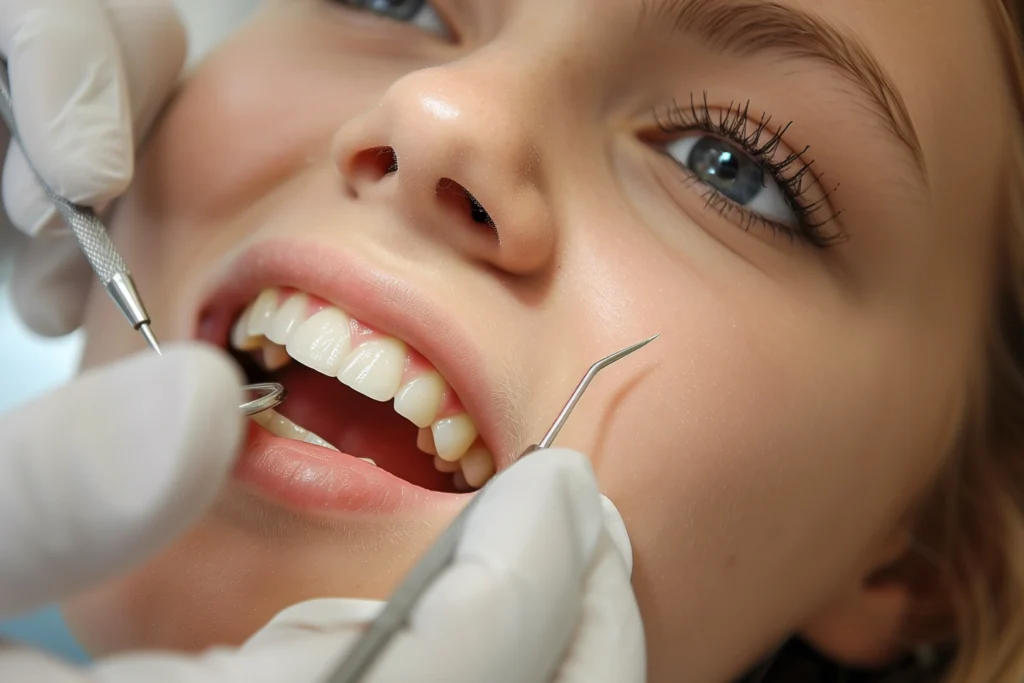
The All-on-4 dental implant procedure is typically carried out in several stages. The process begins with an initial consultation, where the dentist performs a clinical examination supported by radiographic imaging such as panoramic X-rays or 3D scans. This stage is essential for evaluating bone structure, oral health, and overall suitability for the treatment.
Following the assessment, a personalized treatment plan is created. This plan outlines the number of implants, the type of prosthetic restoration, and the timeline of the treatment. Once the planning phase is complete, the surgical stage is scheduled.
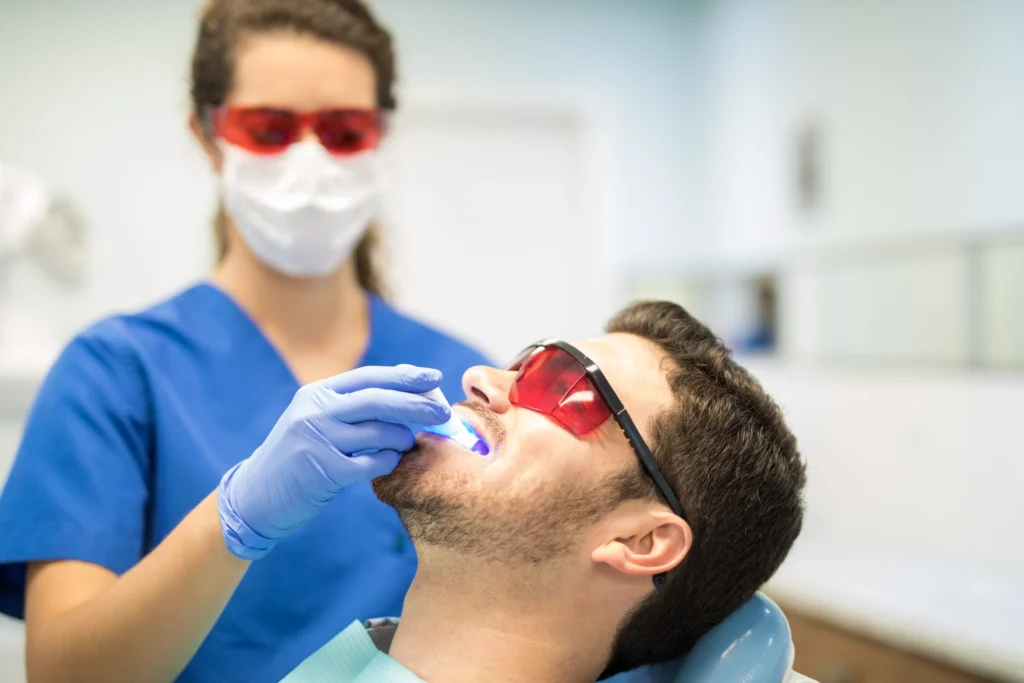
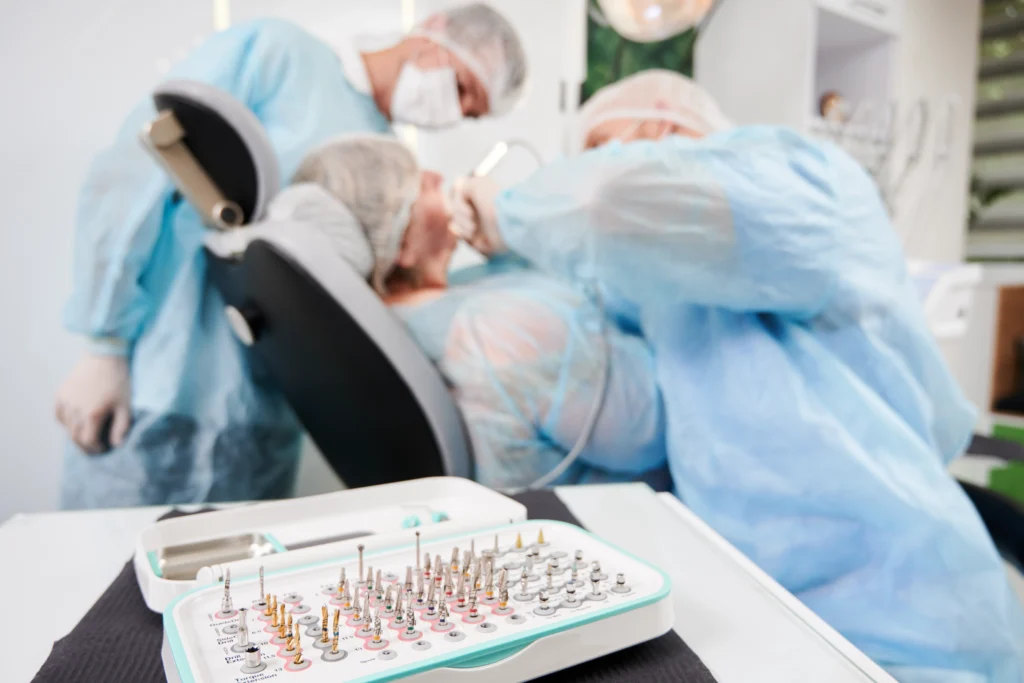
During the implant placement procedure, four implants are inserted into the jawbone at carefully determined positions. The procedure is usually performed under local anesthesia, although different options may be available depending on the clinic and patient preference. The placement is carried out with precision to ensure stability and proper support for the prosthesis.
In many cases, a temporary fixed prosthesis may be attached on the same day or shortly after the surgery. This allows patients to leave the clinic with functional teeth while the healing process continues. However, the exact approach may vary depending on the patient’s condition and the treatment protocol followed by the clinic.
After the implant placement, a healing period is required for the implants to integrate with the jawbone. This biological process is known as osseointegration and typically takes several weeks. During this time, patients are advised to follow specific care instructions to support the healing process.
Once the healing phase is complete, the final prosthetic restoration is prepared. This involves taking impressions and designing the permanent teeth to match the patient’s facial structure and functional needs. The final prosthesis is then securely attached to the implants, completing the treatment.
The overall duration of All-on-4 treatment in Turkey may vary depending on individual cases. Generally, the treatment is divided into two visits. The first visit, which includes consultation, planning, and implant placement, usually takes between three to five days. The healing period follows, which may last approximately two to three months. After this phase, a second visit is required for the placement of the final prosthesis, typically lasting around five to seven days.
In some cases, certain stages of the treatment may be completed in the patient’s home country, depending on coordination between clinics. This flexibility can be an important factor for international patients planning their travel.
Turkey is often considered by international patients for dental treatments due to its geographical location and travel accessibility. Direct flights from many European and Middle Eastern countries make it possible to reach major cities easily. Additionally, many clinics are experienced in working with international patients and may offer multilingual communication.
Another factor that contributes to the preference for Turkey is the availability of clinics equipped with modern dental technologies. Digital imaging systems, computer-assisted planning, and advanced laboratory techniques are commonly used in many practices. These technologies support accurate diagnosis and treatment planning.
Some clinics also provide additional services tailored to international patients. These may include assistance with airport transfers, accommodation arrangements, and translation services. However, the availability of such services may vary depending on the clinic.
At Dental Clinic Turkey, All-on-4 treatment plans commonly use Megagen Anyridge BLX implants with multi-unit abutments. Package support for international patients typically includes hotel accommodation with breakfast, airport-hotel-clinic transfer, a temporary fixed prosthesis, and English-speaking clinical staff throughout the visit. Flights are not included and remain the patient’s own arrangement.
Before undergoing All-on-4 treatment, patients typically go through a detailed evaluation process. This may include clinical examination, medical history review, and radiographic imaging. It is important for patients to provide accurate information about their general health and any existing medical conditions.
After the treatment is completed, maintaining oral hygiene plays a significant role in the long-term success of the implants. Patients are usually advised to follow regular cleaning routines and attend periodic check-ups. Proper care can help preserve both the implants and the prosthetic restoration over time.
The results of All-on-4 treatment may vary depending on several factors, including bone structure, oral hygiene habits, and overall health condition. For this reason, each treatment plan is individualized based on the patient’s specific needs.
Frequently asked questions about All-on-4 dental implants often focus on treatment suitability, duration, and recovery. Not all patients may be suitable candidates for this procedure, and a clinical evaluation is necessary to determine eligibility. Factors such as bone density, oral health, and systemic conditions are taken into consideration.
Another common question relates to discomfort during the procedure. Since the treatment is typically performed under local anesthesia, patients generally do not feel pain during the surgery. Post-operative discomfort may occur, but it is usually manageable with prescribed care.
Patients also often ask about how long the results last. The longevity of dental implants depends on various factors, including oral hygiene, lifestyle habits, and regular dental check-ups. With appropriate care, implants are designed to function for many years.
In summary, All-on-4 dental implants in Turkey represent a structured approach to full-arch rehabilitation for patients with significant tooth loss. The treatment involves careful planning, surgical placement, and a healing period followed by the final restoration. Each stage is adapted to the patient’s clinical condition, and the overall process is designed to restore oral function and support long-term use.