+90 538 279 69 38

A confident smile is often associated with healthy, well-shaped teeth. However, not every smile requires extensive dental treatment to achieve a more balanced appearance. In some cases, a simple procedure known as tooth filing can make a noticeable difference by smoothing rough edges, correcting minor imperfections, or improving the overall symmetry of the teeth.
If you’ve searched for terms like tooth filing, filing tooth, or filing teeth, you’re not alone. Thousands of people look for information about this conservative cosmetic dental procedure every month, often wondering whether it is safe, painful, or even necessary.
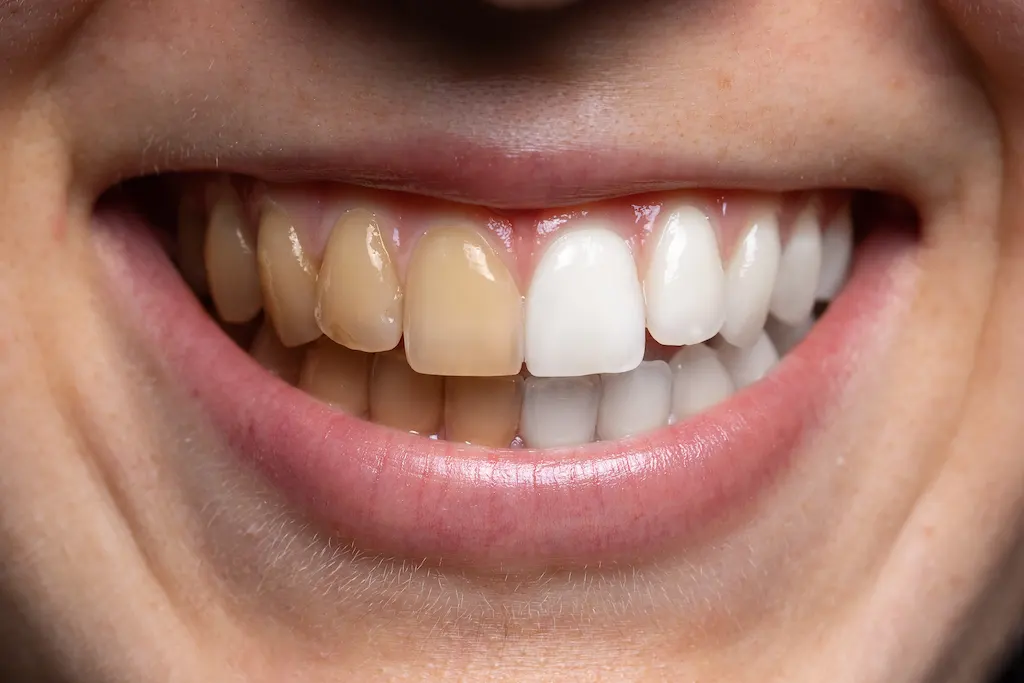
Unlike major restorative treatments, tooth filing involves carefully reshaping a very small amount of tooth enamel. Because enamel cannot grow back, the procedure should always be performed after a thorough clinical evaluation and only when it is appropriate for the patient’s dental condition.
Many people also confuse tooth filing with dental filling. Although the names sound similar, they are entirely different procedures. A dental filling is used to restore a tooth affected by decay or damage, while tooth filing focuses on reshaping healthy enamel to improve function or appearance.
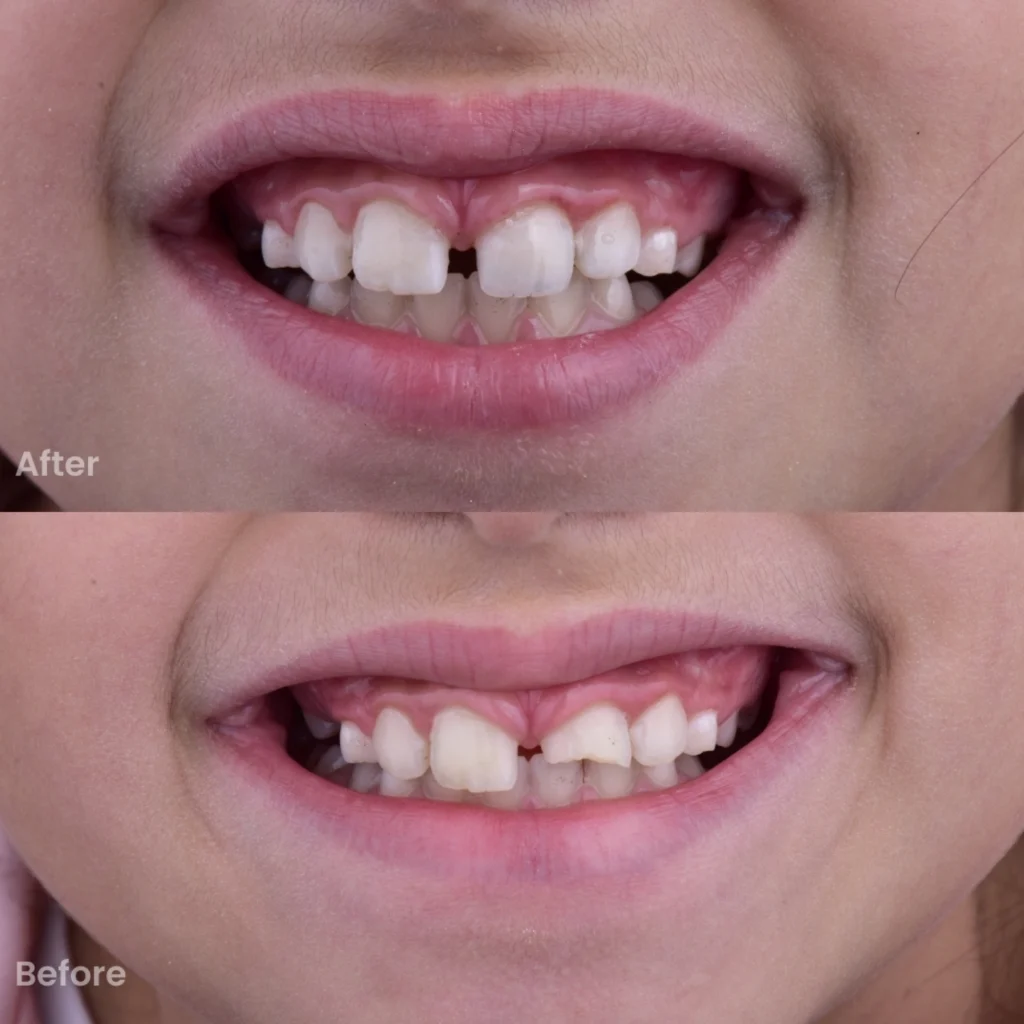
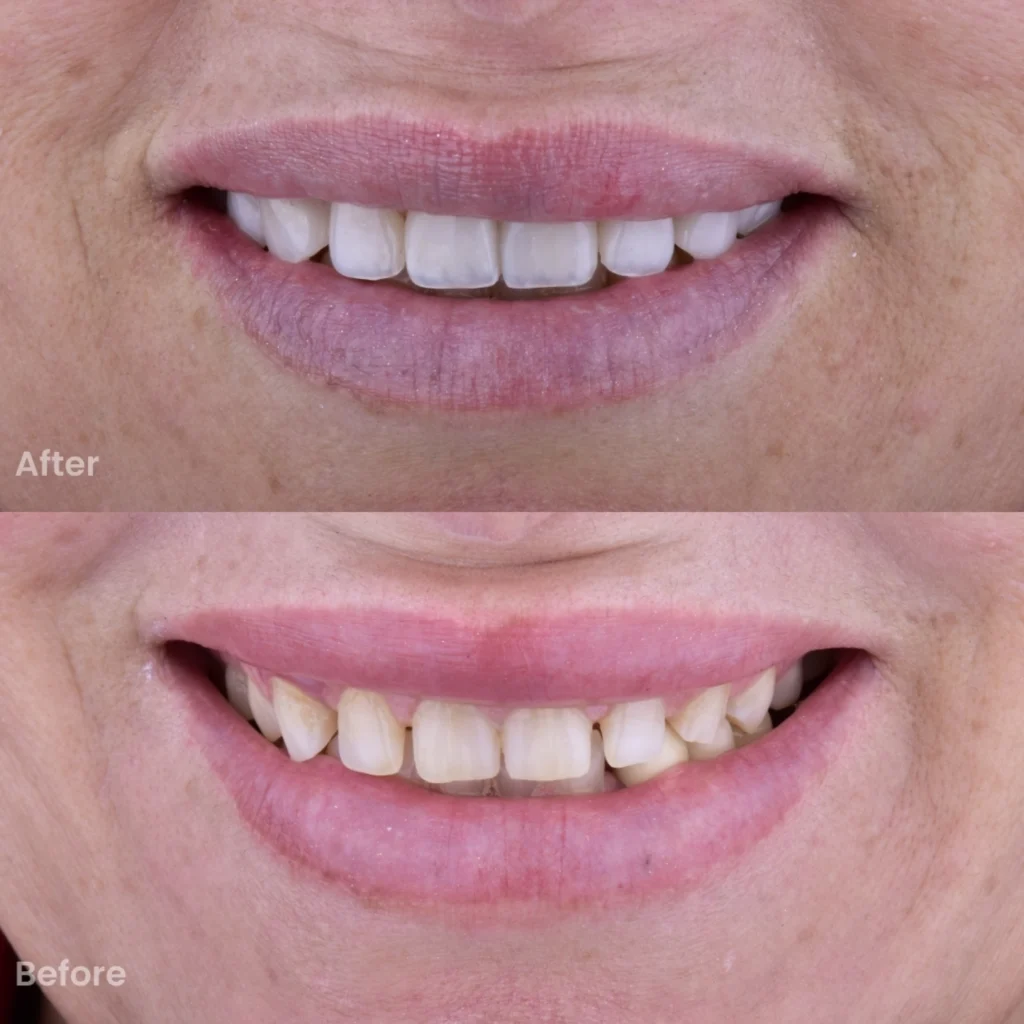
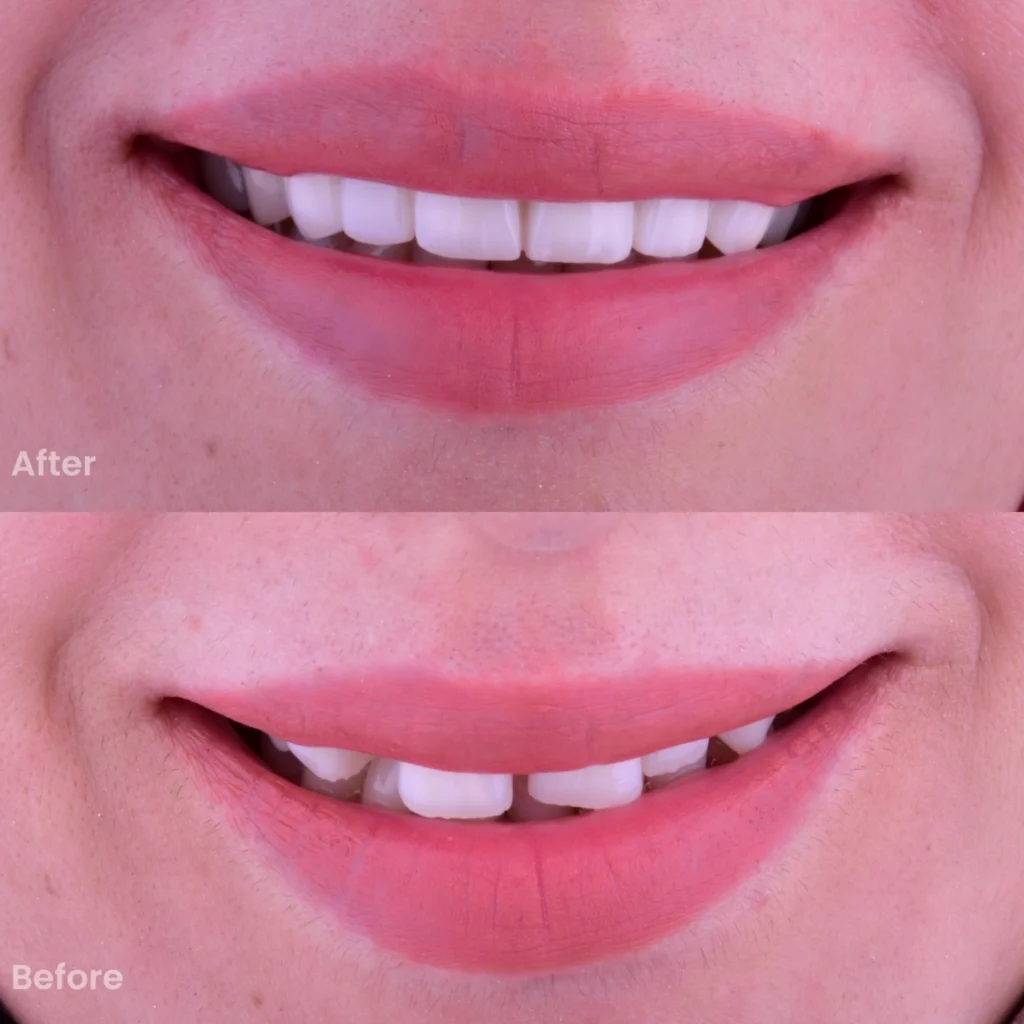
Whether the goal is to smooth a chipped tooth, refine uneven edges, improve the bite after orthodontic treatment, or create a more harmonious smile, tooth filing may be recommended as part of a personalized treatment plan.
This guide explains what tooth filing is, when it may be recommended, how it differs from tooth fillings, what the procedure involves, and how dentists determine whether enamel reshaping is the right option for a patient.
What Is Tooth Filing?
Tooth filing, sometimes called enamel reshaping, tooth contouring, or cosmetic tooth recontouring, is a minimally invasive dental procedure that carefully removes a very small amount of enamel from the surface of a tooth.
The primary purpose of tooth filing is not to repair cavities but to improve the shape, balance, and function of natural teeth. Because only a thin layer of enamel is adjusted, the procedure is generally completed in a single appointment without anesthesia in many cases.
Dentists may recommend tooth filing for several reasons, including:
- Smoothing small chips or rough edges
- Correcting minor differences in tooth length
- Improving tooth symmetry
- Refining the smile after orthodontic treatment
- Reducing small overlapping areas
- Adjusting slight bite irregularities
- Creating a more balanced smile appearance
Before performing any enamel reshaping, the dentist carefully evaluates the thickness of the enamel, the bite relationship, and the overall oral health. Since enamel does not regenerate, only a minimal amount should ever be removed.
For many patients, this conservative procedure can provide noticeable cosmetic improvement while preserving the natural tooth structure.
Why Do Dentists Recommend Tooth Filing?
Tooth filing is not only performed for cosmetic reasons. In many situations, it can also improve comfort and oral function.
For example, a tooth that has a sharp edge after minor trauma may irritate the tongue or cheek. Carefully smoothing the enamel can eliminate this discomfort almost immediately.
Similarly, patients who have completed orthodontic treatment sometimes benefit from minor enamel reshaping to create a more symmetrical final result. Small adjustments can improve the overall appearance of the smile without requiring additional restorative procedures.
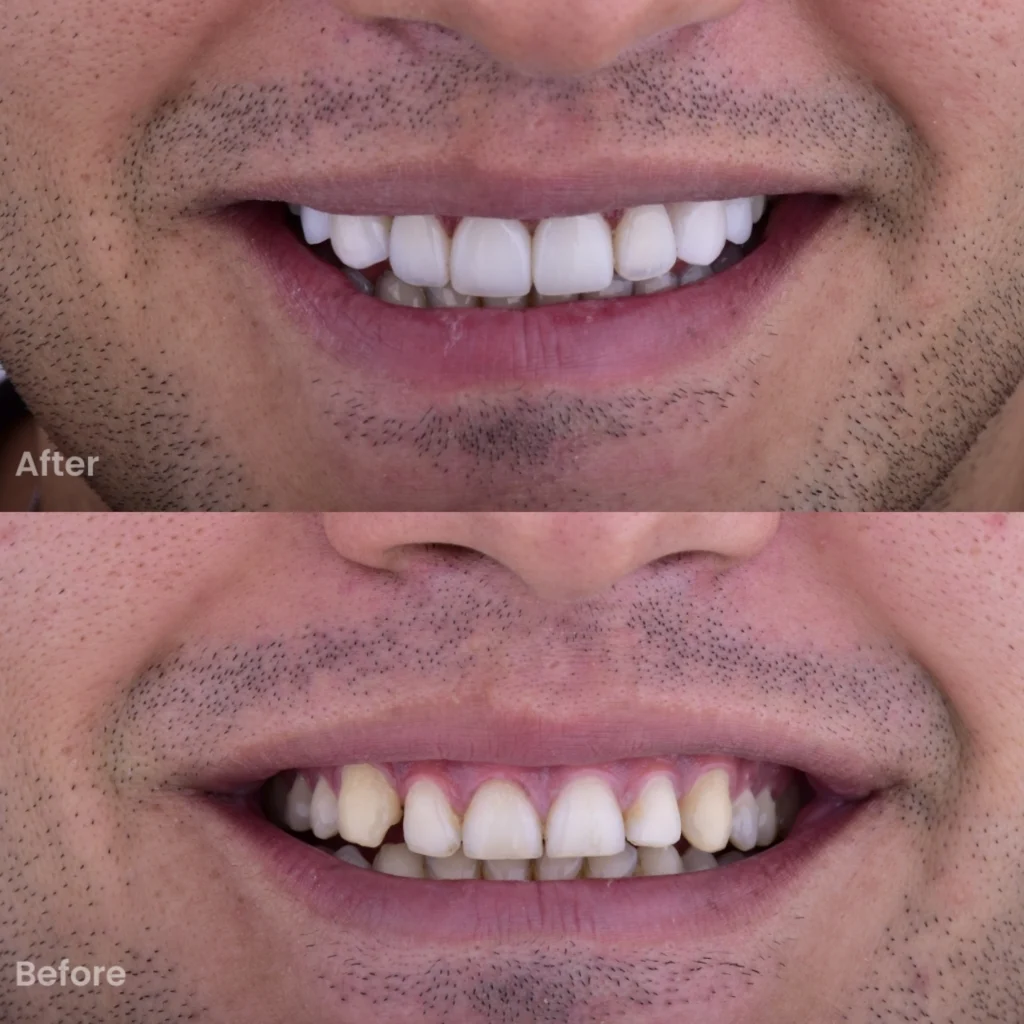
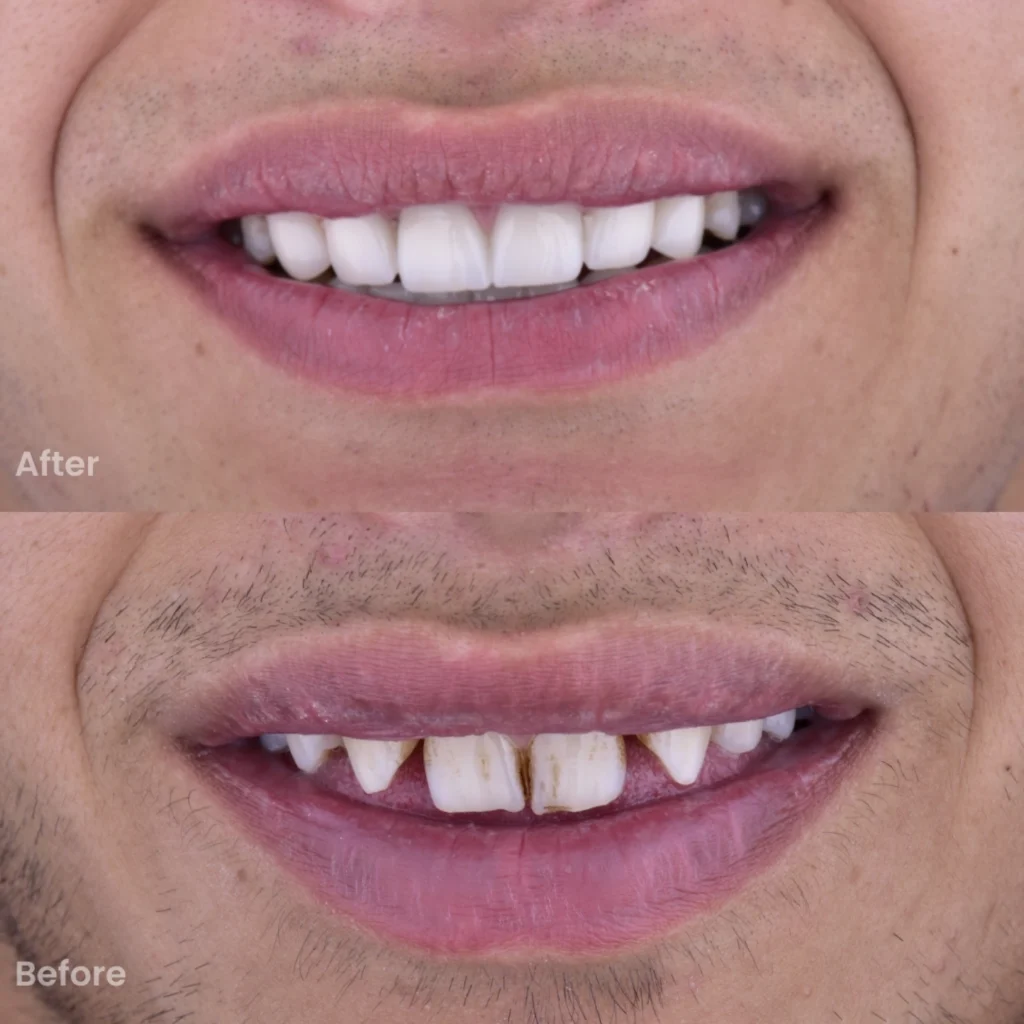
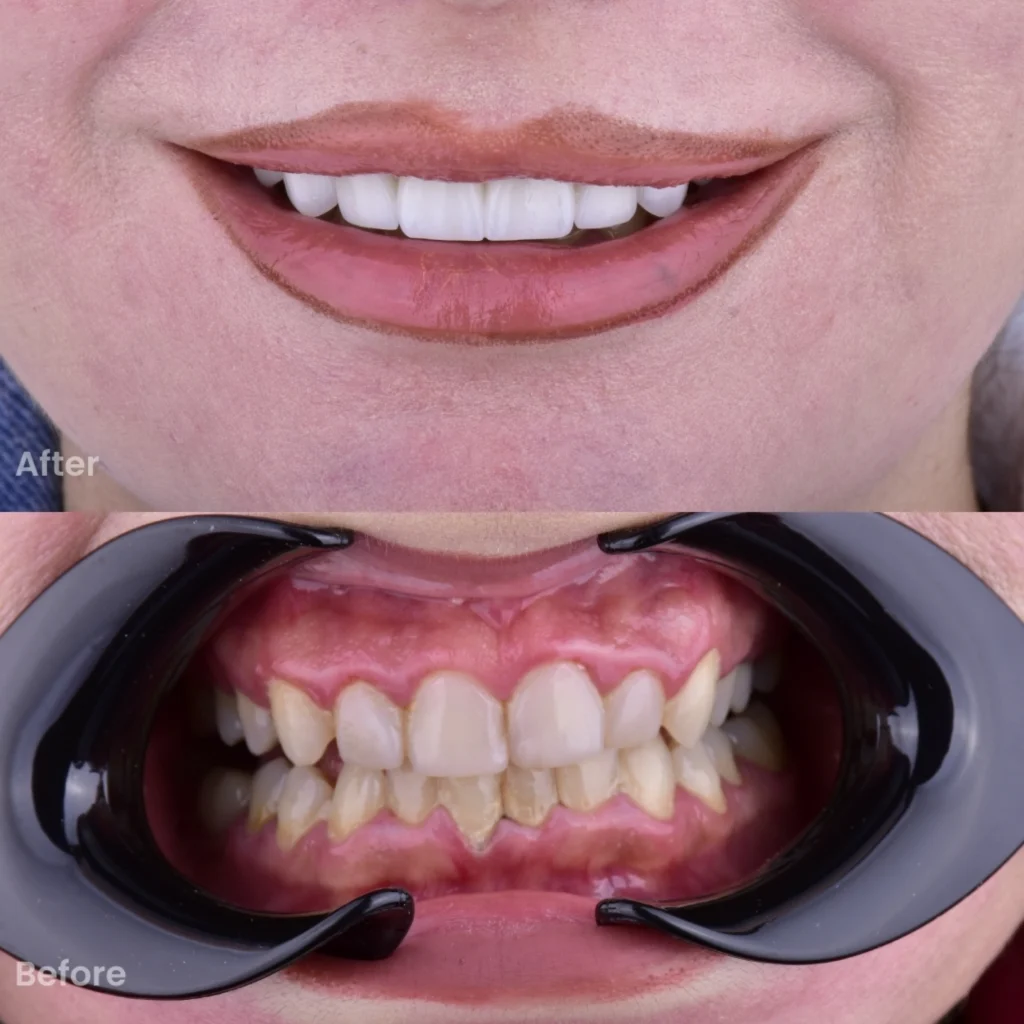
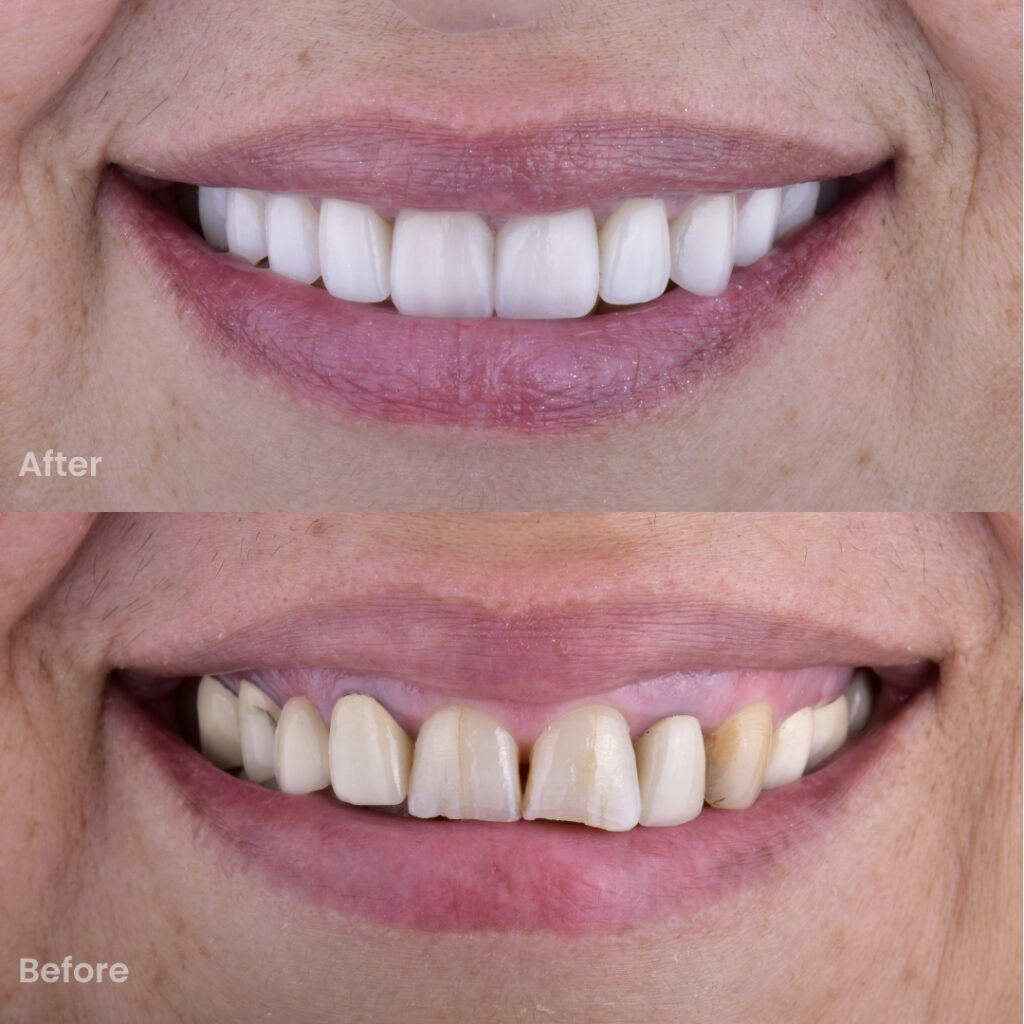
Tooth filing may also be recommended after placing certain dental restorations, such as veneers, crowns, or cosmetic bonding, to ensure a natural transition between the restoration and the surrounding teeth.
Although the procedure is relatively simple, it should never be considered a do-it-yourself treatment. Online searches for terms like how to file a tooth at home have become increasingly common, but attempting to reshape teeth without professional evaluation can permanently damage enamel and lead to unnecessary sensitivity or bite problems.
A dentist performs tooth filing using specialized instruments while preserving as much healthy enamel as possible. The goal is always to achieve a balanced result without compromising the strength of the natural tooth.
Who Is a Good Candidate for Tooth Filing?
Tooth filing is not suitable for everyone. While it is a conservative cosmetic procedure, it can only be performed when there is enough healthy enamel to reshape safely. Before recommending tooth filing, dentists evaluate the condition of the teeth, the bite, and the patient’s overall oral health.
Patients who may benefit from tooth filing include those who have:
- Small chips along the edges of the teeth
- Slightly uneven front teeth
- Minor overlapping teeth
- Rough or sharp enamel after an injury
- Small irregularities following orthodontic treatment
- Teeth that appear slightly too long or asymmetrical
- Minor bite adjustments that require minimal reshaping
Because the procedure only removes a very thin layer of enamel, it is intended for small corrections rather than major cosmetic changes.
Patients with extensive tooth wear, weakened enamel, active tooth decay, or significant bite problems may require different treatments. In these situations, options such as veneers, crowns, orthodontic treatment, or dental fillings may be more appropriate depending on the clinical findings.
A comprehensive dental examination is always the first step in determining whether tooth filing is the right treatment.
Tooth Filing vs Dental Filling: What’s the Difference?
Many people confuse tooth filing with a dental filling, largely because the words sound similar. However, they are completely different dental procedures performed for different reasons.
A dental filling is used to restore a tooth that has been damaged by decay, fracture, or wear. During the procedure, the damaged tissue is removed, and the missing portion of the tooth is rebuilt using a restorative material such as composite resin.
Tooth filing, on the other hand, does not replace missing tooth structure. Instead, it gently reshapes healthy enamel to improve the appearance or function of the tooth.
In simple terms:
Tooth Filing
- Reshapes natural enamel
- Used for cosmetic or minor functional improvements
- No filling material is added
- Usually completed in one short appointment
Dental Filling
- Repairs damaged teeth
- Restores tooth structure
- Uses composite or other restorative materials
- Commonly performed after cavity removal
Understanding this difference helps patients choose the most appropriate treatment based on their individual needs.
Does Tooth Filing Hurt?
One of the most common questions patients ask is whether tooth filing is painful.
In most cases, the answer is no.
Since only the outer enamel layer is gently reshaped, many patients experience little to no discomfort during the procedure. Because enamel contains no nerves, removing a minimal amount generally does not cause pain.
Depending on the extent of reshaping, local anesthesia is often unnecessary. Patients may feel slight vibration or pressure from the polishing instruments, but the procedure is usually quick and comfortable.
Some individuals may notice mild temporary sensitivity to cold foods or drinks after treatment, particularly if a larger amount of enamel has been adjusted. This sensitivity typically resolves within a short period.
Following the dentist’s recommendations for oral care helps ensure a smooth recovery and long-lasting results.
What Are the Benefits of Tooth Filing?
Although tooth filing is a simple procedure, it can have a noticeable impact on both smile aesthetics and oral comfort.
Some of its key advantages include:
- Improves the overall symmetry of the smile
- Smooths chipped or rough tooth edges
- Creates a more balanced tooth shape
- Enhances the appearance of minor imperfections
- May improve bite comfort in selected cases
- Preserves the natural tooth structure
- Usually completed in a single visit
- Requires little to no recovery time
For many patients, tooth filing serves as the final finishing touch after orthodontic treatment, cosmetic bonding, or other aesthetic dental procedures.
Are There Any Risks?
Like any dental procedure, tooth filing should only be performed when clinically appropriate.
Because enamel cannot regenerate, removing too much enamel may increase tooth sensitivity or affect the bite. This is why careful planning is essential.
Professional tooth filing is conservative and designed to preserve as much healthy enamel as possible. Dentists remove only the amount necessary to achieve the desired result while maintaining the strength of the tooth.
Attempting to perform tooth filing at home using nail files, sandpaper, or other household tools can permanently damage the enamel and may lead to fractures, sensitivity, or long-term dental complications.
For this reason, any tooth reshaping should always be carried out by a qualified dental professional following a comprehensive examination.
Tooth Filing After Cosmetic Dentistry
Tooth filing is often used as a finishing procedure after other cosmetic dental treatments. Although many people associate enamel reshaping with correcting chipped or uneven teeth, it can also play an important role in achieving a balanced and natural-looking smile after restorative procedures.
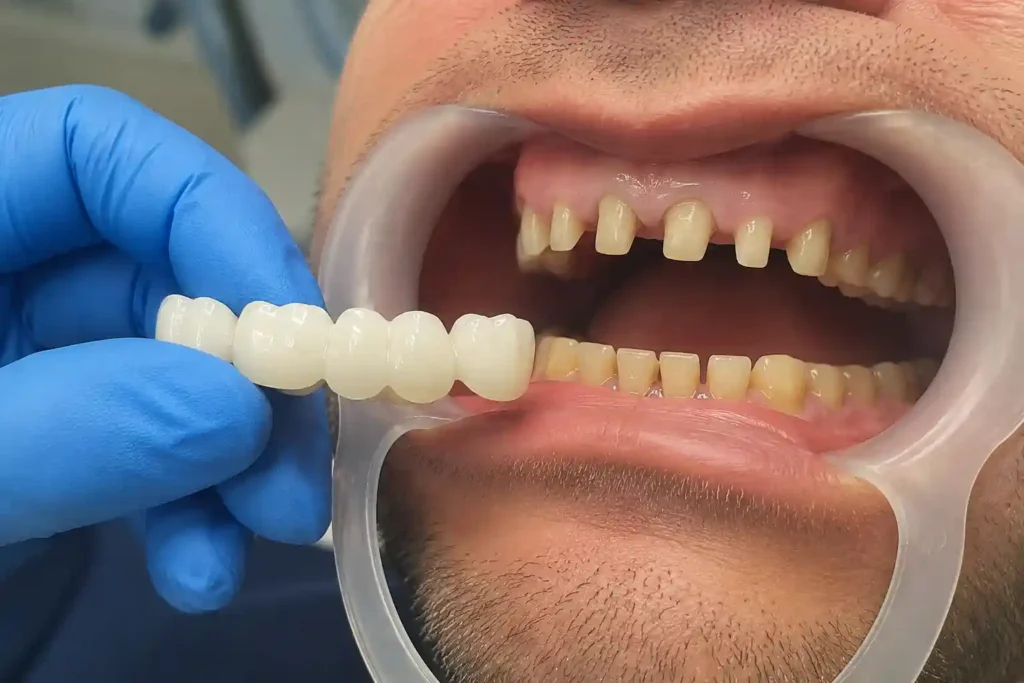
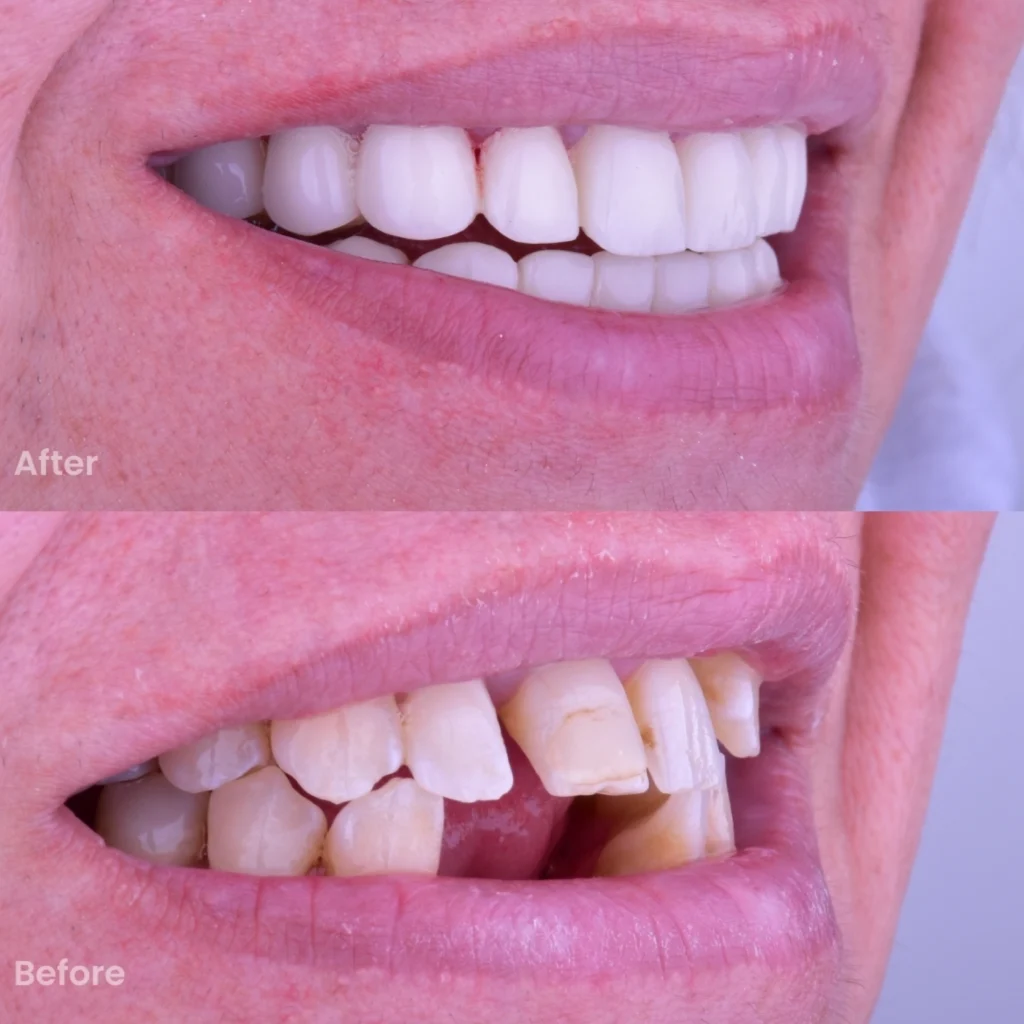
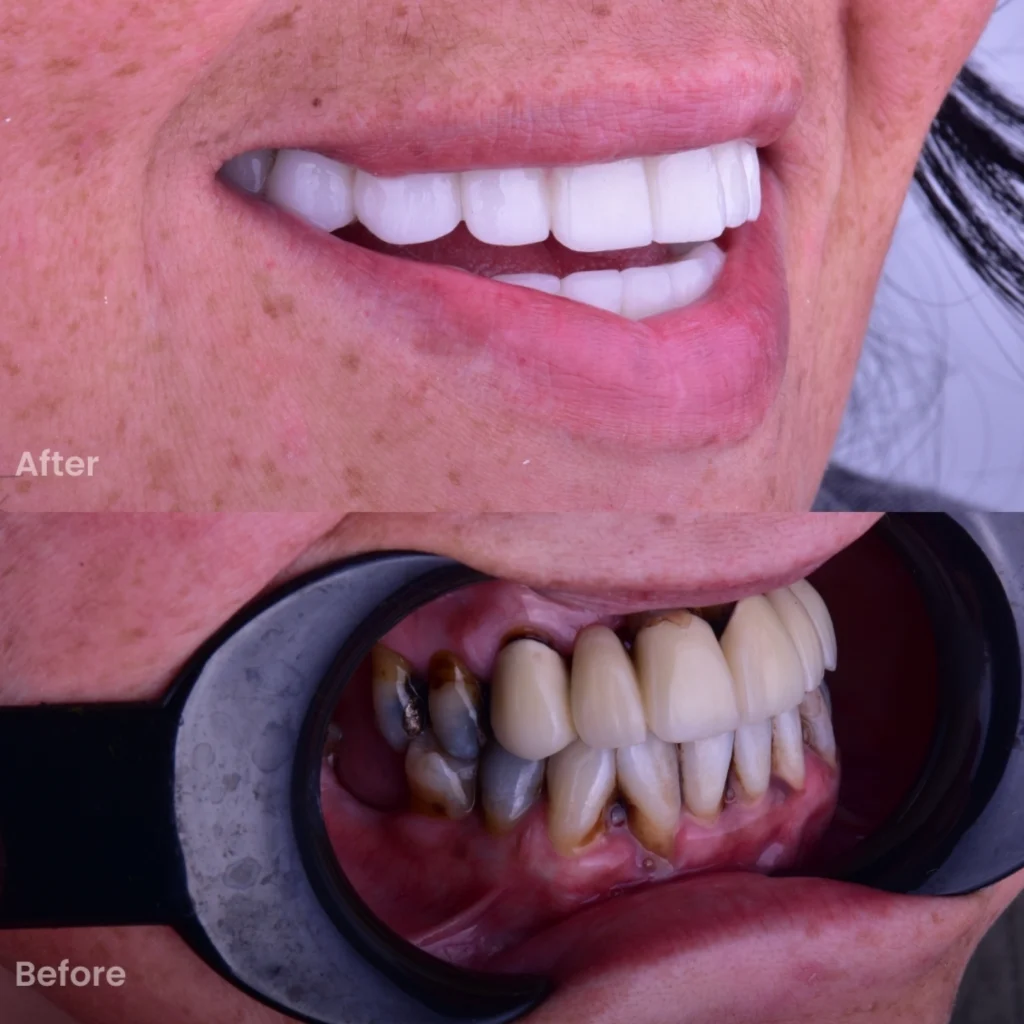
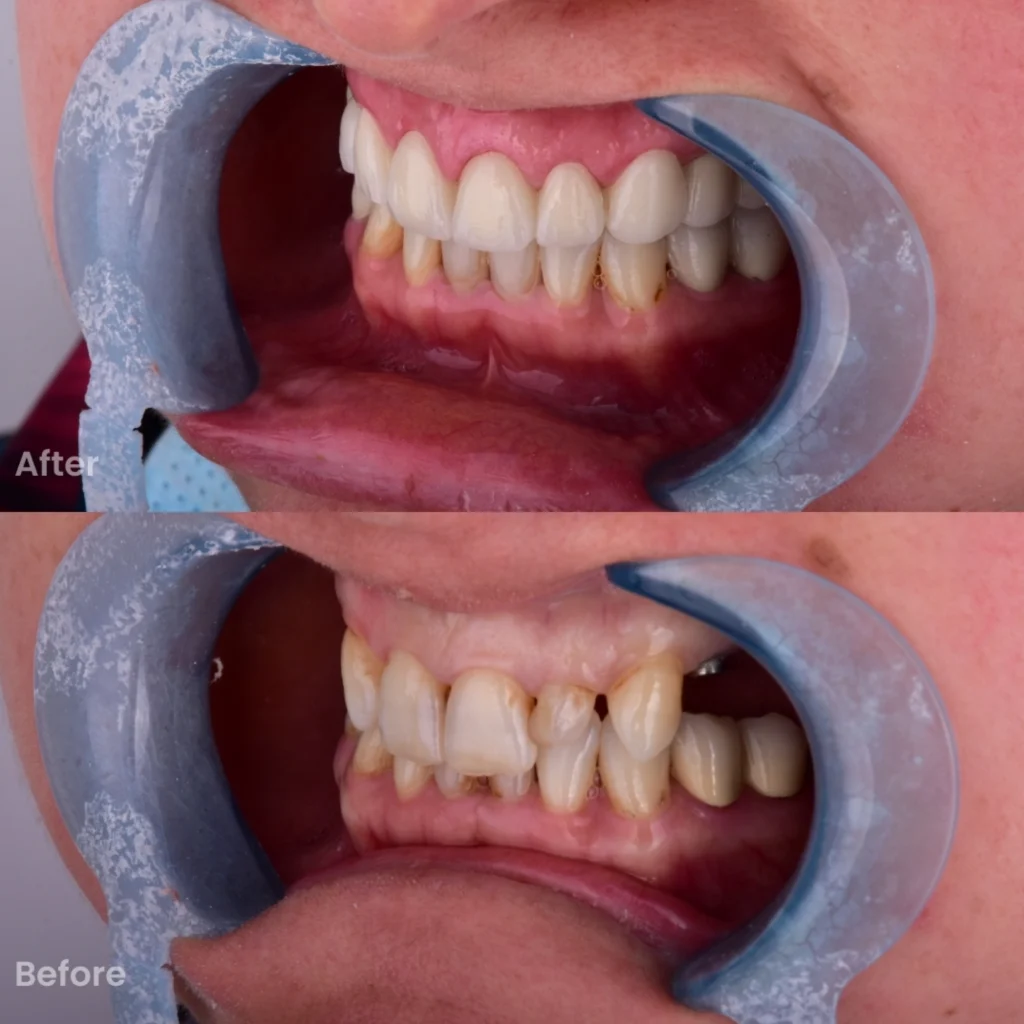
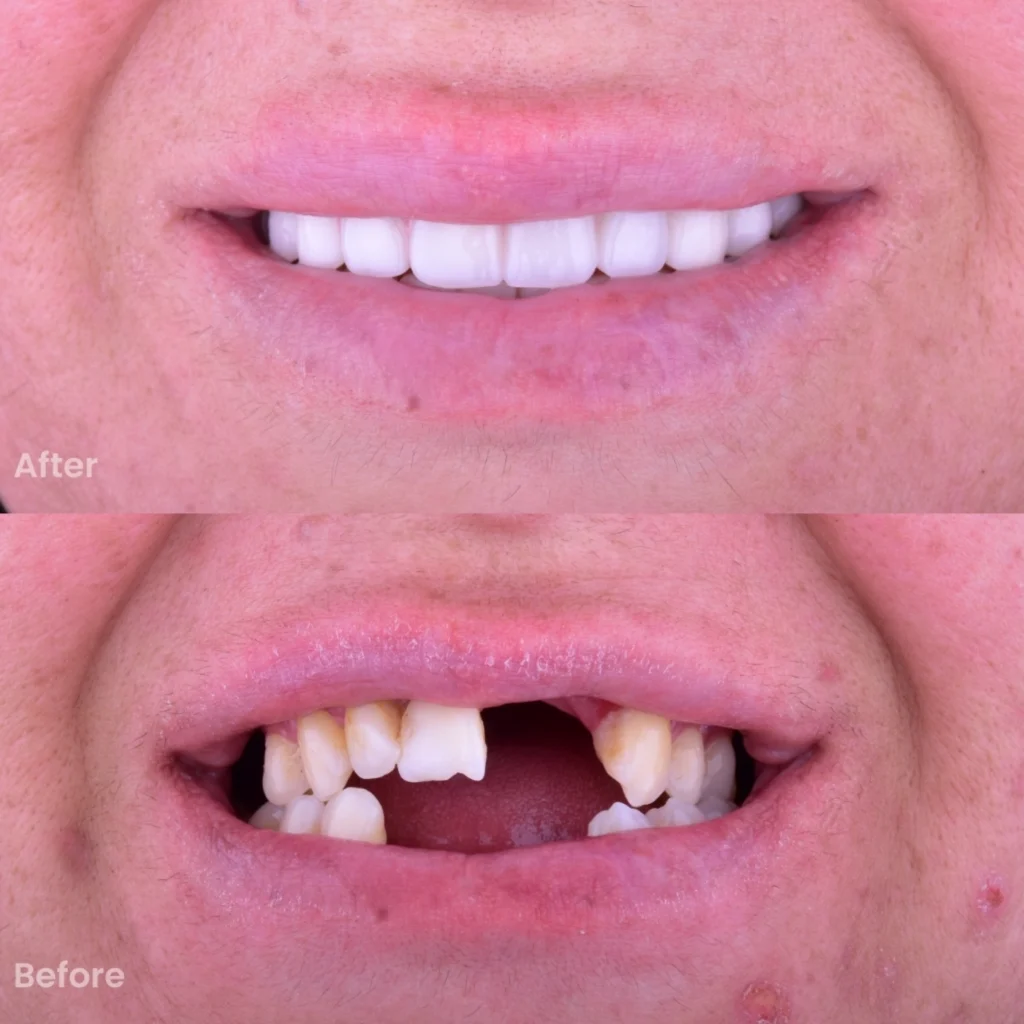
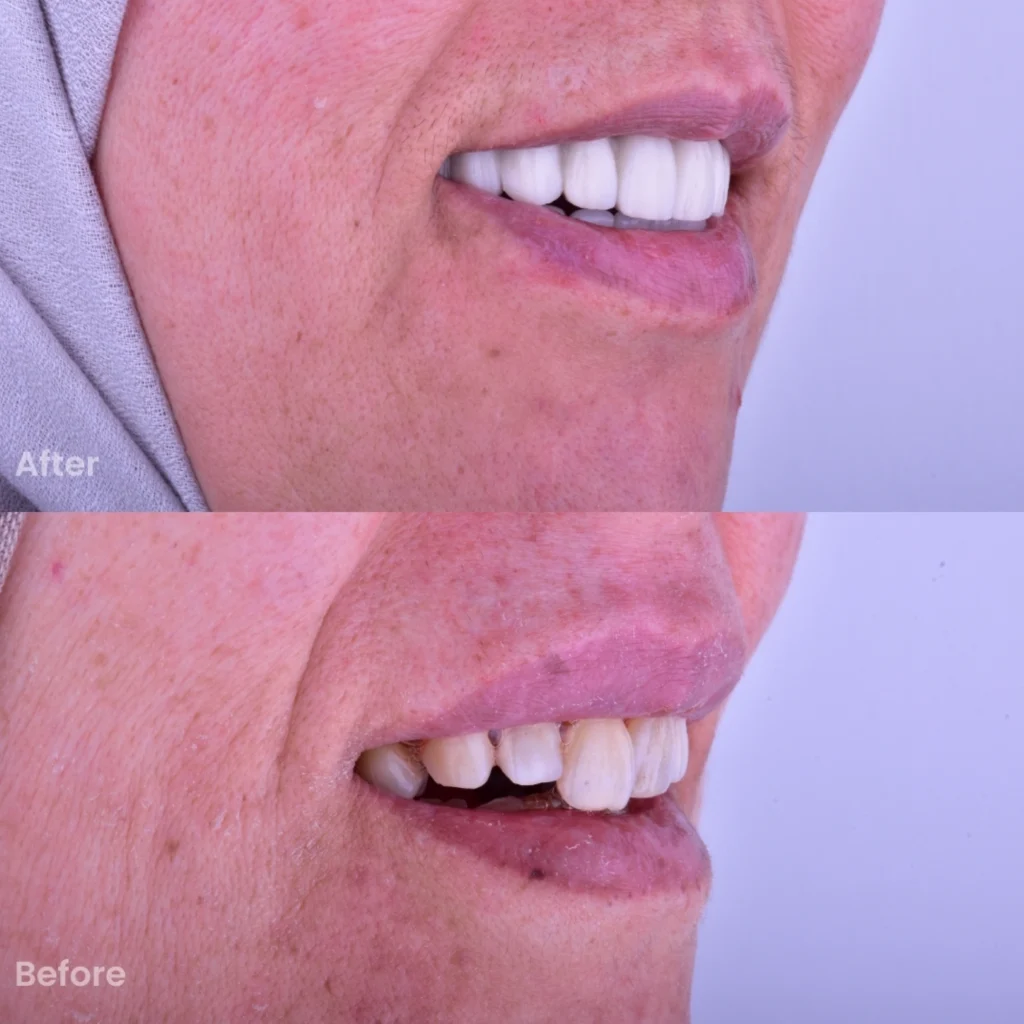
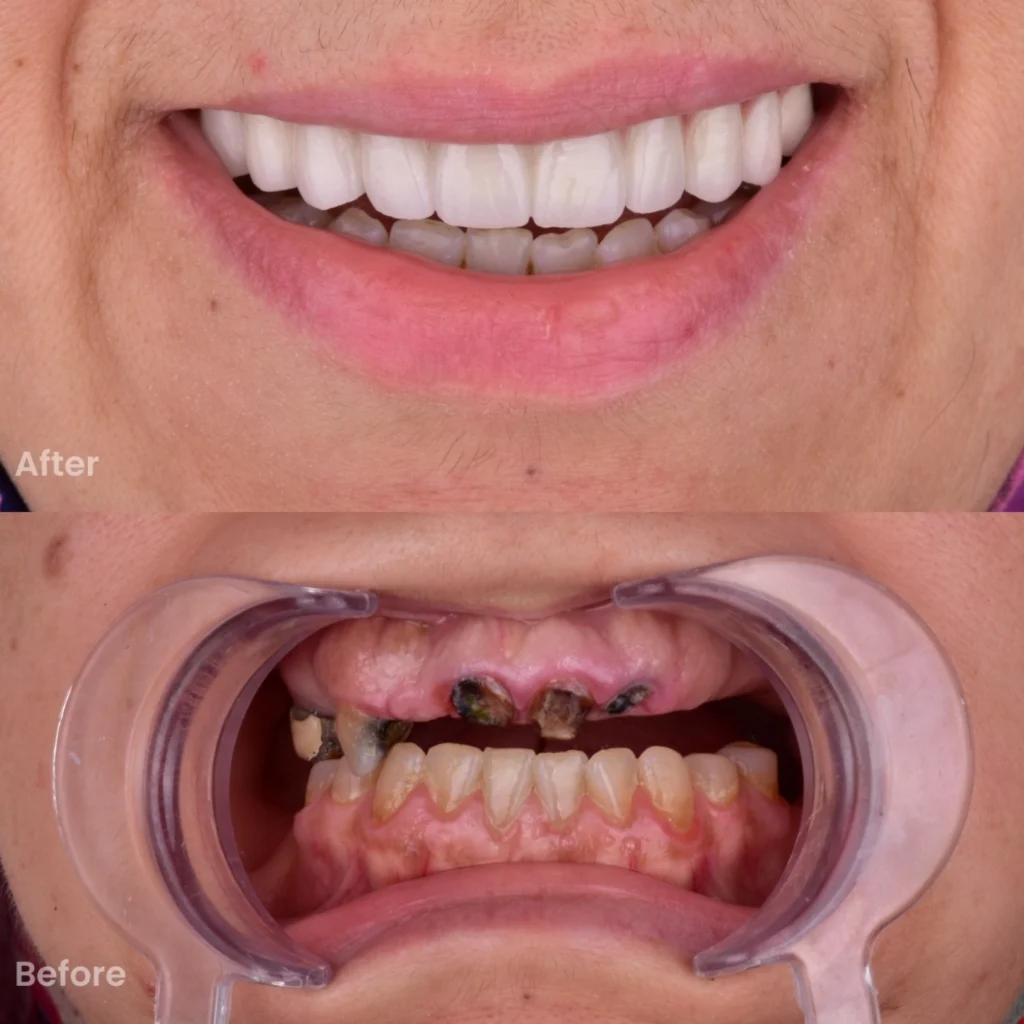
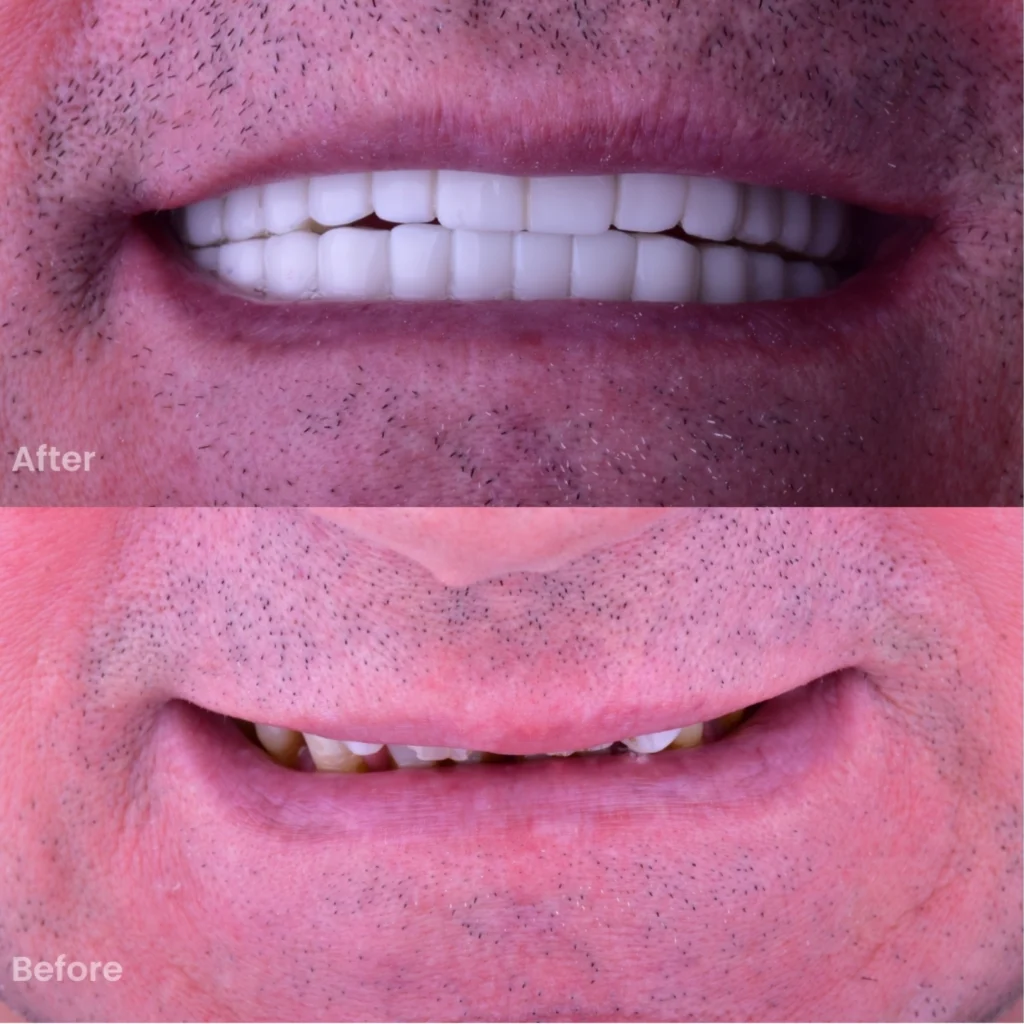
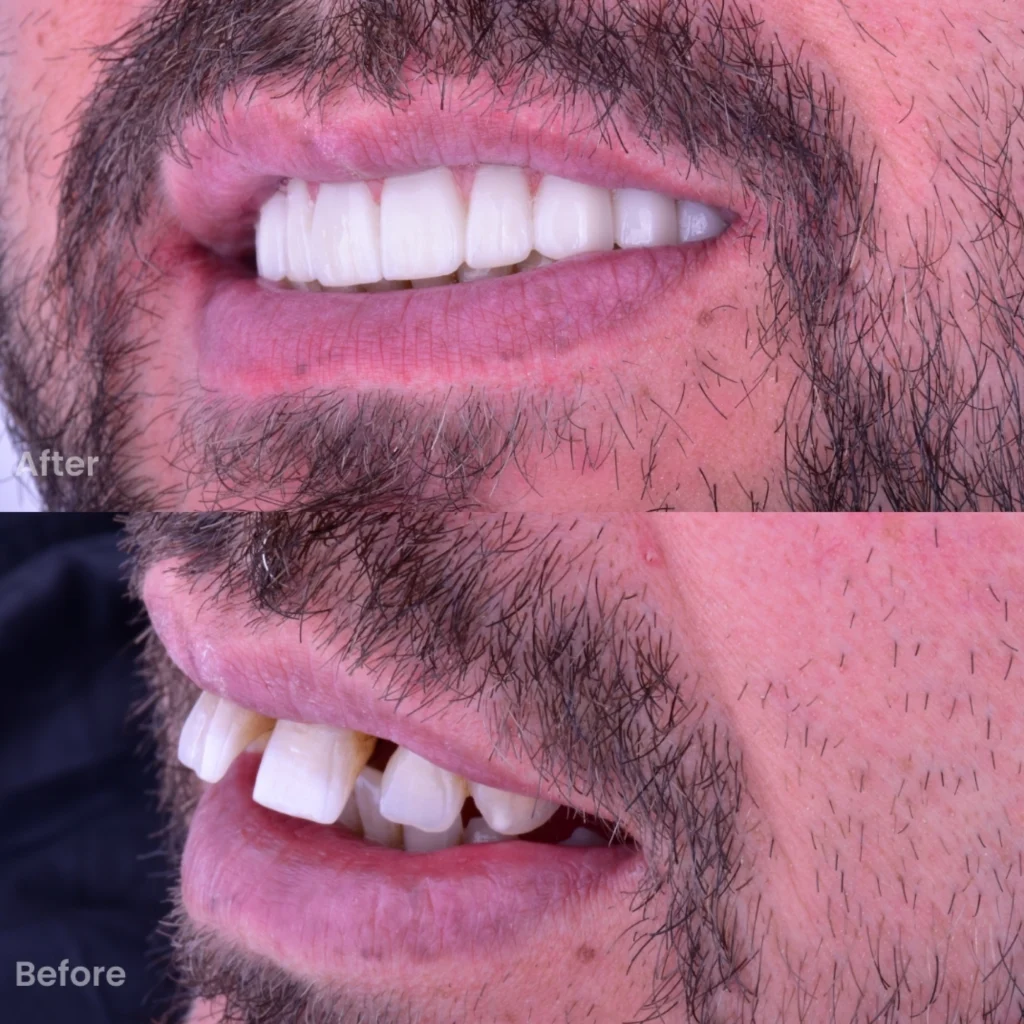
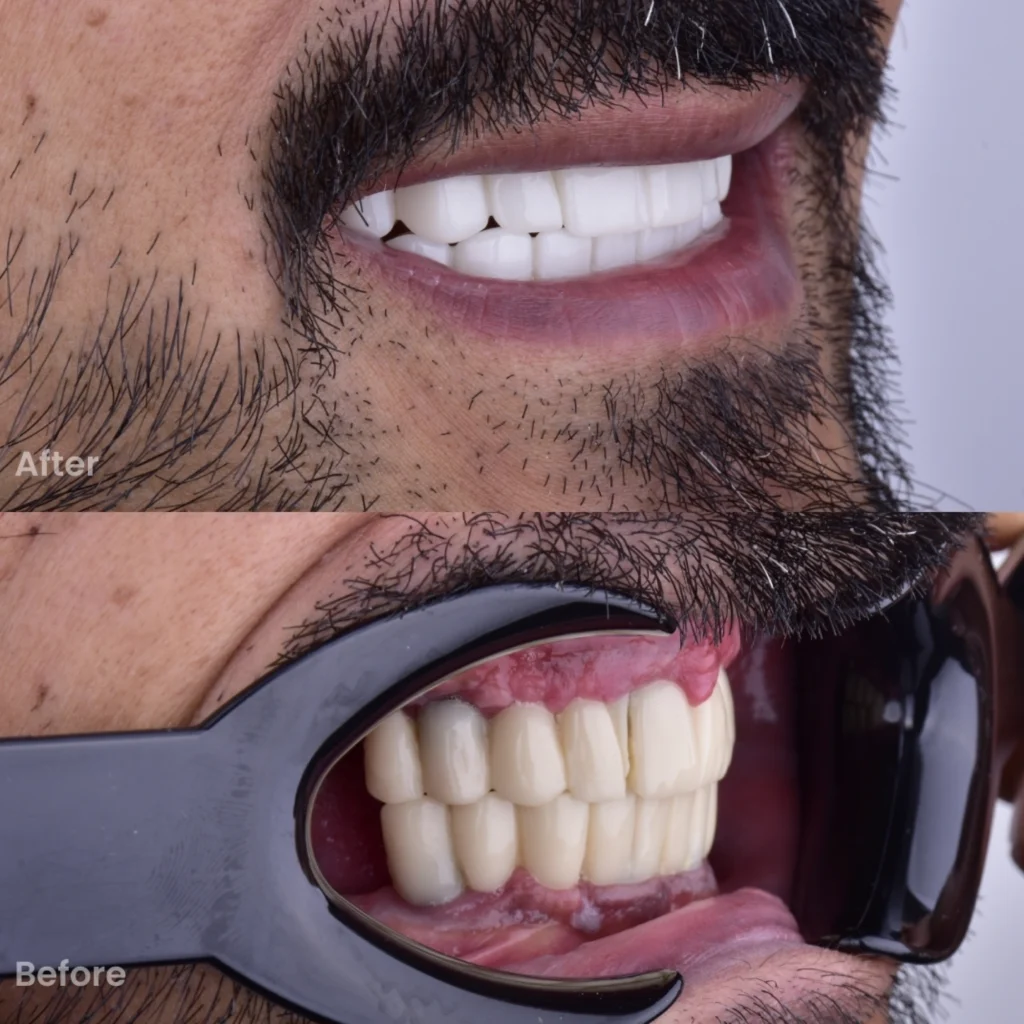
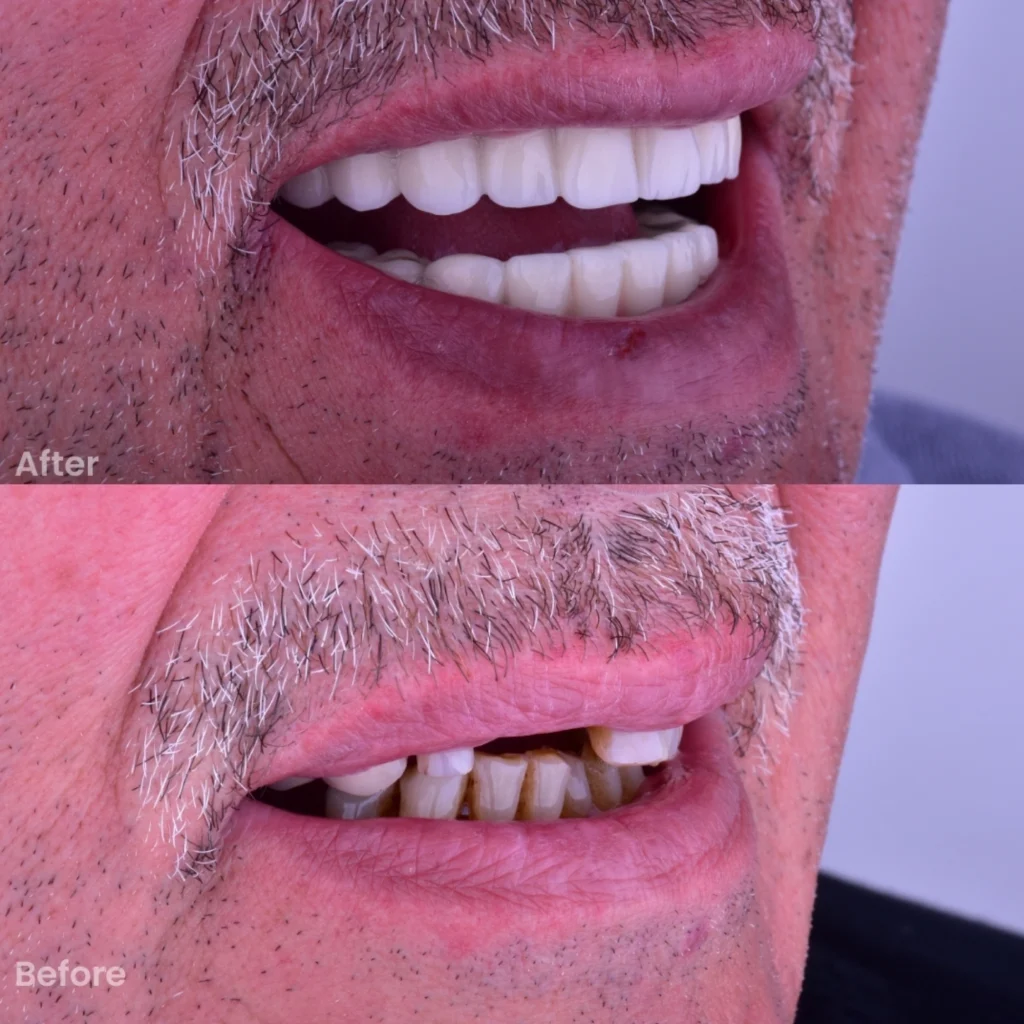
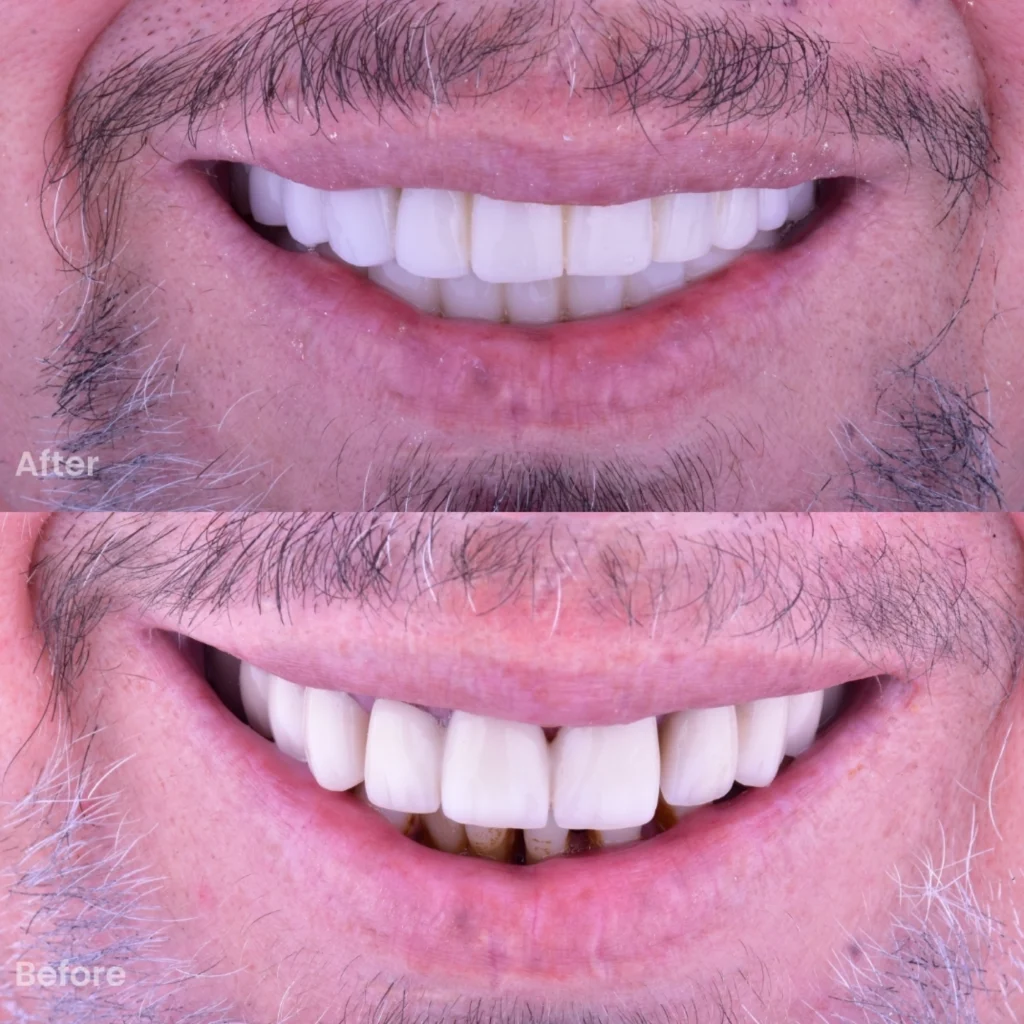
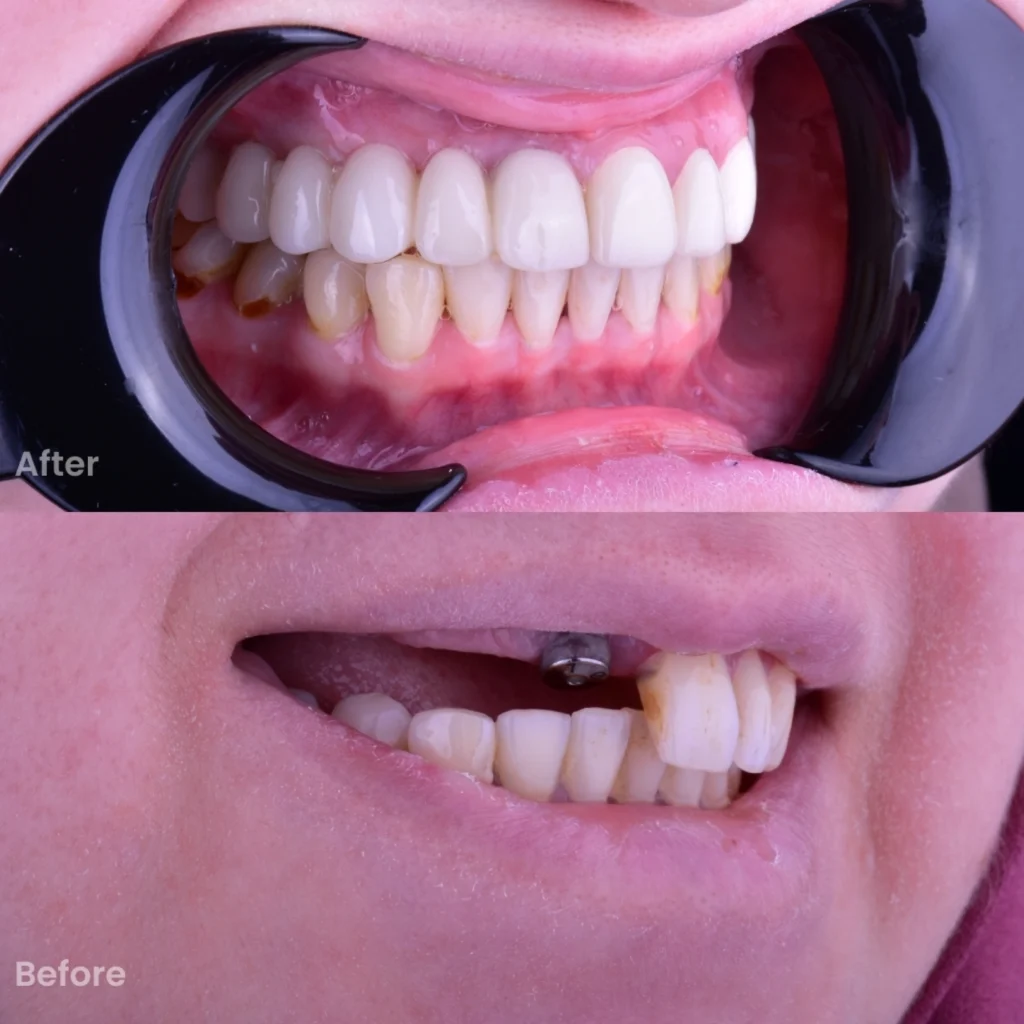
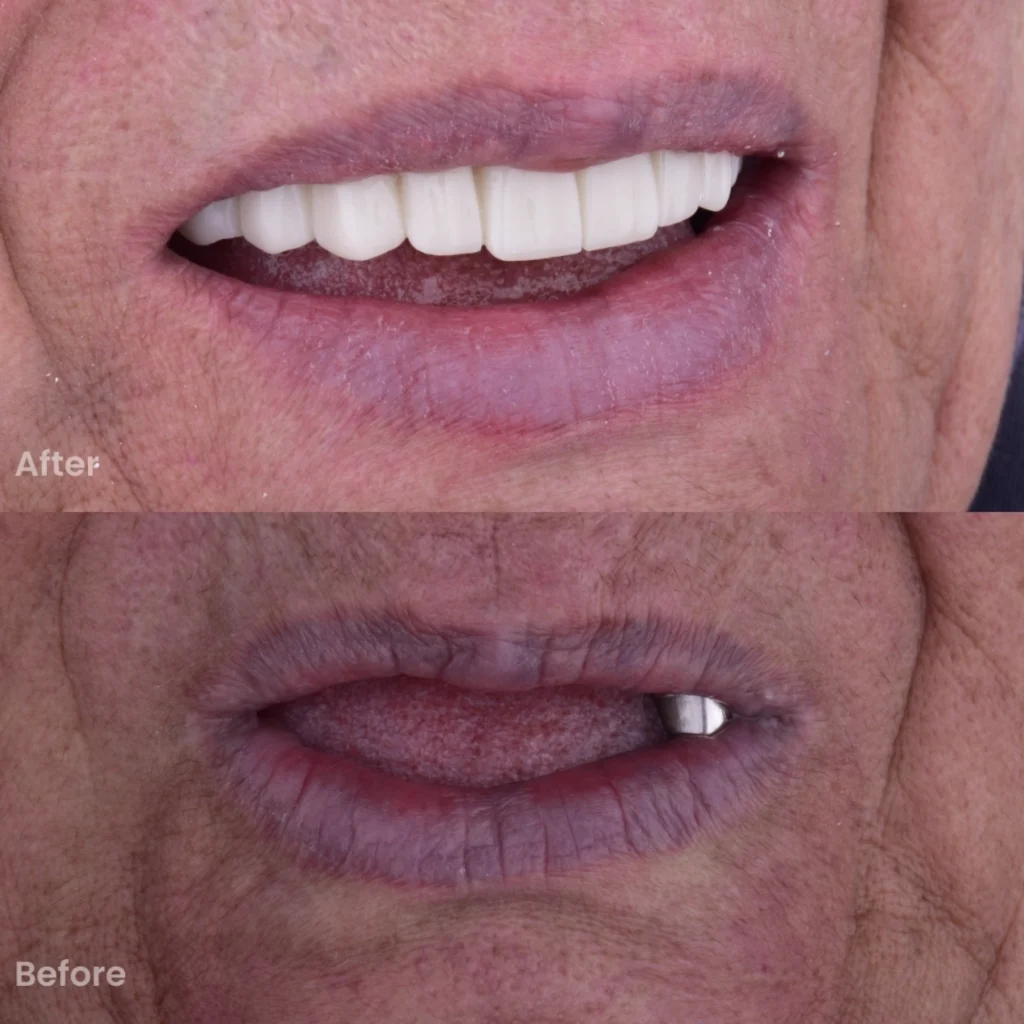
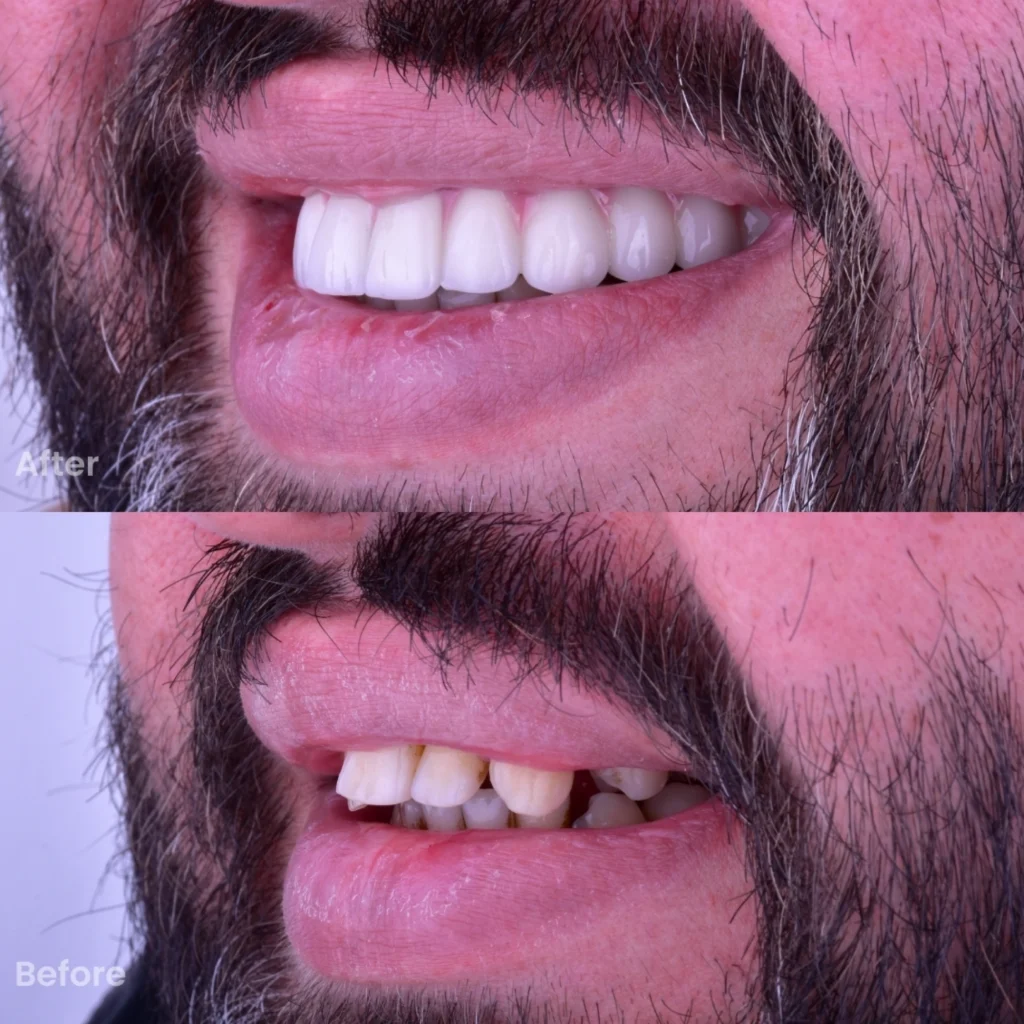
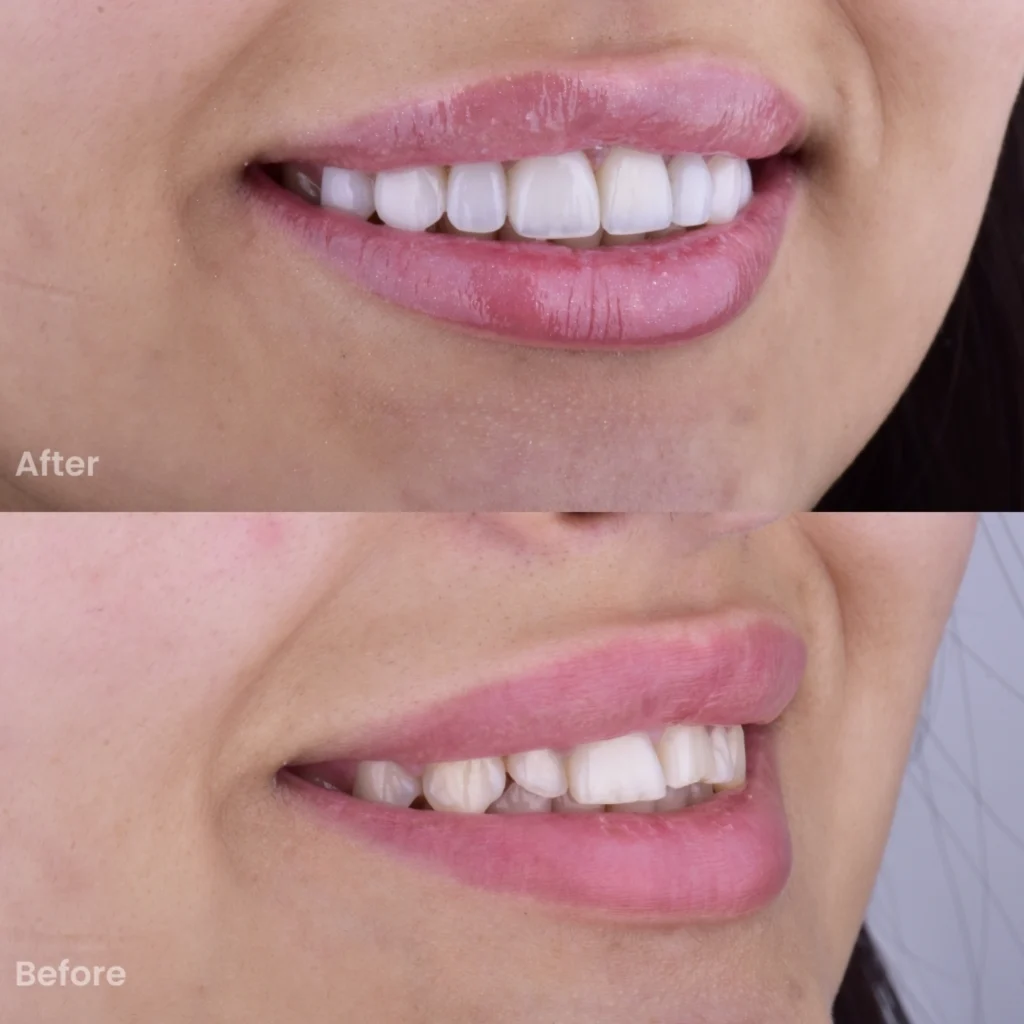
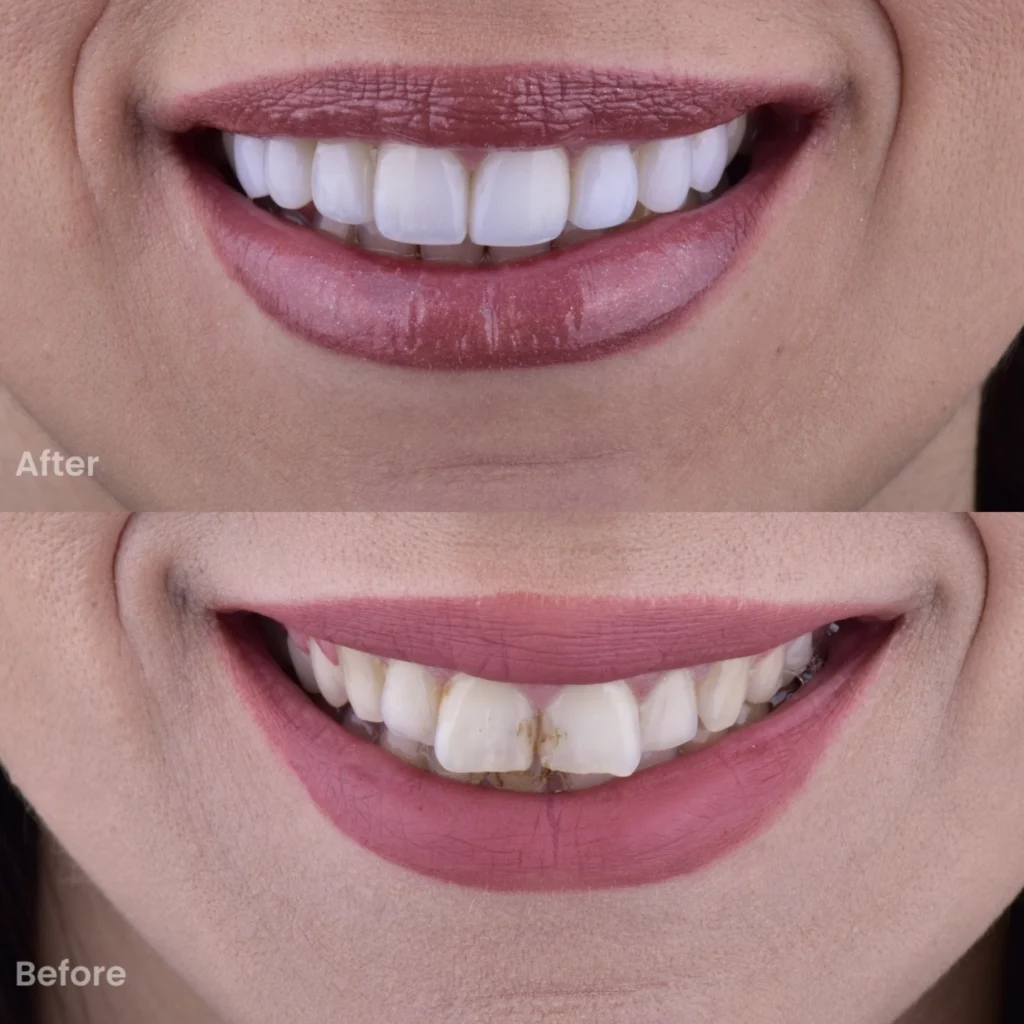
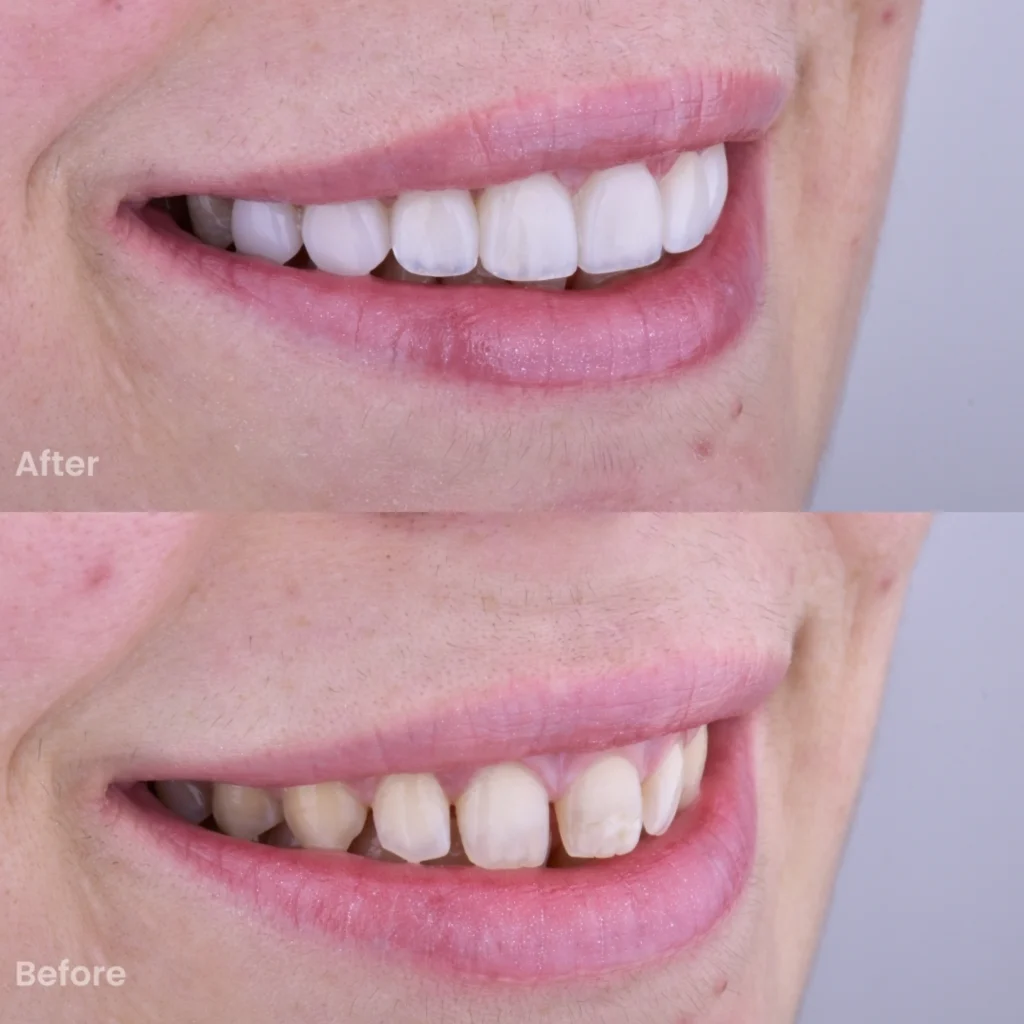
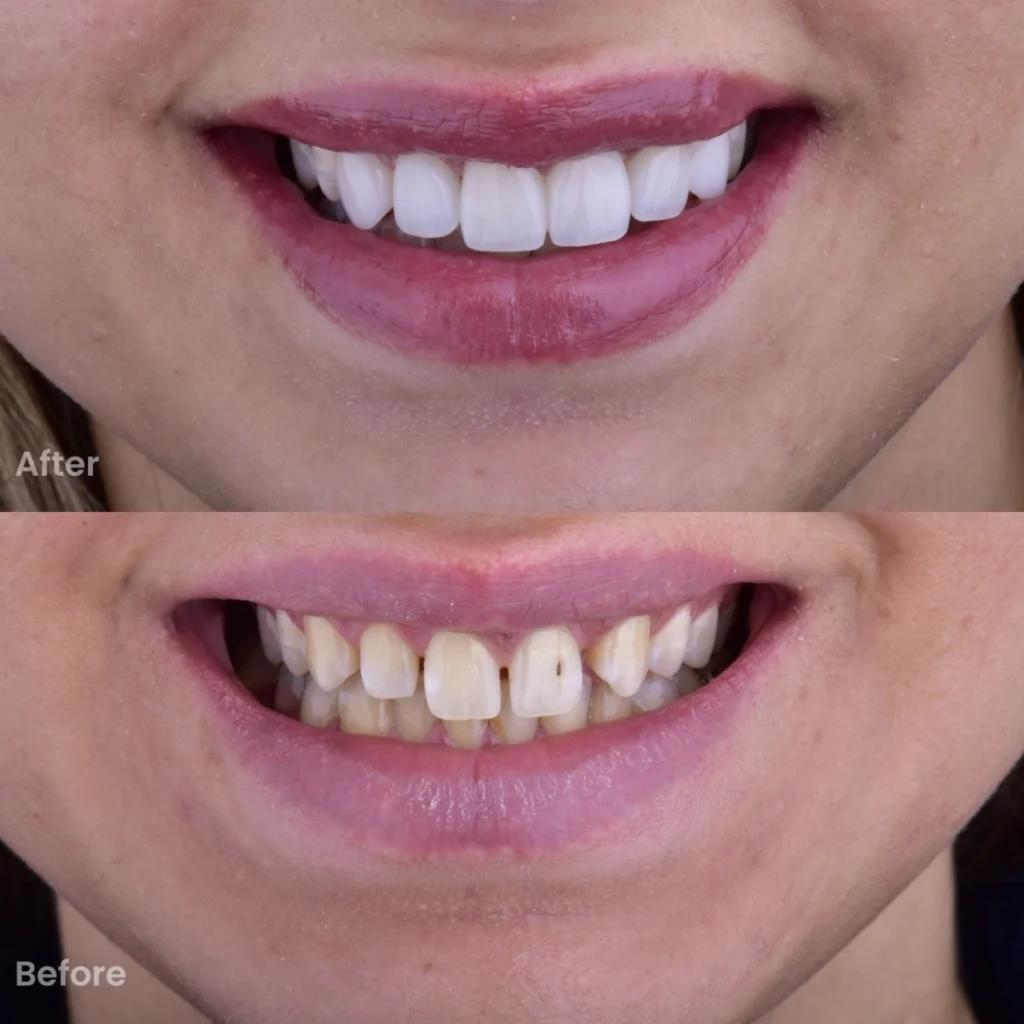
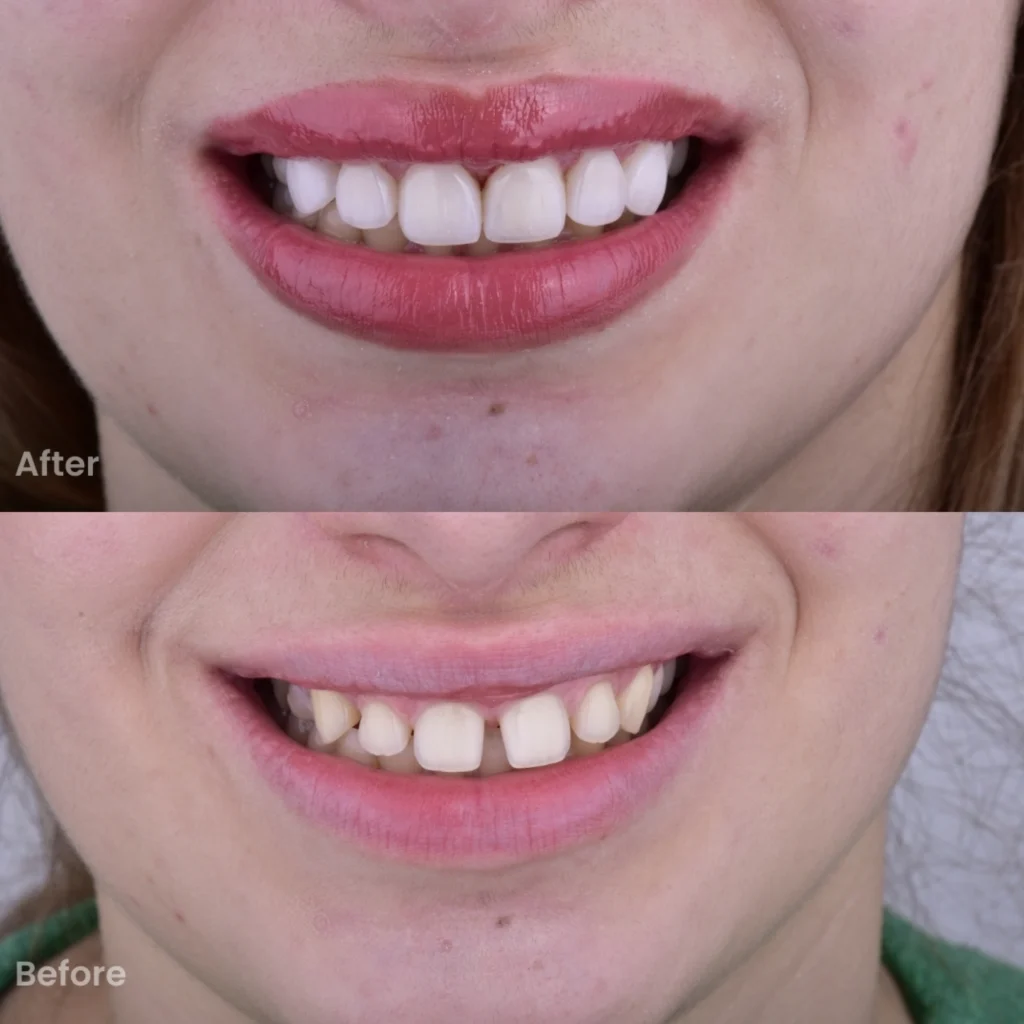
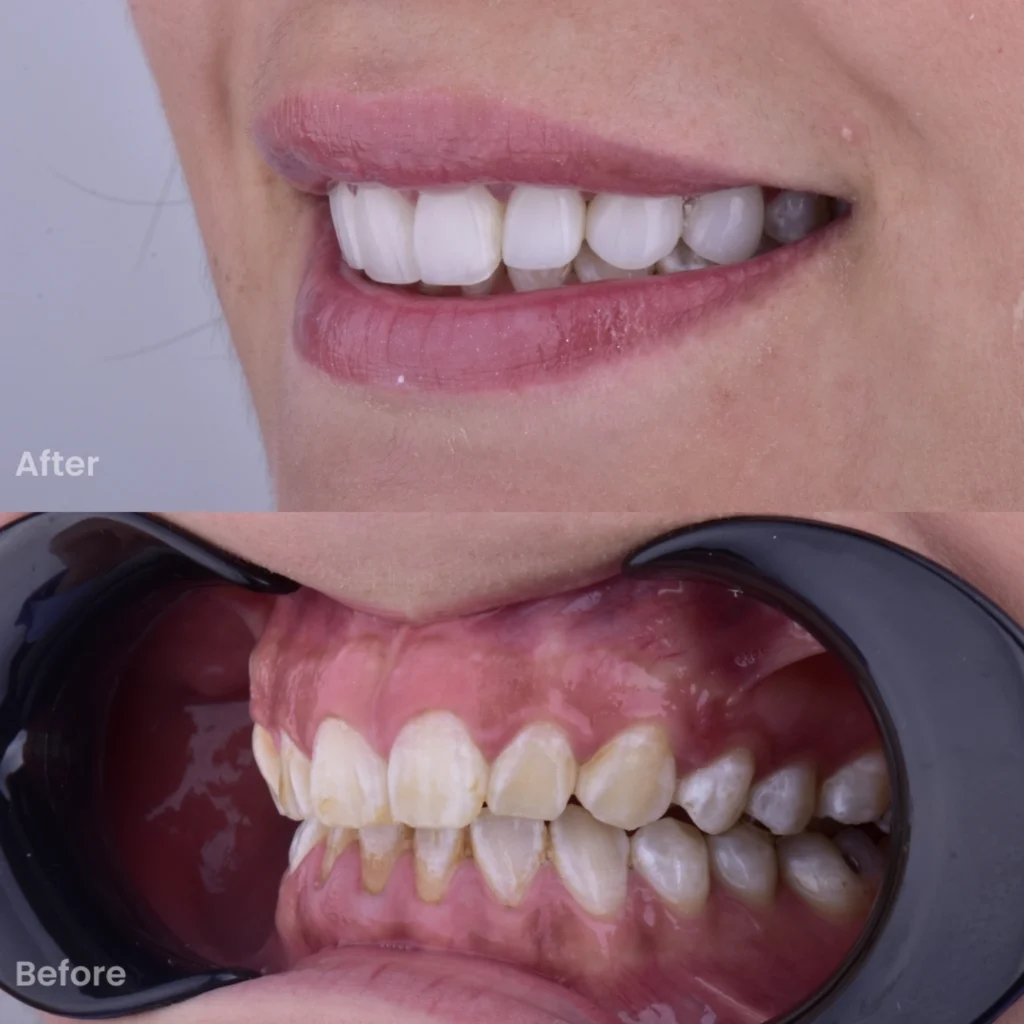
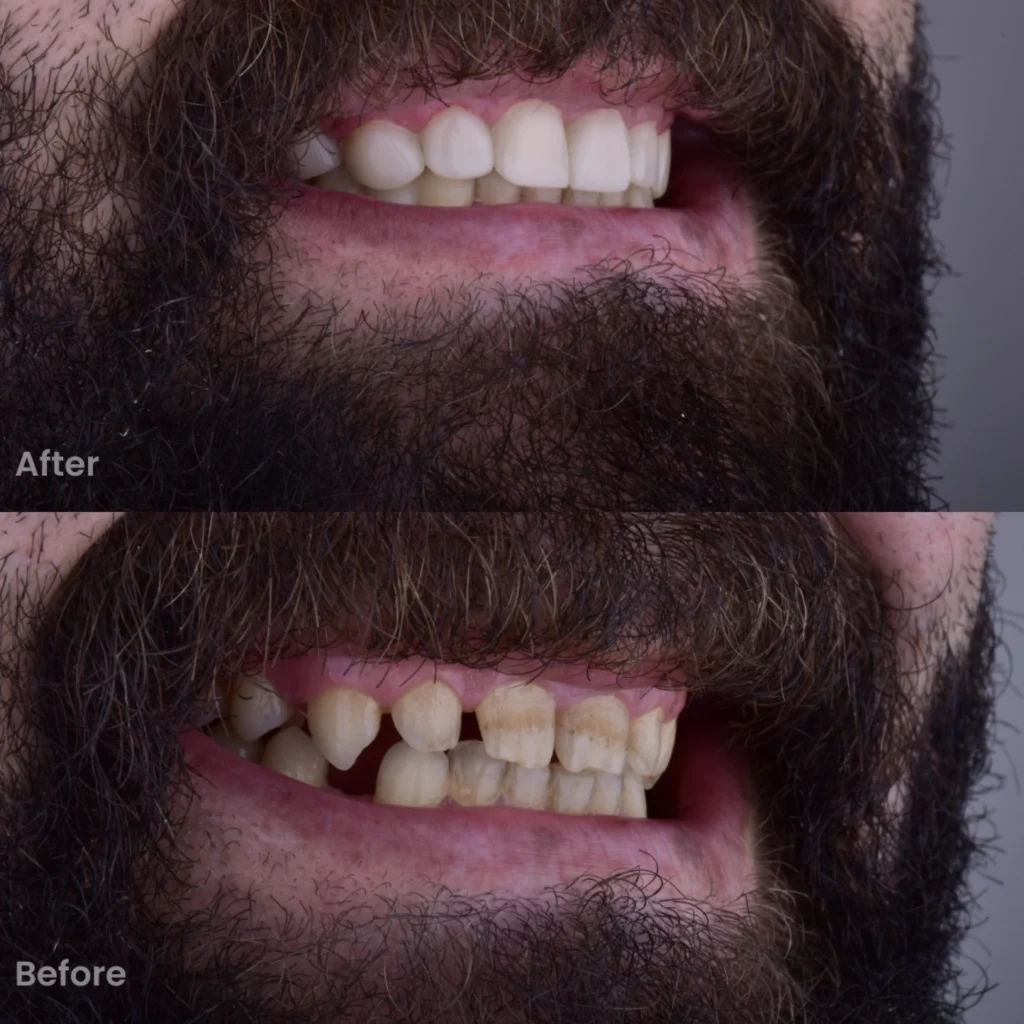
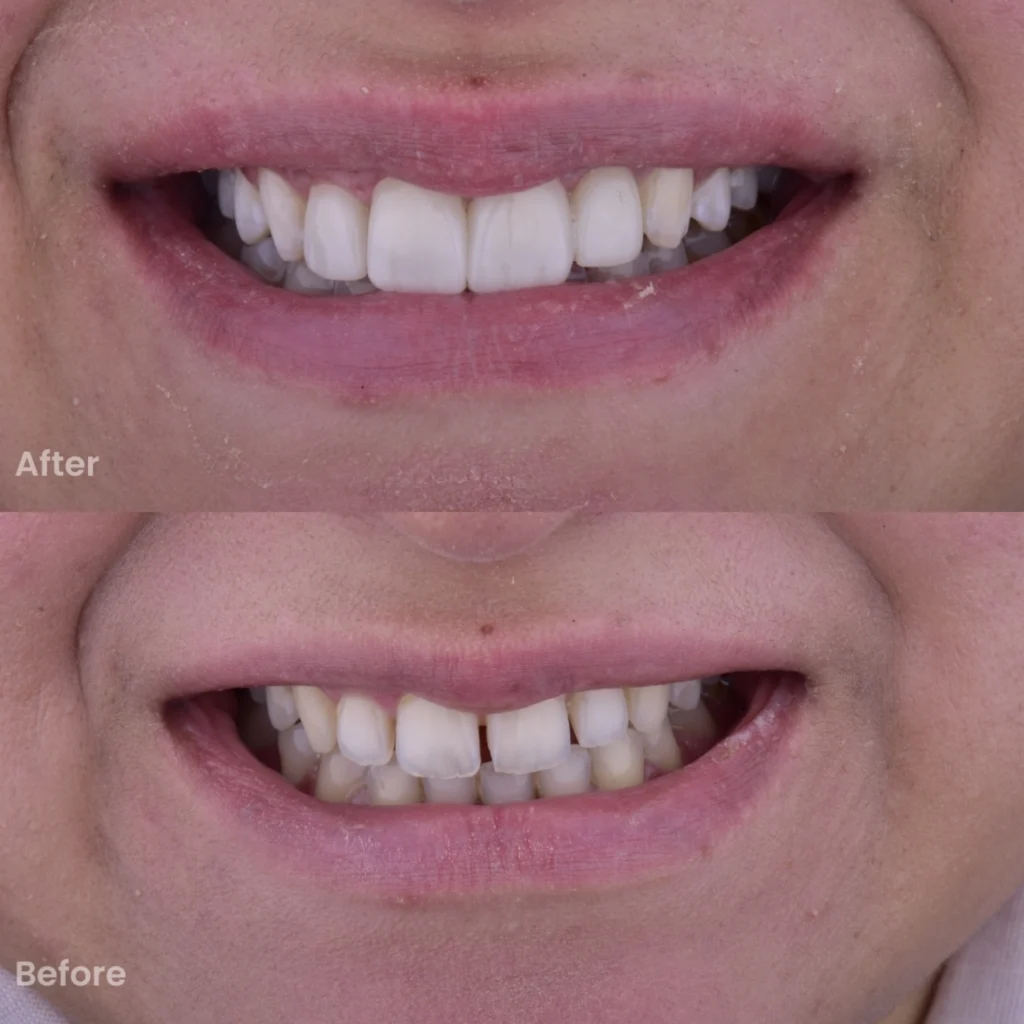
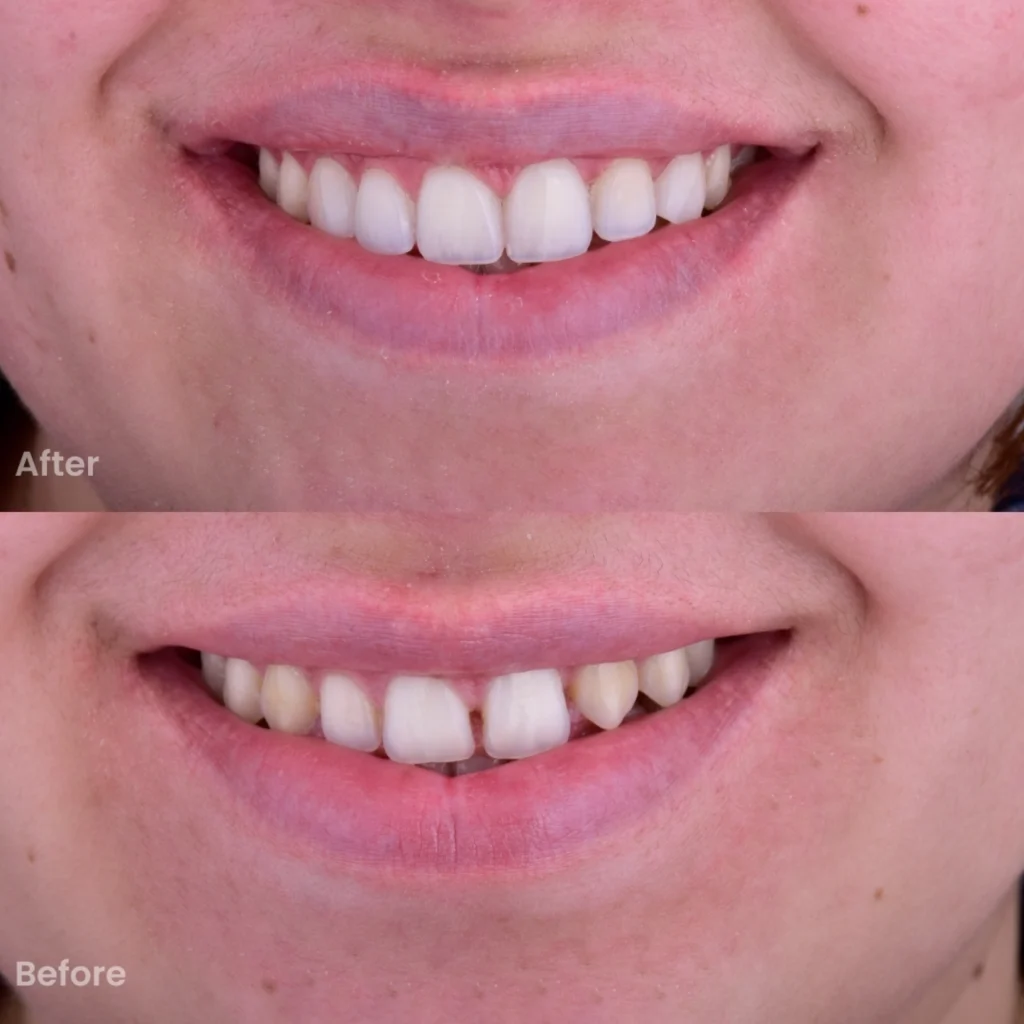
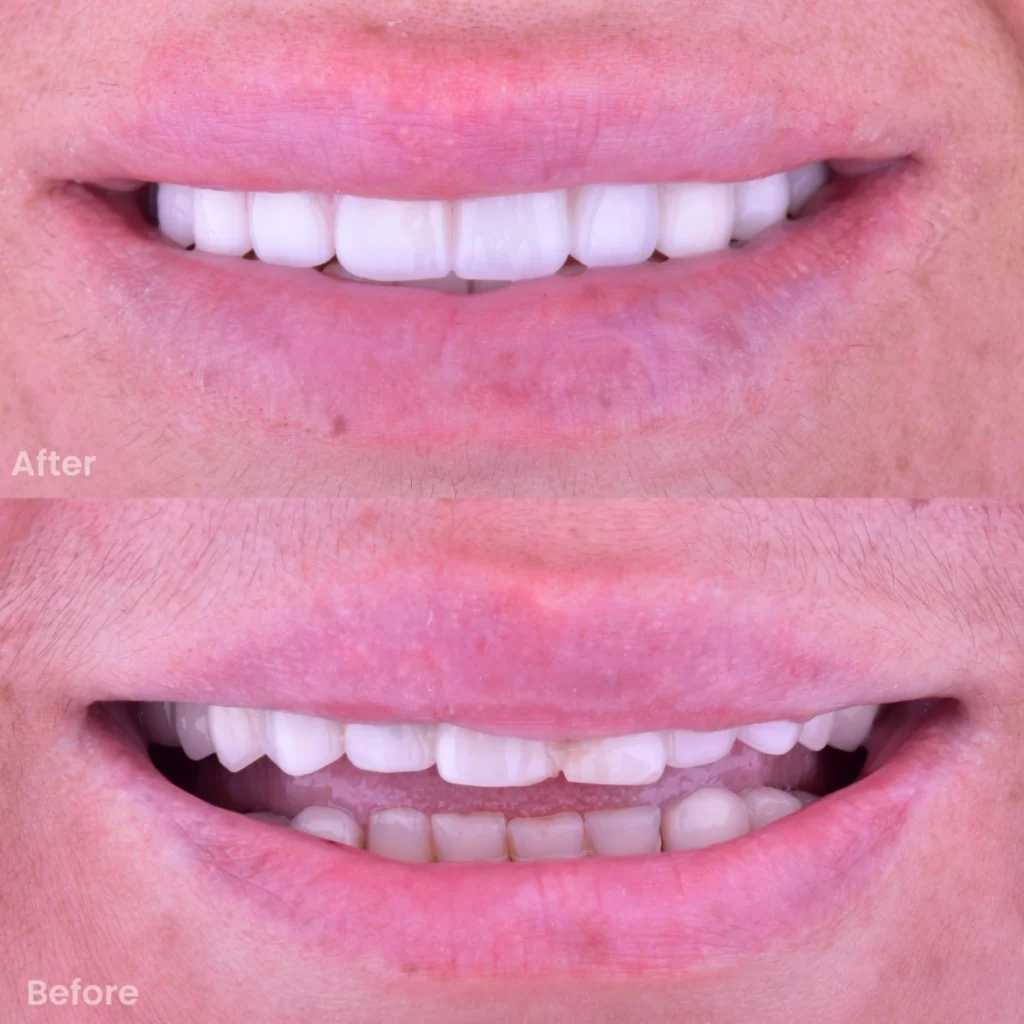
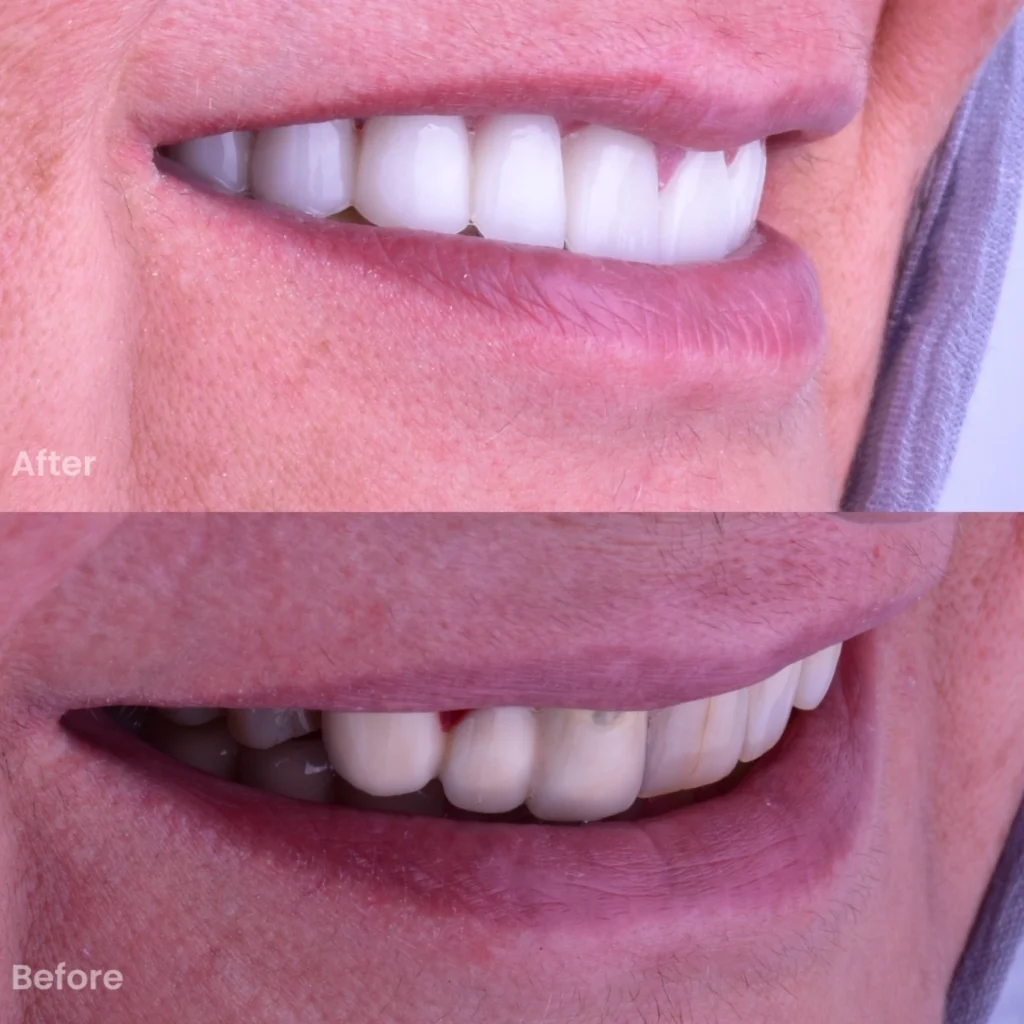
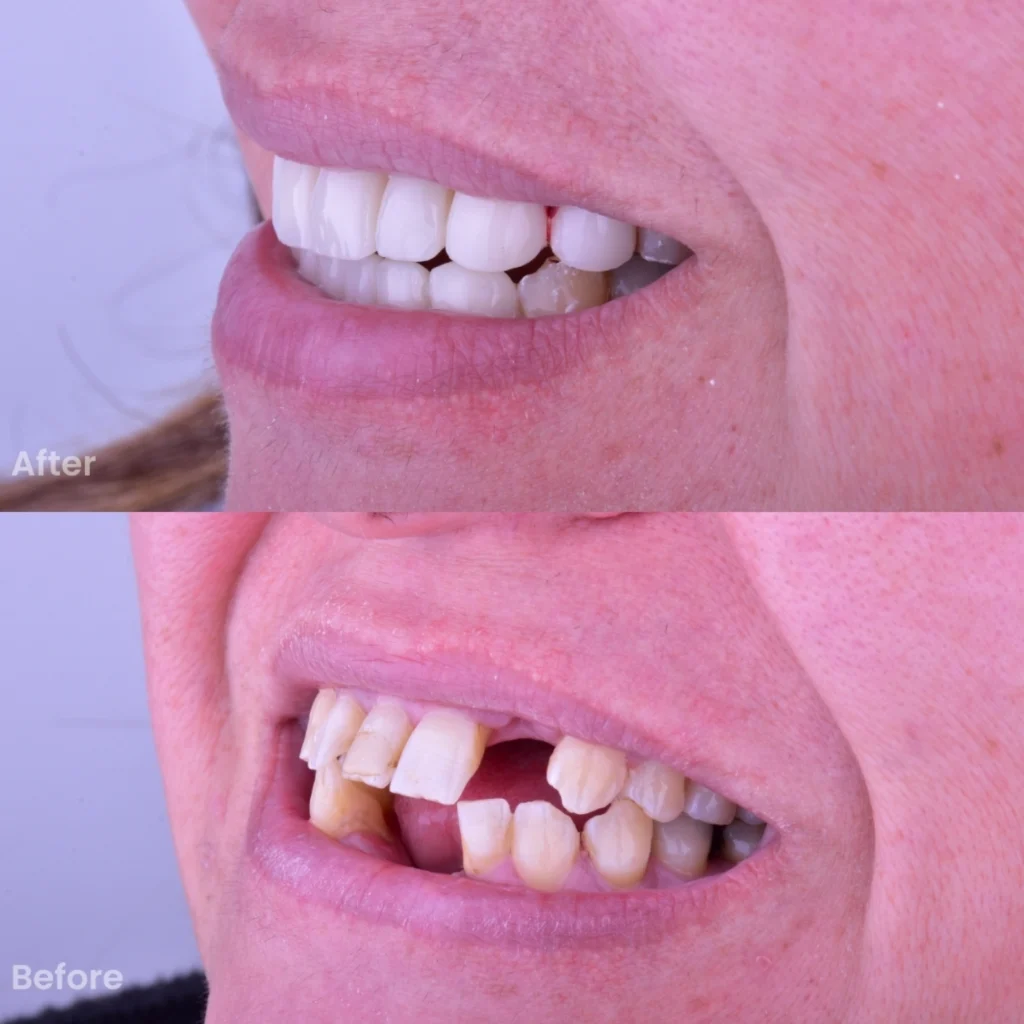
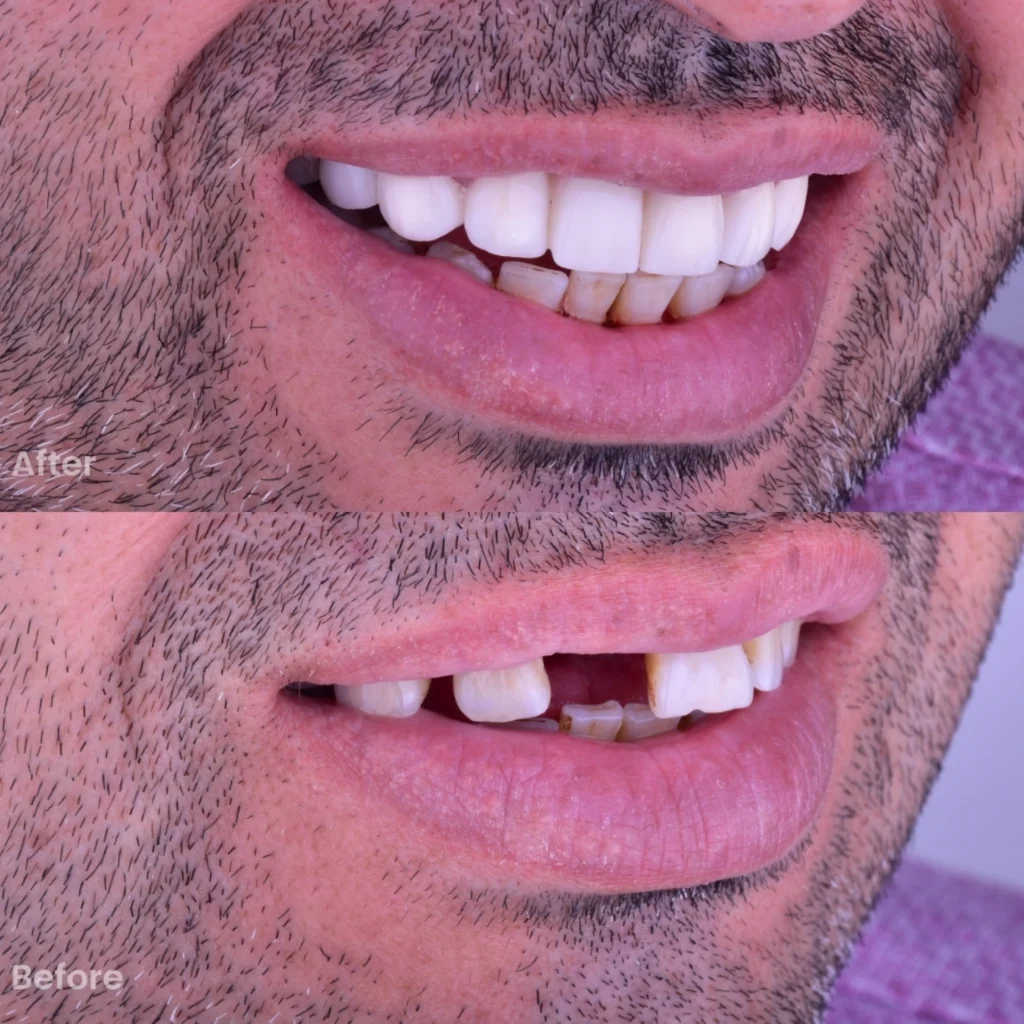
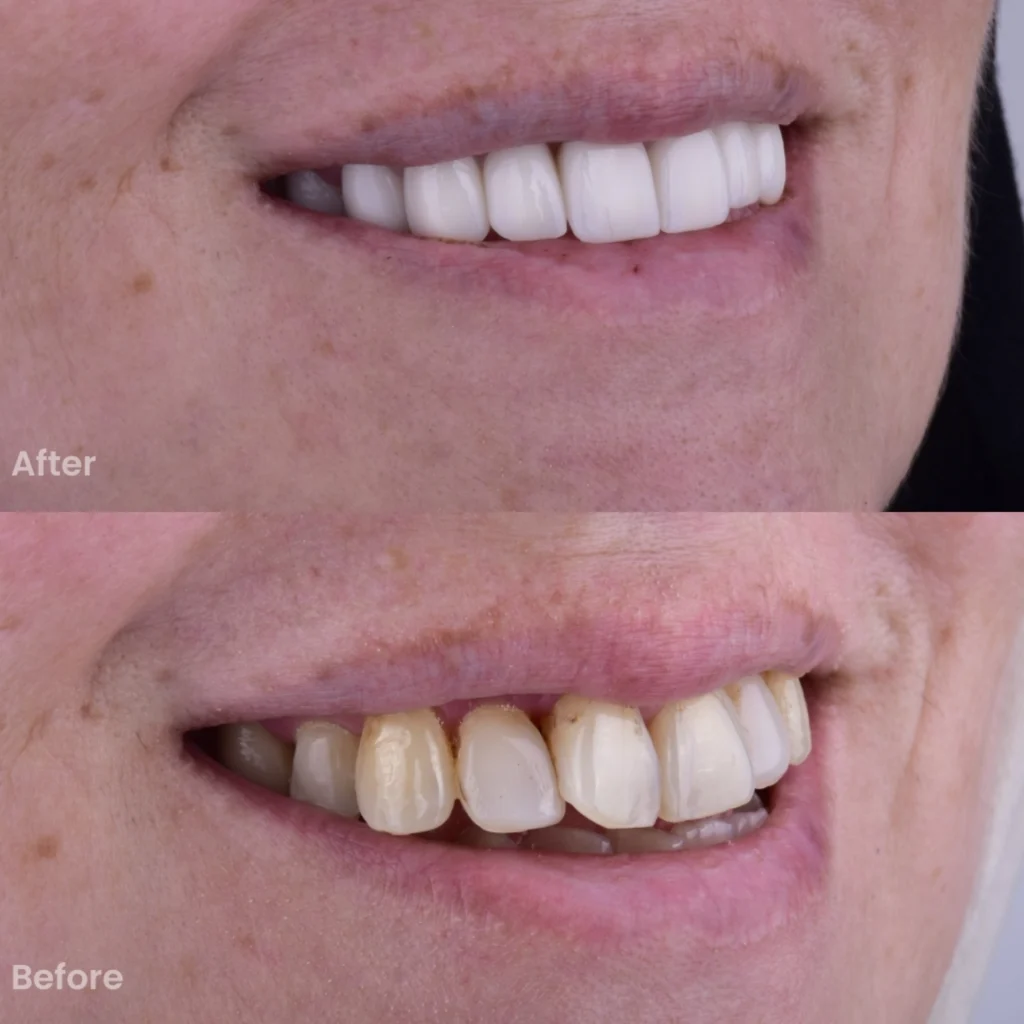
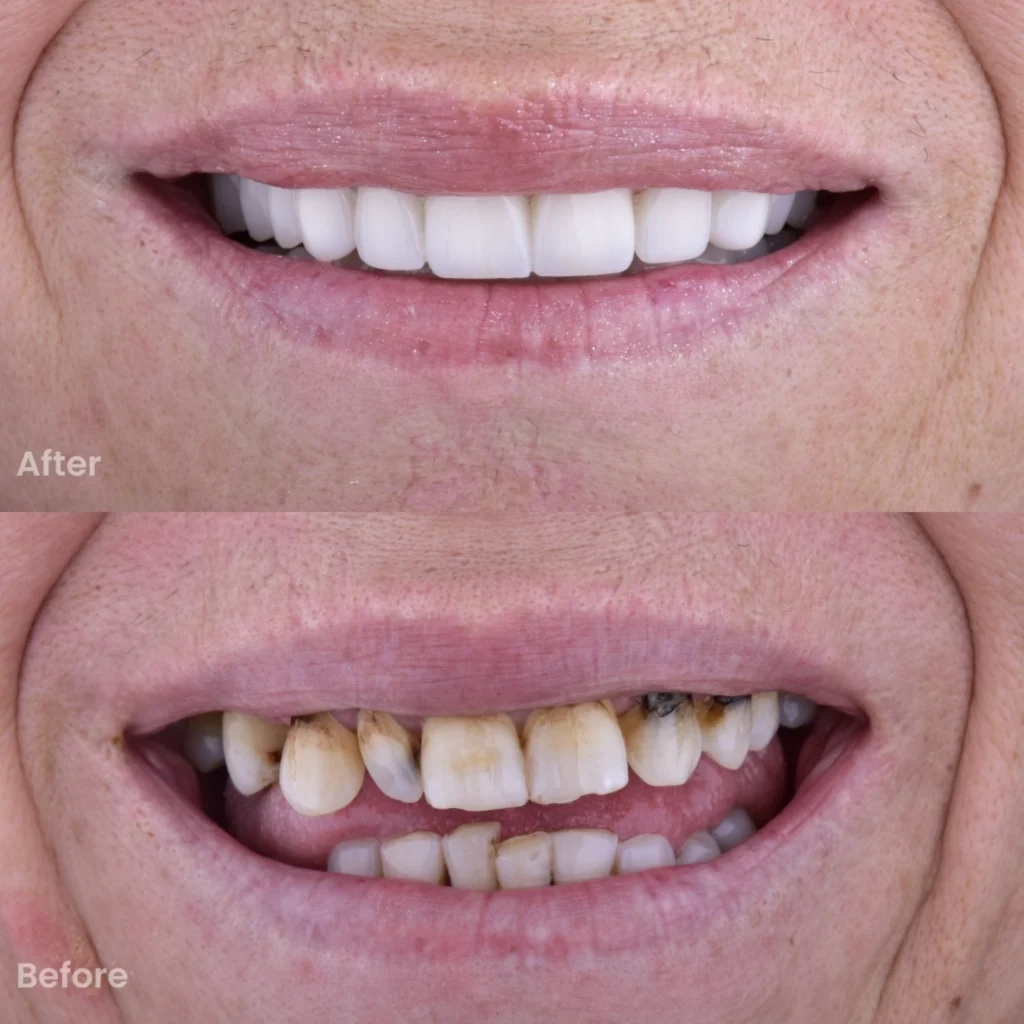
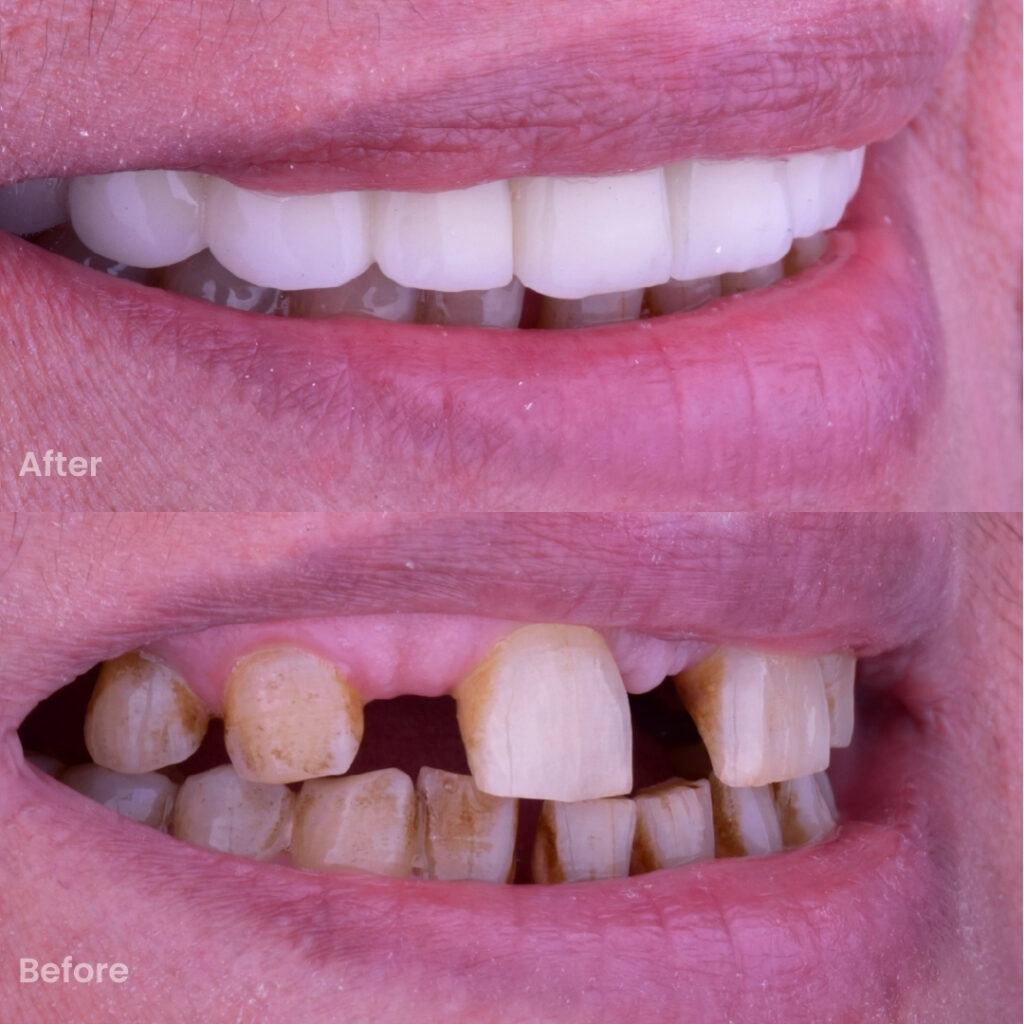
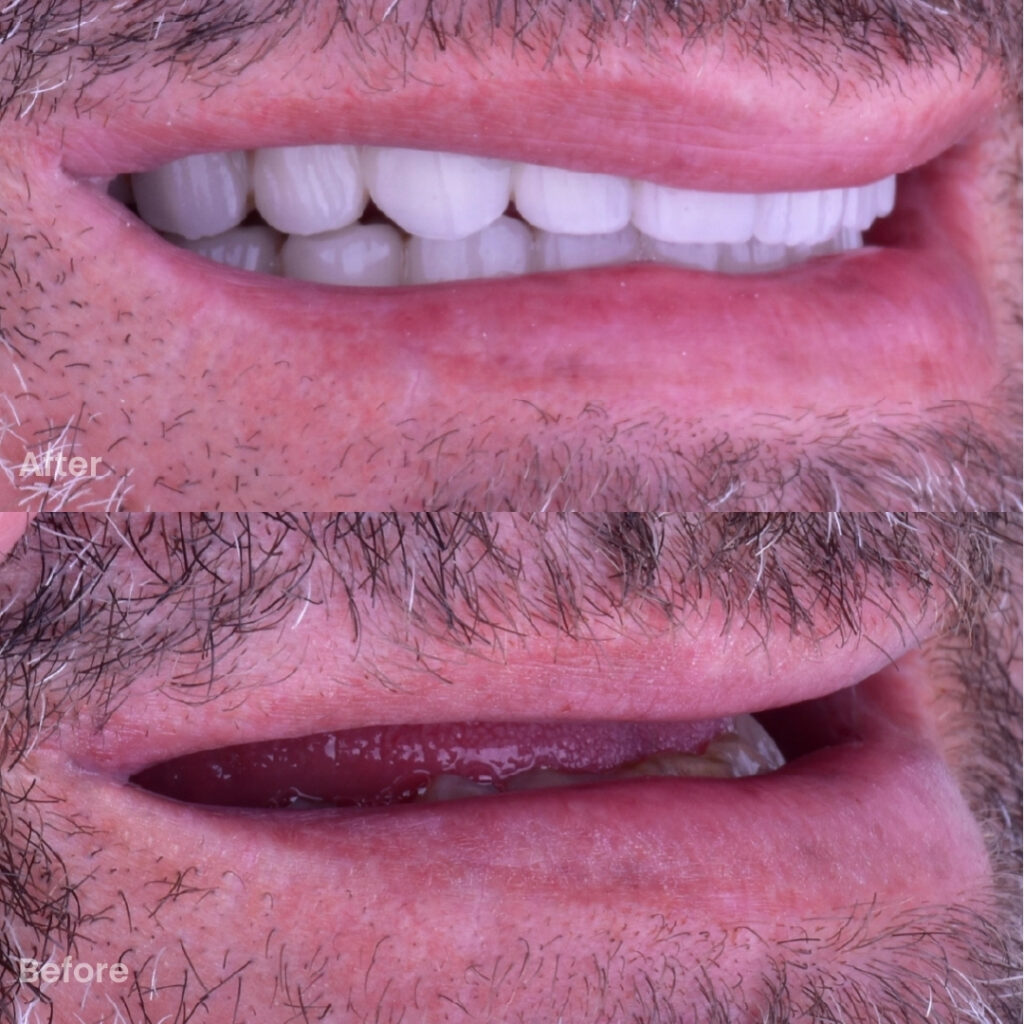
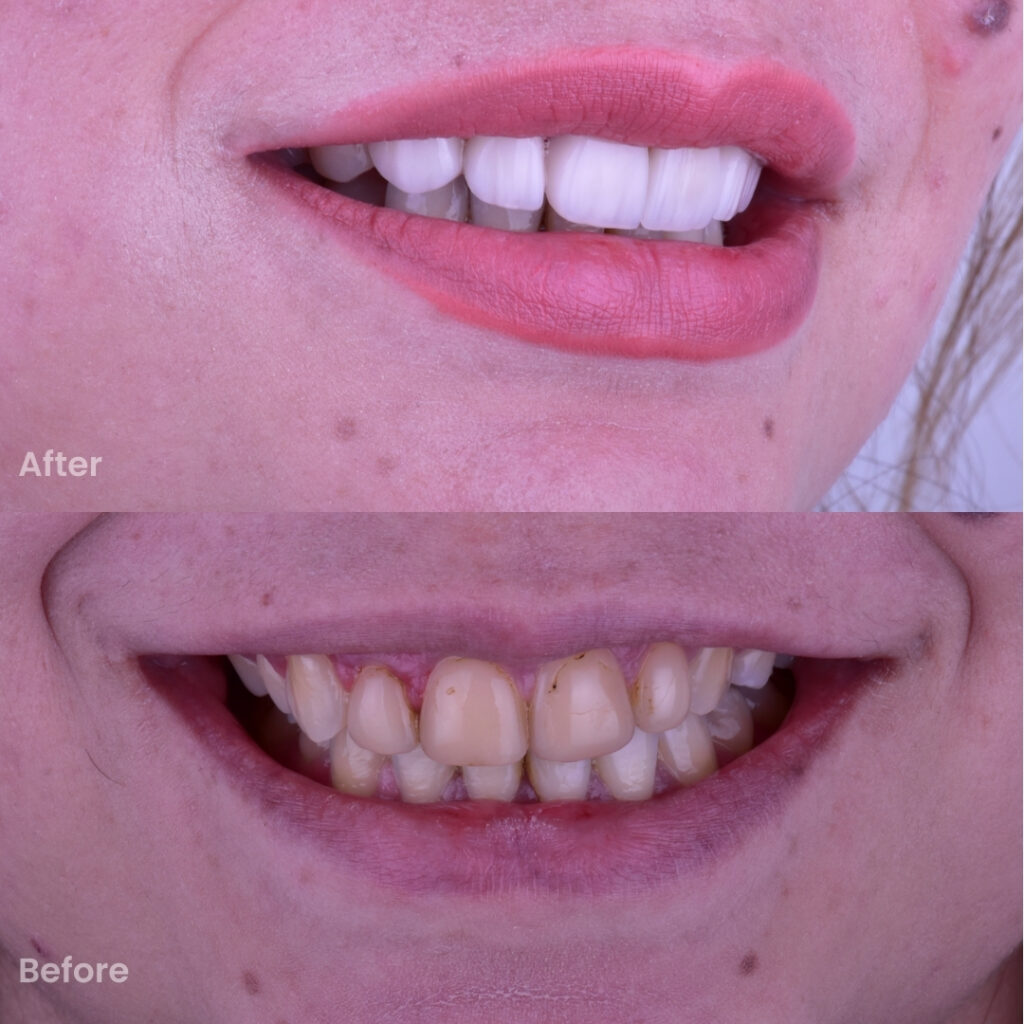
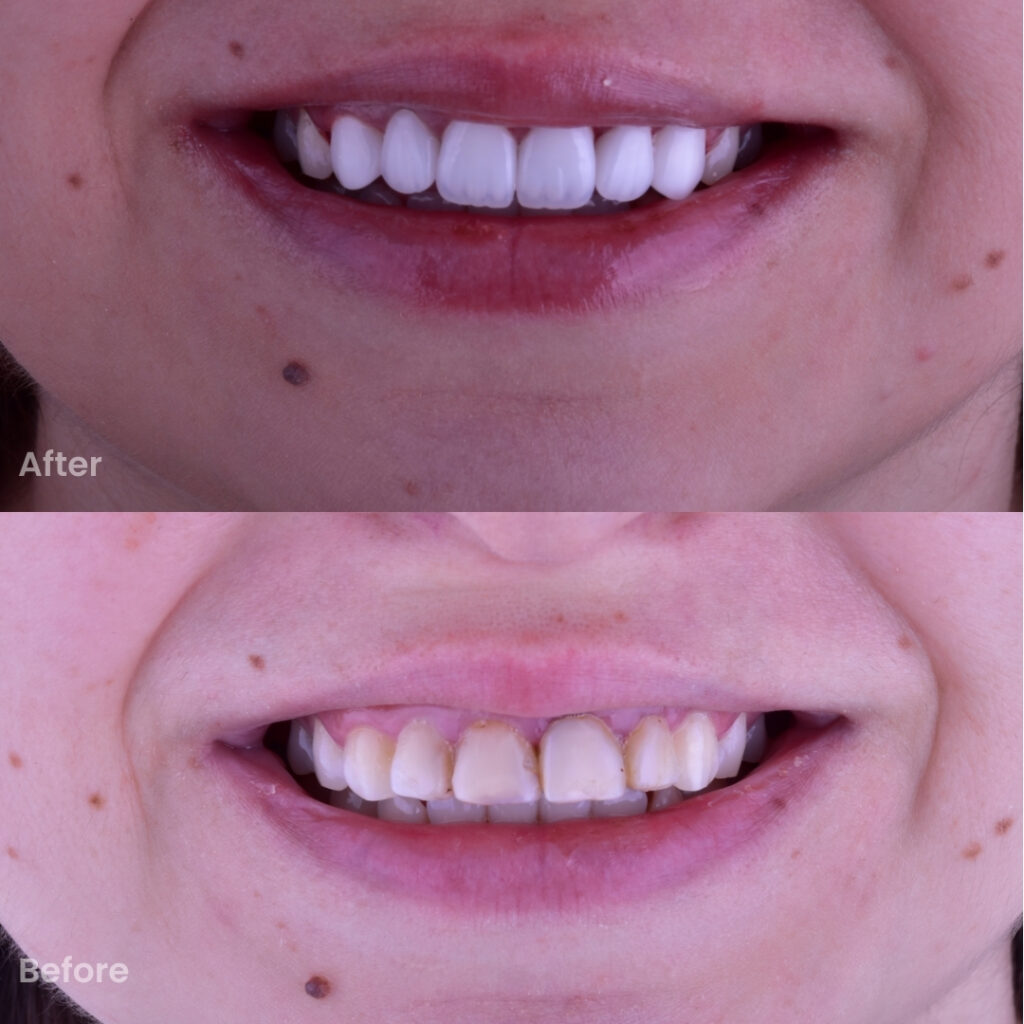
For example, after veneers or dental crowns are placed, a dentist may perform minor tooth filing on adjacent natural teeth to improve symmetry and create a smoother transition between the restoration and the surrounding smile.
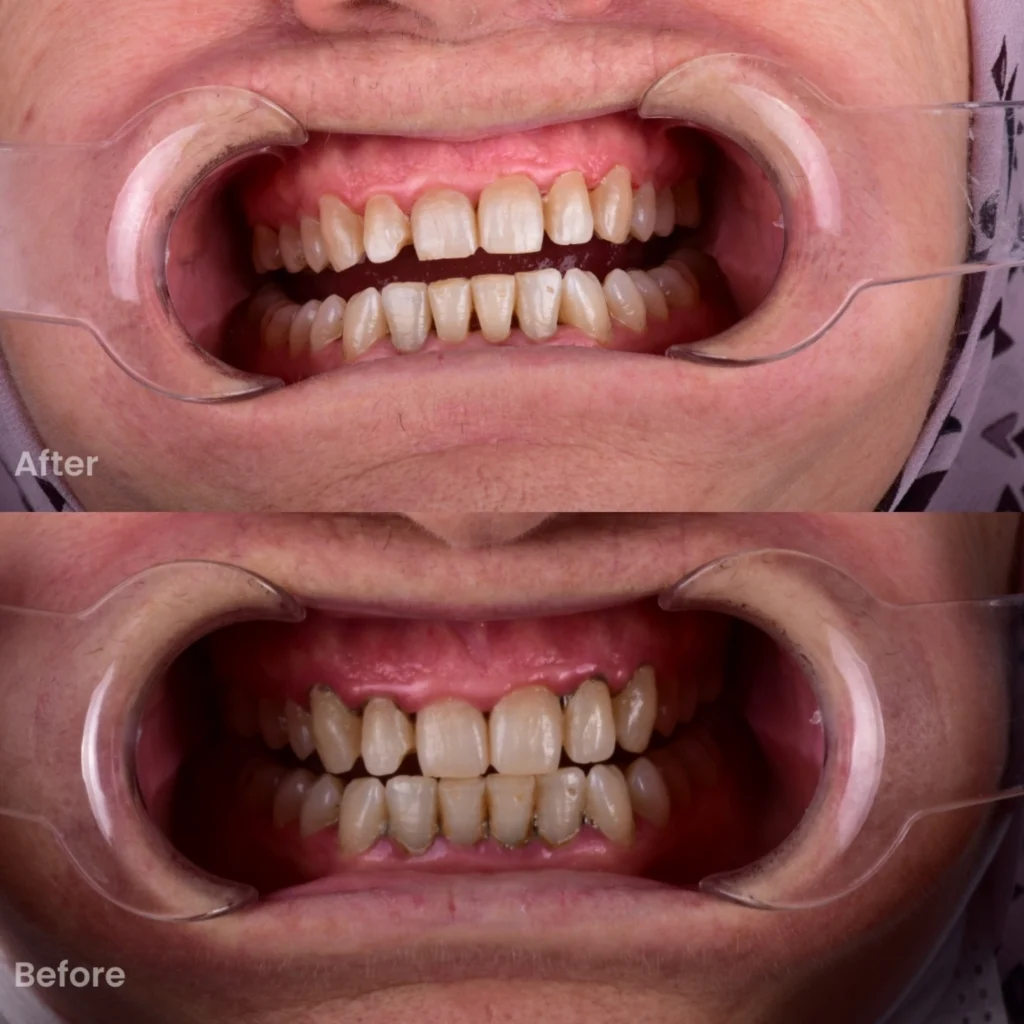
Similarly, after orthodontic treatment, small adjustments through enamel reshaping may help refine the final appearance by correcting tiny differences in tooth shape or length that braces or aligners alone cannot address.
Tooth filing may also be recommended after cosmetic bonding when very small contour adjustments are needed to achieve a harmonious result.
Because every smile is unique, the amount of enamel removed is always carefully planned. The goal is to preserve healthy tooth structure while enhancing both aesthetics and function.
Why Do International Patients Choose Turkey for Cosmetic Dental Treatments?
Over the past decade, Turkey has become one of the leading destinations for patients seeking cosmetic and restorative dental treatments.
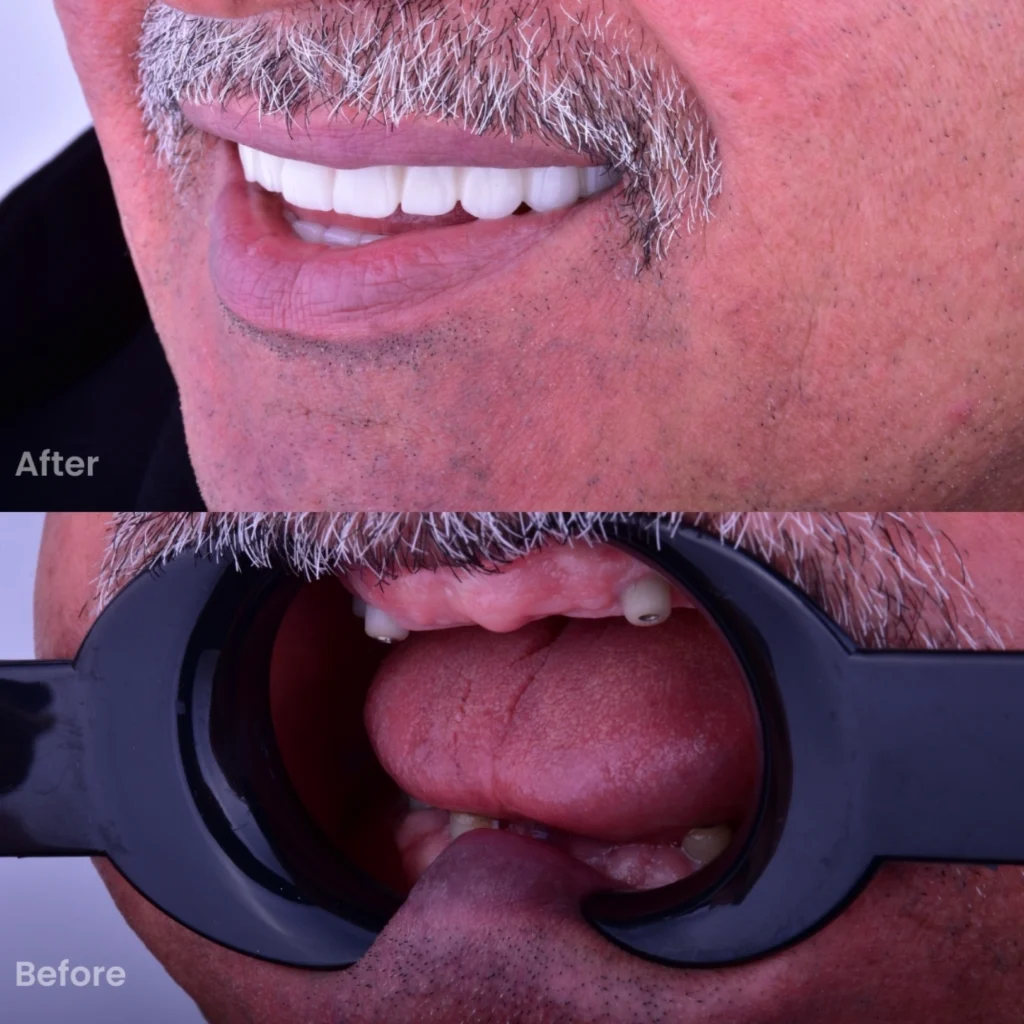
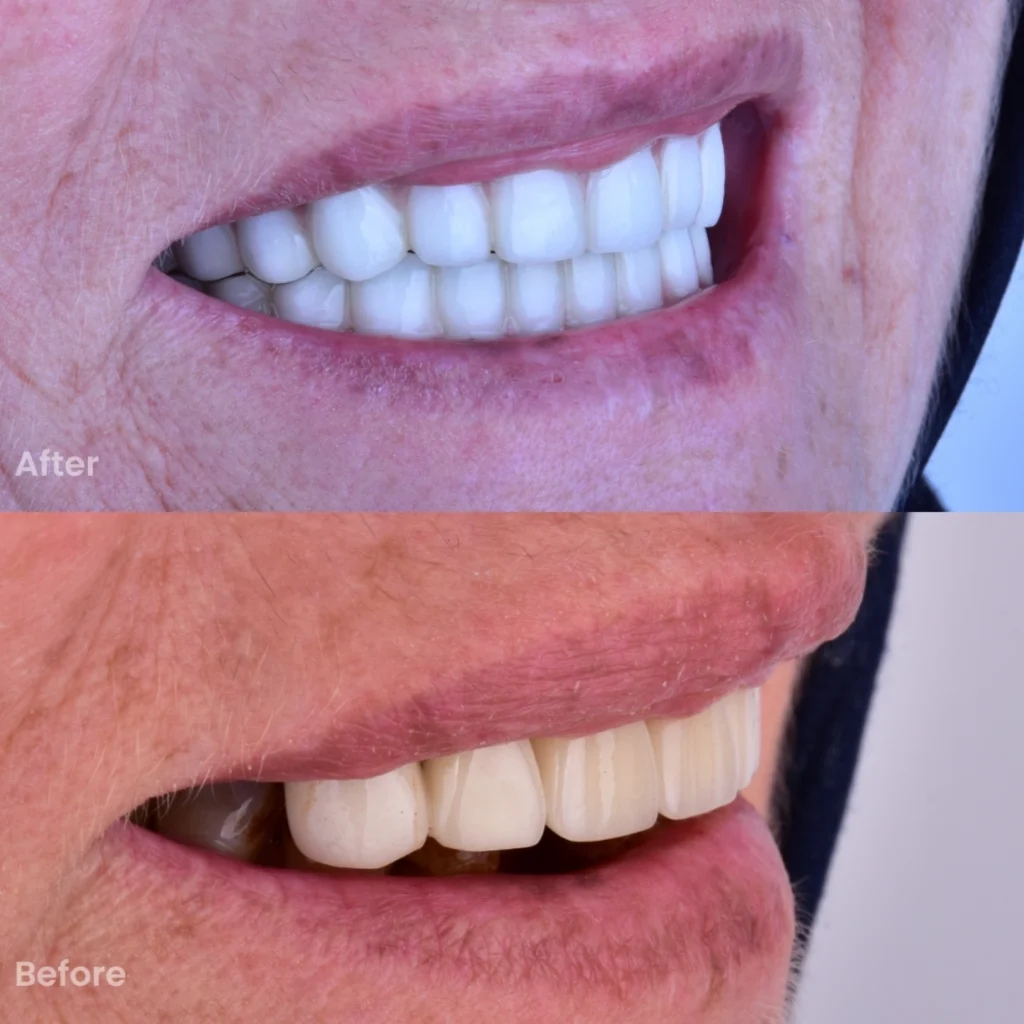
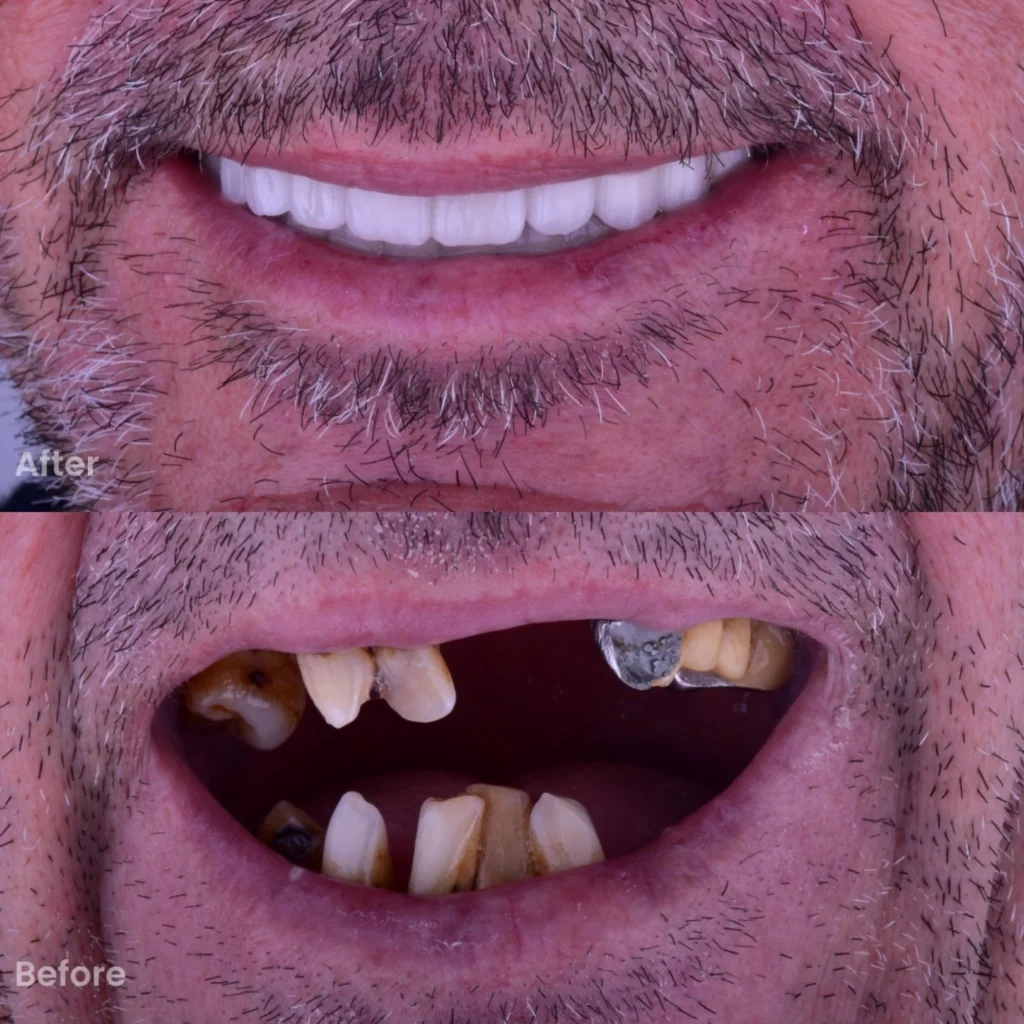
Many international visitors travel for procedures such as veneers, crowns, dental implants, smile makeovers, and full-mouth rehabilitation. In some cases, conservative procedures like tooth filing may also be included as part of a comprehensive treatment plan to improve the final aesthetic outcome.
Cities such as Kayseri have become increasingly recognized for modern dental facilities, digital treatment planning, and multidisciplinary dental care.
Patients considering treatment abroad often look for:
- Comprehensive treatment planning
- Modern digital dentistry technologies
- Personalized smile design
- Experienced dental professionals
- Efficient treatment schedules
- Comfortable travel experience
Depending on the patient’s individual needs, tooth filing may be performed alongside restorative or cosmetic procedures rather than as a standalone treatment.
A detailed clinical examination is always necessary before determining whether enamel reshaping is appropriate.
Frequently Asked Questions
Is tooth filing permanent?
Yes. Tooth filing permanently removes a very small amount of enamel. Because enamel does not regenerate, the procedure should only be performed when clinically appropriate.
Can tooth filing improve my smile?
For patients with minor chips, uneven edges, or slight asymmetry, tooth filing can noticeably improve the overall balance and appearance of the smile.
Does tooth filing damage healthy teeth?
When performed by a qualified dentist, tooth filing is a conservative procedure that removes only a minimal amount of enamel while preserving the strength and health of the tooth.
How long does tooth filing take?
Most tooth filing procedures take between 15 and 30 minutes, depending on the number of teeth being reshaped.
Is tooth filing better than veneers?
These treatments serve different purposes. Tooth filing is suitable for small cosmetic adjustments, while veneers are generally recommended for more significant aesthetic changes.
Can chipped teeth be treated with tooth filing?
Minor chips can often be smoothed through tooth filing. Larger fractures may require cosmetic bonding, veneers, or dental crowns depending on the extent of the damage.
Is recovery required after tooth filing?
Recovery is usually minimal. Most patients return to their normal daily activities immediately after the procedure.
How do I know if I need tooth filing?
The best way to determine whether tooth filing is appropriate is through a professional dental examination. The dentist will evaluate enamel thickness, bite alignment, tooth shape, and overall oral health before recommending treatment.
Conclusion
Tooth filing is one of the most conservative cosmetic dental procedures available today. By carefully reshaping a small amount of enamel, dentists can improve tooth symmetry, smooth rough edges, refine smile aesthetics, and enhance overall comfort without significantly altering the natural tooth structure.
Although it may seem like a simple procedure, tooth filing requires careful planning and professional evaluation to ensure long-term oral health. Every patient’s smile is unique, and the amount of enamel that can be safely adjusted varies from person to person.
Understanding the difference between tooth filing and dental filling is also important. While a dental filling restores teeth affected by decay or damage, tooth filing focuses on reshaping healthy enamel to improve appearance or function.
When performed by an experienced dental professional as part of a personalized treatment plan, tooth filing can be an effective way to achieve subtle yet meaningful improvements to a smile. Whether it is used on its own or combined with orthodontic treatment, veneers, crowns, or other cosmetic procedures, enamel reshaping remains a valuable option for patients seeking natural-looking results.
Before deciding on any cosmetic dental treatment, a comprehensive dental examination is essential to determine the most appropriate approach based on your individual oral health and aesthetic goals.