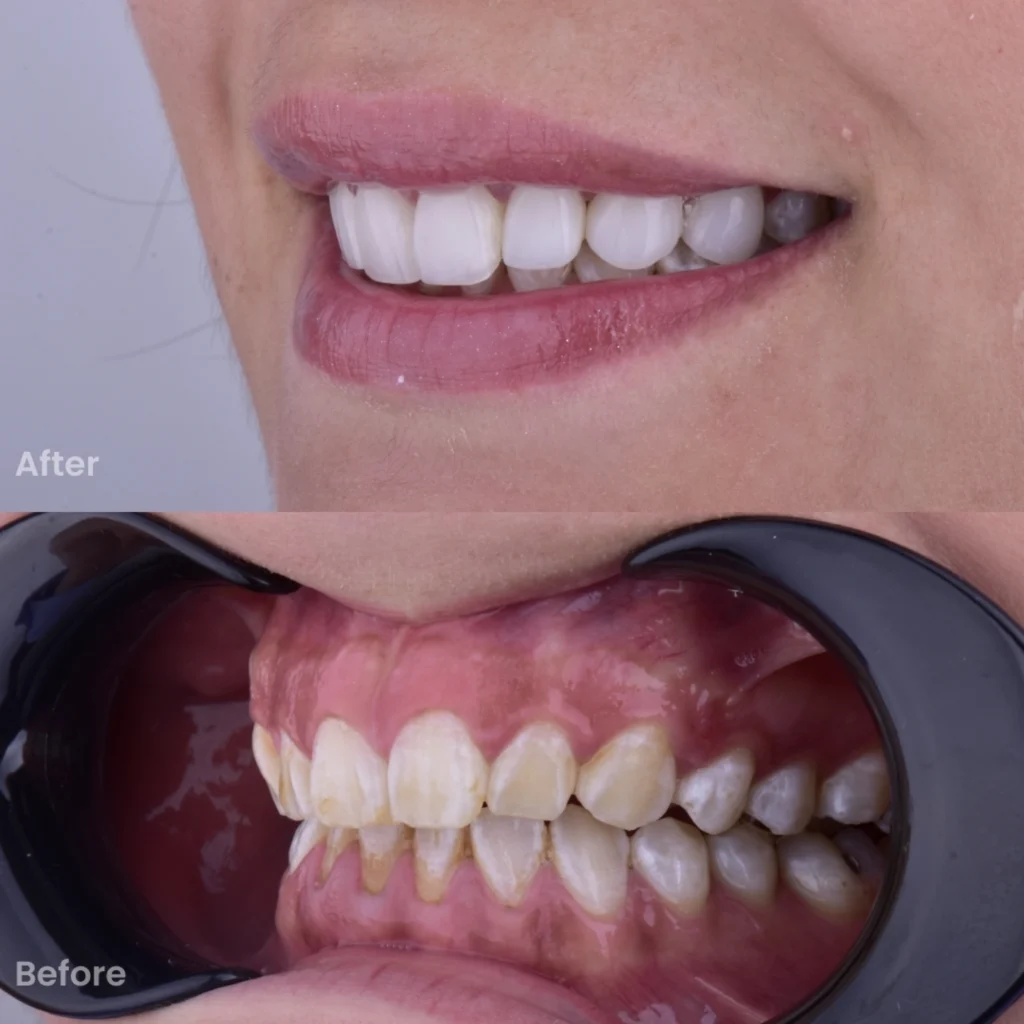
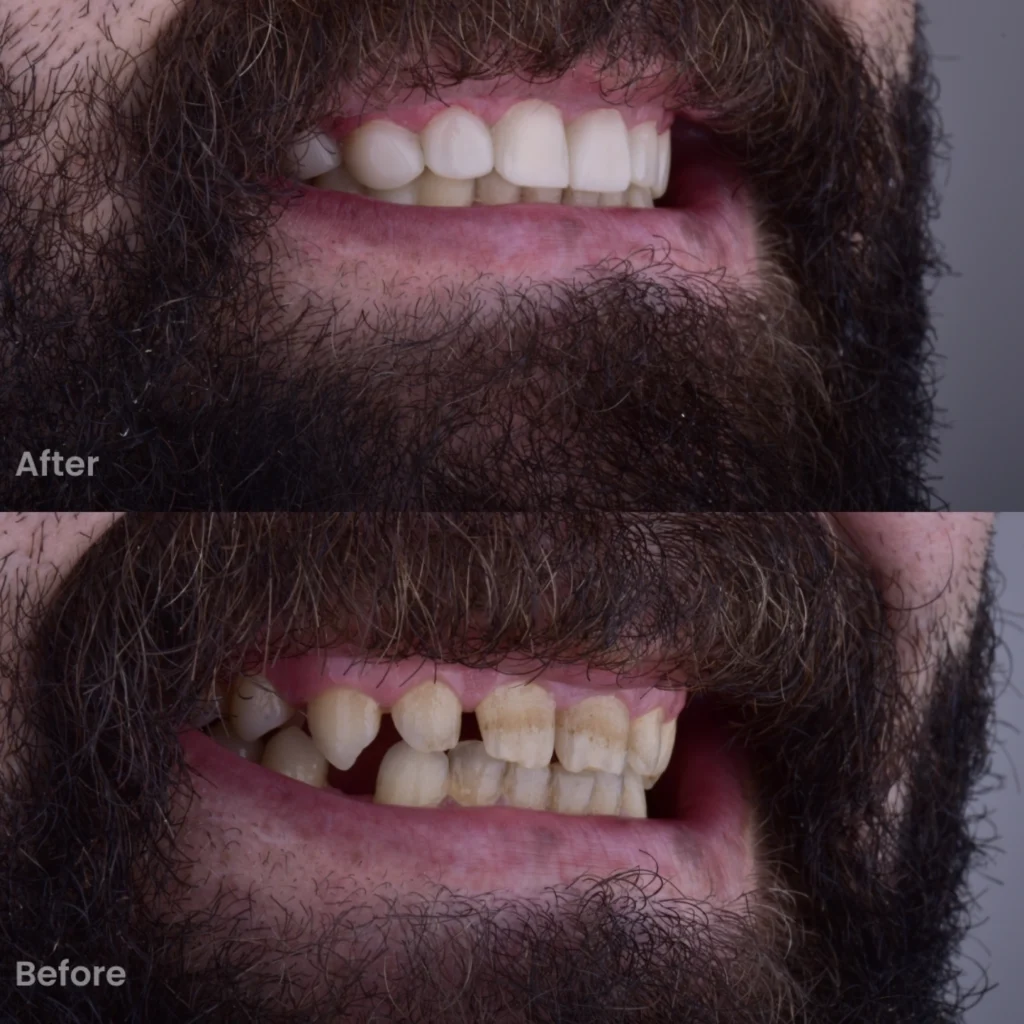
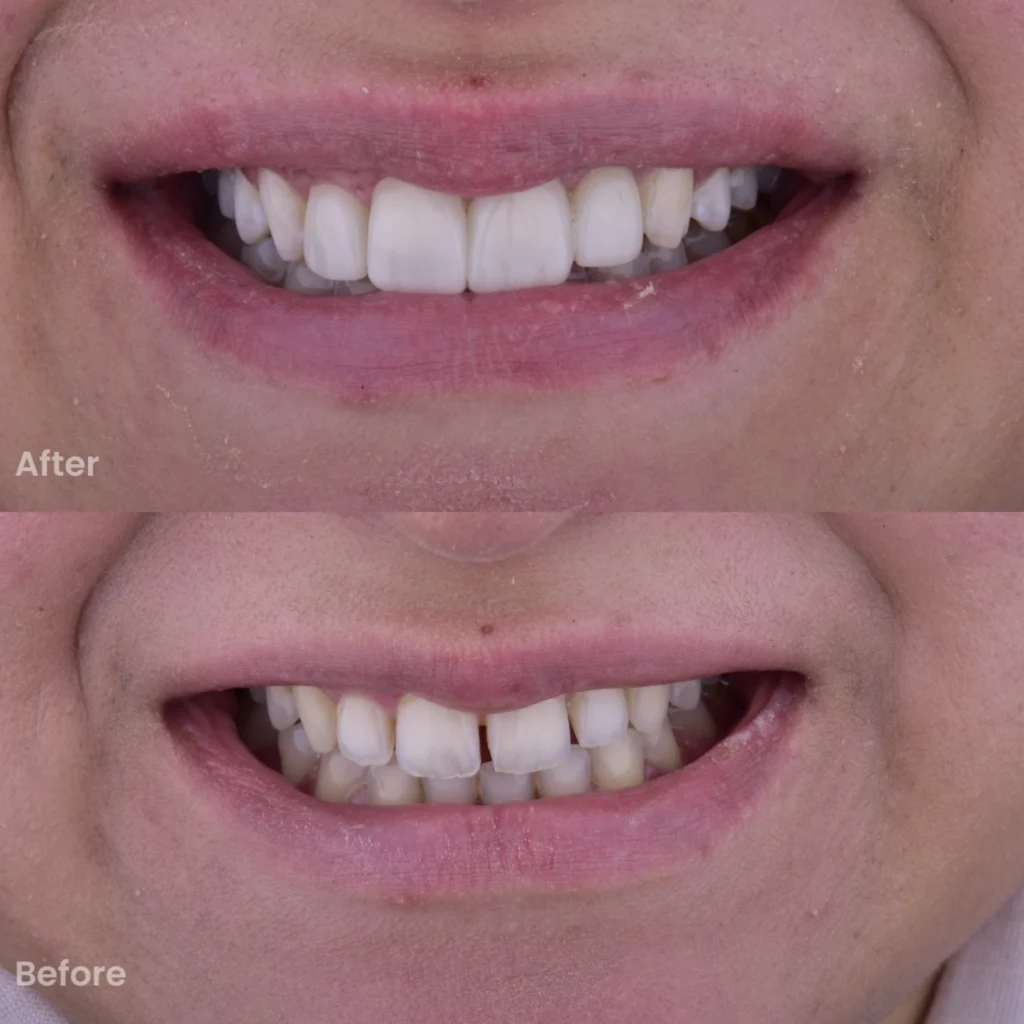
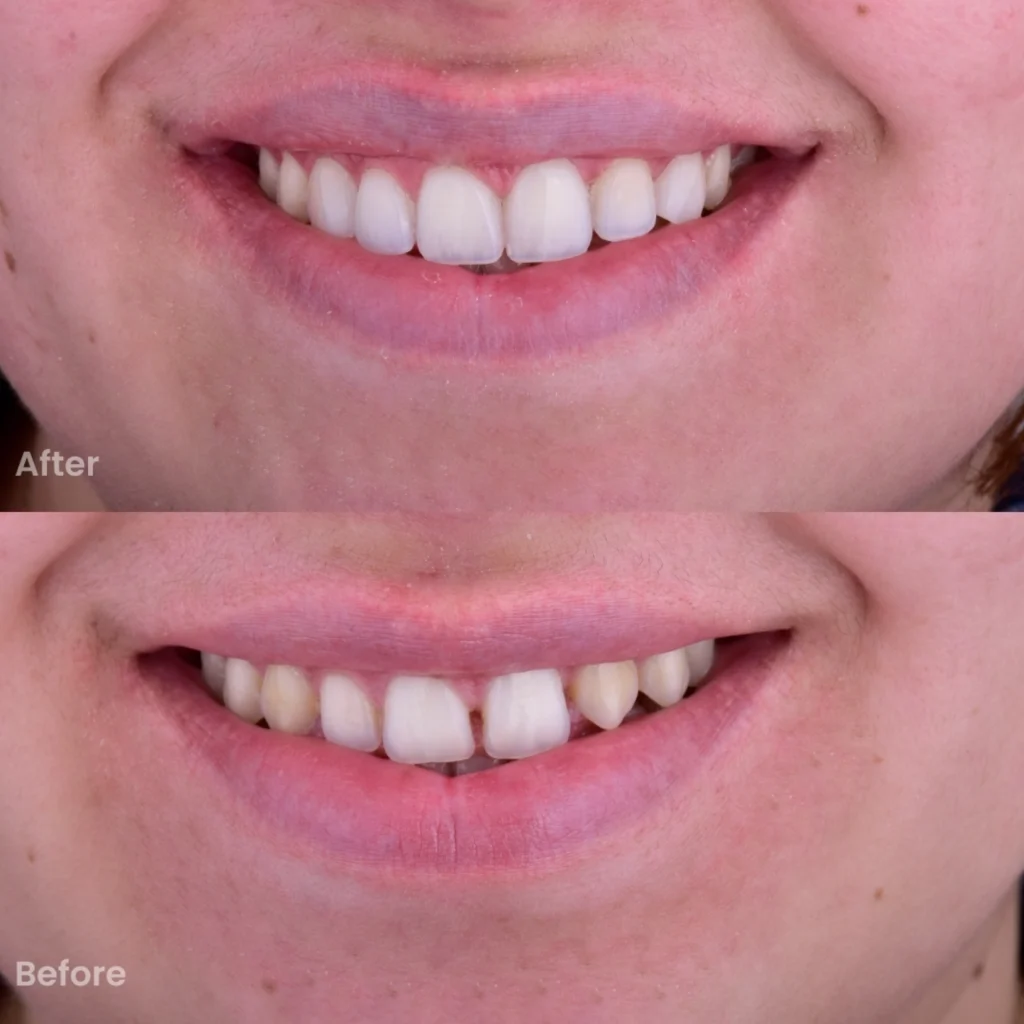
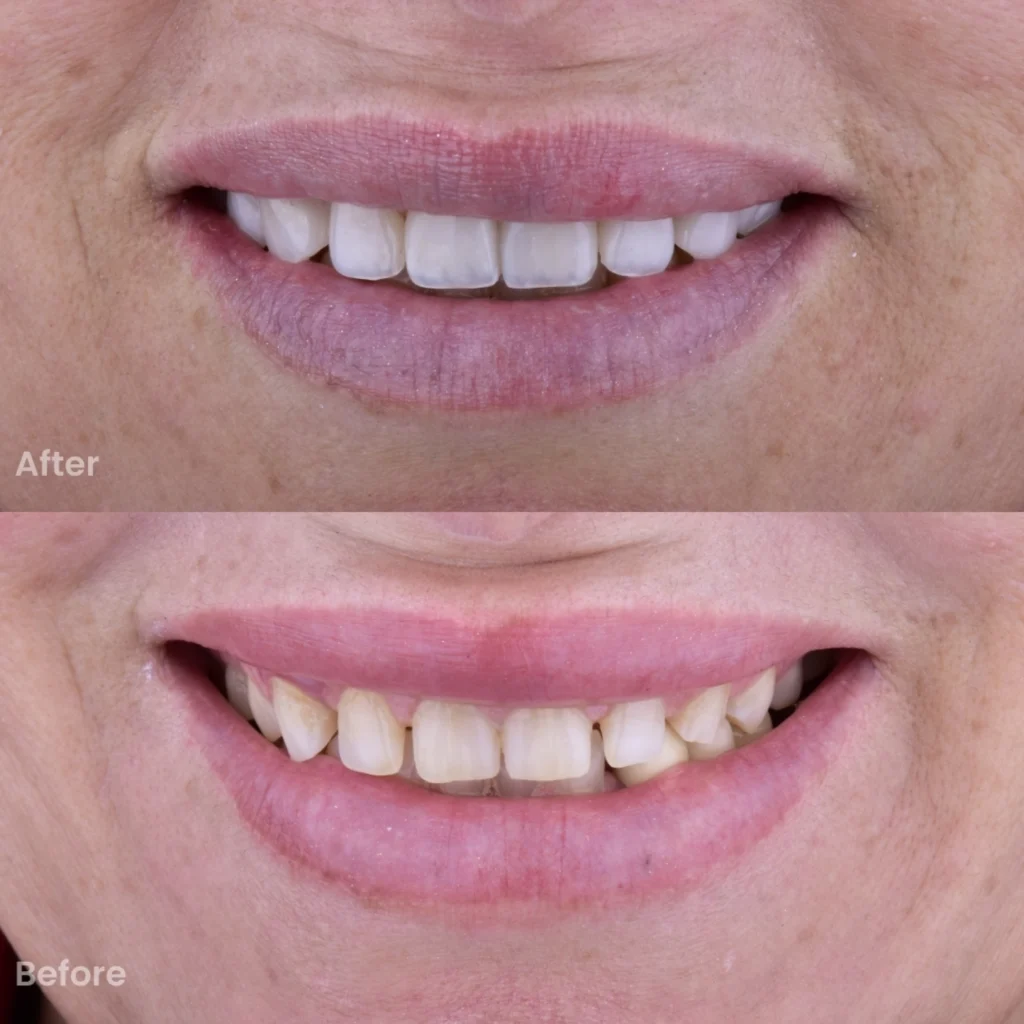
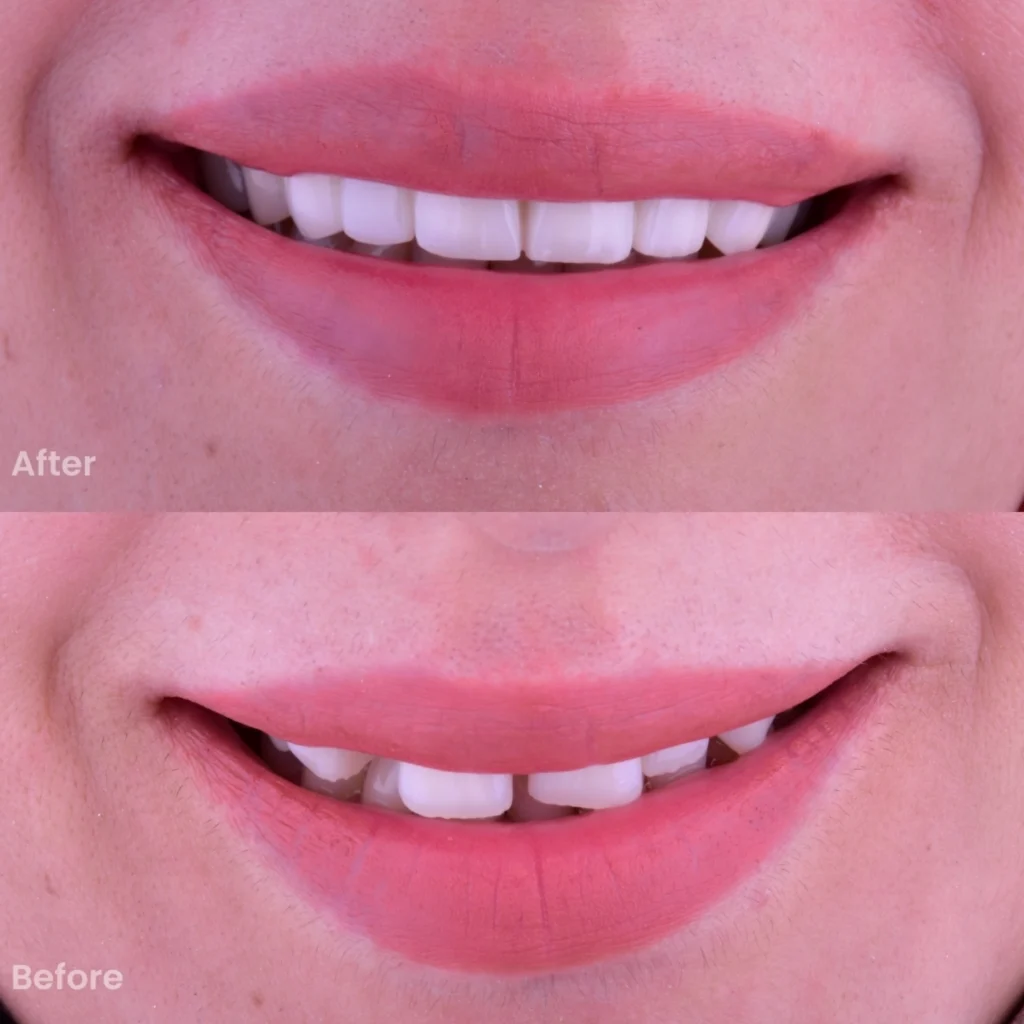
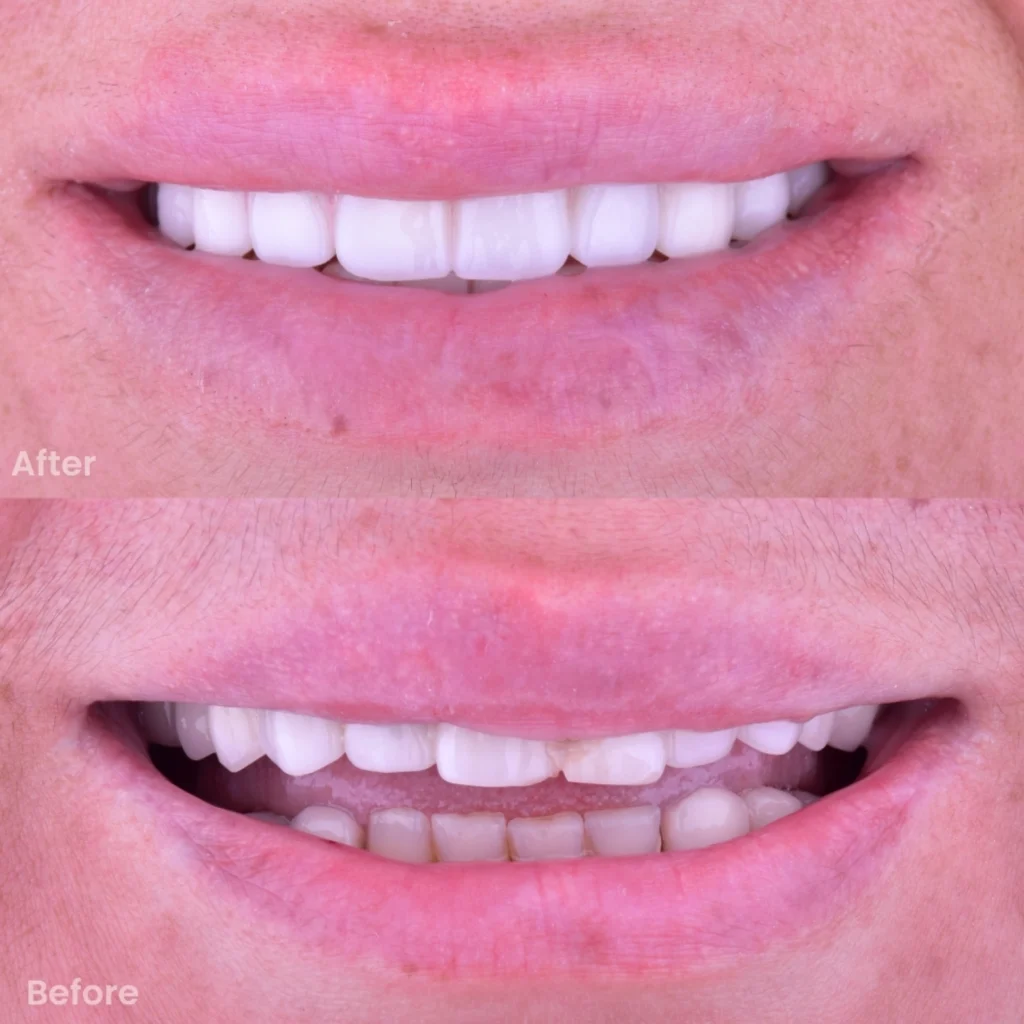
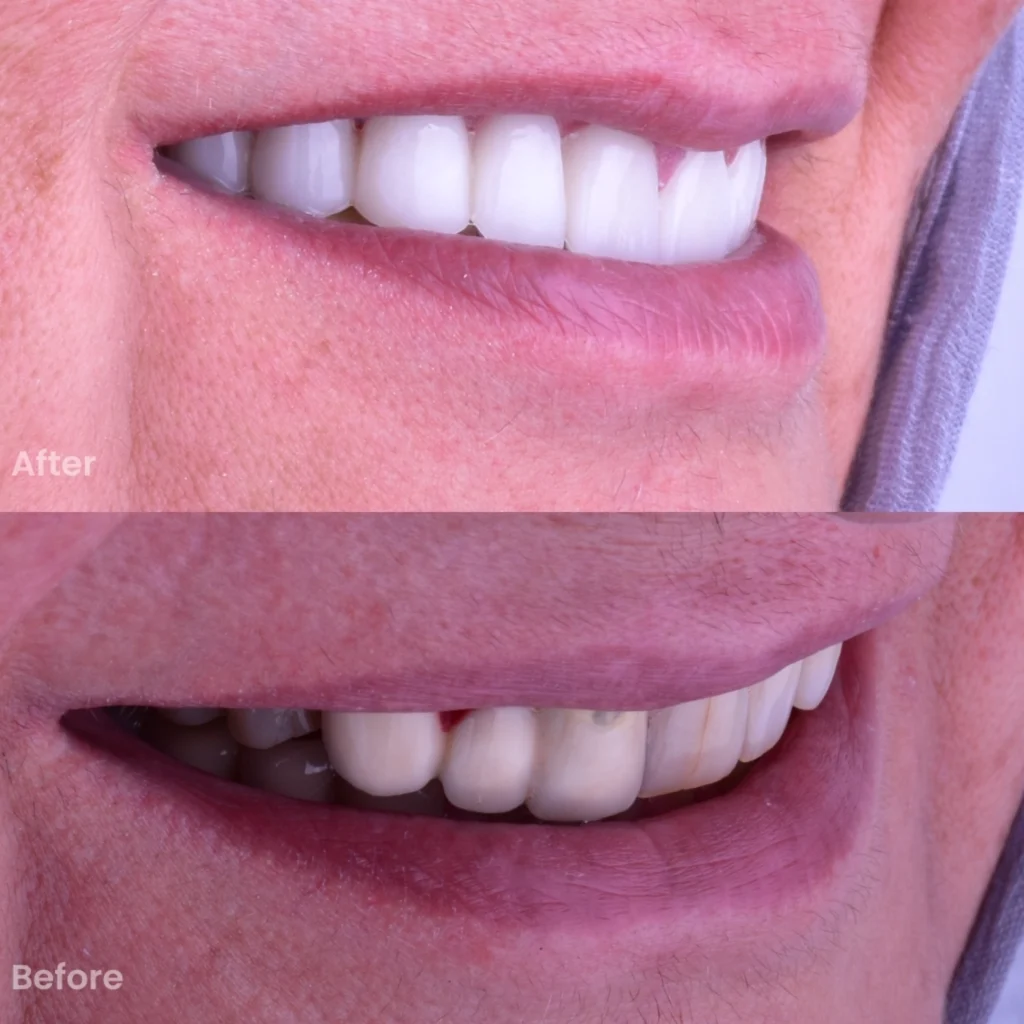
+90 538 279 69 38
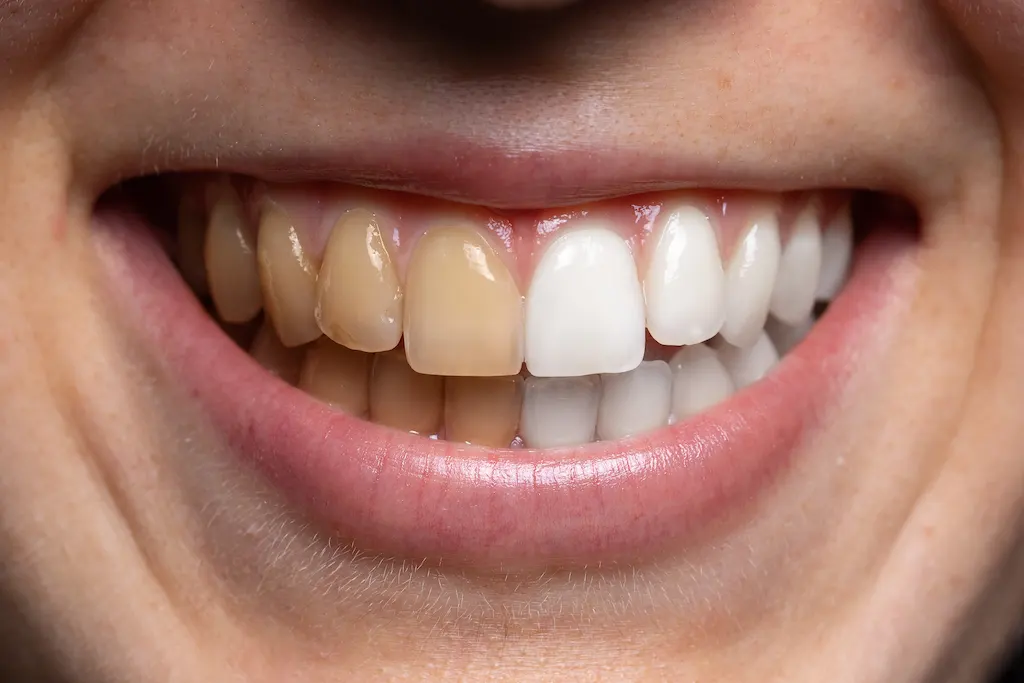
Your smile naturally changes over time, and tooth color is no exception. Coffee in the morning, tea during the day, certain foods, smoking, oral hygiene habits, and the natural aging process can all affect the appearance of your teeth.
If you have ever wondered, “How can I keep my teeth white?” or “How can I prevent my teeth from becoming yellow?”, the answer is not about constantly whitening your teeth. Maintaining your natural tooth color is mainly about understanding what causes discoloration and developing everyday habits that help reduce staining.
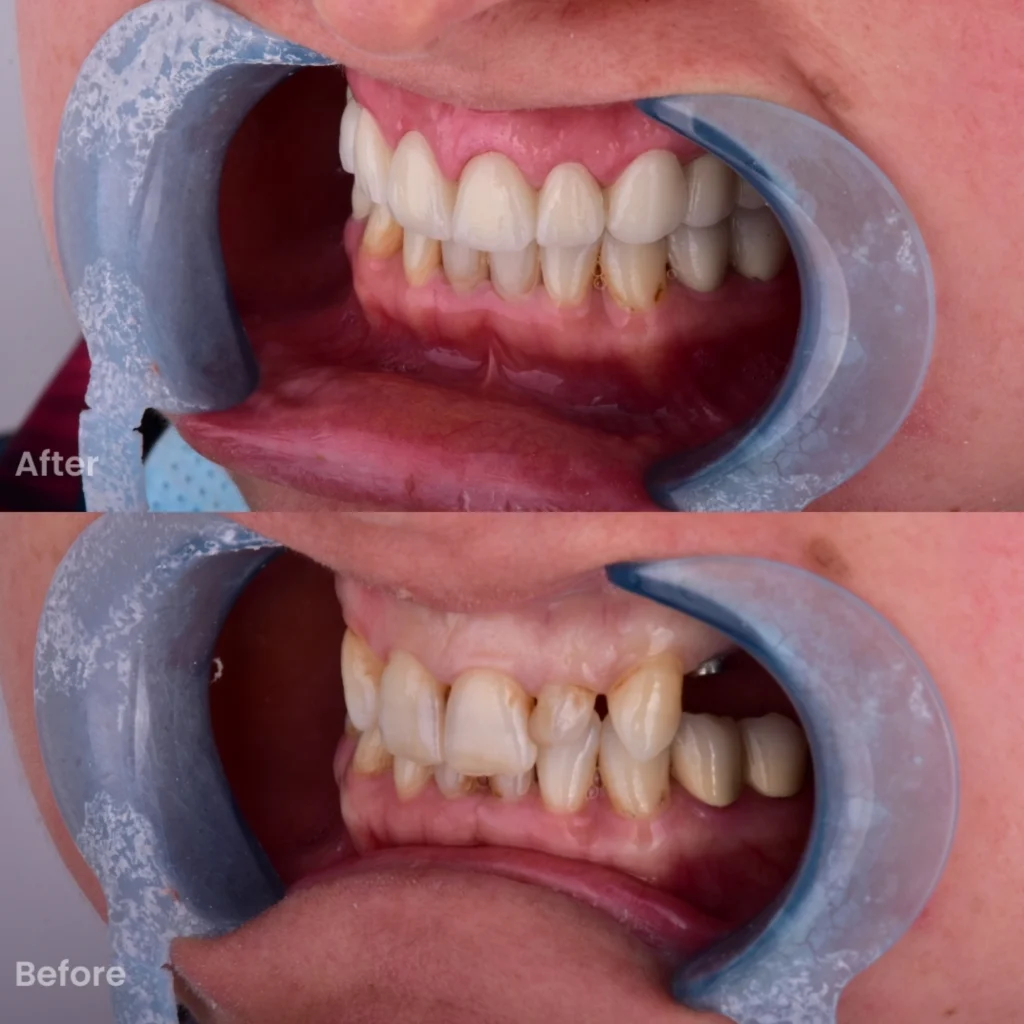
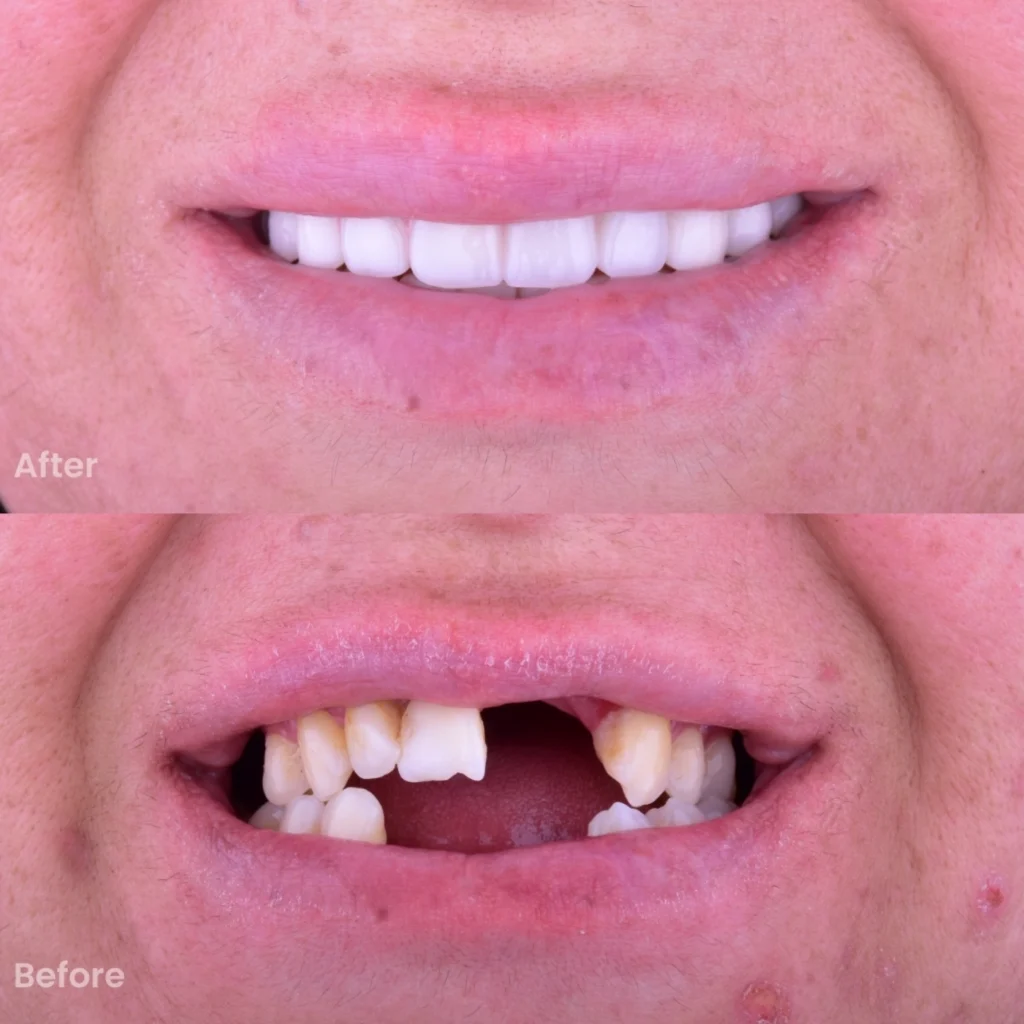
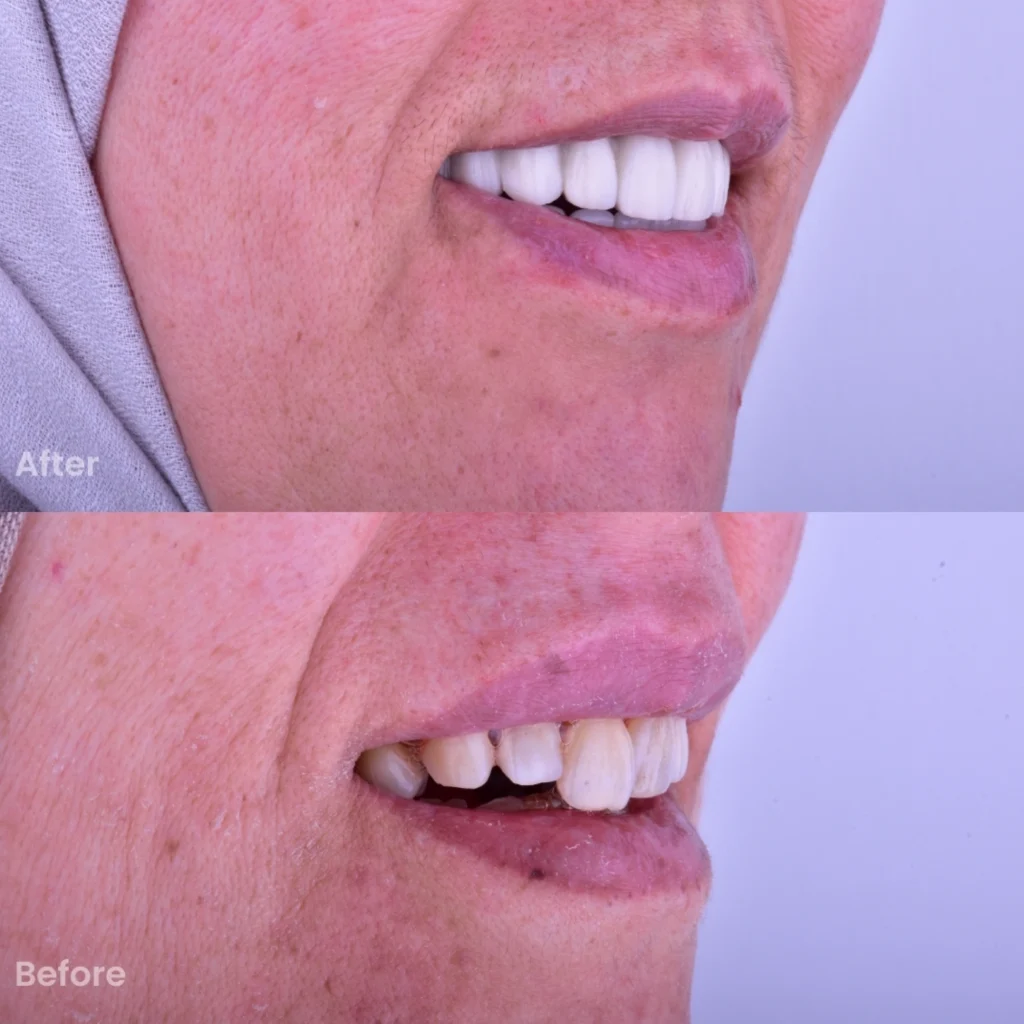
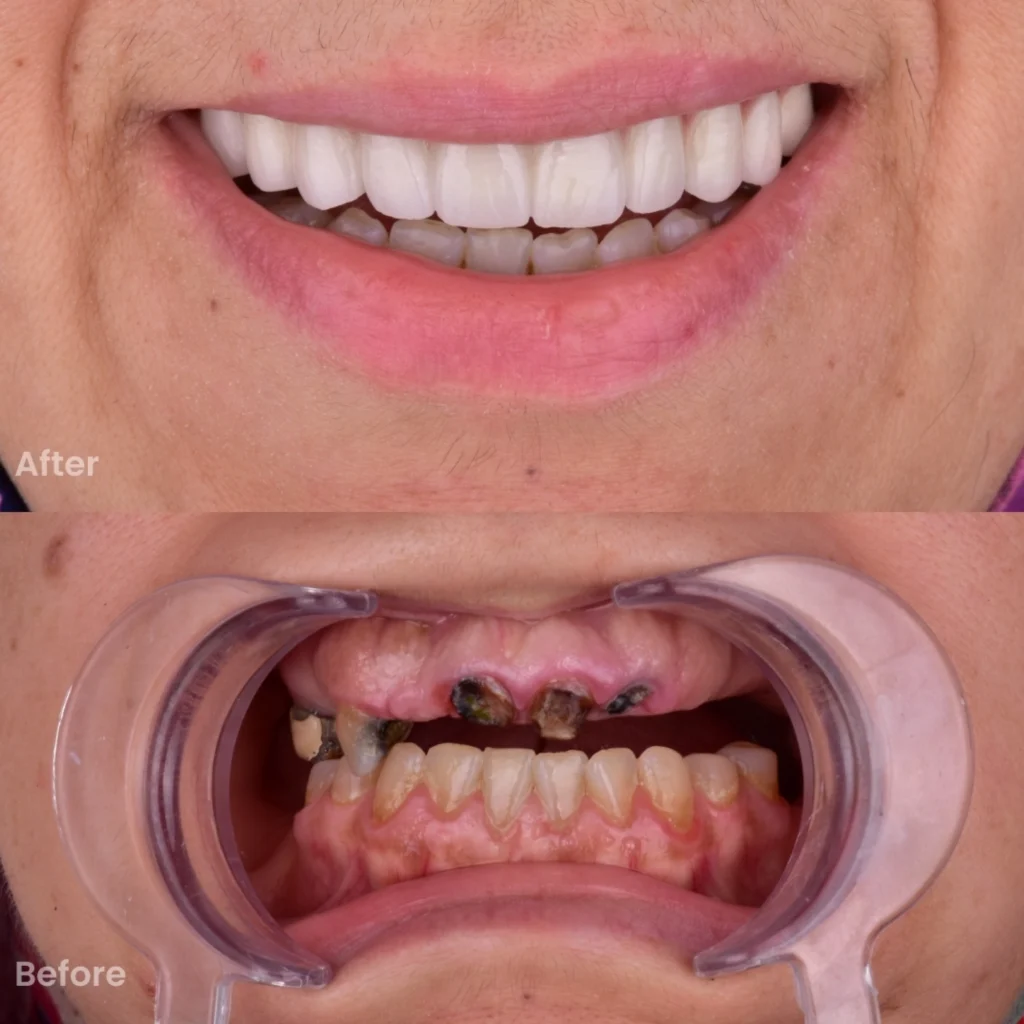
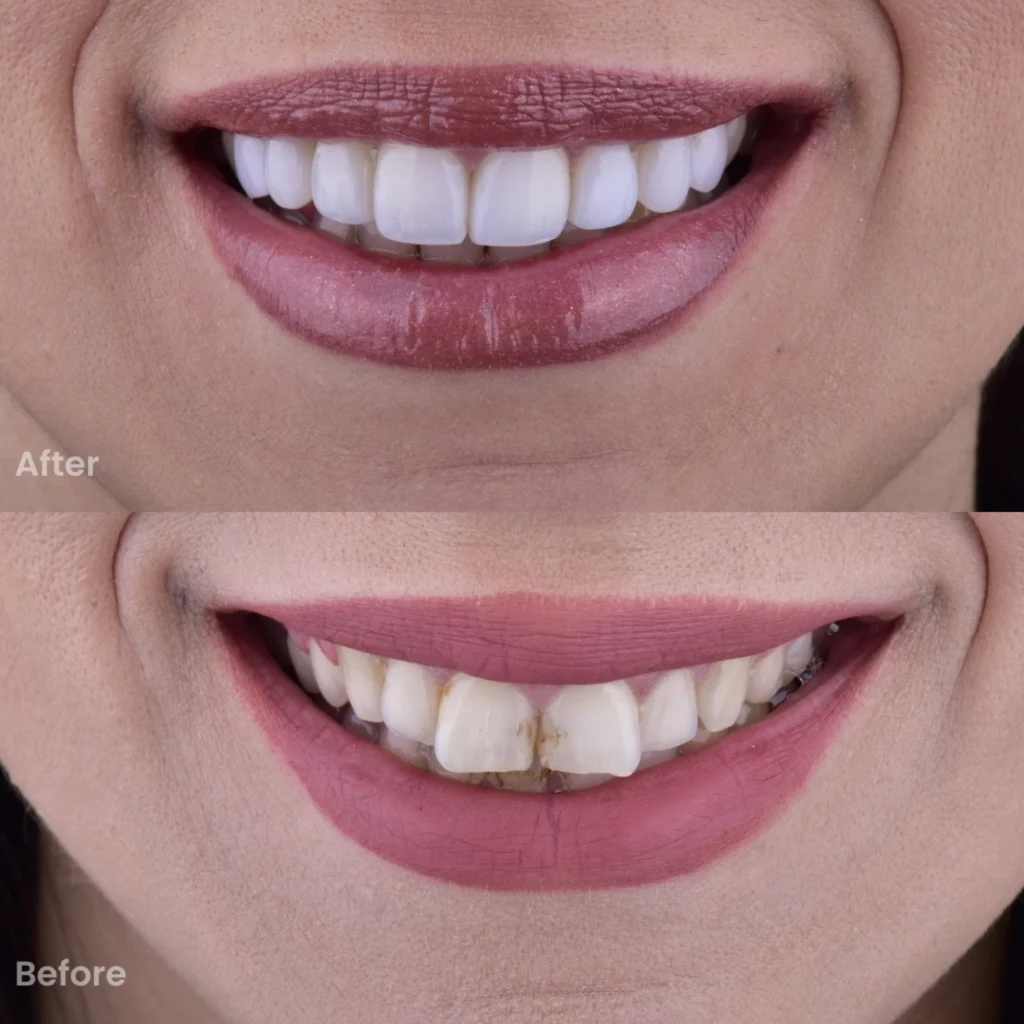
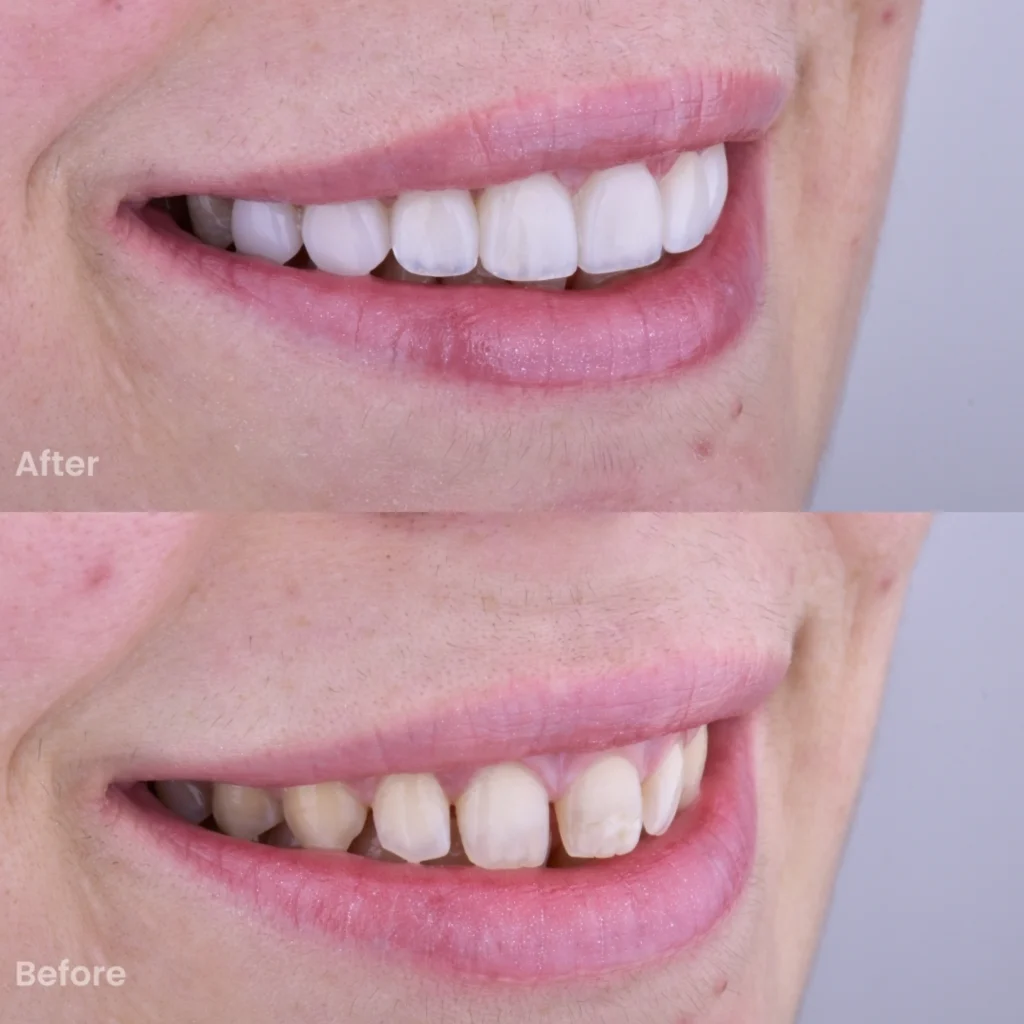
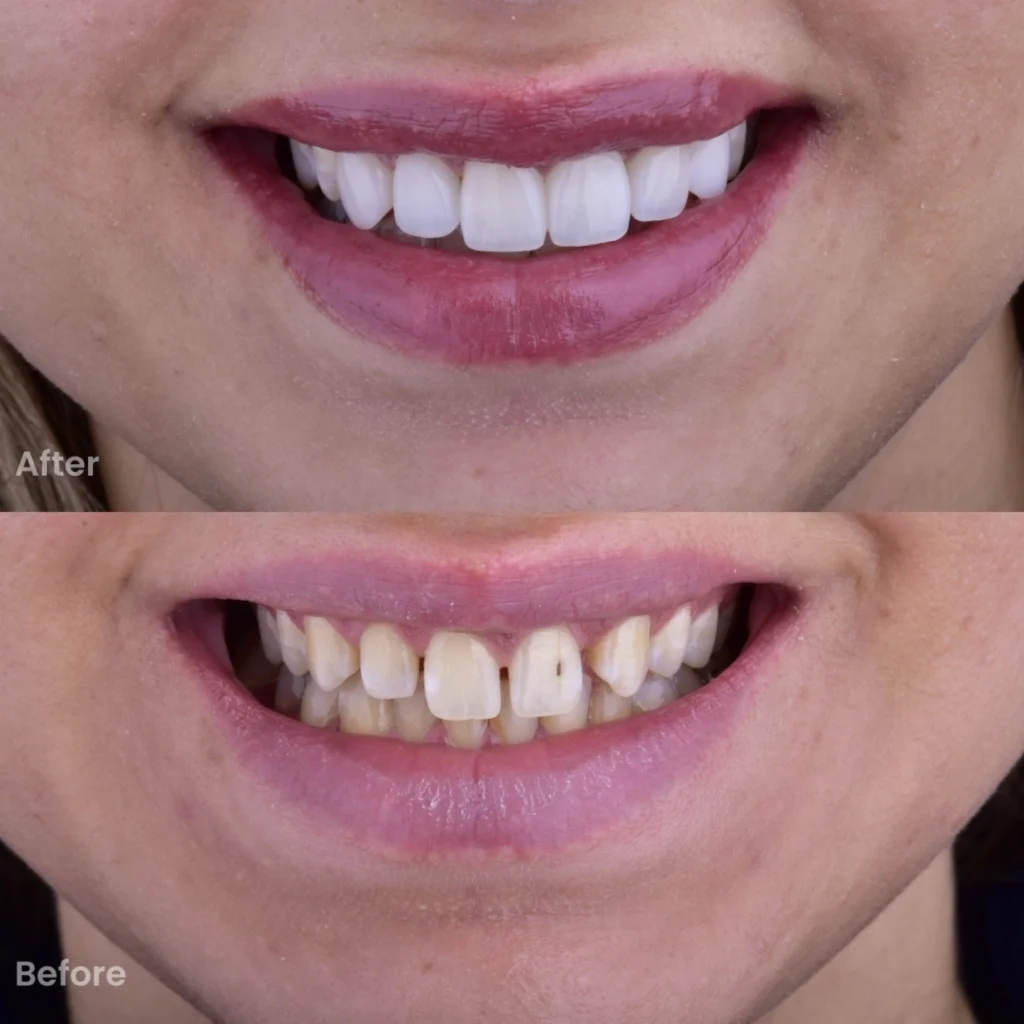
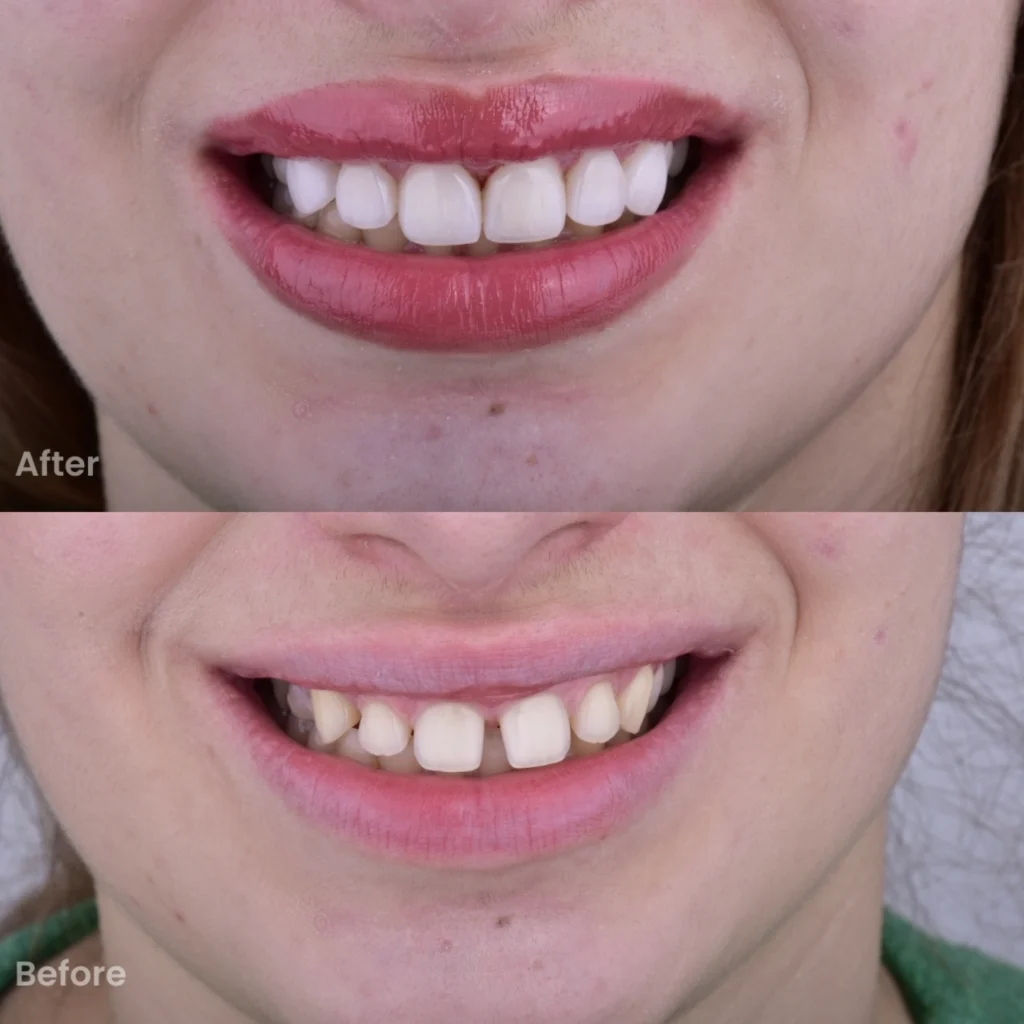
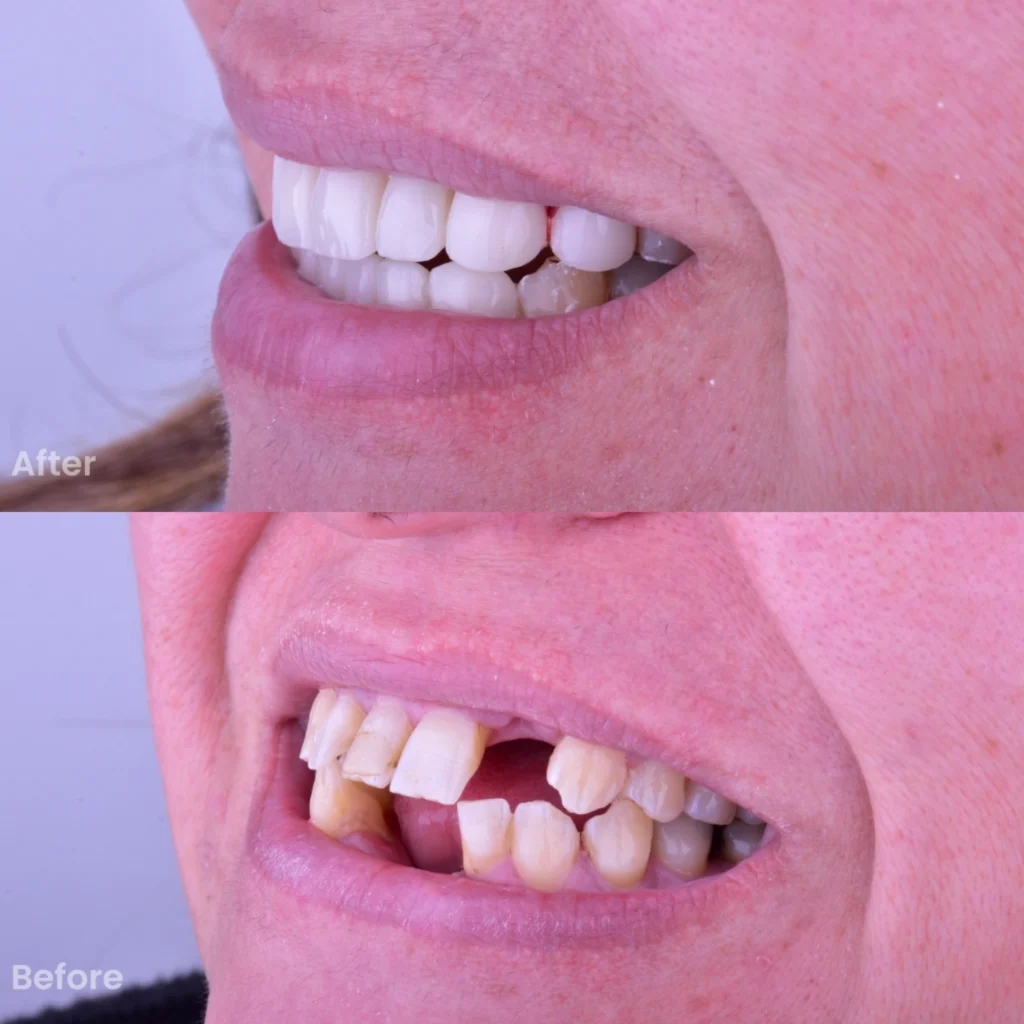
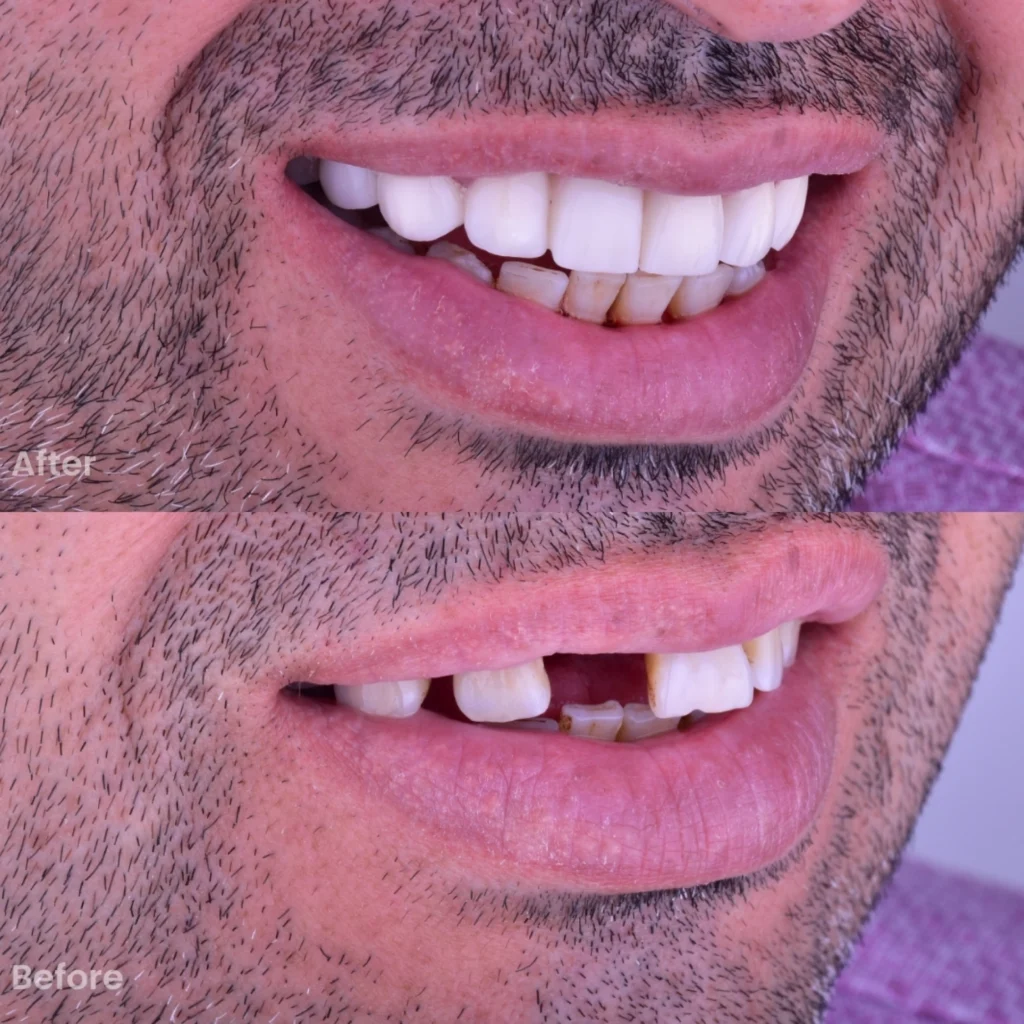
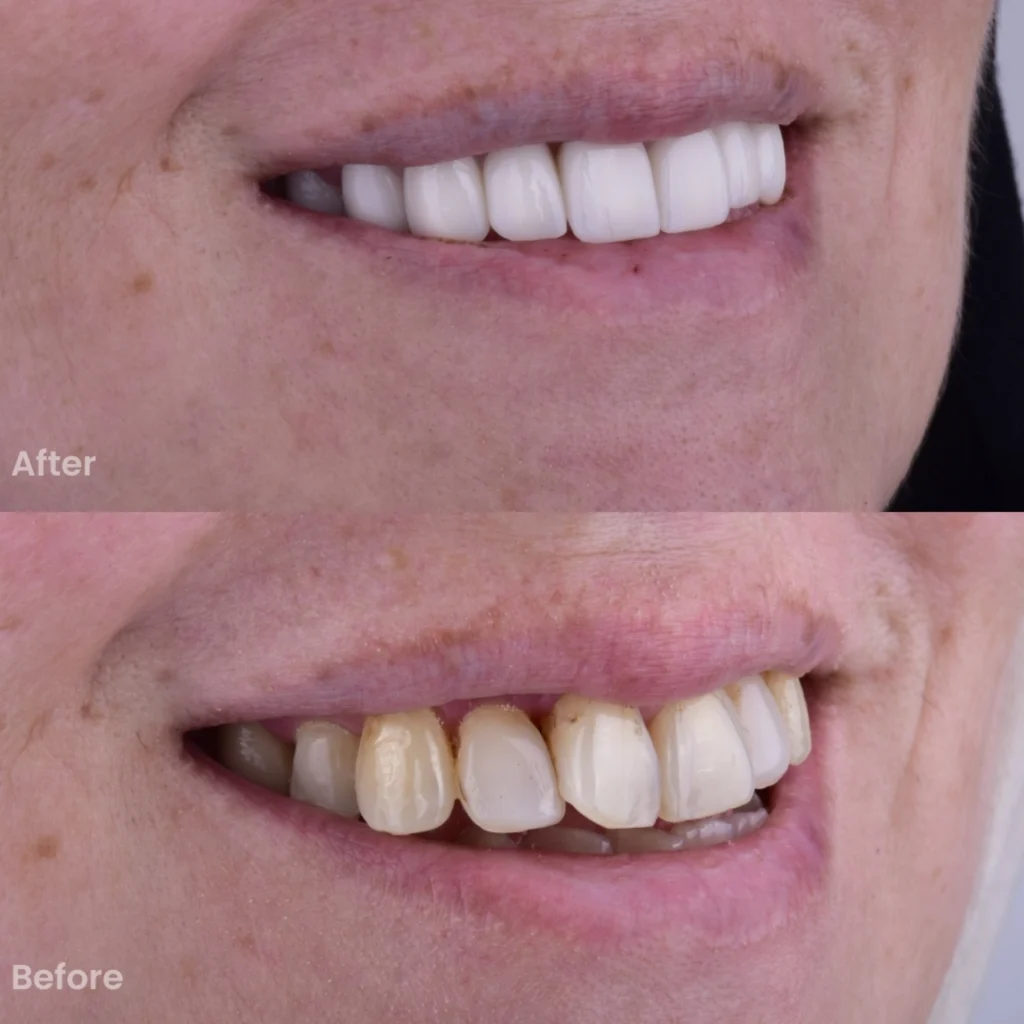
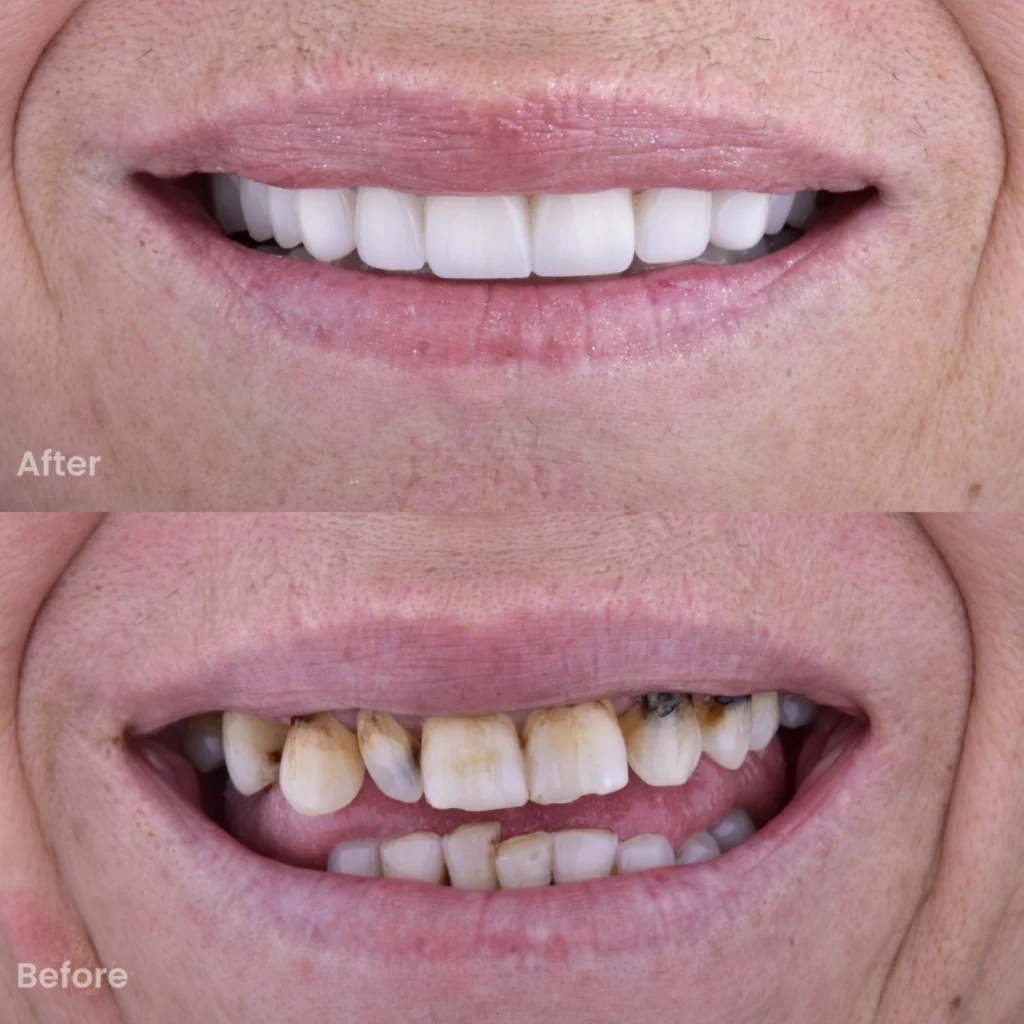
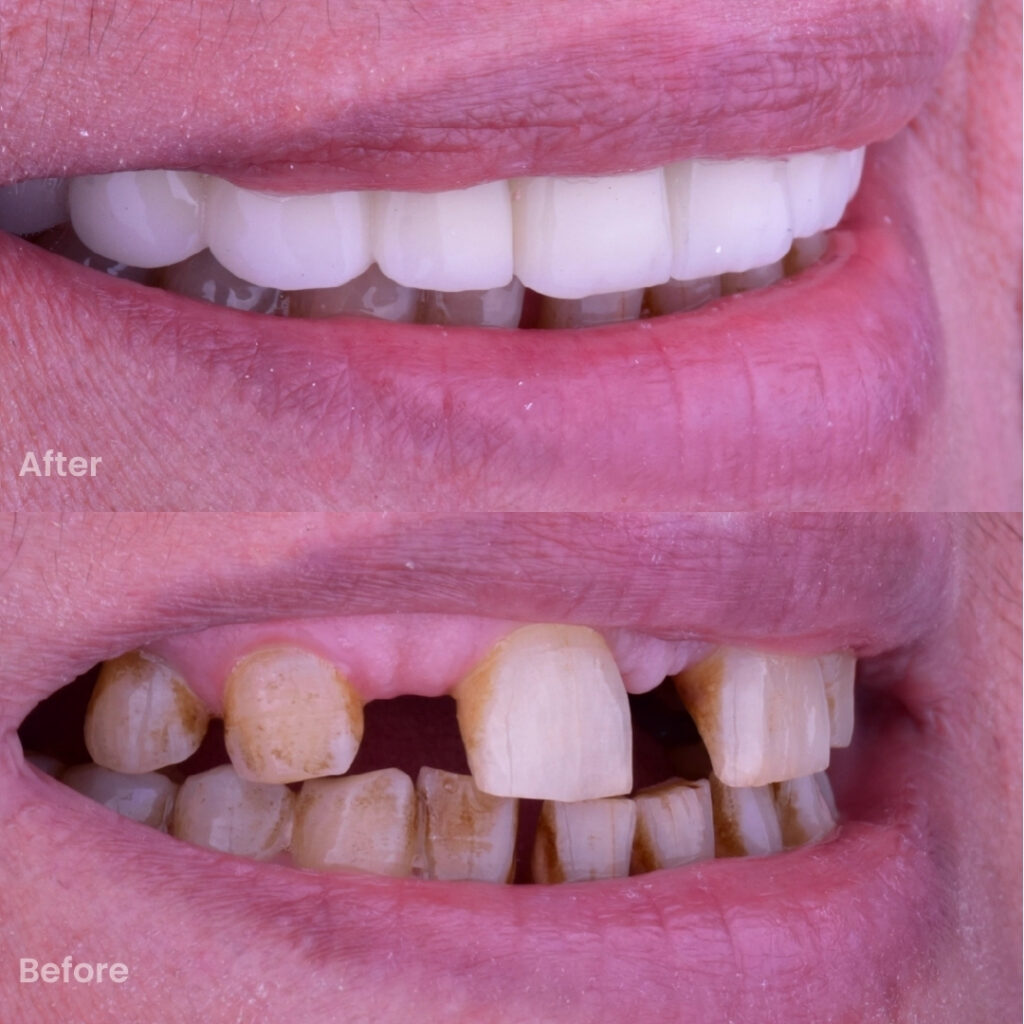
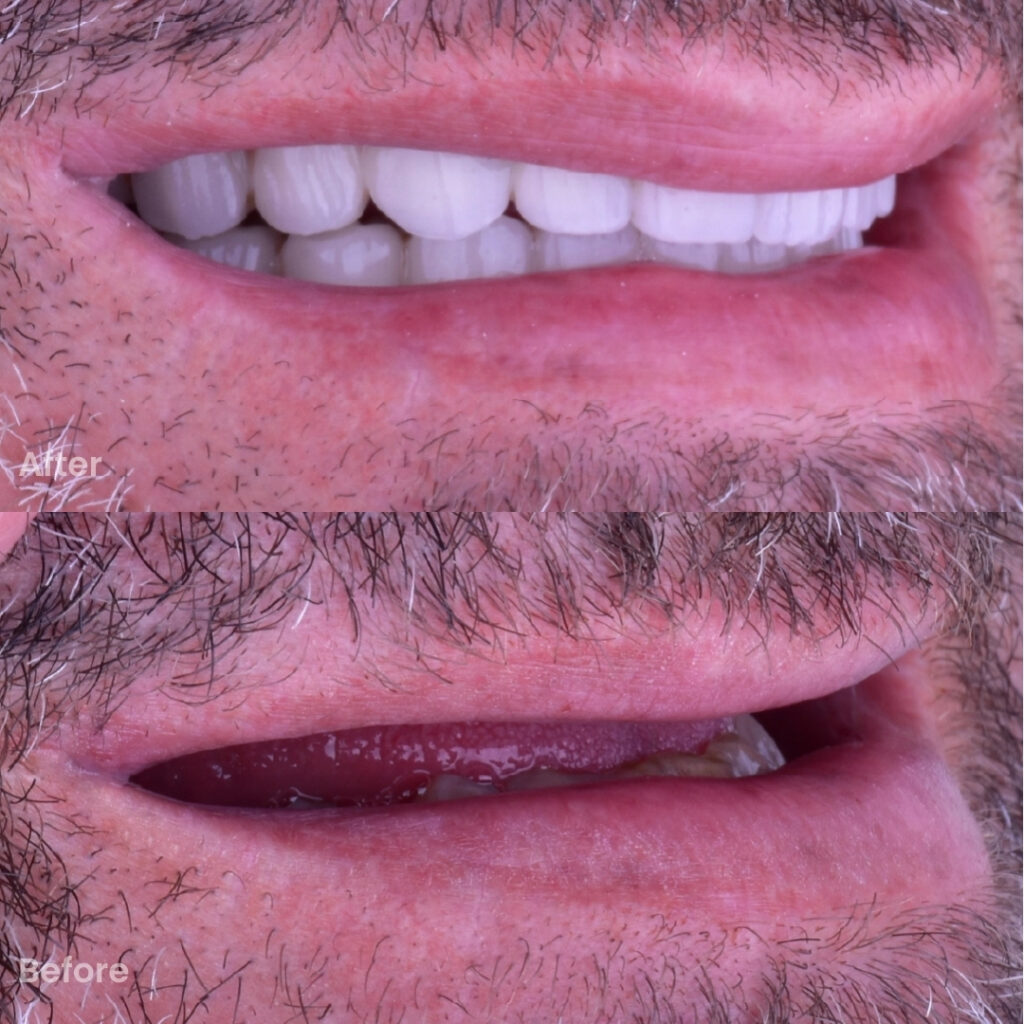
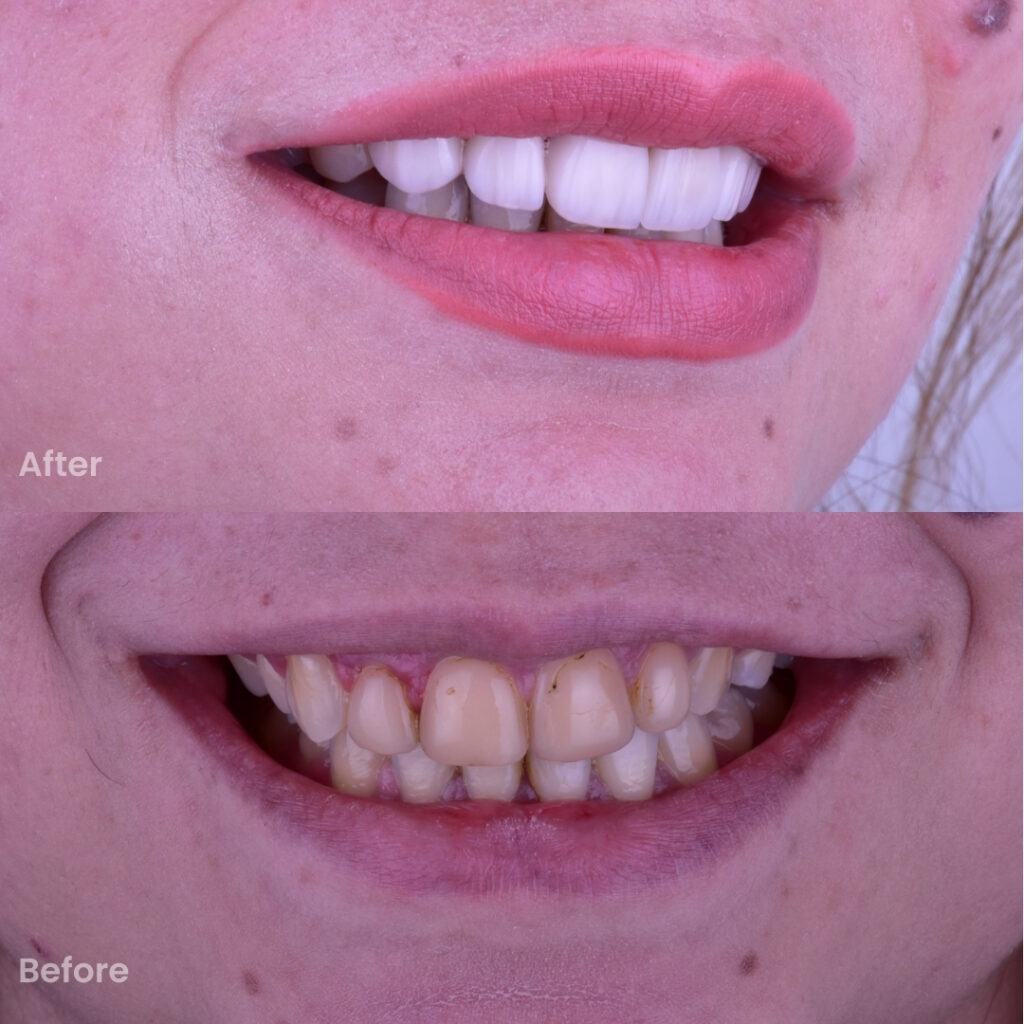
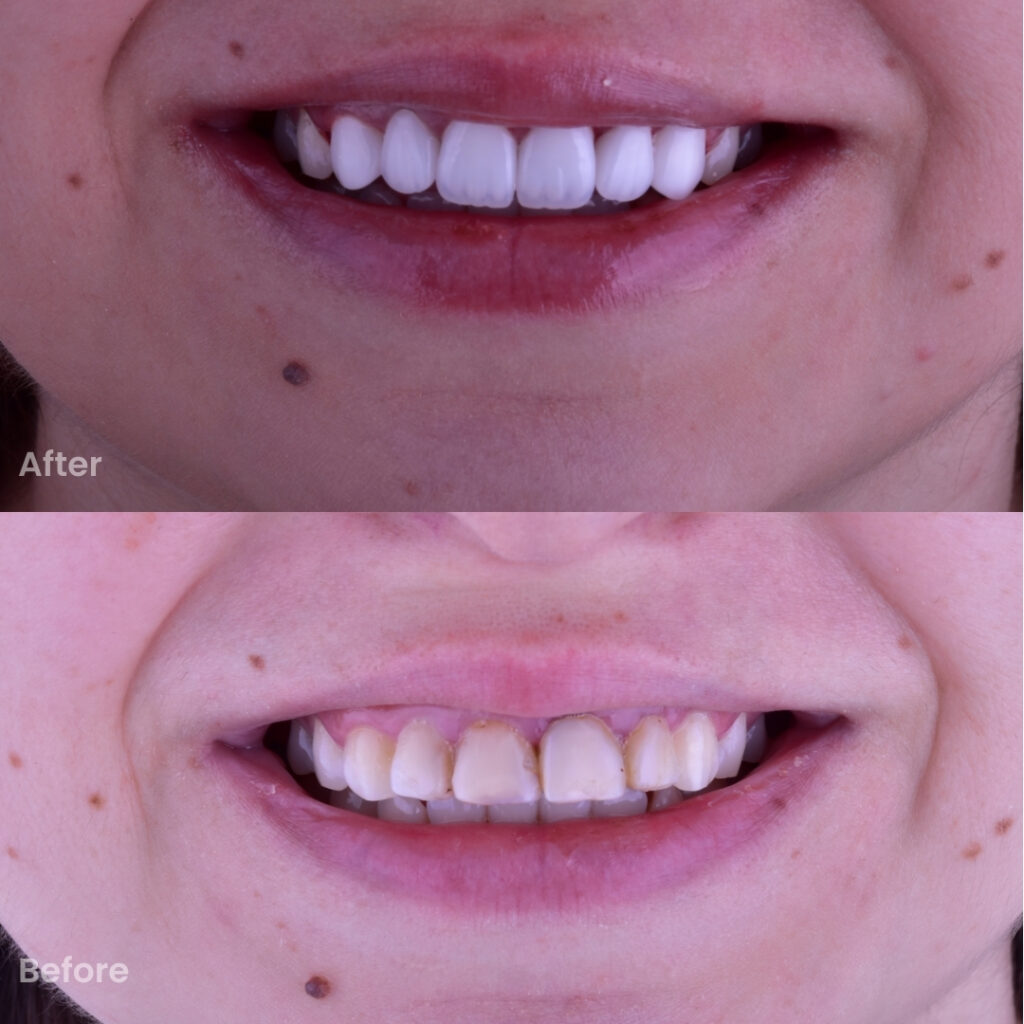
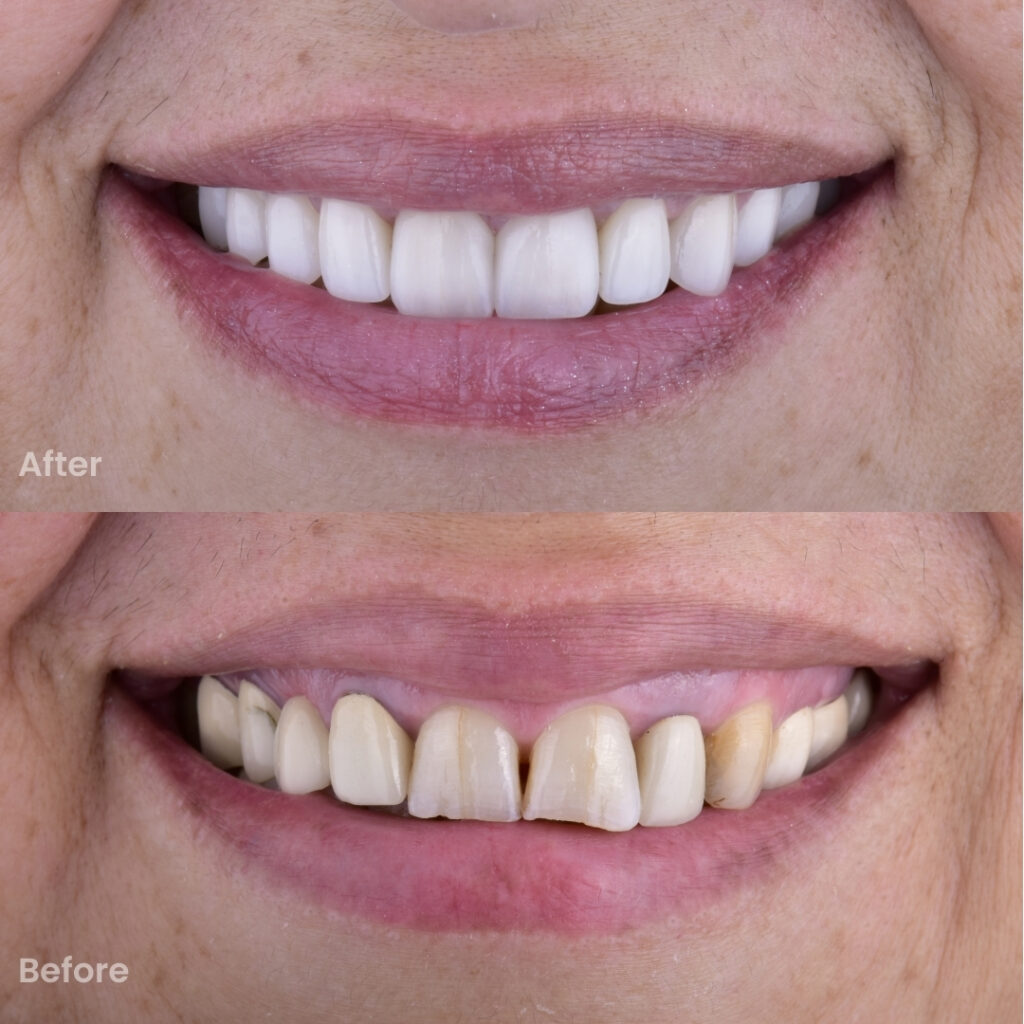
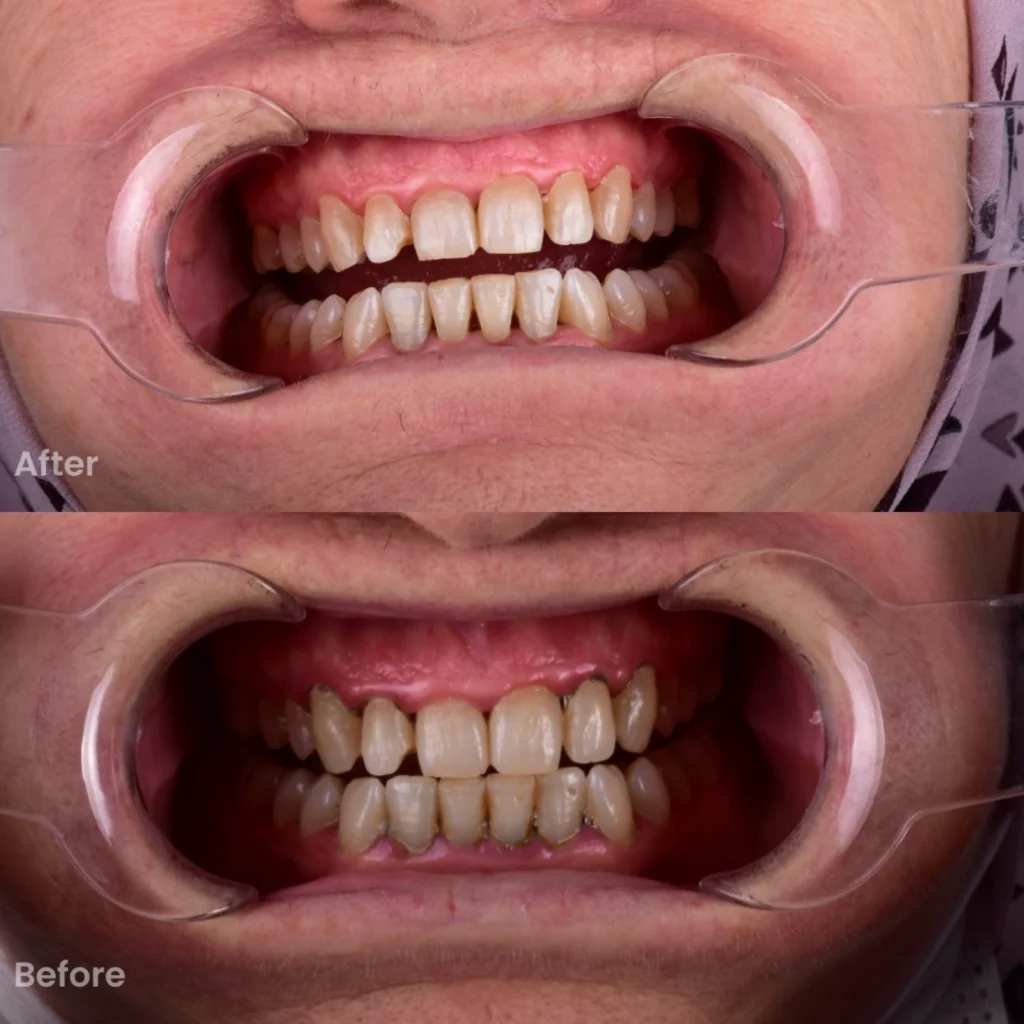
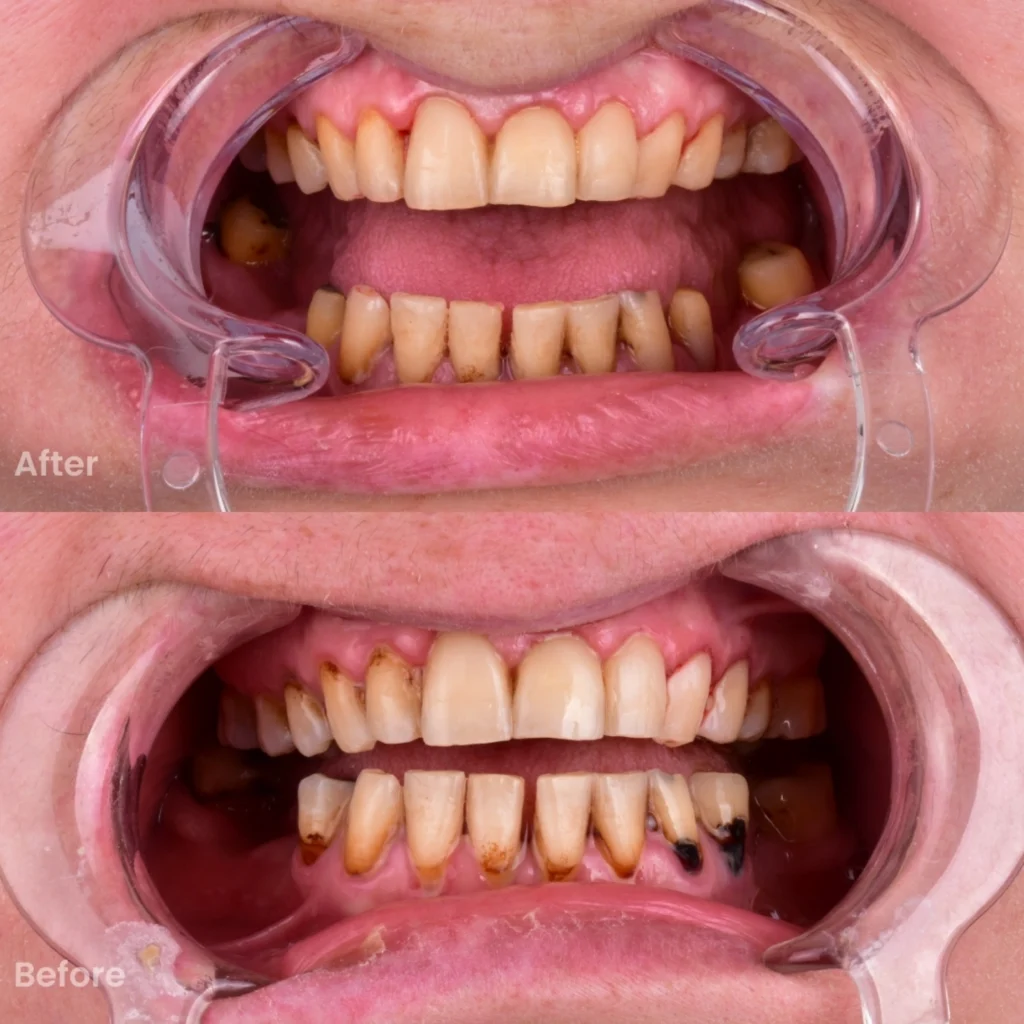
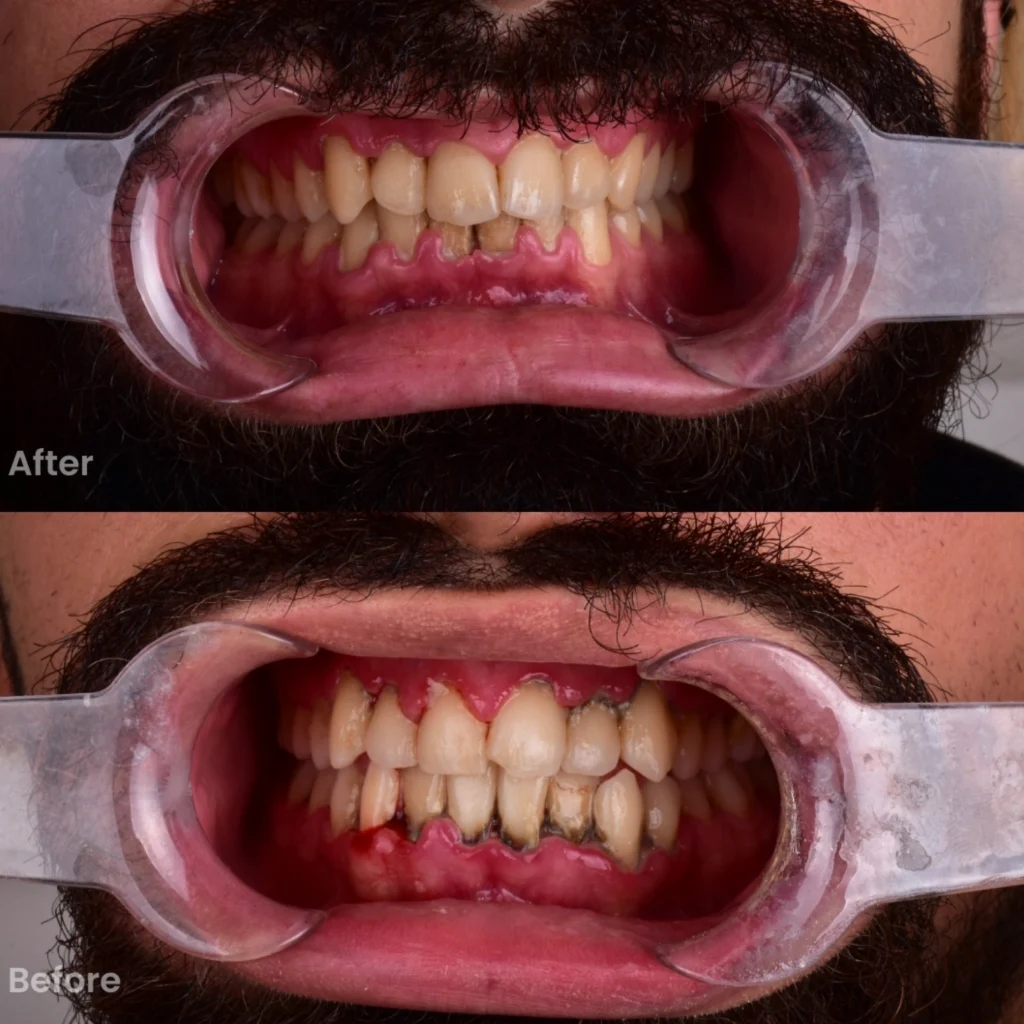
At Dental Clinic Turkey in Kayseri, tooth discoloration can be evaluated as part of an oral examination. Since changes in tooth color can have different causes, the appropriate approach depends on the individual condition of the teeth and gums.
What Is the Natural Color of Teeth?
Healthy teeth do not necessarily have to be bright white.
Natural tooth color varies from person to person. Genetics, enamel thickness, the underlying dentin, age, and previous dental treatments can all influence how teeth look.
Enamel is the outer layer of the tooth and is somewhat translucent. Underneath it is dentin, which naturally has a more yellowish tone. The combination of these structures contributes to the overall color of your teeth.
This means that slightly yellow or off-white teeth can still be healthy.
Trying to achieve an extremely white shade is therefore different from simply maintaining your natural tooth color.
Why Do Teeth Change Color?
Tooth discoloration can occur for many different reasons.
Some changes happen on the surface of the teeth, while others develop within the tooth structure itself.
Common factors associated with tooth discoloration include:
- Coffee
- Tea
- Red wine
- Certain dark-colored foods and beverages
- Tobacco products
- Inadequate oral hygiene
- Plaque and tartar accumulation
- Natural aging
- Certain medications
- Trauma to a tooth
- Changes in enamel and dentin
- Previous dental treatments
Because the causes are different, not every type of discoloration responds to the same treatment.
If one tooth suddenly becomes darker than the surrounding teeth, for example, the cause may be different from generalized staining caused by coffee or tea.
How Can I Keep My Teeth White Naturally?
If your goal is to maintain your natural tooth color, daily oral hygiene is one of the most important places to start.
Brushing helps remove plaque and some surface deposits before they accumulate. Cleaning between the teeth is also important because a toothbrush may not adequately reach every area.
Regular oral hygiene does not change the natural internal shade of your teeth, but it can help reduce the buildup that makes teeth appear darker or less clean.
The goal should not be to aggressively scrub the teeth in an attempt to make them whiter.
Brushing too aggressively or frequently using highly abrasive products may damage the tooth surface rather than improve it.
Brush Your Teeth Regularly
Regular brushing is an essential part of maintaining both oral health and the appearance of the teeth.
For most people, brushing twice a day with fluoride toothpaste is part of a standard oral hygiene routine.
Technique also matters.
Brushing should clean the surfaces of the teeth and the gumline without using excessive pressure. A toothbrush with excessively hard bristles or aggressive brushing does not necessarily clean teeth better.
If plaque is consistently left behind, it can contribute to oral health problems and may also affect the appearance of the teeth.
Do Not Forget to Clean Between Your Teeth
Tooth color is not only about the front surfaces that you can see in the mirror.
Plaque and food debris can accumulate between the teeth, where an ordinary toothbrush may have limited access.
Depending on individual needs, interdental cleaning may involve dental floss, interdental brushes, or other oral hygiene products.
Keeping these areas clean supports gum health and can help maintain a cleaner overall appearance.
Does Coffee Stain Your Teeth?
Yes, coffee can contribute to surface staining over time.
That does not necessarily mean you have to stop drinking coffee completely.
The frequency of consumption, how long the drink remains in contact with the teeth, and your oral hygiene habits can all influence staining.
Tea can also contribute to discoloration, particularly when consumed frequently.
If coffee or tea is part of your daily routine, drinking water afterward can help rinse the mouth and reduce the amount of residue remaining on the teeth.
However, water does not replace brushing and professional oral care.
What Foods and Drinks Can Stain Teeth?
Several foods and beverages contain pigments that may contribute to external tooth staining.
Coffee, tea, red wine, dark-colored sauces, and certain strongly pigmented foods are common examples.
Frequent exposure can gradually affect the appearance of the tooth surface.
This does not mean these foods must always be avoided.
Instead, paying attention to frequency, maintaining oral hygiene, and drinking water after consuming strongly colored foods or beverages may help reduce surface staining.
Can Smoking Make Teeth Yellow?
Tobacco use can contribute to tooth discoloration.
Smoking and other tobacco products may cause yellow or brown surface stains and can also have broader effects on oral health.
Staining caused by tobacco may become more noticeable over time.
Reducing or stopping tobacco use is therefore relevant not only to tooth color but also to overall oral and general health.
Does Drinking Water Help Keep Teeth White?
Water does not whiten teeth, but it can be useful for maintaining oral hygiene.
Drinking or rinsing with water after coffee, tea, or strongly pigmented foods can help remove some residues from the mouth.
Water can also be particularly useful when brushing is not immediately possible.
However, drinking water should be considered an additional habit rather than an alternative to brushing, interdental cleaning, and professional dental care.
Should I Brush My Teeth Immediately After Eating?
Not necessarily.
Certain foods and beverages are acidic and can temporarily affect the tooth surface.
Brushing immediately after consuming acidic foods or drinks may not always be appropriate. Allowing some time for the oral environment to return toward its normal balance can be considered before brushing.
Rinsing the mouth with water after acidic foods or beverages may be a simple option in the meantime.
If you frequently consume acidic drinks or experience tooth sensitivity or enamel problems, individual recommendations can be discussed during a dental examination.
Can Tartar Make Teeth Look Yellow?
Plaque that remains on the teeth can mineralize and develop into tartar, also known as dental calculus.
Tartar can have a yellowish or darker appearance and may make the teeth look discolored.
Unlike soft plaque, established tartar cannot usually be removed effectively with normal brushing at home.
Professional dental cleaning may therefore be necessary when tartar has accumulated.
It is important to distinguish professional cleaning from tooth whitening. They are not the same procedure.
Cleaning removes plaque, tartar, and certain external stains, while whitening treatments are intended to alter the appearance of tooth shade through a different process.
Does Professional Teeth Cleaning Make Teeth Whiter?
Professional cleaning may make the teeth appear cleaner or brighter when external stains, plaque, or tartar are present.
However, professional dental cleaning is not the same as teeth whitening.
If the natural shade of the tooth is darker, cleaning does not necessarily change that underlying color.
This distinction is important because some people may believe they need whitening when the visible discoloration is mainly caused by surface deposits.
A dental examination can help determine what is contributing to the color change.
What Is the Difference Between Tooth Staining and Tooth Discoloration?
Not all tooth color changes are the same.
Extrinsic discoloration develops mainly on the outer surface of the tooth. Coffee, tea, tobacco, and certain foods can contribute to this type of staining.
Intrinsic discoloration occurs within the tooth structure.
Intrinsic changes may be associated with developmental factors, trauma, certain medications, aging, or changes within an individual tooth.
The distinction matters because surface stains and internal discoloration may require different approaches.
Why Is One of My Teeth Darker Than the Others?
If a single tooth becomes noticeably darker, it should not automatically be treated as an ordinary stain.
A change in the color of one tooth may sometimes be associated with previous trauma, changes involving the dental pulp, previous root canal treatment, or other conditions.
The cause cannot be determined simply from color alone.
A clinical examination and, when necessary, radiographic evaluation may be required.
For this reason, a tooth that suddenly changes color or becomes significantly darker than neighboring teeth should be evaluated individually.
Does Aging Make Teeth More Yellow?
Teeth can appear darker or more yellow as people age.
This may occur because of changes in enamel and the appearance of the underlying dentin.
Years of exposure to foods, drinks, and other staining factors can also contribute to changes in tooth color.
This means that some degree of color change over time can be natural.
Maintaining good oral hygiene and attending regular dental examinations can help distinguish ordinary surface staining from other changes that may require evaluation.
Are Whitening Toothpastes Safe to Use Every Day?
Whitening toothpastes generally work differently from professional tooth whitening procedures.
Many are designed primarily to help remove external surface stains rather than significantly change the internal color of teeth.
Products can also differ in their ingredients and abrasiveness.
Using an abrasive product too aggressively may contribute to tooth sensitivity or surface wear in some circumstances.
People with sensitive teeth, gum recession, enamel wear, or existing dental restorations may benefit from discussing suitable oral care products with their dentist.
What About DIY Teeth Whitening?
Social media contains many home remedies claiming to whiten teeth naturally.
Common examples include lemon juice, baking soda mixtures, charcoal, acidic substances, and various homemade combinations.
“Natural” does not automatically mean harmless.
Highly acidic or abrasive substances can potentially affect enamel surfaces or irritate oral tissues, particularly when used repeatedly or incorrectly.
Trying to preserve tooth color by damaging enamel is counterproductive.
Before regularly using a home whitening method, it is worth considering whether the method has an appropriate dental basis.
Can Teeth Whitening Help With Discoloration?
Professional teeth whitening may be considered for certain types of tooth discoloration, but it is not suitable for every situation.
Before whitening, the teeth and gums should be evaluated.
Existing cavities, gum problems, sensitivity, restorations, or the underlying cause of discoloration may affect treatment planning.
It is also important to remember that crowns, veneers, fillings, and other restorative materials do not necessarily respond to whitening in the same way as natural teeth.
For this reason, whitening should be planned with existing dental restorations in mind.
How Can I Maintain My Tooth Color After Whitening?
Patients who have undergone teeth whitening often want to know how they can maintain the result.
The duration of the color change can vary between individuals and depends partly on lifestyle and oral hygiene habits.
Regular brushing and interdental cleaning remain important.
Frequent exposure to coffee, tea, red wine, tobacco, and strongly pigmented foods may contribute to renewed staining.
Drinking water after colored beverages and maintaining professional dental follow-up can also form part of ongoing care.
Whitening results should not be expected to remain unchanged indefinitely.
Can Crowns, Veneers and Fillings Change Color?
Dental restorations behave differently from natural enamel.
Crowns, veneers, composite fillings, and other restorative materials may have different staining characteristics depending on their material, surface condition, age, and oral environment.
Importantly, conventional tooth whitening does not change the shade of existing restorations in the same way that it can affect natural teeth.
This can create a color difference between natural teeth and existing restorations after whitening.
For patients planning veneers, crowns, or other visible restorations, tooth color should therefore be considered as part of the overall treatment sequence.
How Can I Protect My Tooth Color While Travelling?
For international patients, travel can sometimes disrupt normal oral hygiene routines.
Long flights, changes in eating habits, frequent coffee consumption, and irregular brushing can make maintaining normal routines more difficult.
Keeping a toothbrush and oral hygiene products easily accessible can help.
Drinking water regularly and maintaining your normal cleaning routine as much as possible can also be useful.
If you are travelling to Turkey for dental treatment, the condition and color of your existing natural teeth may be considered when planning visible restorations.
Tooth Color and Dental Treatment in Turkey
International patients researching dental treatment in Turkey often focus on the appearance of their future smile.
However, tooth color is only one part of dental treatment planning.
Before considering whitening, veneers, crowns, or other aesthetic procedures, the health of the teeth and gums should first be evaluated.
At Dental Clinic Turkey in Kayseri, evaluation may include the condition of natural teeth, existing restorations, gums, bite, and the possible causes of discoloration.
For some patients, professional cleaning may be relevant. Others may be evaluated for tooth whitening or restorative treatment depending on their individual dental condition.
The appropriate approach should be determined according to clinical findings rather than simply trying to achieve the lightest possible tooth shade.
Frequently Asked Questions About Maintaining Tooth Color
How Can I Keep My Teeth White?
Regular oral hygiene, cleaning between the teeth, reducing repeated exposure to staining substances, drinking water after strongly pigmented foods and beverages, and attending dental examinations can help maintain the appearance of your natural teeth.
Why Are My Teeth Yellow Even Though I Brush Them?
Yellowish teeth are not necessarily dirty or unhealthy. Natural dentin color, enamel thickness, genetics, age, surface staining, and other factors can influence tooth color.
Does Coffee Make Teeth Yellow?
Frequent coffee consumption can contribute to external staining. Good oral hygiene and drinking water after coffee may help reduce residue, although they cannot completely prevent all staining.
Does Tea Stain Teeth?
Tea can contribute to surface staining, particularly with frequent consumption. The degree of staining can vary according to drinking habits and oral hygiene.
Can I Naturally Whiten My Teeth at Home?
Home methods should be approached carefully. Some substances promoted online as natural whitening solutions may be acidic or abrasive and can potentially affect tooth surfaces.
Why Is One Tooth Turning Dark?
A single dark tooth can have several possible causes, including previous trauma or changes inside the tooth. It should be assessed rather than assumed to be ordinary staining.
Does Dental Cleaning Whiten Teeth?
Professional cleaning can remove plaque, tartar, and some external stains, which may make teeth appear cleaner or brighter. However, professional cleaning and tooth whitening are different procedures.
How Often Should I Whiten My Teeth?
There is no universal whitening schedule suitable for everyone. The need for and timing of whitening depends on the condition of the teeth, sensitivity, previous treatment, and individual circumstances.
Will Teeth Whitening Whiten Crowns or Veneers?
Existing crowns, veneers, and fillings generally do not change shade in the same way as natural teeth during conventional whitening. This should be considered when planning treatment.
Should Healthy Teeth Be Completely White?
No. Natural tooth shades vary, and healthy teeth can have off-white, ivory, or slightly yellow tones. Tooth color alone does not determine whether teeth are healthy.
How to Maintain Your Natural Tooth Color
Keeping your natural tooth color is less about continuously trying to make your teeth whiter and more about maintaining good oral health and reducing avoidable staining.
Regular brushing, interdental cleaning, appropriate oral hygiene products, attention to staining foods and drinks, and professional dental examinations can all contribute to maintaining the appearance of your teeth.
It is equally important to recognize when discoloration may have another cause. A sudden change in one tooth, significant staining, sensitivity, or other dental symptoms may require individual assessment.
For international patients considering cosmetic or restorative dental treatment in Turkey, tooth shade can be evaluated together with oral health, existing restorations, and overall treatment needs at Dental Clinic Turkey in Kayseri.
The aim should not necessarily be the whitest possible smile, but a treatment plan that considers the natural teeth, oral health, and individual dental characteristics.
Every surgical or interventional procedure may produce different results from person to person. This text has been written for informational purposes. It is recommended to obtain detailed advice from your dentist before the procedure.