+90 538 279 69 38

Have you recently looked in the mirror and wondered, “Why are my gums dark?” You are not alone. Gum color varies naturally from person to person, and having dark gums does not automatically mean that something is wrong with your oral health.
Healthy gums do not have one universal color. Depending on genetics, natural melanin levels, ethnicity, lifestyle and oral health, the gums can range from light pink and brown to dark brown or even deeper shades.
However, if your gums have recently changed color, certain areas have become noticeably darker, or you have other symptoms such as swelling, bleeding or discomfort, the change deserves attention.
In this guide, we explain what dark gums can mean, why gums turn dark, when pigmentation may be completely natural, and when a dental examination may be appropriate. We will also look at the treatment options available for people who are concerned about the appearance of their gums.
What Are Dark Gums?
The term dark gums describes gingival tissue that appears brown, dark brown, purple, grayish or nearly black rather than light pink.
One of the most important things to understand is that gum color varies considerably between individuals.
Melanin is the natural pigment responsible for much of the color in our skin, hair and parts of the oral tissues. People with greater natural melanin pigmentation may therefore have darker gingiva.
In these cases, darkness in gums can simply be a normal biological characteristic rather than a dental problem.
The distribution of pigmentation can also vary. Some people have uniformly dark-colored gums, while others have patches or areas where the pigmentation is more noticeable.
For this reason, dentists do not determine gum health based on color alone. They also consider the condition of the tissue, bleeding, swelling, plaque levels, periodontal health and whether the pigmentation has recently changed.
Why Are My Gums Dark?
If you have searched “why are my gums dark?”, there are several possible explanations.
Some causes are completely natural, while others may be related to lifestyle, medications, oral conditions or, less commonly, systemic health conditions.
The most common possibilities include the following.
1. Natural Melanin Pigmentation
Natural pigmentation is one of the most common explanations for dark gums.
Just as skin tone varies between individuals, gum pigmentation varies as well. Melanin-producing cells called melanocytes are naturally present in gingival tissue.
When more melanin is produced, the gums may appear brown or darker.
This is known as physiological gingival pigmentation and is generally harmless. It does not necessarily indicate gingivitis, periodontal disease or poor oral hygiene.
For some people, therefore, searching “gums are dark” may lead to a very simple explanation: it is their natural gum color.
2. Genetics
Genetics can strongly influence gum color.
If darker gingival pigmentation is common within your family, your dark gingiva may simply be an inherited characteristic.
Natural pigmentation may be visible from an early age and remain relatively stable throughout life.
This type of pigmentation usually does not require treatment from a health perspective. Some people may still choose to discuss cosmetic gum treatments with their dentist if the pigmentation affects how they feel about their smile.
3. Smoking and Tobacco Use
Smoking can contribute to increased pigmentation of the gums.
Tobacco exposure may stimulate melanin production in oral tissues, resulting in darker or more noticeable pigmentation over time.
A person who notices their gums darkening after years of smoking should therefore consider tobacco use as one possible contributing factor.
Smoking is also associated with several other oral health concerns, particularly periodontal disease. For this reason, changes in gum appearance among smokers should not automatically be assumed to be purely cosmetic.
4. Certain Medications
Some medications can contribute to changes in pigmentation within the mouth.
Depending on the medication and the individual response, changes may affect the gums or other areas of the oral mucosa.
If you notice your gums turning dark after beginning a new medication, do not stop taking prescribed medication on your own. Instead, discuss the change with your dentist and prescribing healthcare professional.
They can evaluate whether the pigmentation could be related to the medication or whether another explanation should be investigated.
5. Gingivitis and Periodontal Problems
Not every change in gum color is related to melanin.
Inflammation can alter the appearance of gingival tissue. Gums affected by gingivitis may become redder, swollen or more sensitive, while more pronounced inflammation can sometimes produce darker red or purplish tones.
Additional symptoms may include:
- Bleeding while brushing or flossing
- Swollen gums
- Gum tenderness
- Persistent bad breath
- Gum recession
- Changes around the teeth
- Discomfort while chewing
If the change in color occurs alongside these symptoms, a dental examination is advisable.
Are Dark Gums Unhealthy?
Not necessarily.
This is one of the biggest misconceptions surrounding dark coloured gums.
Naturally pigmented gums can be completely healthy. Gum health cannot be determined simply by whether the tissue is pink or brown.
In fact, natural gingival pigmentation can range considerably between individuals.
What matters more is whether there has been an unexplained change.
If your gums have always been dark and remain healthy without bleeding, swelling, pain or unusual lesions, the pigmentation may simply be part of your natural anatomy.
On the other hand, if your gums were previously a different color and you notice them becoming darker, it is worth investigating what causes dark gums in your particular case.
Why Are My Gums So Dark All of a Sudden?
A sudden change deserves more attention than stable pigmentation that has been present for many years.
If you find yourself asking, “Why are my gums so dark now when they weren’t before?”, consider whether anything else has changed.
For example:
- Have you recently started smoking or increased tobacco use?
- Have you started taking a new medication?
- Are your gums also swollen or bleeding?
- Is the pigmentation localized to one area?
- Have you recently had dental treatment?
- Has a new dark spot appeared?
- Is the area changing in size, shape or color?
A dentist can examine the tissue and determine whether the change appears physiological, dental or requires further investigation.
A new or unexplained pigmented lesion should not simply be treated cosmetically before its cause has been established.
Dark Gums vs Gum Disease: How Can You Tell the Difference?
Color alone is not enough to diagnose gum disease.
Naturally dark gums can be firm and completely healthy. Gum disease, in contrast, usually presents with additional clinical signs.
Possible signs of gingivitis or periodontal disease can include bleeding, inflammation, swelling, persistent bad breath, gum recession and changes in the supporting tissues around the teeth.
This distinction is particularly important because searching online for “dark gums means” can produce unnecessarily alarming information.
Dark pigmentation by itself does not automatically mean gum disease.
A clinical dental examination is the appropriate way to distinguish normal pigmentation from an oral health problem.
Can Dark Gums Become Pink Again?
This depends entirely on why the gums are dark.
If the color change is related to inflammation, treating the underlying gum condition may improve the appearance of the tissue.
If pigmentation is associated with a lifestyle factor, addressing that factor may also influence the appearance over time.
Natural melanin pigmentation is different. Healthy dark gingiva does not need to be made pink for medical reasons.
However, some patients are concerned about the contrast between their teeth and gums, particularly when a large amount of gingival tissue is visible when smiling.
For these patients, gum depigmentation may be considered as an elective aesthetic periodontal procedure after an appropriate examination.
What Is Gum Depigmentation?
Gum depigmentation is a cosmetic periodontal procedure designed to reduce excessive or unwanted pigmentation of the gingiva.
The aim is to remove or reduce pigmentation in selected areas to create a more even gum appearance.
Different techniques can be used depending on the patient’s gingival structure, pigmentation pattern and clinical needs.
These may include conventional surgical techniques and laser-assisted approaches.
Laser gum depigmentation is one of the techniques used in modern periodontal practice. During treatment, pigmented areas of the superficial gingival tissue are carefully treated according to the planned procedure.
However, gum depigmentation is not appropriate for every person with dark gums.
The first priority is determining why the pigmentation exists.
Can Dark Gum Pigmentation Return After Treatment?
Yes, repigmentation can occur.
This is an important consideration for anyone researching cosmetic treatment for dark gingiva.
Melanin-producing cells remain part of the body’s natural biology, and pigmentation may gradually reappear following a depigmentation procedure. The degree and timing of repigmentation can differ significantly between patients.
For this reason, gum depigmentation should not be presented as a guaranteed permanent change in gum color.
A dentist or periodontist should discuss expected outcomes, limitations and the possibility of repigmentation before treatment.
Dark Gums and Smile Aesthetics
Modern smile design involves more than the teeth alone.
The relationship between the teeth, gums and lips can all influence how a smile appears.
Someone may have healthy, well-shaped teeth but still feel that darkness in gums draws attention away from their smile. This can be particularly noticeable in people with a high smile line, where more gingival tissue is visible while smiling.
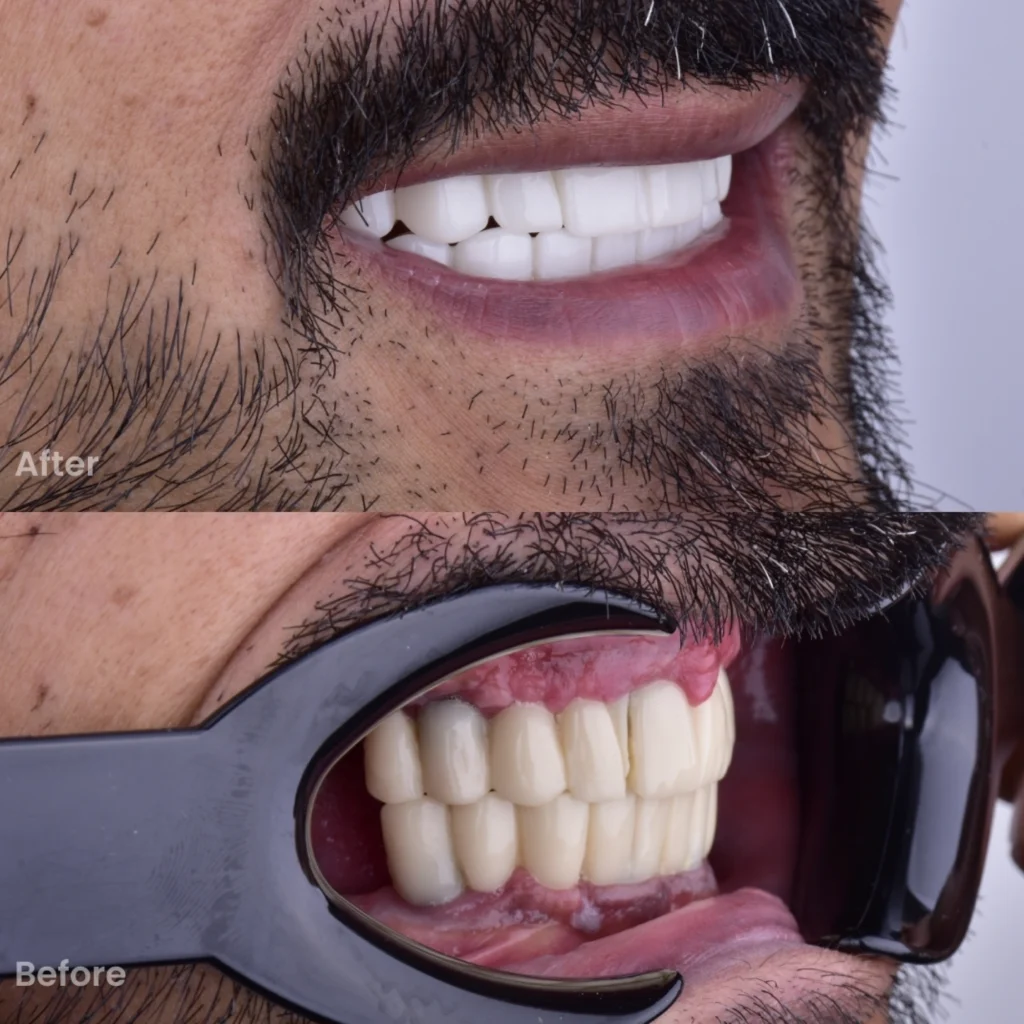
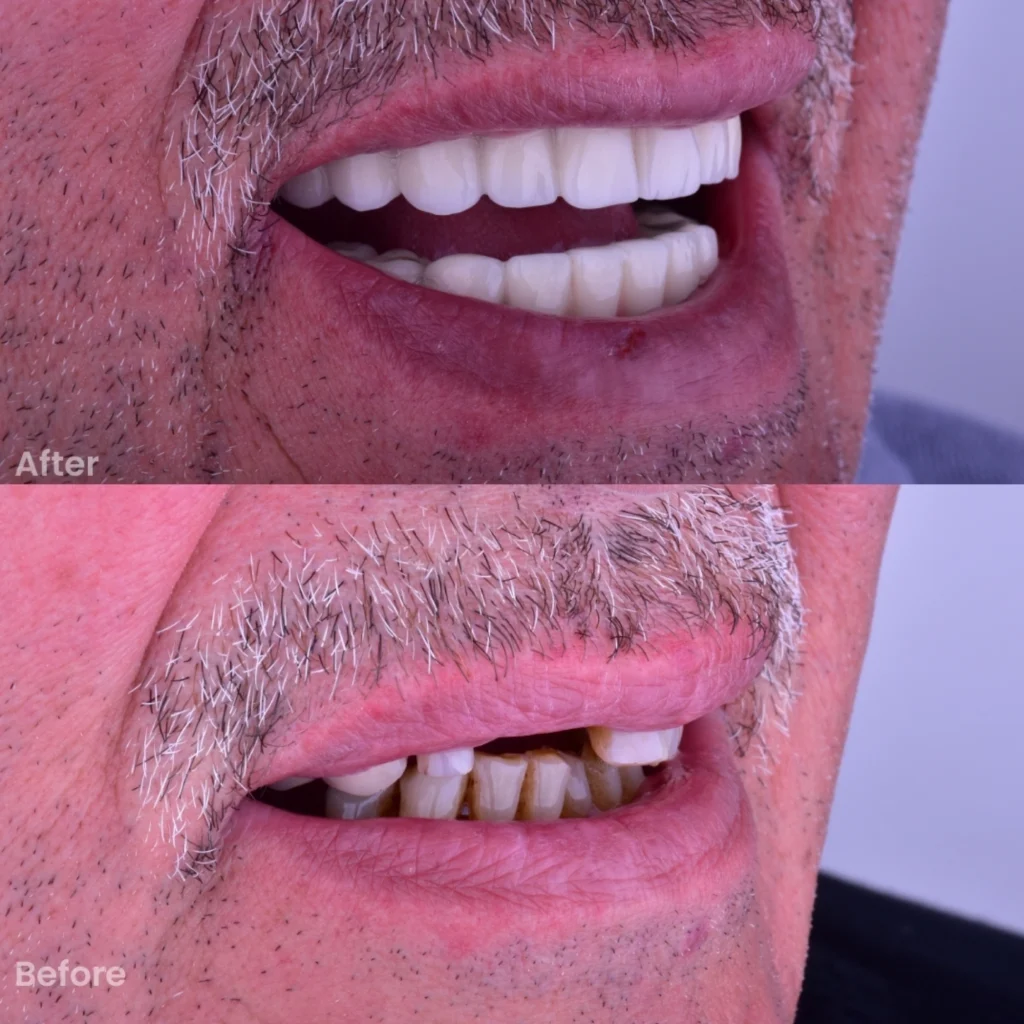
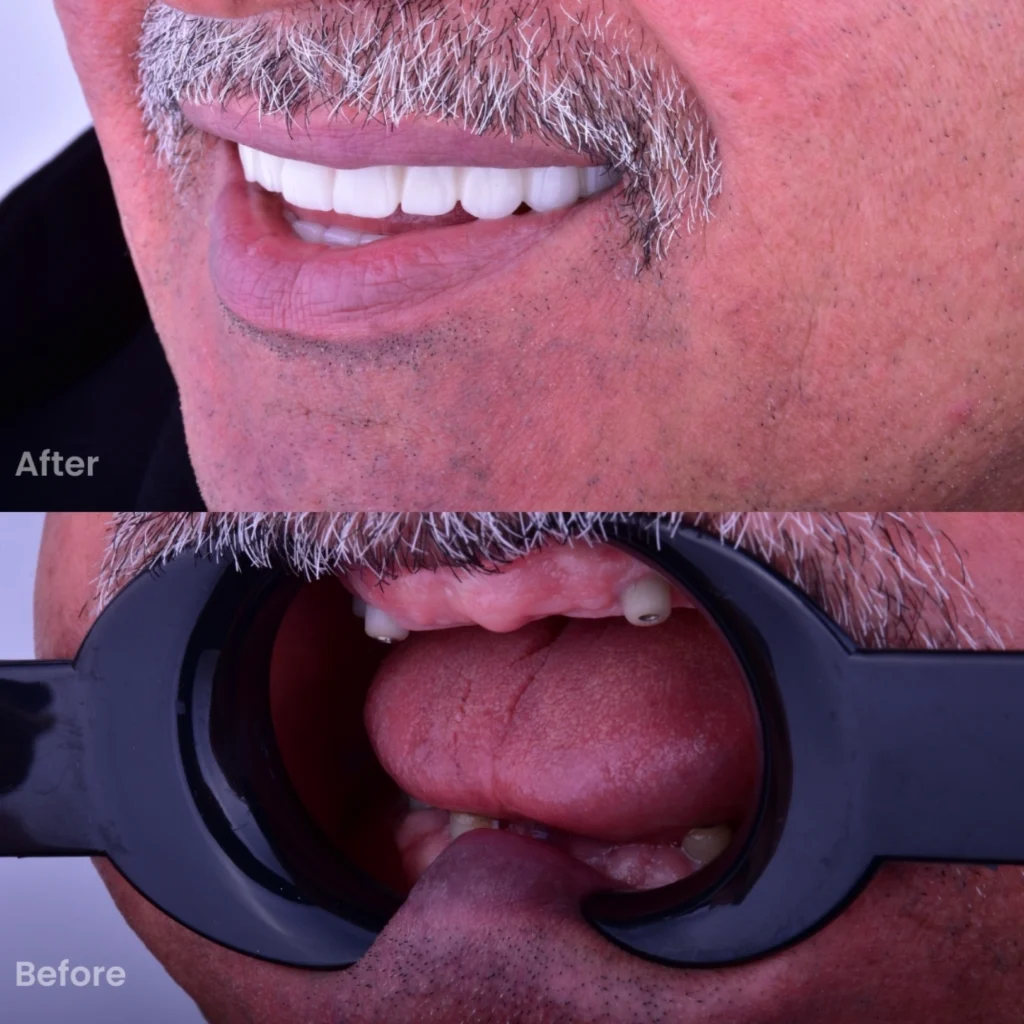
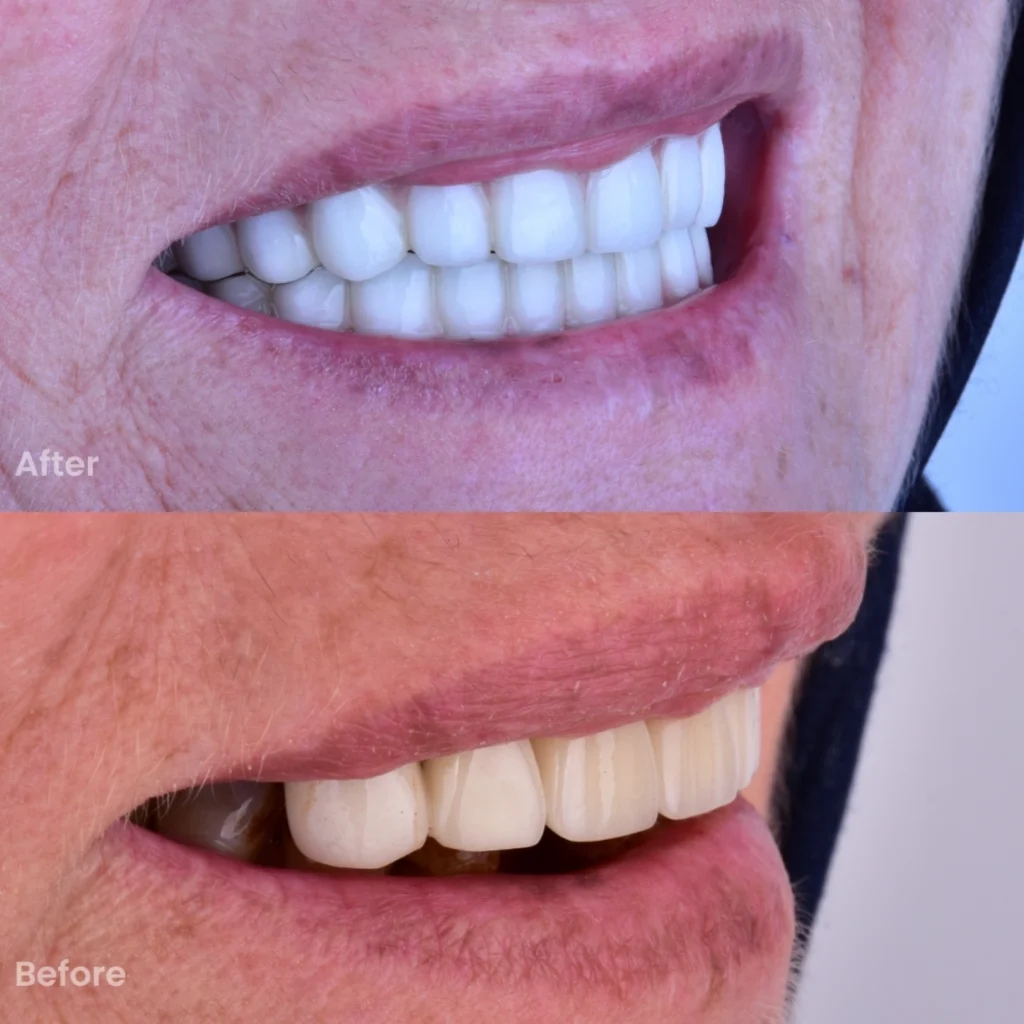
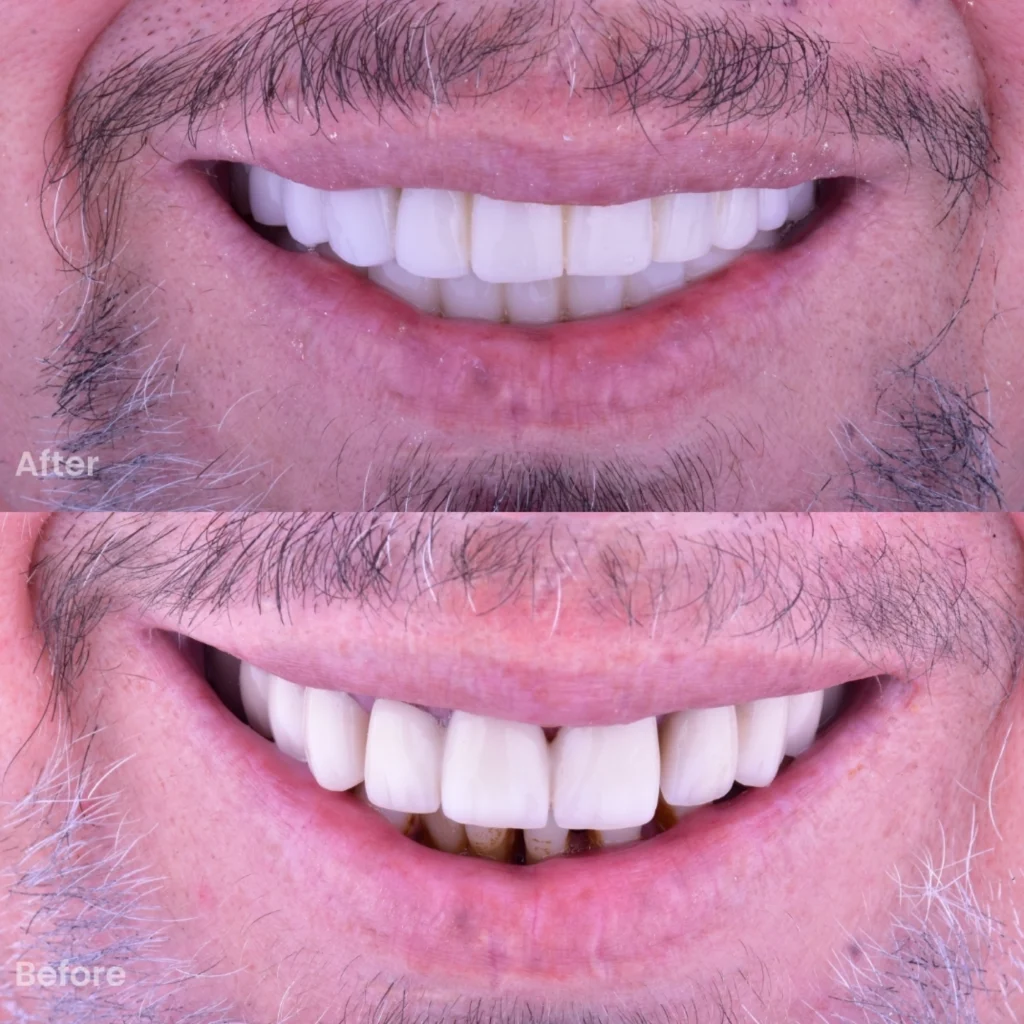
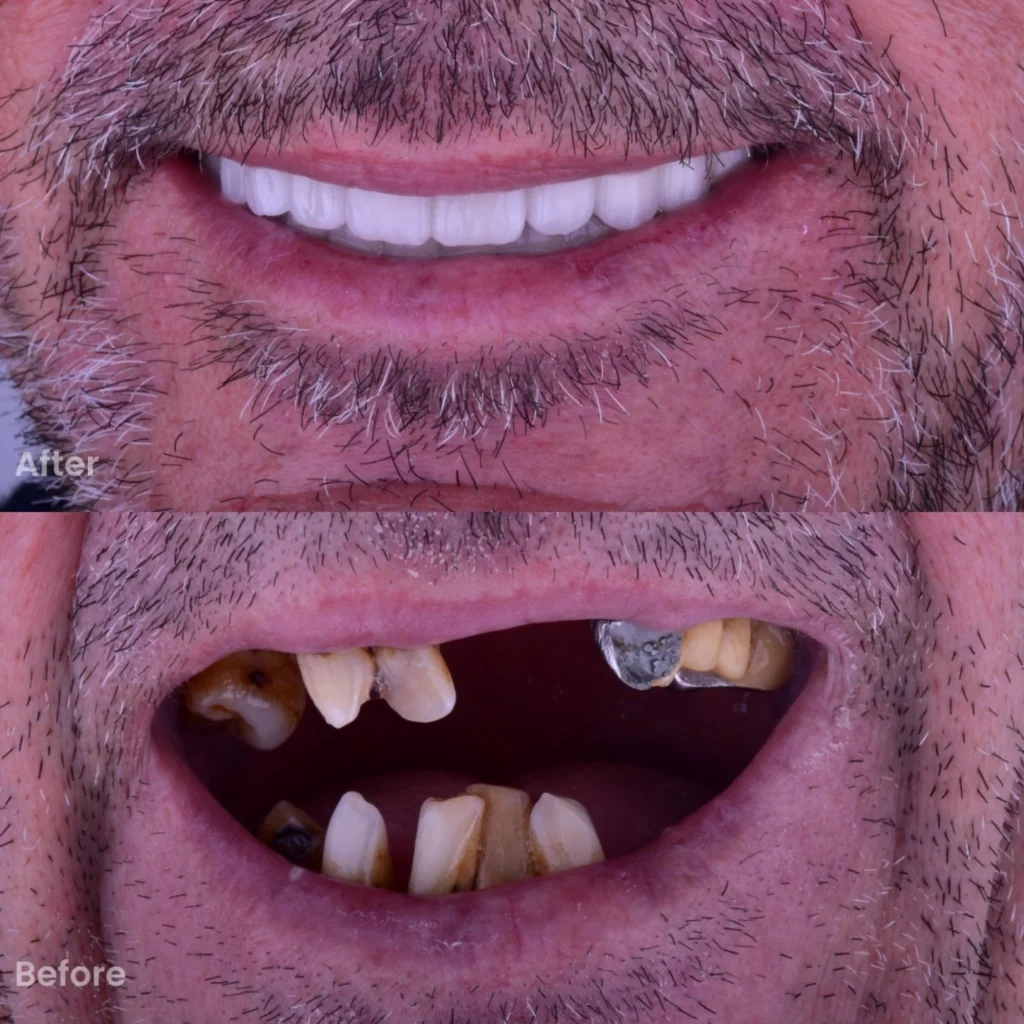
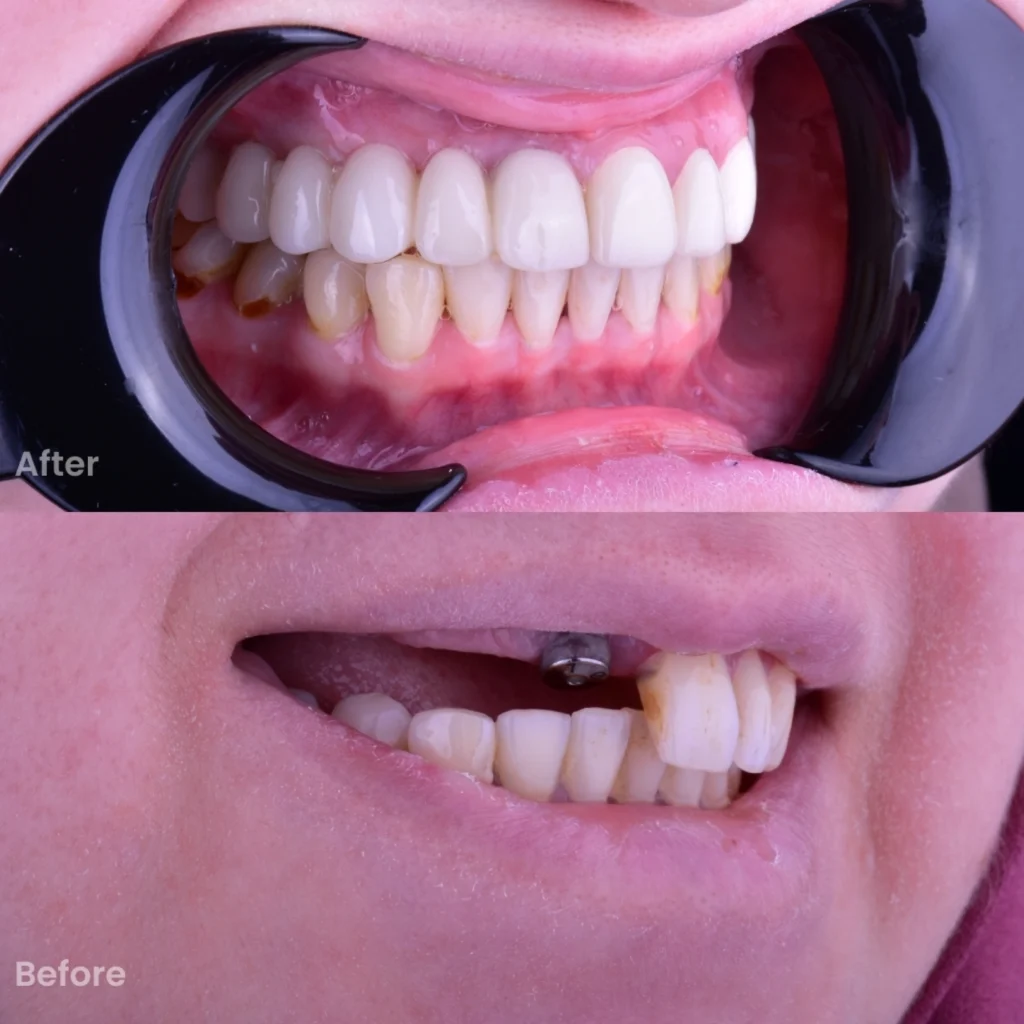
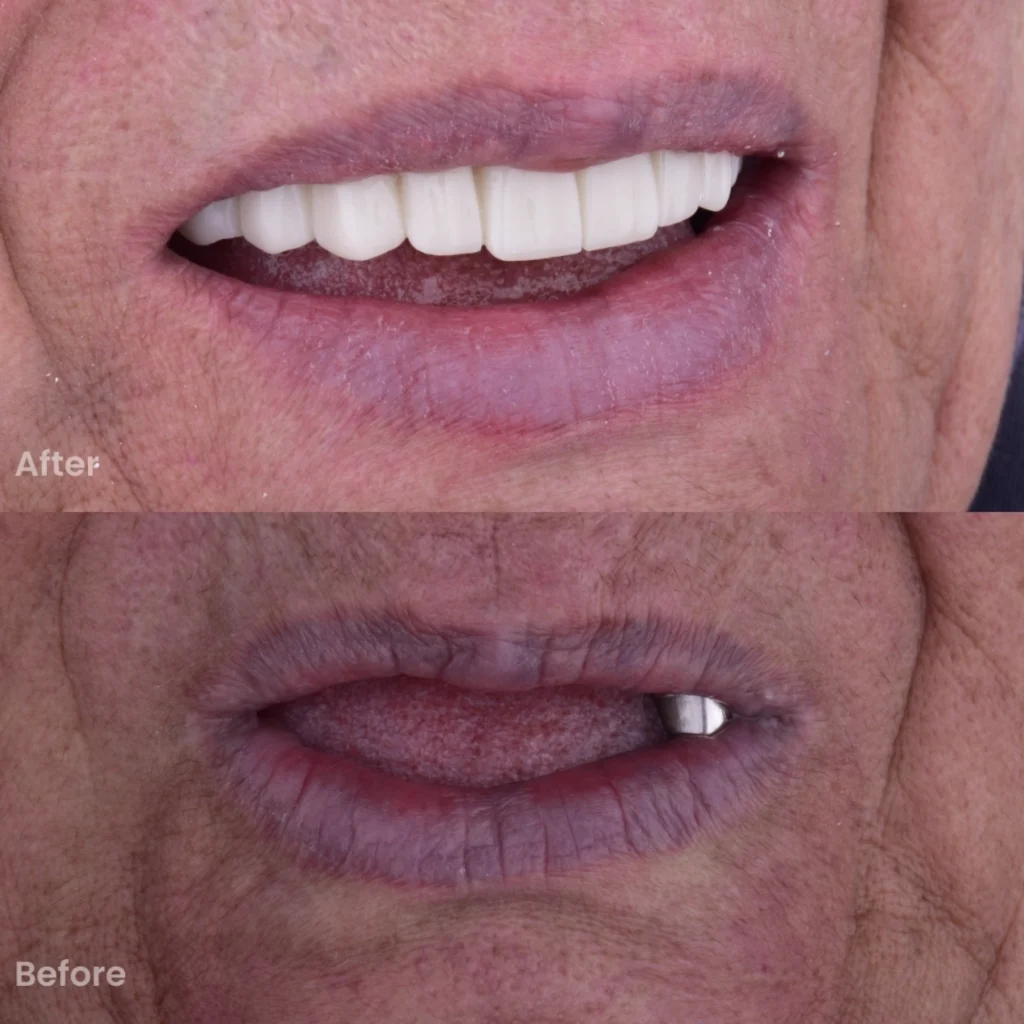
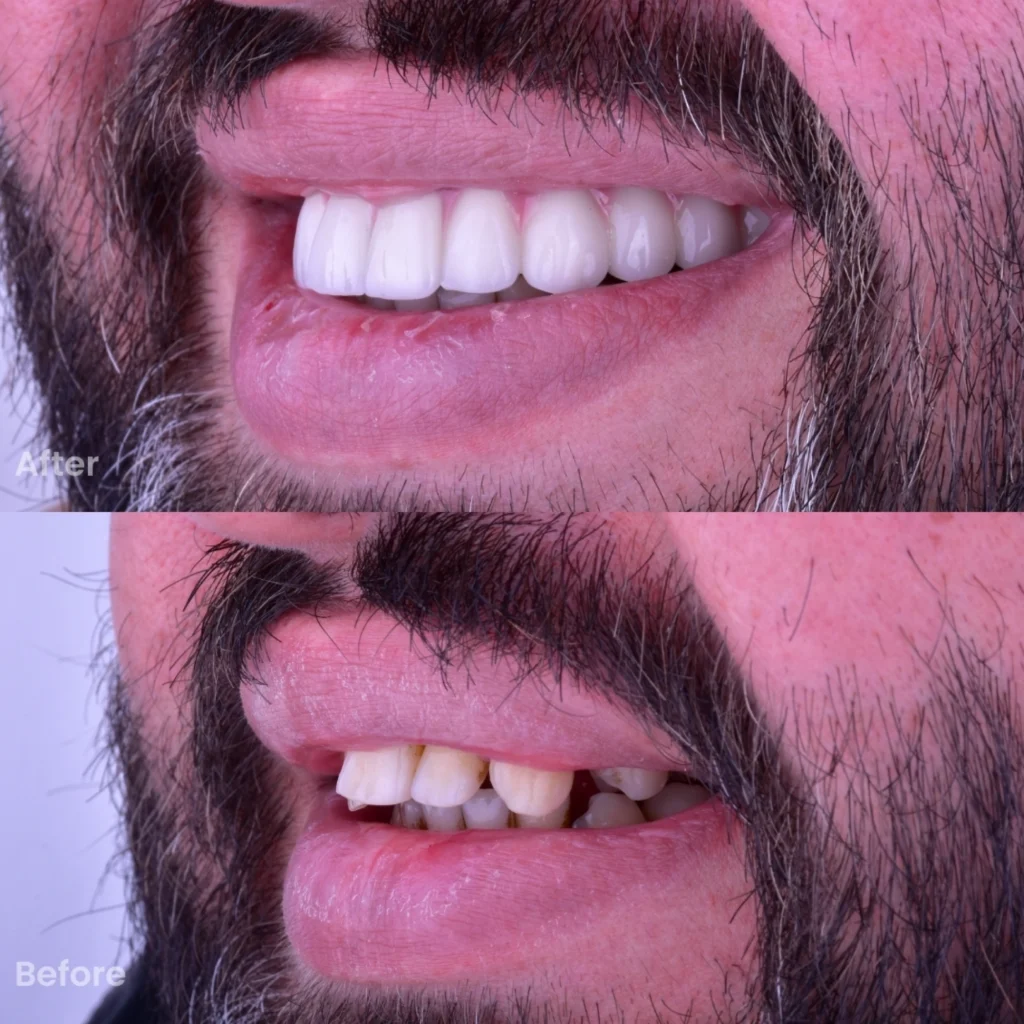
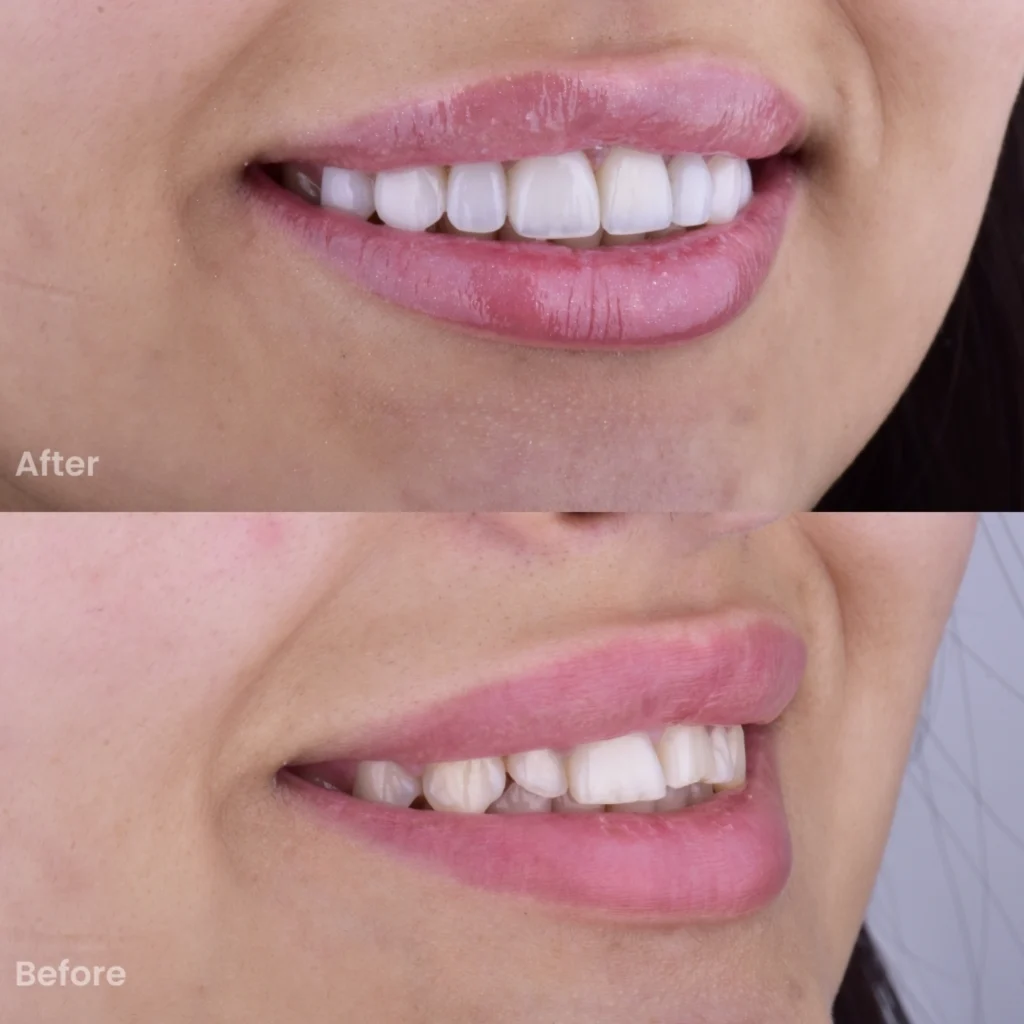
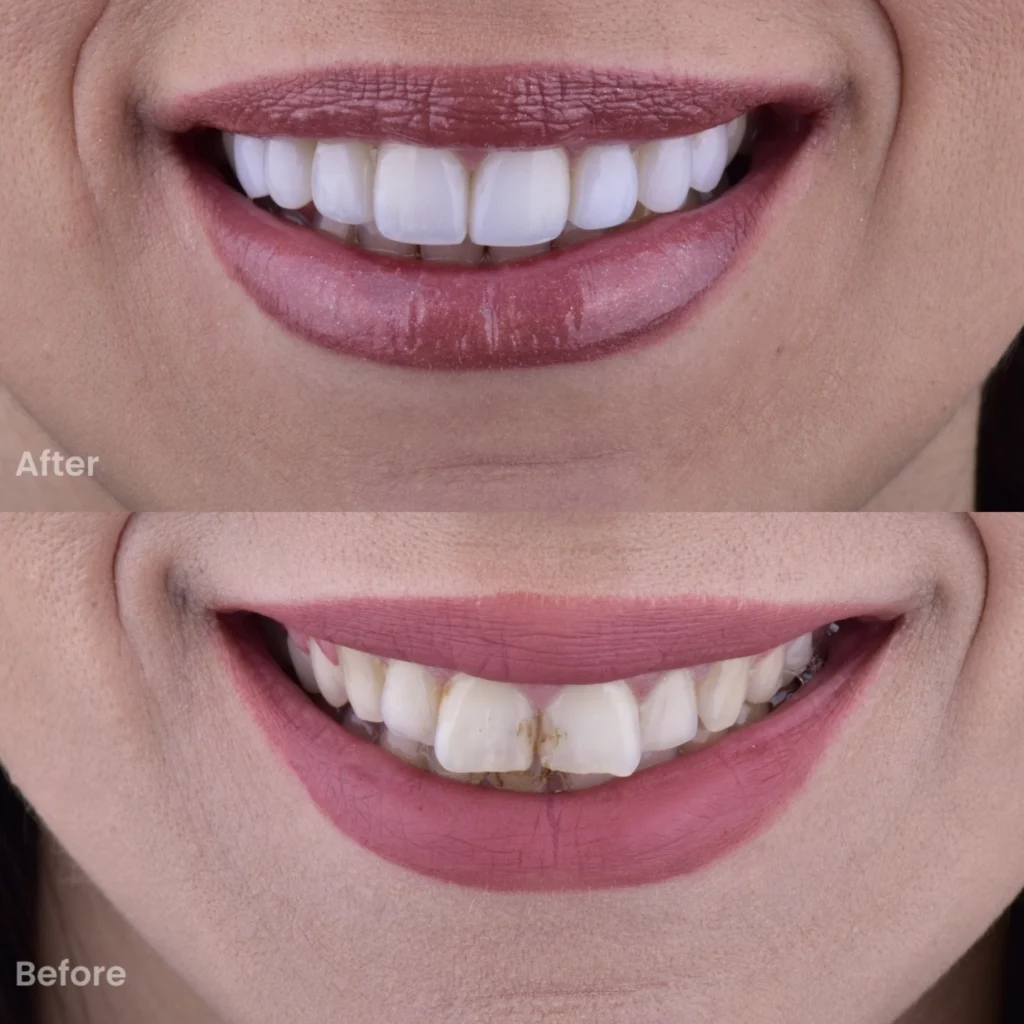
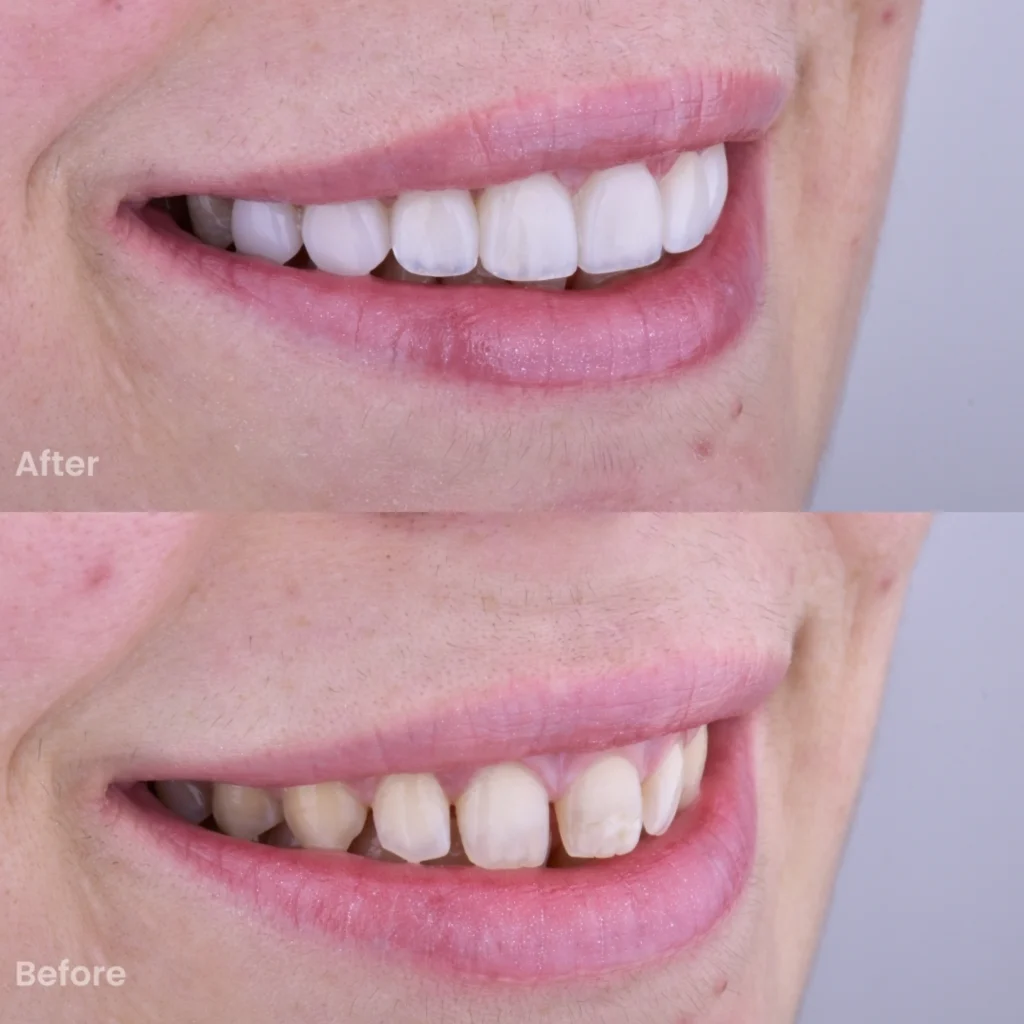
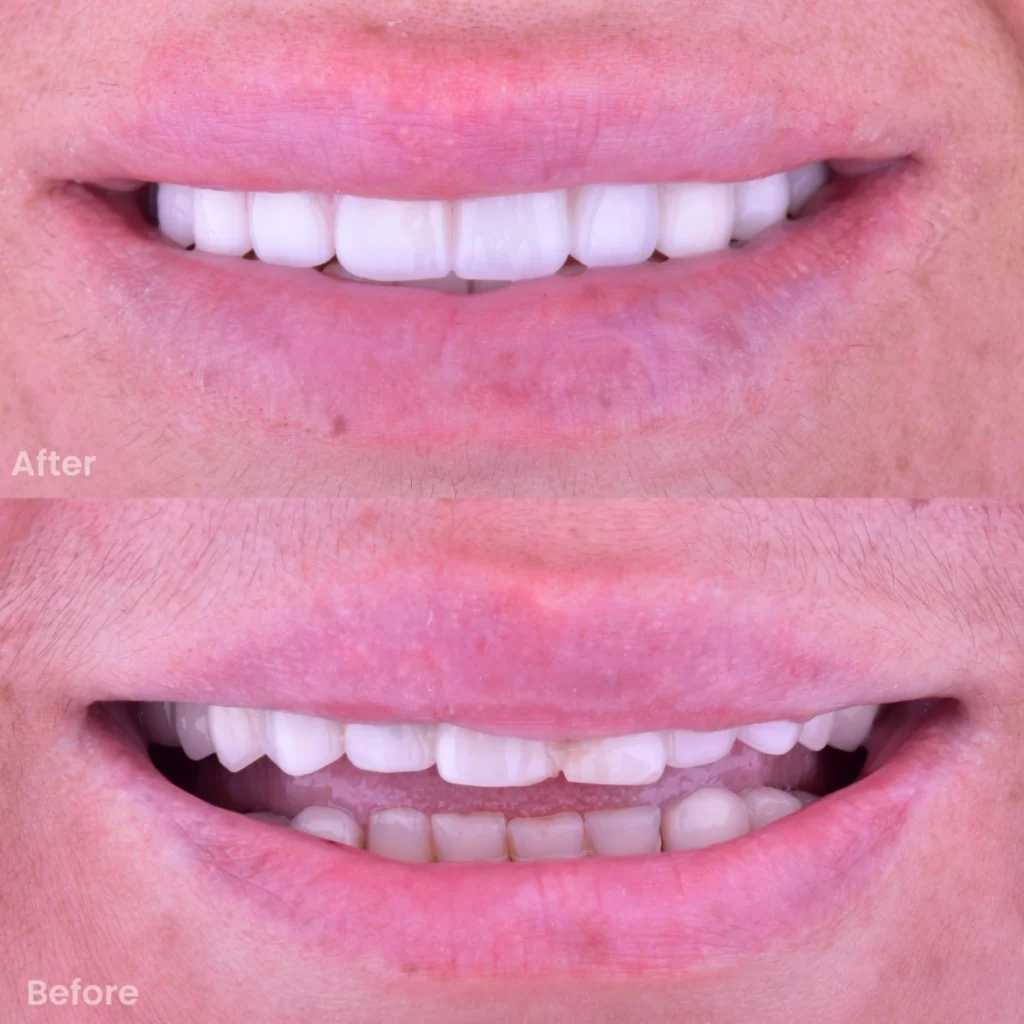
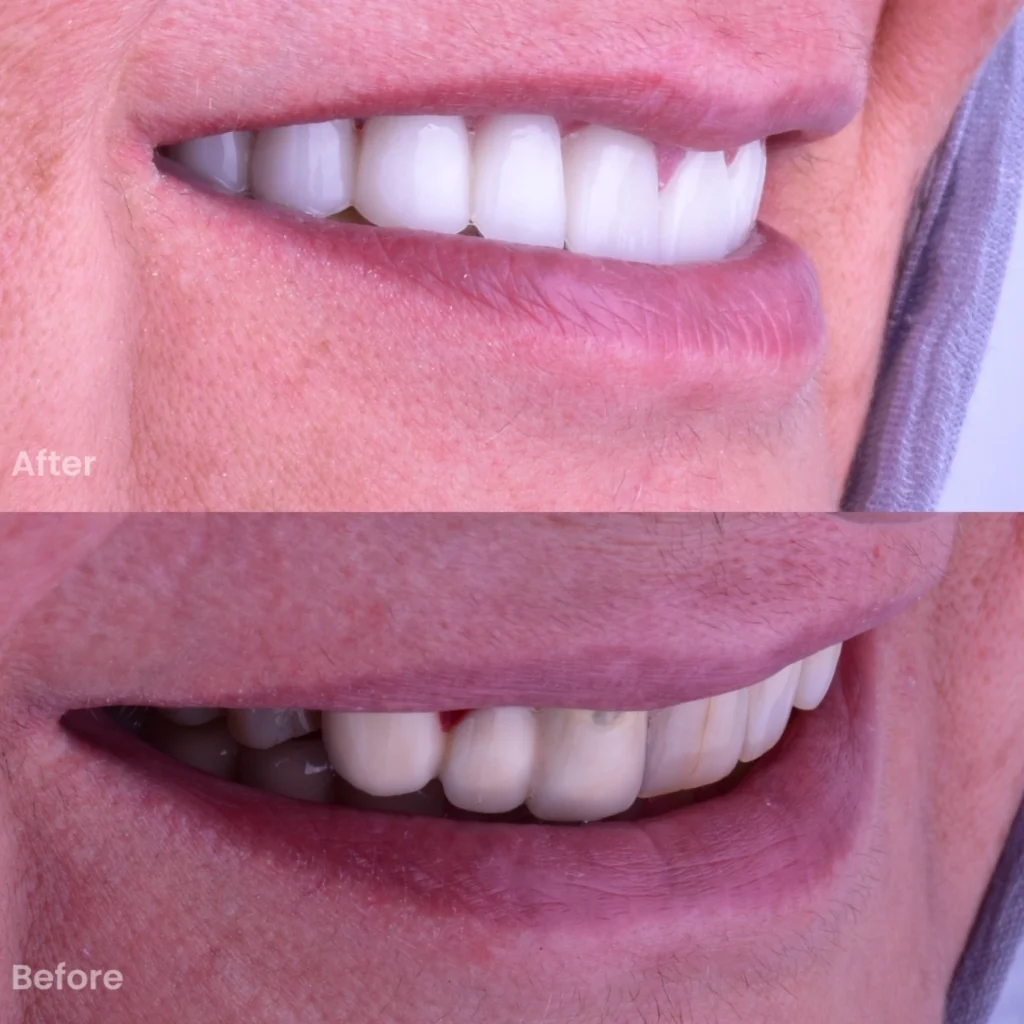
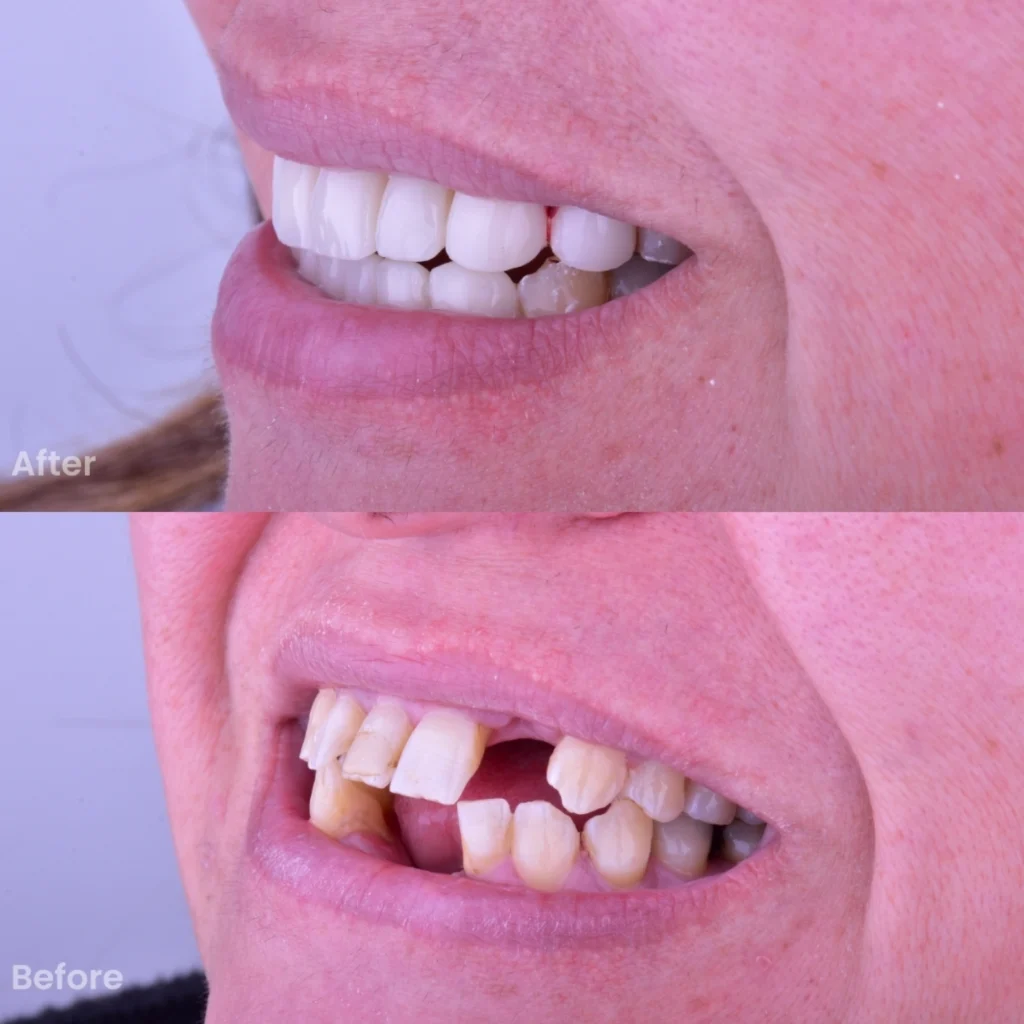
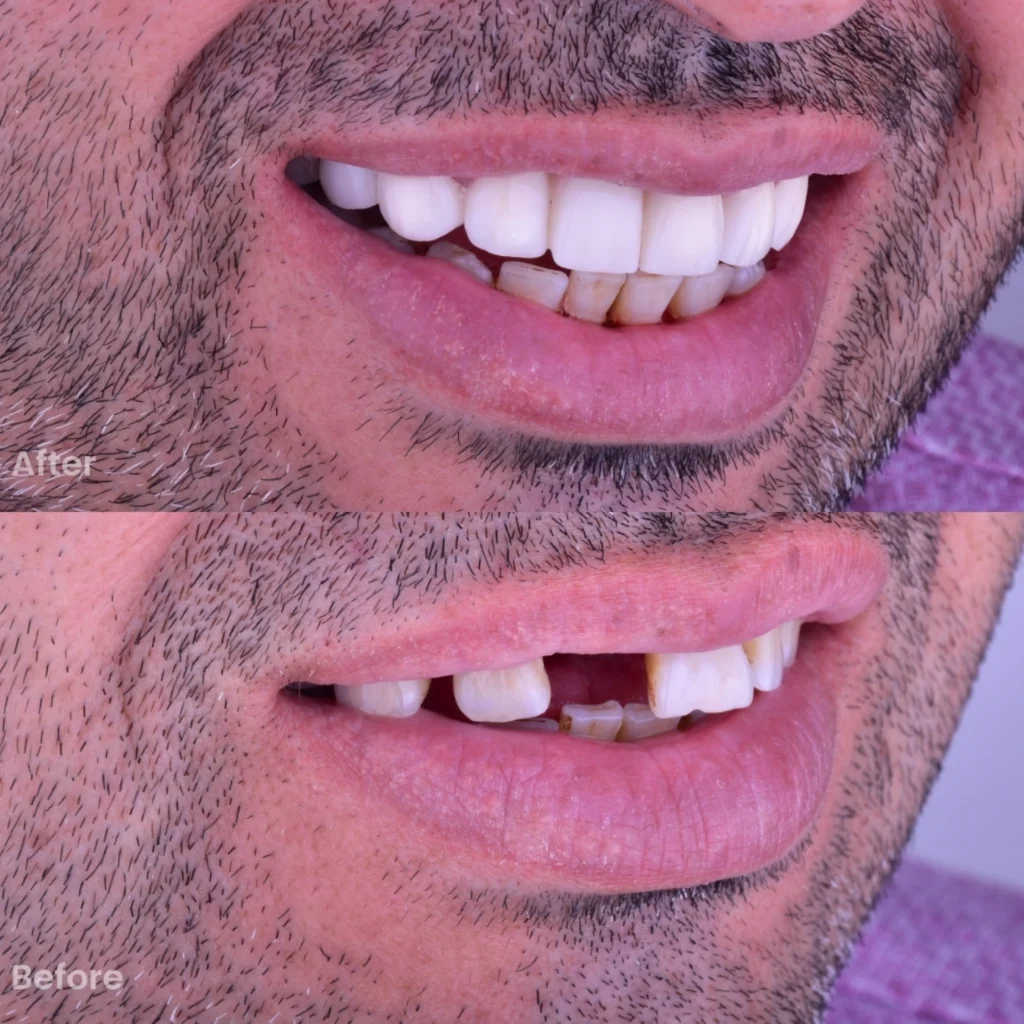
For this reason, gum appearance may be evaluated alongside treatments such as zirconia crowns, veneers, dental implants or other restorative procedures.
However, aesthetic planning should always begin with oral health.
Healthy gums provide the foundation for restorative and cosmetic dental treatment.
Dark Gums and Dental Treatment in Turkey
International patients researching dental treatment in Turkey often focus primarily on teeth: dental implants, zirconia crowns, veneers or full-mouth rehabilitation.
However, comprehensive smile planning may also include an evaluation of the gums.
At Dental Clinic Turkey, patients traveling to Kayseri, Turkey, can have their teeth, gums, bite and overall oral condition evaluated as part of their treatment planning.
For a patient with dark gums, the first question is not simply how to change the color.
The more important question is why the pigmentation exists.
If the pigmentation is natural and the gums are healthy, treatment may not be medically necessary. If the patient has concerns about gum aesthetics, suitable options can be discussed after examination.
If the color change is associated with inflammation or another oral condition, addressing oral health comes before cosmetic treatment.
This approach is especially important for international patients considering dental implants, zirconia crowns, veneers or a wider smile makeover in Turkey.
Frequently Asked Questions About Dark Gums
Why are my gums dark?
Dark gums may be caused by natural melanin pigmentation, genetics, smoking, certain medications or other oral and systemic factors. For many people, naturally dark gums are completely normal.
What causes dark gums if they used to be pink?
If your gums are turning dark after previously being lighter, factors such as smoking, medication, inflammation or other changes should be considered. A sudden or unexplained color change should be evaluated by a dental professional.
Are dark gums a sign of gum disease?
Not necessarily. Naturally dark gingiva can be completely healthy. Gum disease usually involves other symptoms such as bleeding, swelling, inflammation, recession or persistent bad breath.
What does darkness in gums mean?
The meaning depends on the individual. Darkness in gums may simply represent natural melanin pigmentation, particularly when the color has been stable for many years. New or changing pigmentation requires professional evaluation.
Can smoking cause dark gums?
Smoking is associated with increased gingival pigmentation in some individuals. It can also negatively affect periodontal health, making regular dental examinations particularly important for smokers.
Can dark gums be treated?
If the pigmentation is physiological but causes an aesthetic concern, gum depigmentation may be considered after clinical evaluation. If the color change has another cause, treatment should focus on the underlying condition first.
Is laser treatment available for dark gums?
Laser-assisted gum depigmentation is one of several techniques used to reduce gingival pigmentation. Whether it is suitable depends on the patient’s gum condition, pigmentation pattern and overall oral health.
Can dark gums become dark again after depigmentation?
Yes. Repigmentation is possible because melanin production is a natural biological process. Results and recurrence can vary between individuals.
When Should You See a Dentist About Dark Gums?
If your gums have always been naturally dark and you have no other symptoms, there may be no reason for concern.
However, professional evaluation is recommended when pigmentation appears suddenly, changes noticeably or occurs alongside symptoms such as bleeding, swelling, pain, persistent irritation or an unusual localized spot.
Changes in gum color should be assessed before any cosmetic procedure is considered.
So, why are your gums dark?
For many people, the answer is simply genetics and natural melanin pigmentation. Healthy gums can appear in a range of colors, and darker gingiva does not automatically indicate poor oral health.
However, darkening gums, newly developed pigmentation or gums turning dark can sometimes be associated with smoking, medications, inflammation or other conditions. This is why changes should be assessed individually rather than diagnosed based on appearance alone.
For patients considering cosmetic dentistry or dental treatment in Turkey, gum health is an important part of comprehensive smile planning. Whether treatment involves zirconia crowns, veneers, dental implants or gum aesthetics, healthy periodontal tissues should always form the foundation of the treatment plan.
At Dental Clinic Turkey in Kayseri, evaluation of the gums can be incorporated into the wider assessment of oral health and smile aesthetics, particularly for international patients planning restorative or cosmetic dental treatment in Turkey.