+90 538 279 69 38
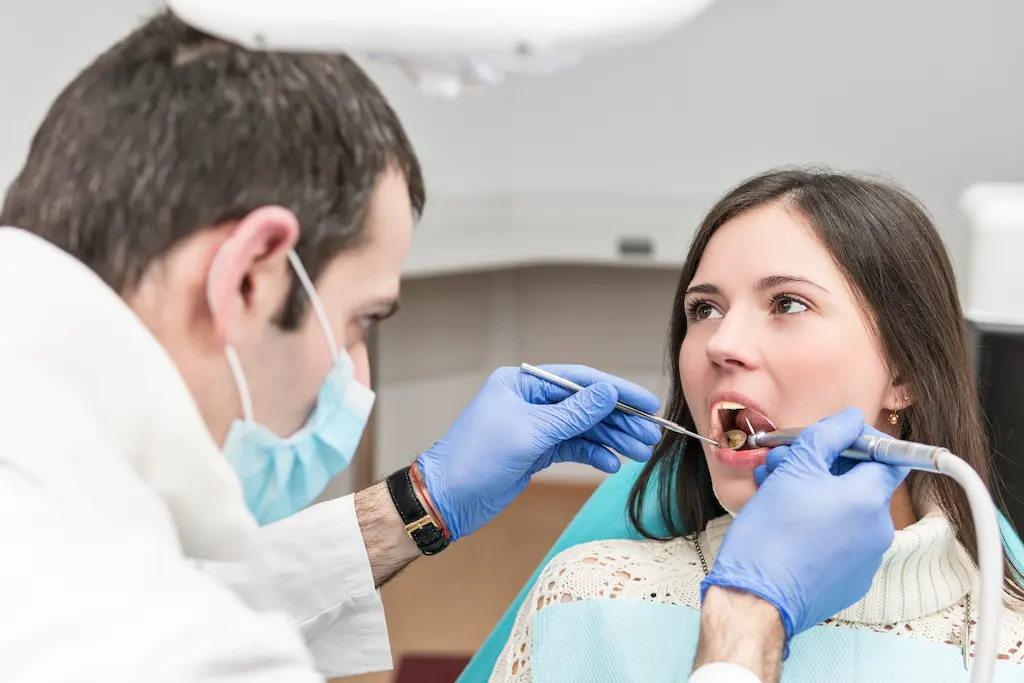
A loose tooth can be alarming at any age. While children naturally experience loose teeth as part of their dental development, adults usually do not. If one or more permanent teeth begin to feel loose, it is often a sign that something affecting the supporting structures of the tooth requires professional attention.
Many people search online for answers after noticing that a tooth moves slightly while eating, brushing, or biting. Questions such as “Why do my teeth feel loose?”, “Can a loose tooth be saved?”, or “How to fix a loose tooth?” are among the most common dental searches worldwide.
The good news is that a loose permanent tooth does not always mean the tooth will be lost. In many situations, early diagnosis allows dentists to identify the cause and recommend appropriate treatment before the condition progresses.
At Dental Clinic Turkey, located in Kayseri, we welcome patients from around the world seeking comprehensive Turkey dental treatment. One of the most common concerns we hear from international patients is whether a loose tooth can still be preserved. Understanding why a tooth becomes loose is the first step toward protecting your oral health.
Permanent teeth are supported by a complex system consisting of the jawbone, periodontal ligament, gum tissue, and surrounding bone. These structures work together to keep every tooth stable while allowing it to absorb normal chewing forces.
When one of these supporting tissues becomes damaged or weakened, a tooth may begin to move more than usual.
Some people notice slight movement only when touching the tooth with their tongue, while others experience discomfort during meals. In advanced situations, the tooth may shift position or affect the way the upper and lower teeth meet.
A loose permanent tooth should never be ignored. Although the movement may seem minor at first, the underlying cause can gradually worsen if left untreated.
There is no single reason why an adult tooth becomes loose. Several dental conditions may contribute to tooth mobility.
1. Gum Disease
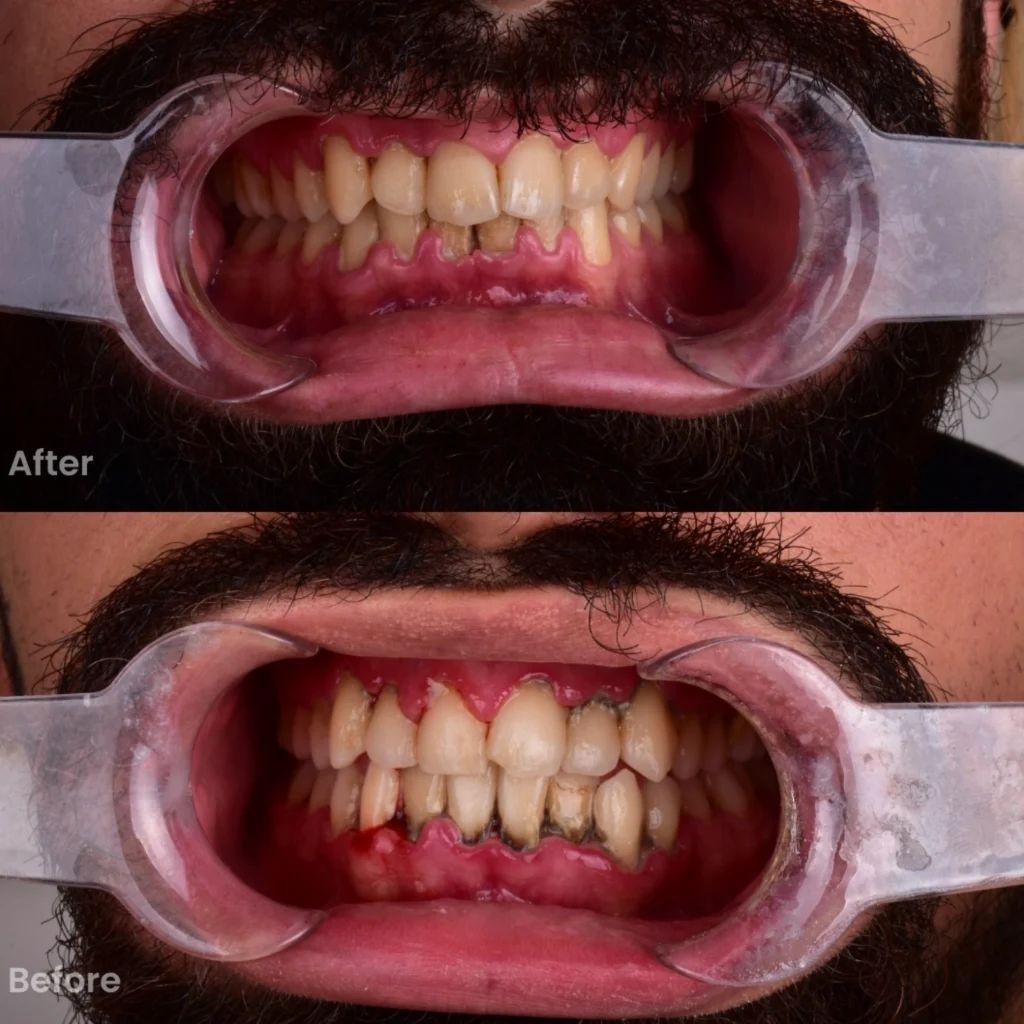
One of the leading causes of loose teeth is gum disease, also known as periodontal disease.
As bacteria accumulate beneath the gum line, inflammation begins to damage the tissues supporting the teeth. Over time, untreated periodontal disease may lead to bone loss, reducing the stability of the affected tooth.
Common signs include:
- Bleeding gums
- Swollen gums
- Persistent bad breath
- Gum recession
- Increased tooth mobility
Because gum disease often develops gradually, many patients do not notice the problem until their teeth begin to feel loose.
2. Dental Trauma
A fall, sports injury, or accident can place significant force on a tooth.
Even if the tooth does not break, the supporting ligament may become stretched or damaged, causing temporary or permanent mobility.
Following dental trauma, prompt evaluation is important to determine whether the tooth can heal naturally or requires treatment.
3. Teeth Grinding (Bruxism)
Many people grind or clench their teeth during sleep without realizing it.
Excessive biting forces may gradually weaken the periodontal ligament and surrounding bone, leading to tooth mobility over time.
Patients who wake up with jaw pain, headaches, or worn teeth may also experience increased pressure on certain teeth.
4. Bone Loss Around the Teeth
Healthy bone provides the foundation that keeps permanent teeth stable.
When bone volume decreases due to periodontal disease or other conditions, teeth may lose support and begin to move.
Bone loss usually develops slowly and cannot be detected without a professional dental examination and radiographic evaluation.
5. Poorly Fitting Dental Restorations
Crowns, bridges, or other restorations that no longer fit properly may place excessive pressure on individual teeth.
Although this is less common, adjusting or replacing the restoration may help improve the distribution of biting forces.
One of the most frequently searched questions is:
Can a loose tooth be saved?
In many cases, yes.
The answer depends on the cause, the amount of supporting bone remaining, and how early treatment begins.
If the tooth becomes loose because of early gum disease, professional periodontal therapy may help stabilize the surrounding tissues.
If trauma is responsible, temporary splinting and careful monitoring may allow healing to occur.
However, when severe bone loss has already developed, treatment options become more complex.
This is why early diagnosis plays such an important role in preserving natural teeth whenever possible.
Many patients hope a loose tooth will become firm again on its own.
The answer depends entirely on the underlying cause.
If the supporting tissues remain healthy and the source of irritation is removed, some teeth may regain stability during healing.
However, if the looseness results from advanced periodontal disease or significant bone loss, professional treatment is generally necessary.
Attempting to ignore the problem often allows further damage to occur.
There is no single treatment suitable for every patient.
Dentists first identify the underlying reason before recommending an individualized treatment plan.
Possible treatment options may include:
- Professional dental cleaning
- Deep periodontal cleaning
- Splinting mobile teeth
- Bite adjustment
- Periodontal therapy
- Bone regeneration procedures in selected cases
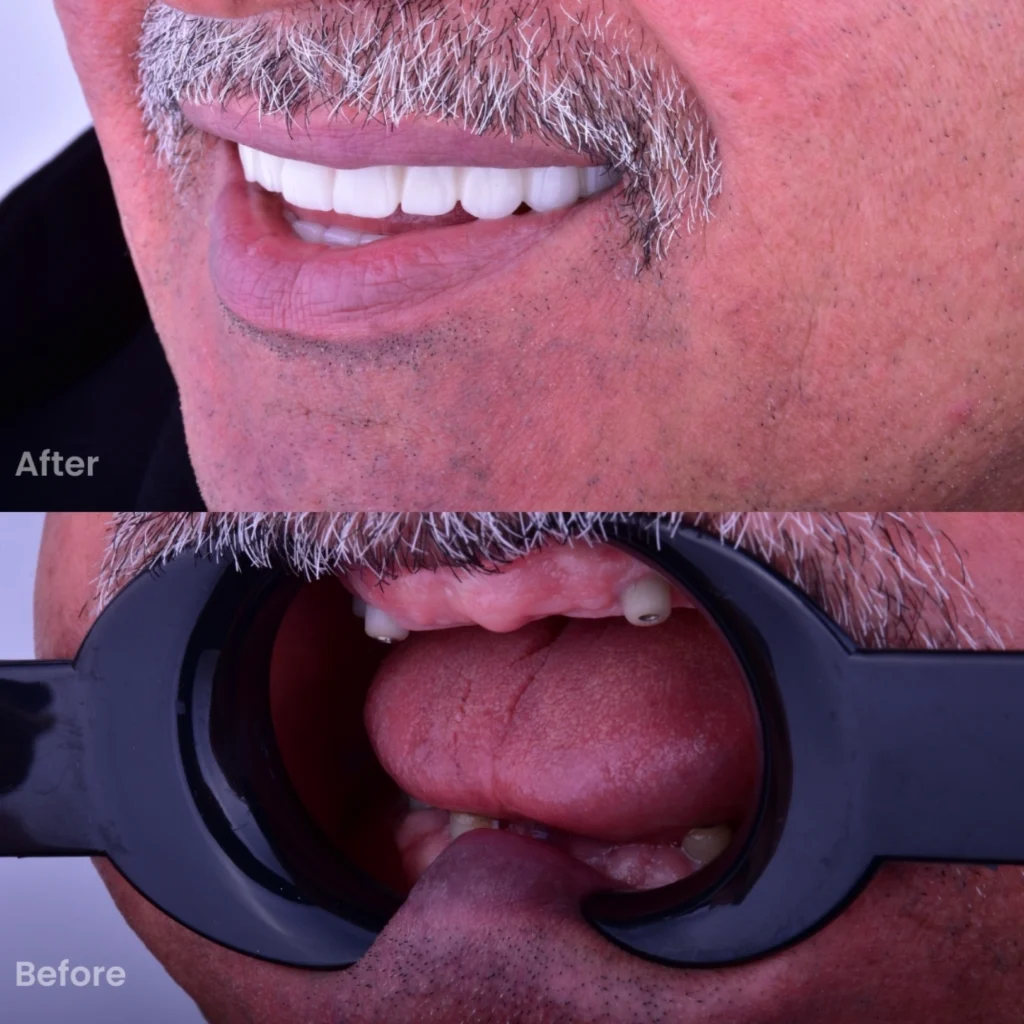
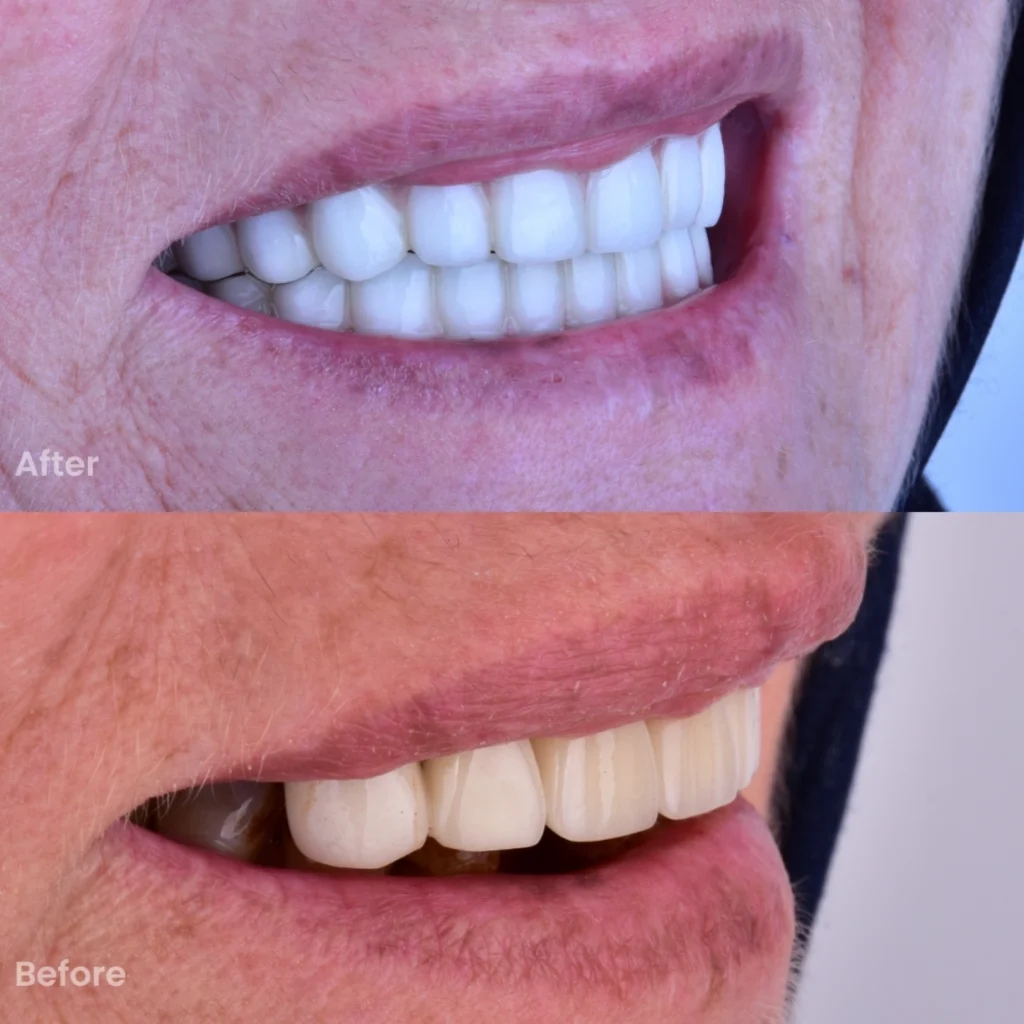
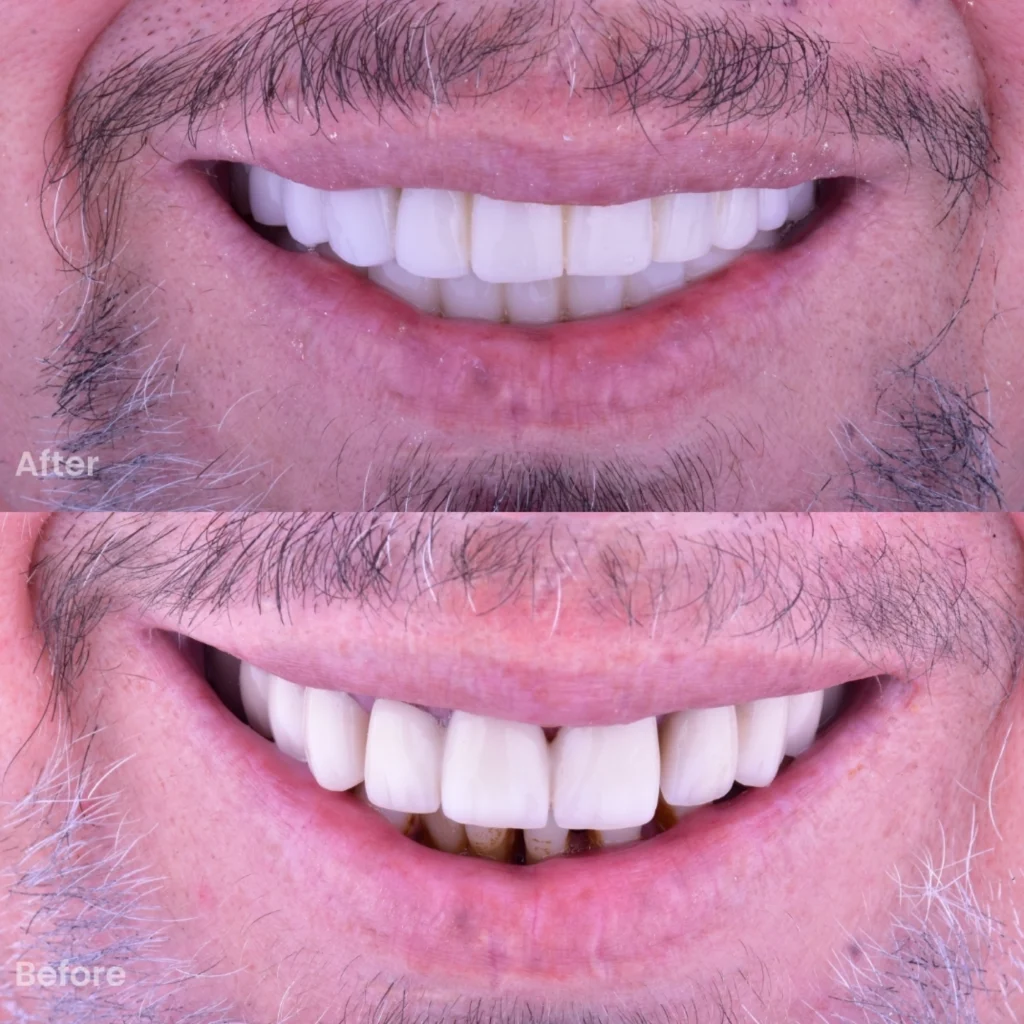
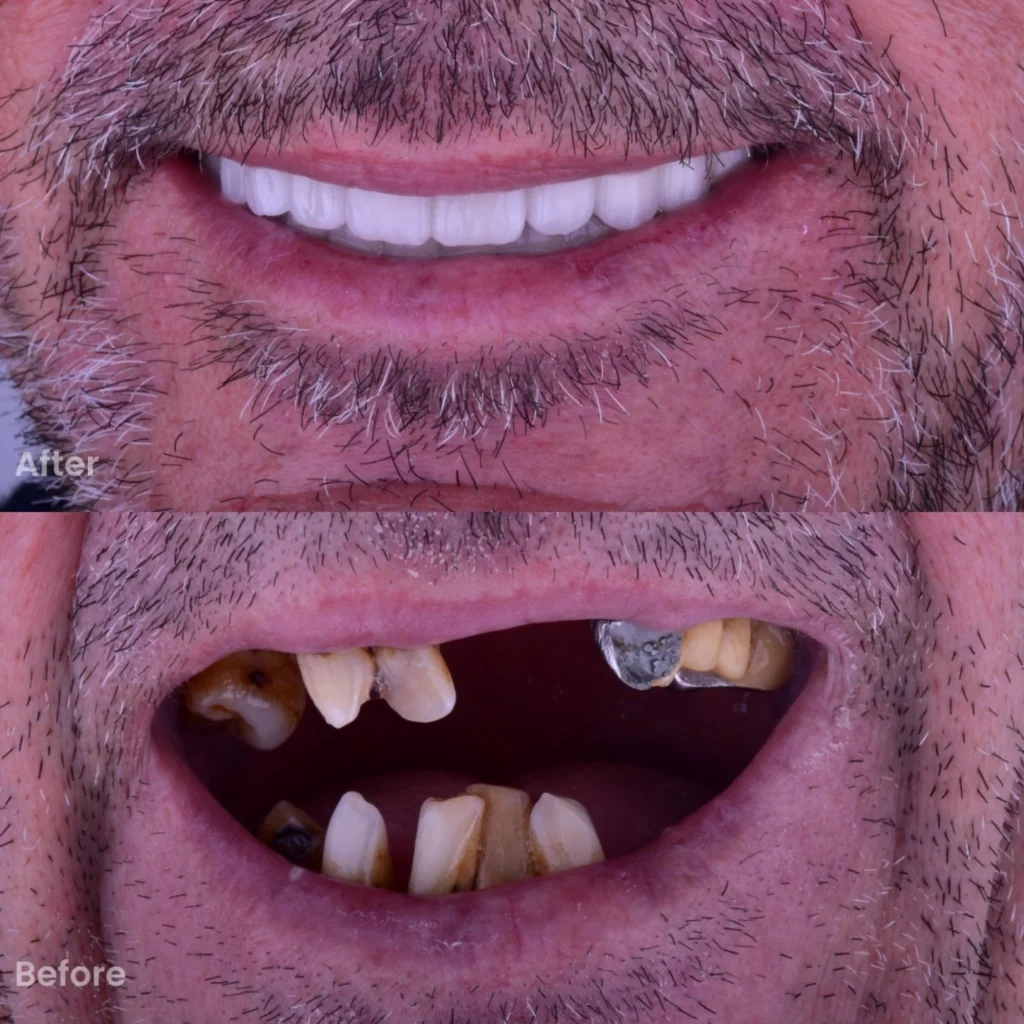
- Tooth replacement when preservation is no longer possible
The earlier treatment begins, the greater the opportunity to preserve the natural tooth.
One of the most common online searches is “How to pull a loose tooth” or “How to get a loose tooth out.”
While these questions are understandable, attempting to remove a permanent tooth at home is generally not recommended.
Unlike baby teeth, permanent teeth are connected to the surrounding bone and periodontal ligament. Pulling on a loose adult tooth without a professional evaluation may:
- Damage healthy gum tissue
- Increase bleeding
- Cause infection
- Fracture the tooth root
- Reduce the possibility of saving the tooth
Even if the tooth feels very loose, it may still be possible to preserve it with appropriate dental treatment. A clinical examination is the safest way to determine the best course of action.
Another frequently searched question is:
“Tooth is loose but still attached.”
This situation usually indicates that the supporting tissues have weakened, but the tooth has not completely detached from the jawbone.
Several conditions may cause this:
- Periodontal disease
- Dental trauma
- Occlusal overload
- Bone loss
- Infection around the tooth
The degree of mobility varies from patient to patient.
Some teeth move only slightly, while others become noticeably unstable during chewing.
Because every situation is different, a comprehensive examination allows the dentist to determine whether the tooth can be stabilized or whether alternative treatment options should be considered.
Not every loose tooth requires emergency care, but some situations should never be delayed.
You should arrange a dental examination as soon as possible if you experience:
- A tooth that suddenly becomes loose
- Pain while biting
- Swelling around the gums
- Bleeding that does not stop
- A loose tooth after an accident
- Pus around the gums
- Fever together with dental pain
These symptoms may indicate infection or significant damage to the supporting tissues.
Prompt evaluation can help reduce complications and improve treatment possibilities.
When evaluating a mobile tooth, dentists look beyond the tooth itself.
A comprehensive examination may include:
Clinical Examination
The dentist checks the amount of tooth mobility, gum condition, plaque accumulation and surrounding tissues.
Digital X-rays
Radiographs help evaluate:
- Bone levels
- Root condition
- Infection
- Fractures
- Previous dental treatment
Bite Analysis
Sometimes excessive biting pressure contributes to tooth mobility.
Evaluating how the teeth meet allows the dentist to determine whether bite adjustment may be beneficial.
Treatment depends entirely on the underlying cause.
Possible options include:
Professional Periodontal Treatment
If gum disease is responsible, removing bacterial deposits beneath the gums may help reduce inflammation.
Deep Cleaning
Scaling and root planing are commonly used to clean infected root surfaces below the gum line.
Splinting
Some mobile teeth benefit from temporary splinting.
This involves connecting the loose tooth to neighboring stable teeth while healing occurs.
Bite Adjustment
When excessive biting forces contribute to mobility, minor adjustments may improve force distribution.
Tooth Replacement
If the tooth cannot be preserved, replacement options may be discussed after appropriate healing.
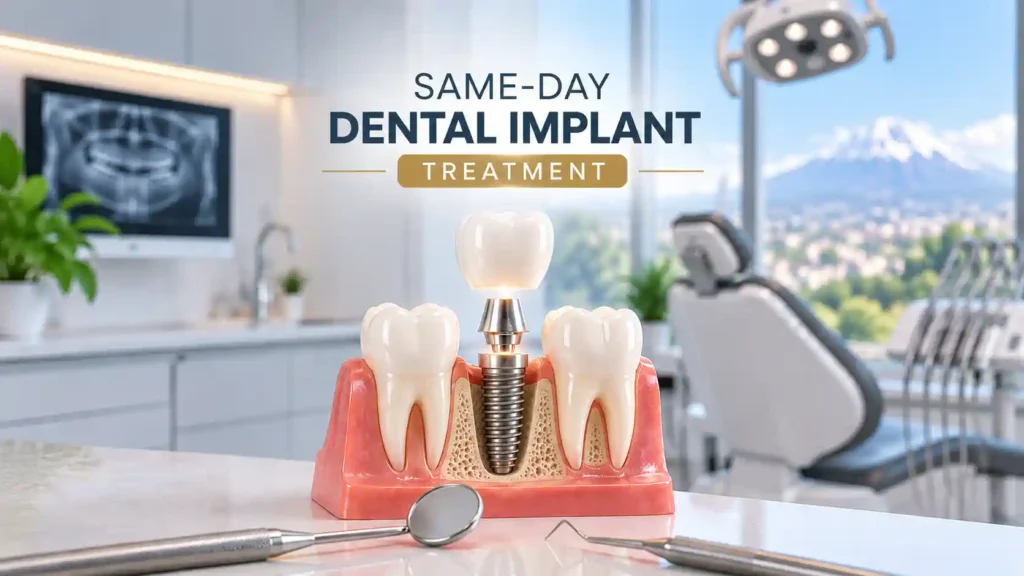
Dental implants are one possible restorative option in selected patients following clinical evaluation.
Bone loss is one of the main reasons adult teeth become loose.
Depending on the severity and individual circumstances, dentists may recommend different periodontal treatment approaches.
In selected cases, regenerative procedures may help support healing.
However, every patient is different, and treatment planning depends on clinical findings and radiographic assessment.
Although not every cause can be avoided, good oral care habits play an important role in maintaining healthy supporting tissues.
Helpful habits include:
- Brushing twice daily
- Cleaning between the teeth
- Attending regular dental examinations
- Managing gum inflammation early
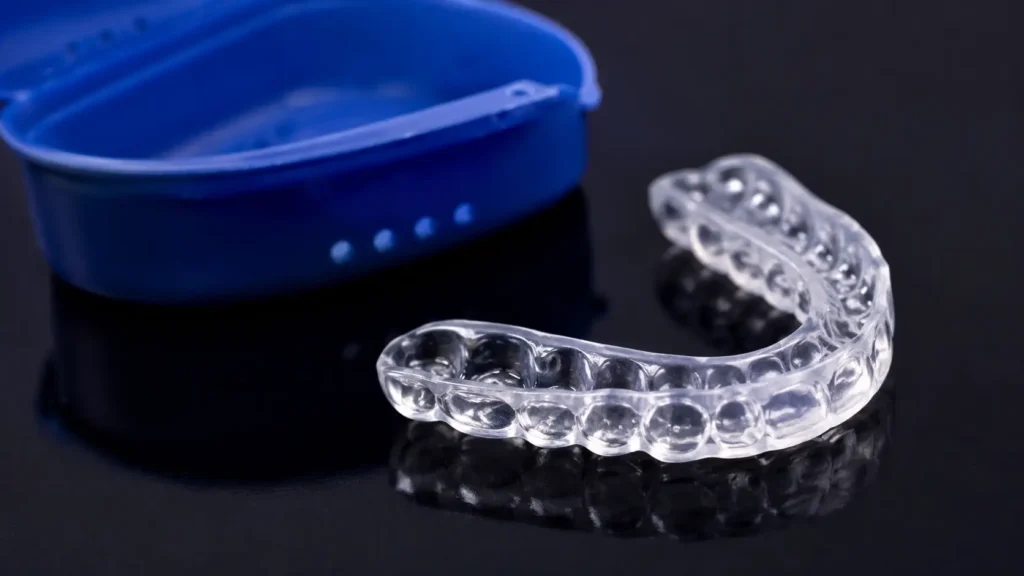
- Wearing a mouthguard during sports if recommended
- Addressing teeth grinding when appropriate
Preventive care often helps identify small problems before they become more complex.
Turkey has become one of Europe’s most recognized destinations for dental tourism.
Many international visitors travel for comprehensive dental evaluations while also enjoying the country’s hospitality, culture and historical attractions.
Patients often appreciate:
- Modern dental technology
- Multidisciplinary treatment planning
- Experienced dental teams
- Convenient international travel options
- The opportunity to combine treatment with travel
Every treatment plan is individually prepared after a professional examination.
Located in Kayseri, Dental Clinic Turkey welcomes patients from many different countries seeking comprehensive dental care.
Kayseri offers a convenient location with easy transportation, comfortable accommodation options and close proximity to destinations such as Cappadocia, making it possible for visitors to combine dental treatment with travel experiences.
Our approach focuses on:
- Comprehensive examinations
- Individualized treatment planning
- Modern diagnostic technologies
- Patient-centered communication
- Long-term oral health
Every patient’s needs are different, and treatment recommendations are based on clinical findings rather than assumptions.
If you’ve been asking yourself “Why do my teeth feel loose?”, you’re certainly not alone.
A loose permanent tooth can result from several different conditions, including gum disease, trauma, bone loss or excessive biting forces.
The encouraging news is that many loose teeth can be managed successfully when the underlying cause is identified early.
Rather than attempting home remedies or delaying care, professional evaluation provides the best opportunity to understand the condition and determine the most appropriate treatment plan.
Whether your goal is preserving your natural teeth or exploring restorative options, early diagnosis remains one of the most important steps toward maintaining long-term oral health.
At Dental Clinic Turkey in Kayseri, comprehensive examinations help patients understand their individual dental needs and available treatment options in a professional and patient-focused environment.
Can a loose permanent tooth become firm again?
It depends on the underlying cause. In some cases, appropriate treatment allows the supporting tissues to stabilize the tooth.
Is a loose tooth always caused by gum disease?
No. Trauma, bone loss, teeth grinding and bite problems may also contribute to tooth mobility.
Should I remove a loose permanent tooth myself?
No. Attempting to remove a permanent tooth at home may increase damage and reduce treatment possibilities.
How quickly should I see a dentist?
Any loose permanent tooth should be professionally evaluated as soon as possible, especially if pain, swelling or bleeding is present.
Can a loose tooth be saved?
Many loose teeth can be preserved when the cause is diagnosed early and treated appropriately.