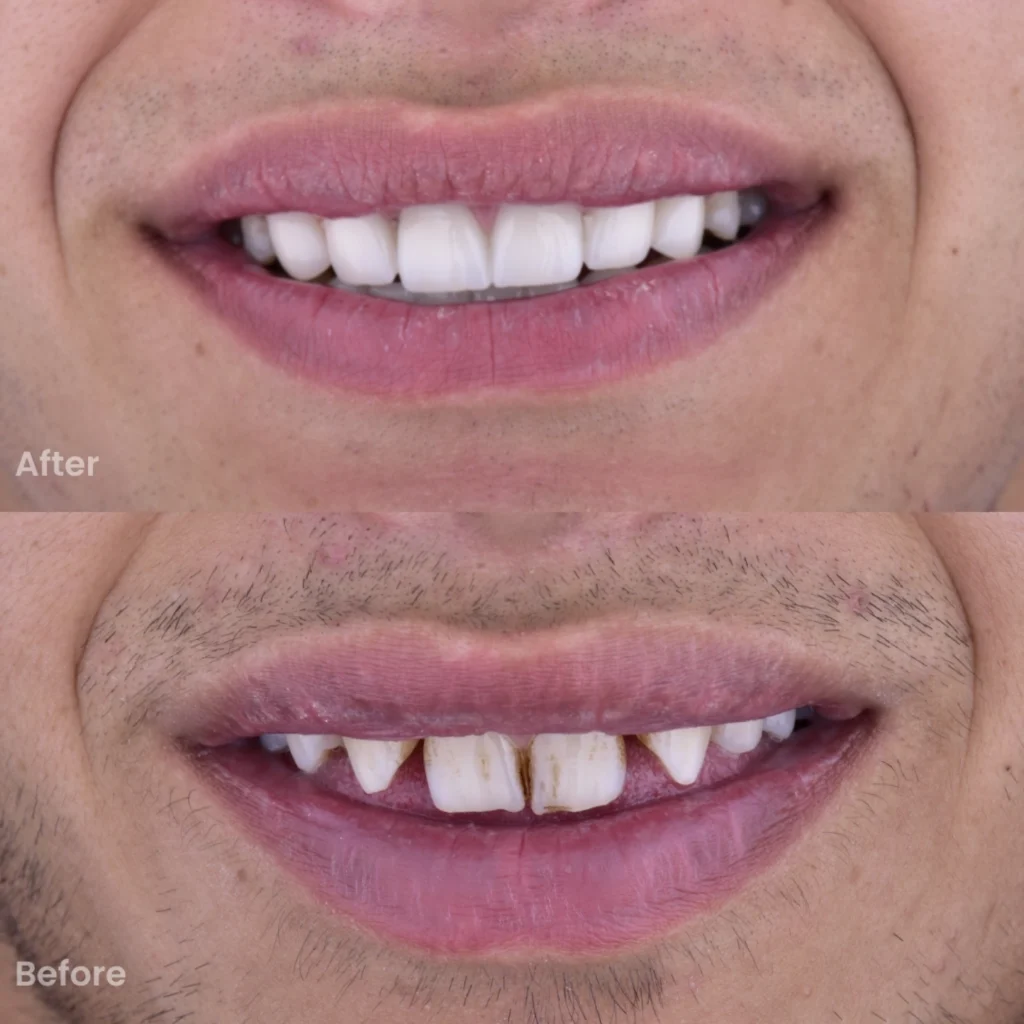
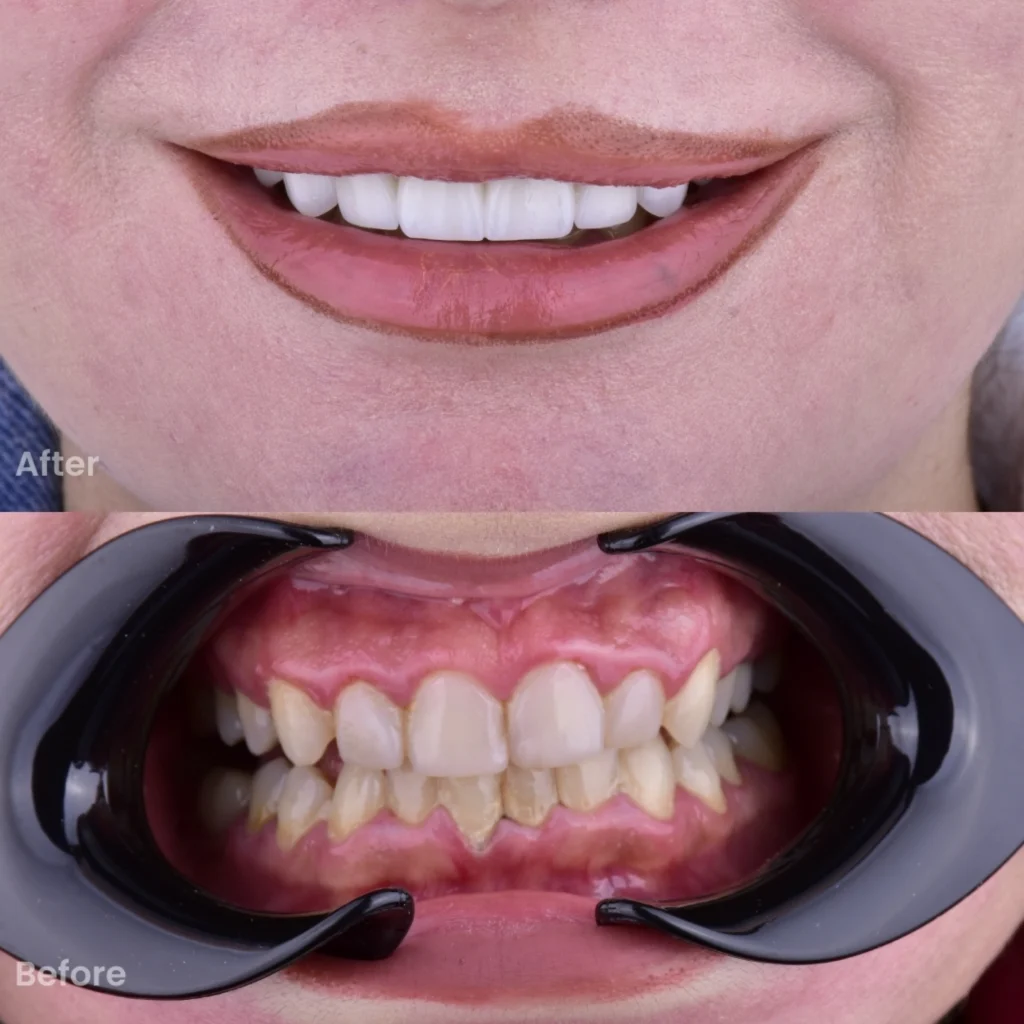
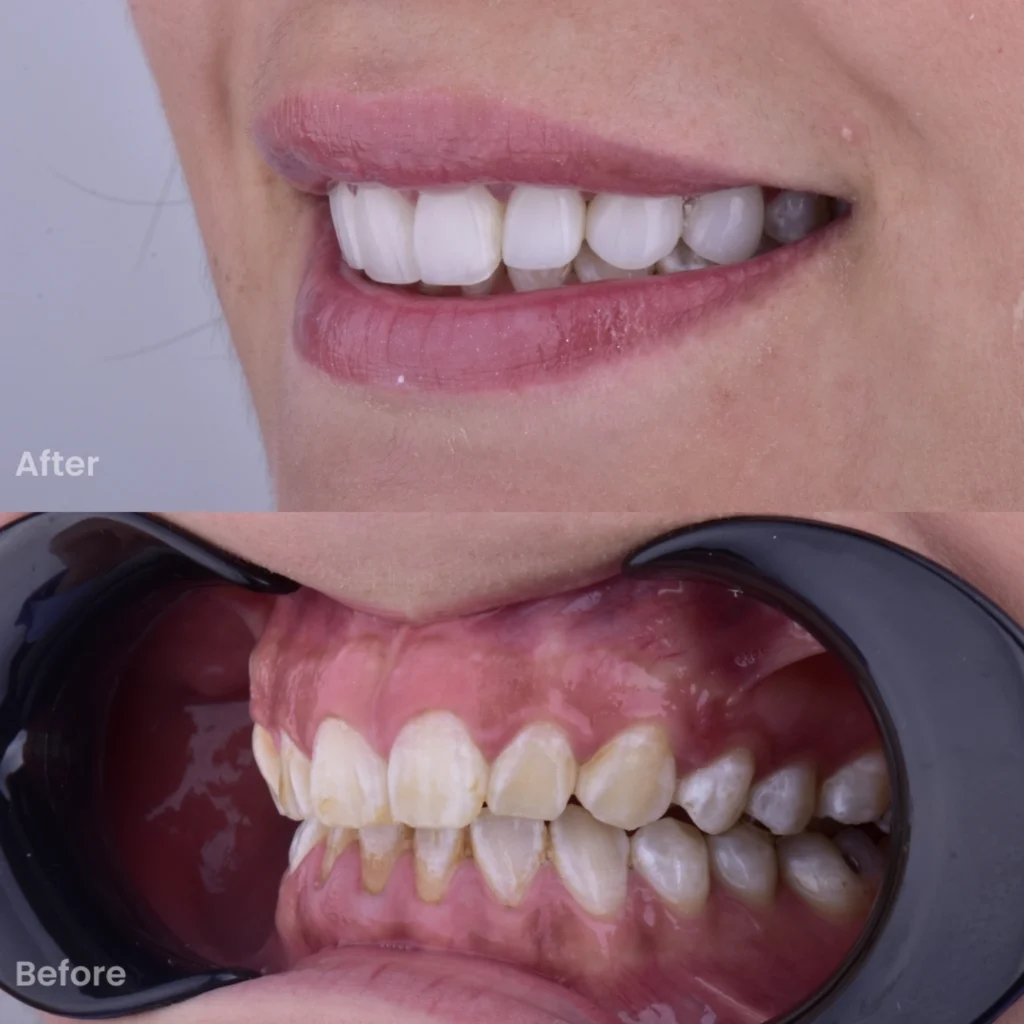
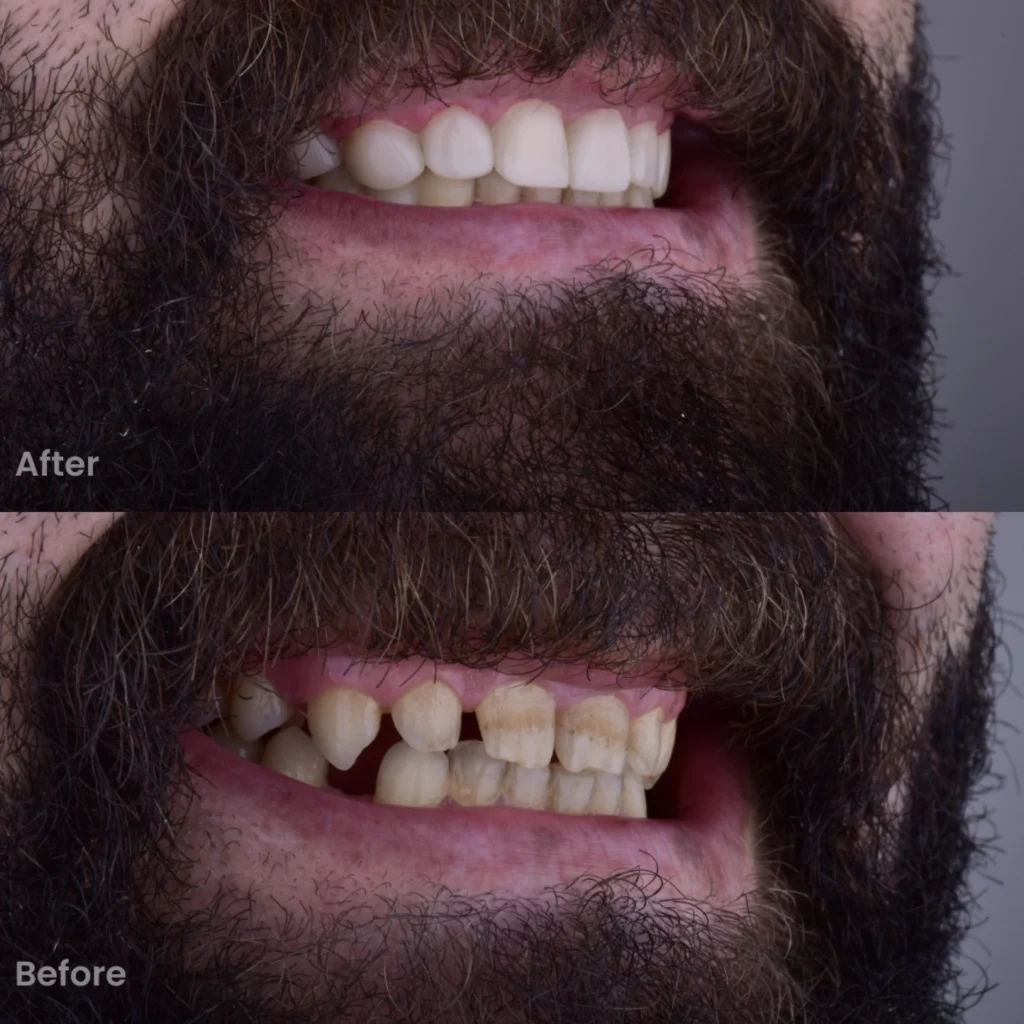
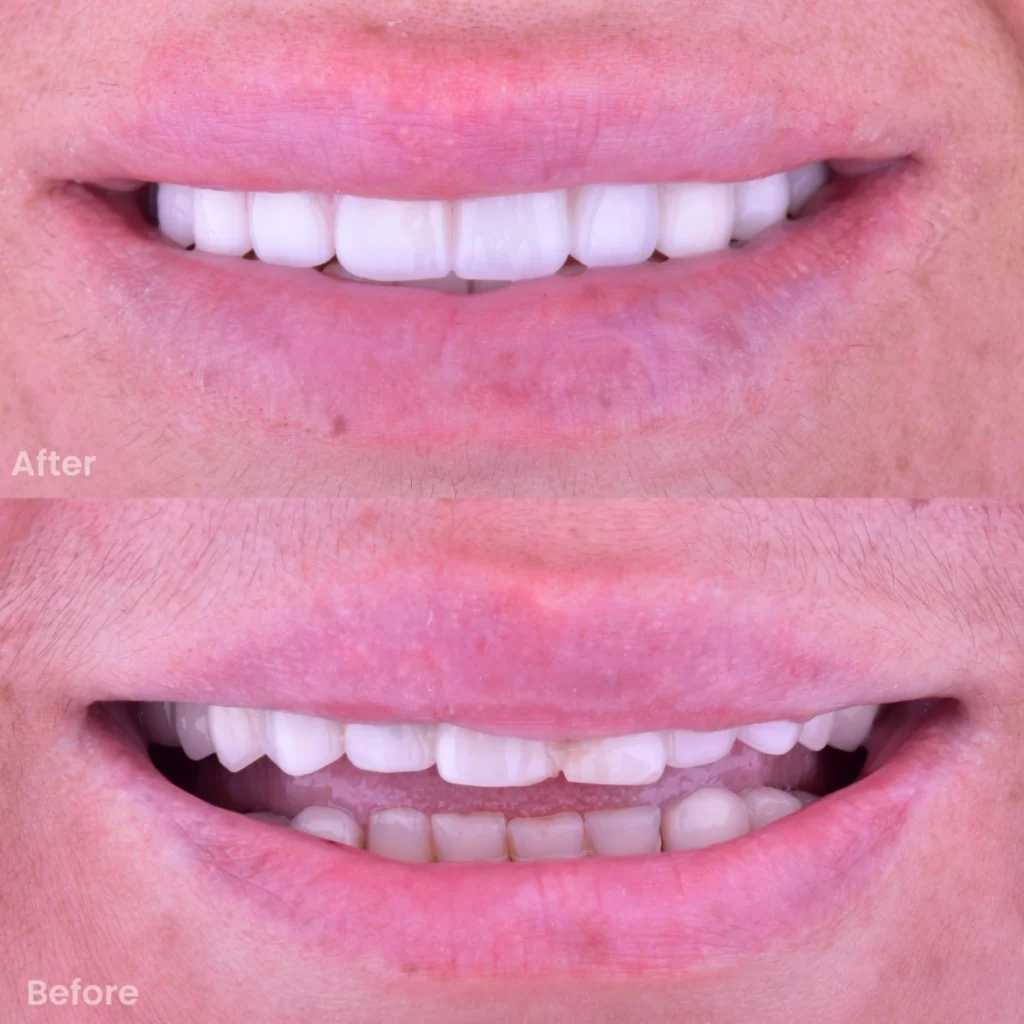
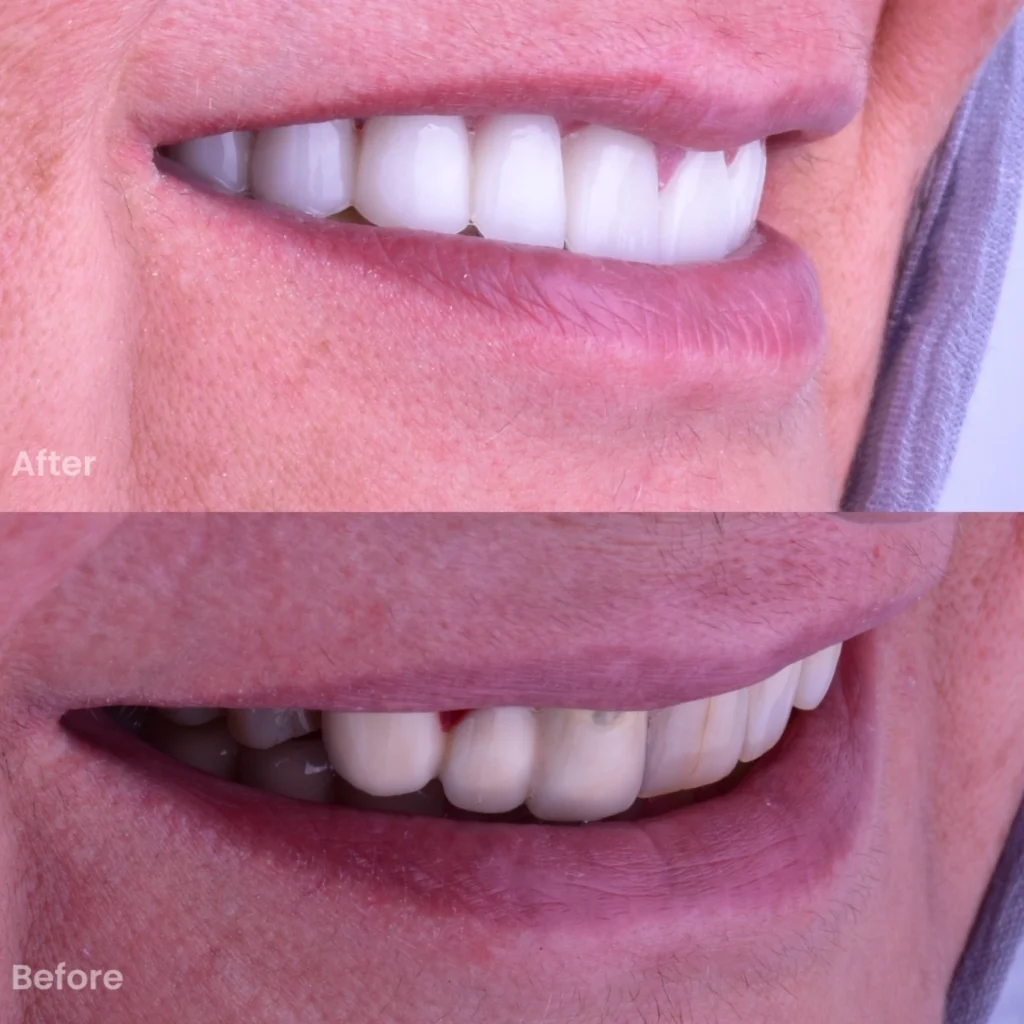
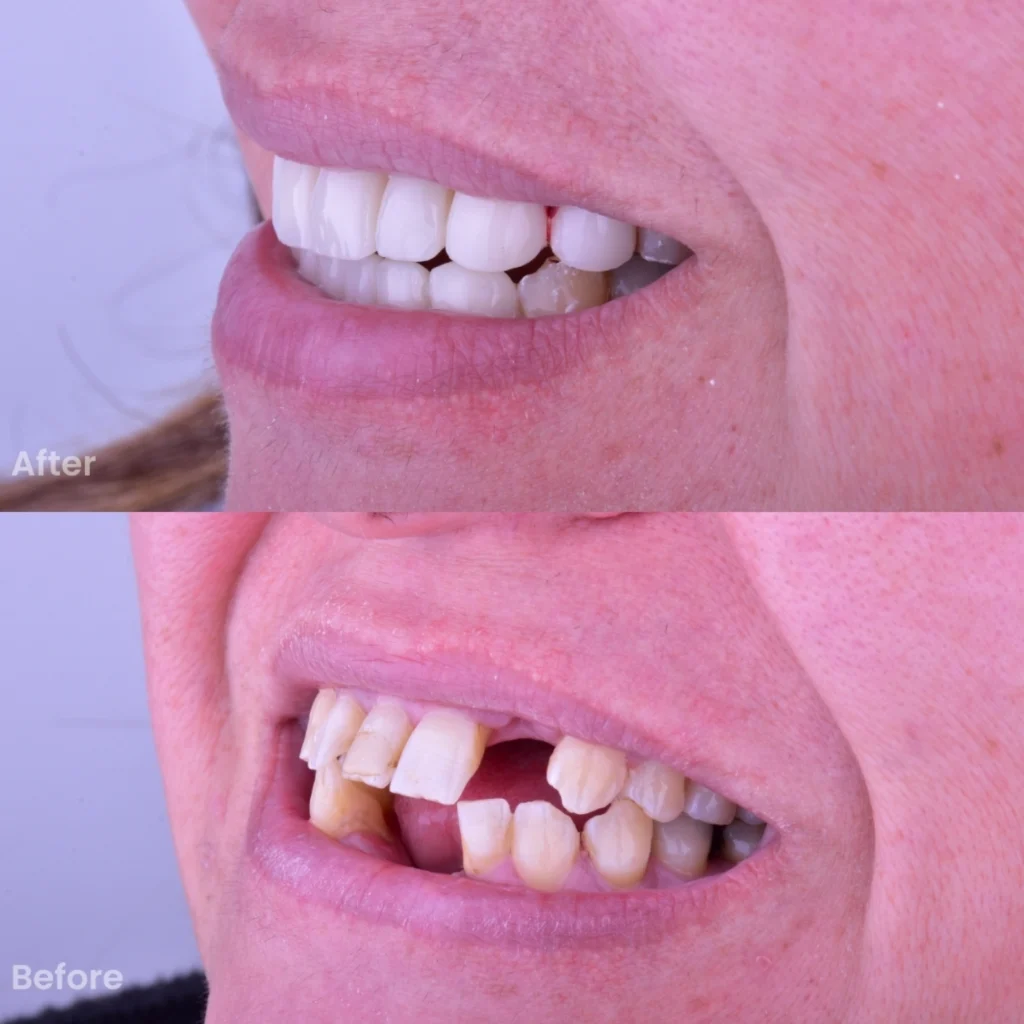
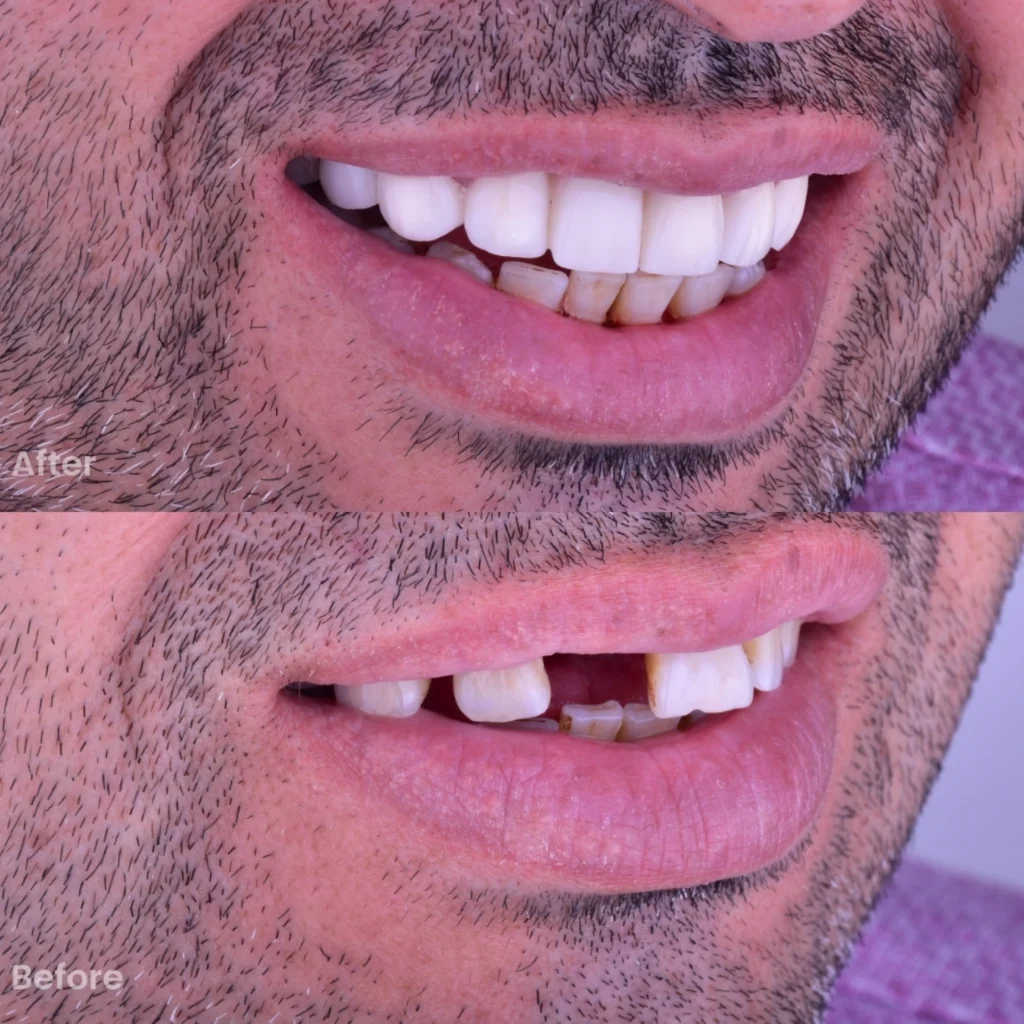
+90 553 315 19 85

Zirconia dental crowns have become one of the most widely used restorative solutions in modern dentistry due to their combination of aesthetics, durability, and biocompatibility. As dental technologies advance, zirconia-based restorations are increasingly preferred for both functional rehabilitation and cosmetic improvement. However, before deciding on zirconia crowns, it is essential to understand the treatment process, clinical considerations, material characteristics, and long-term expectations.
This article provides a comprehensive, professional, and evidence-based overview of zirconia dental crowns, outlining what patients should know before undergoing treatment.
This content is provided for informational purposes only.
What Are Zirconia Dental Crowns?
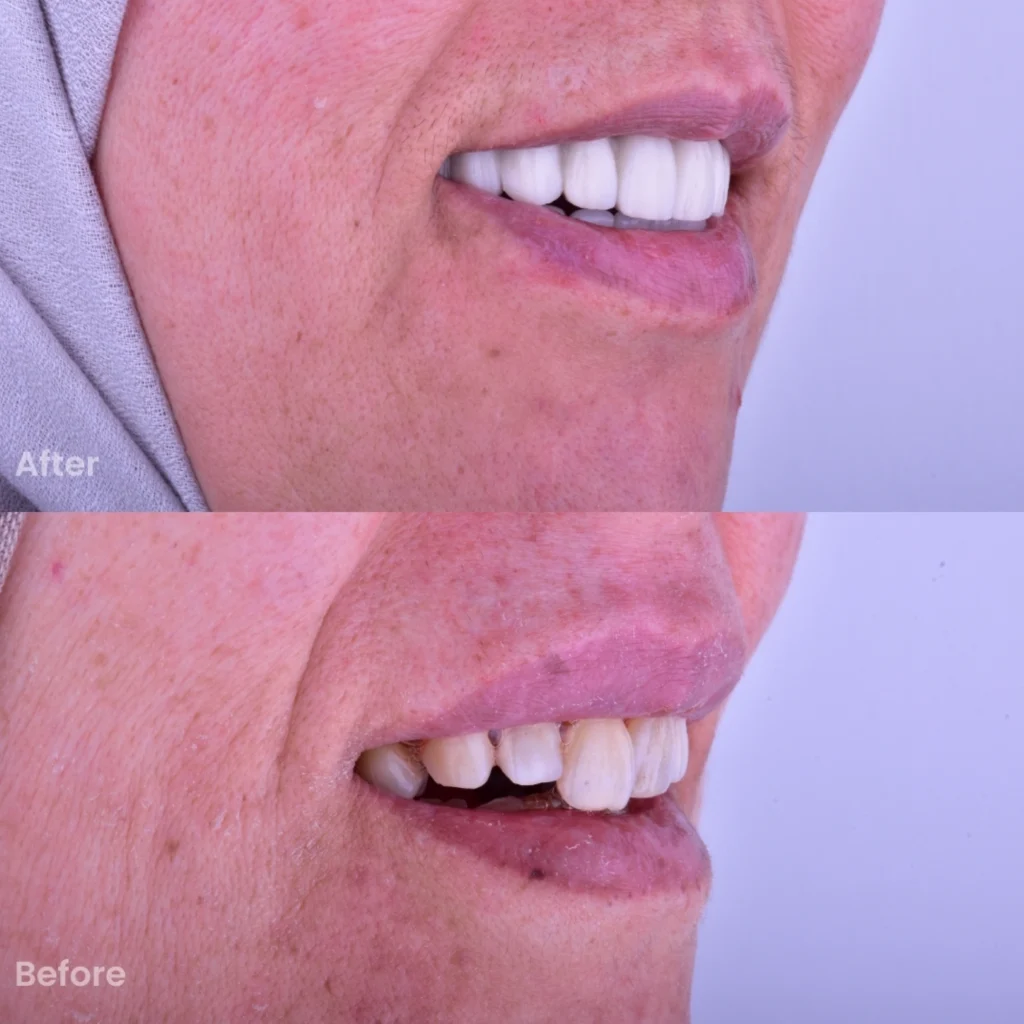
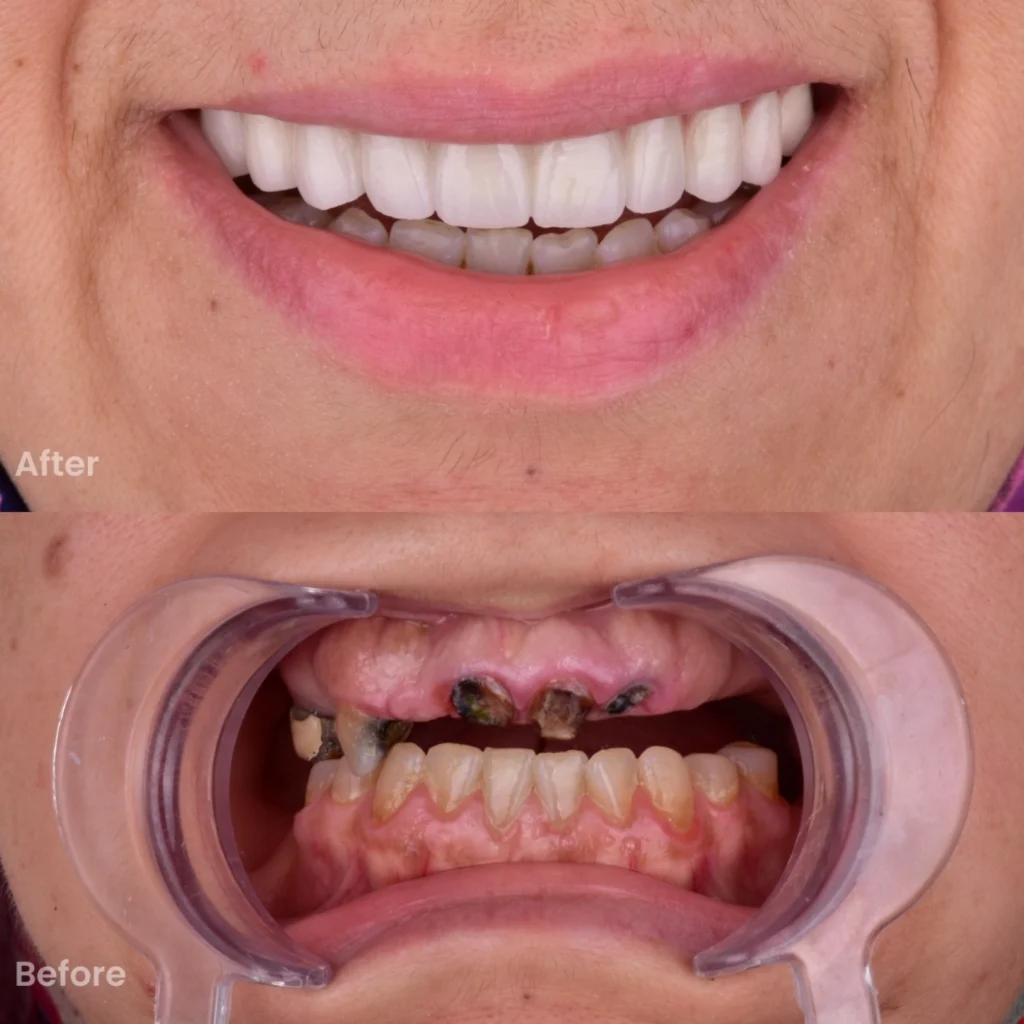
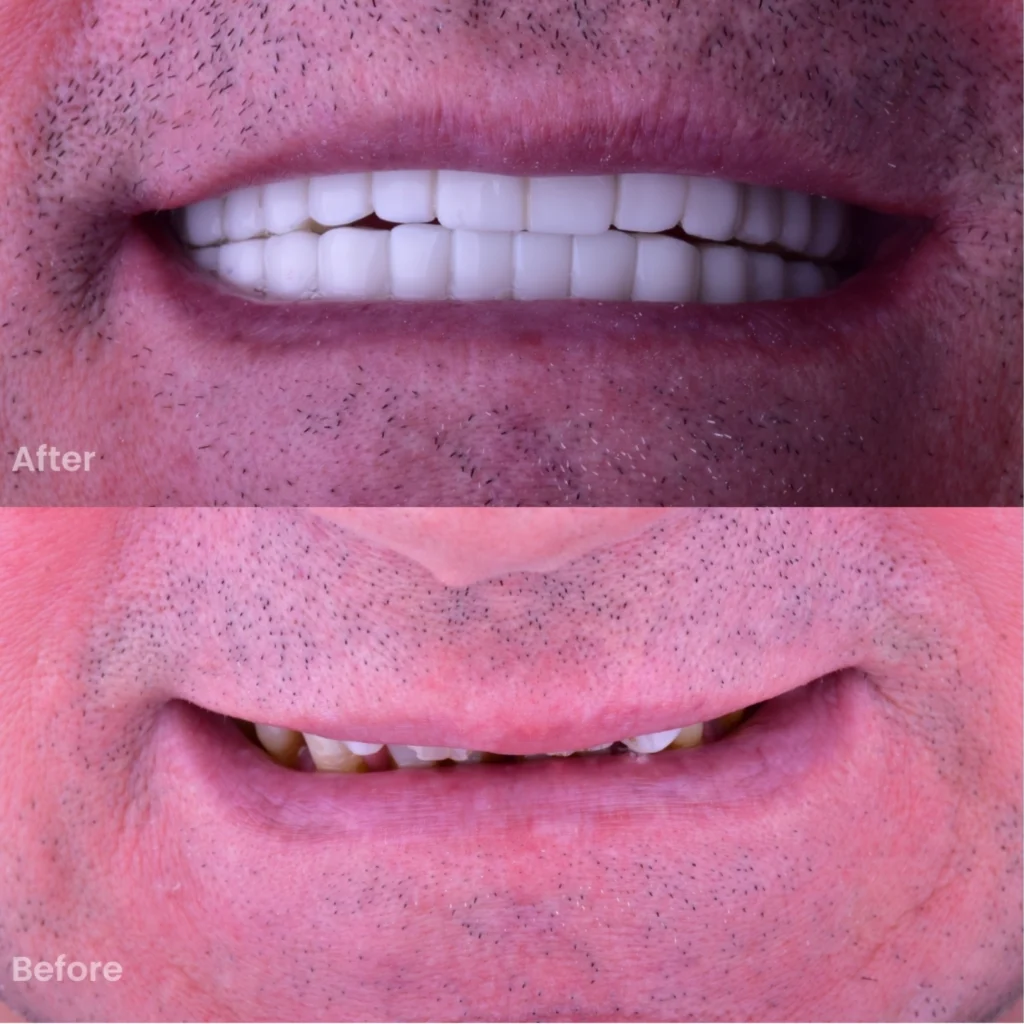
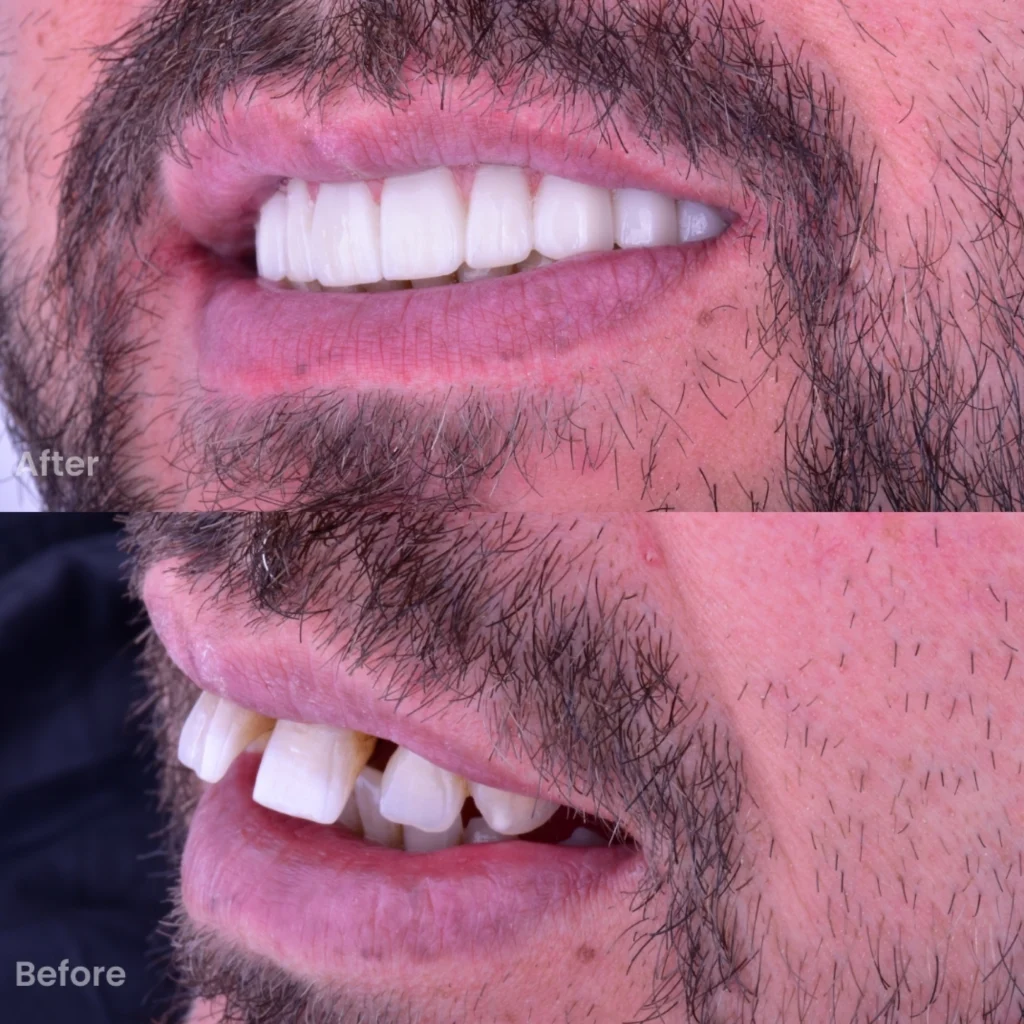
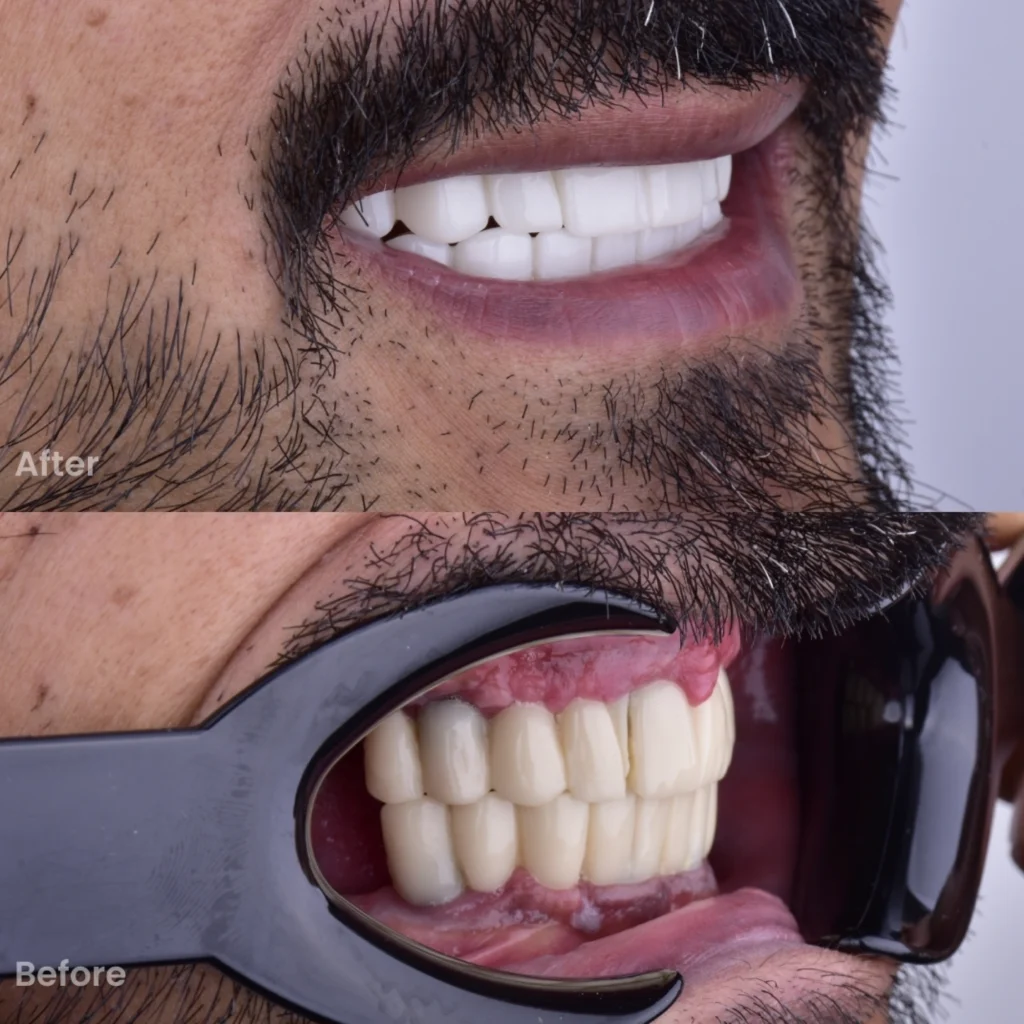
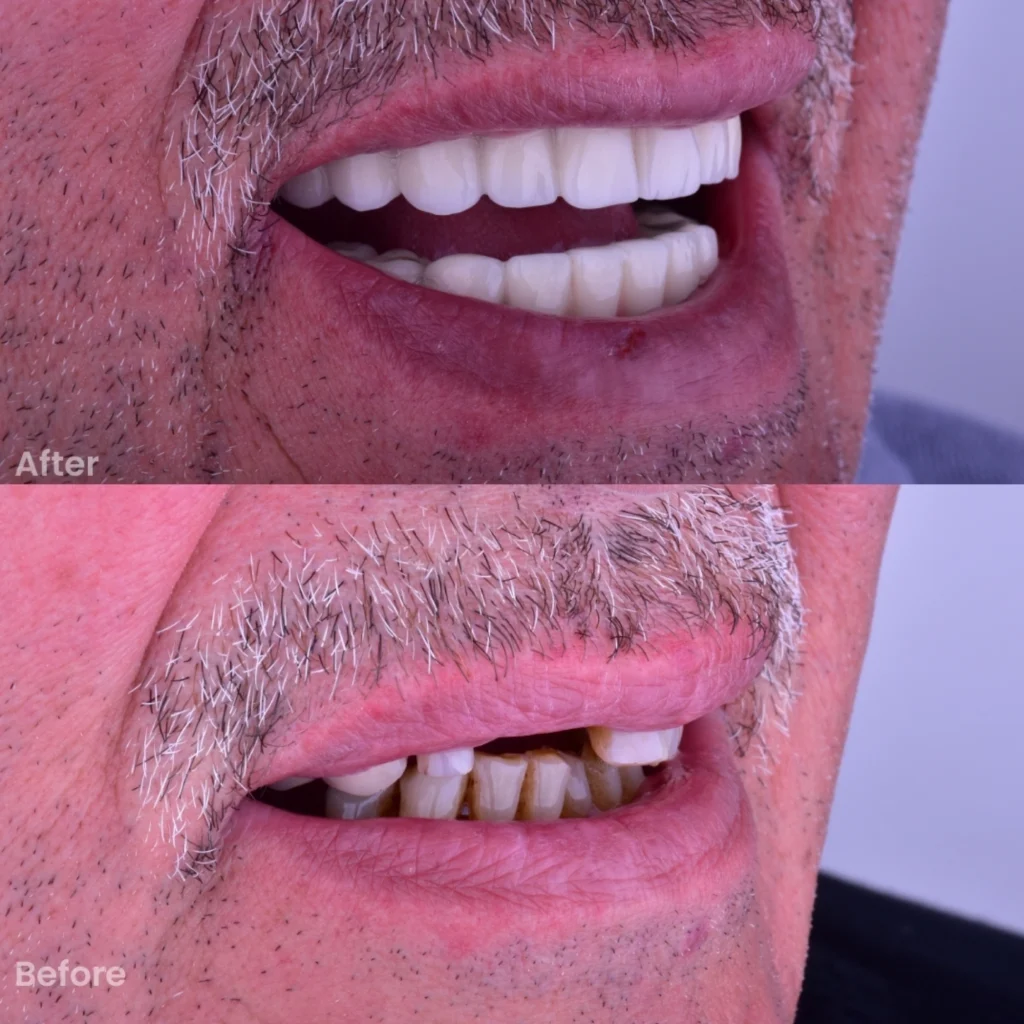
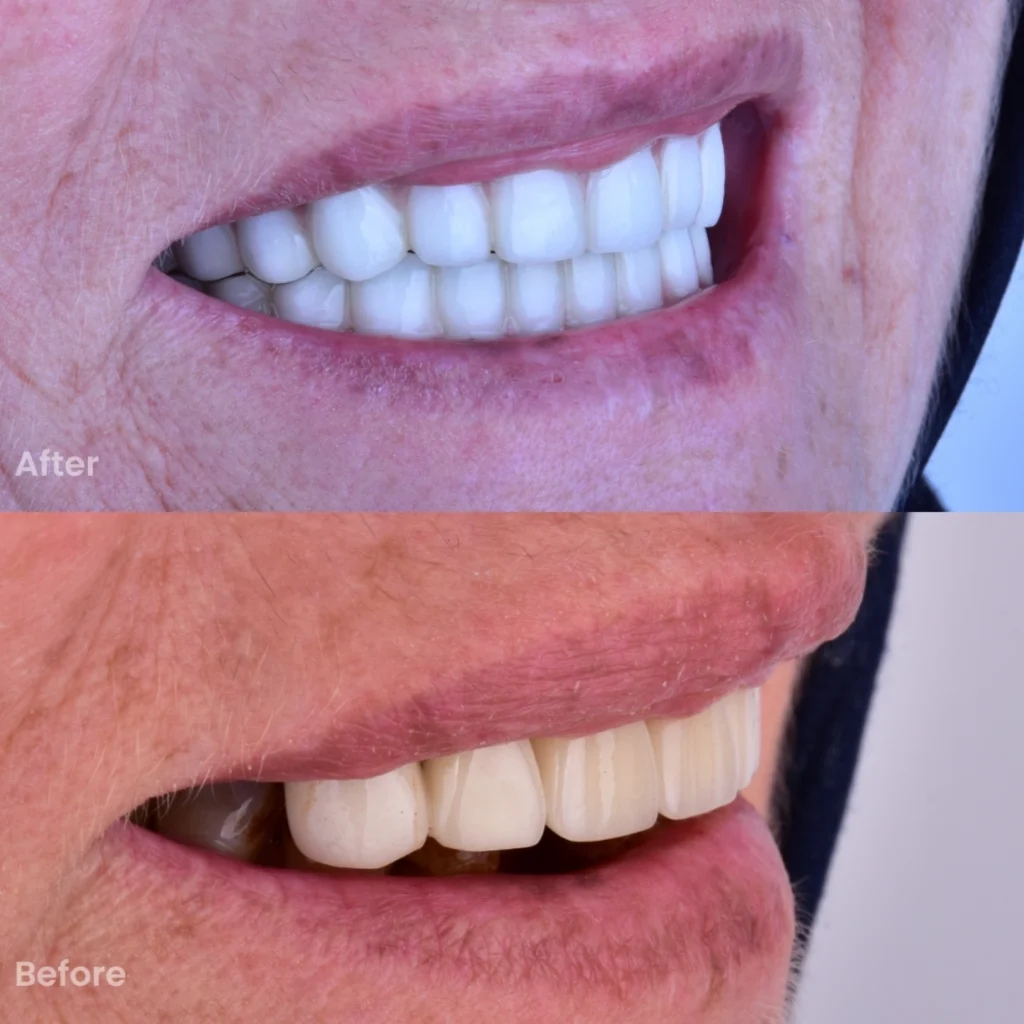
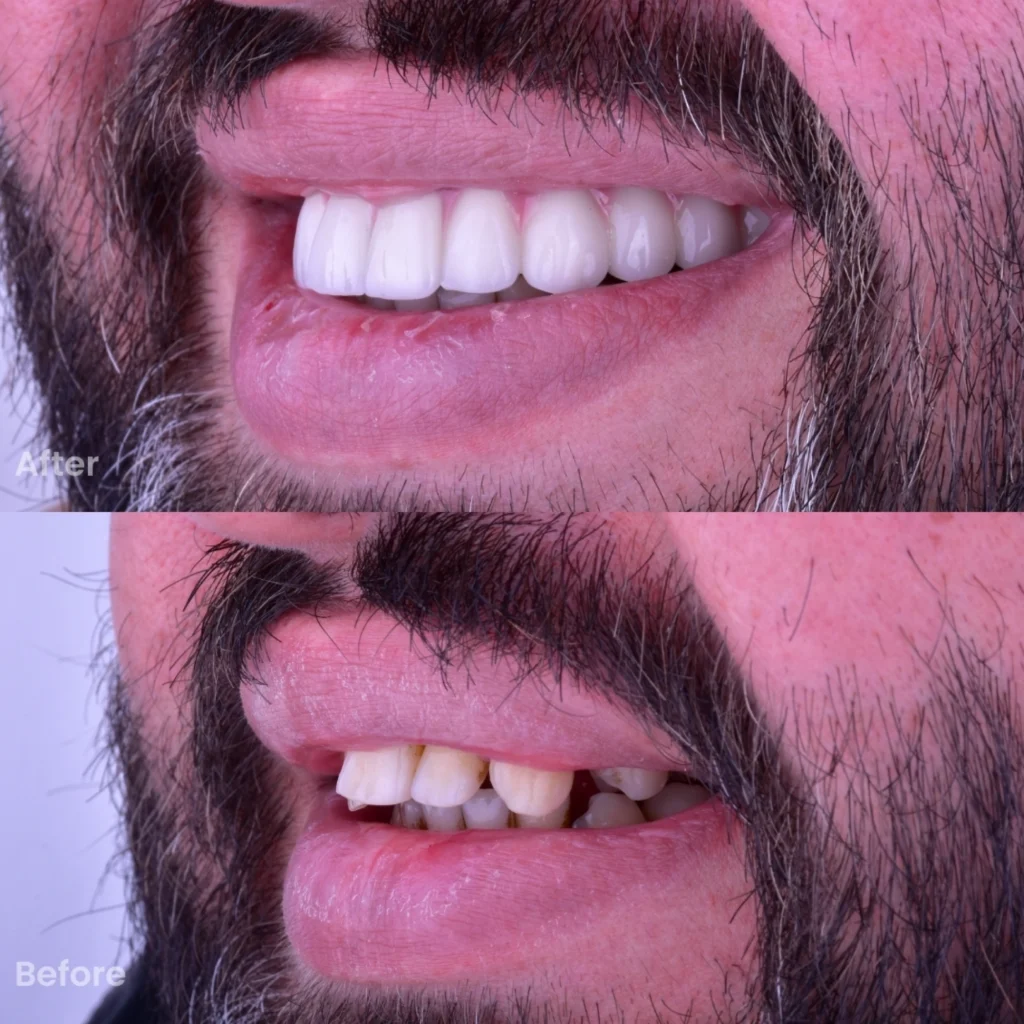
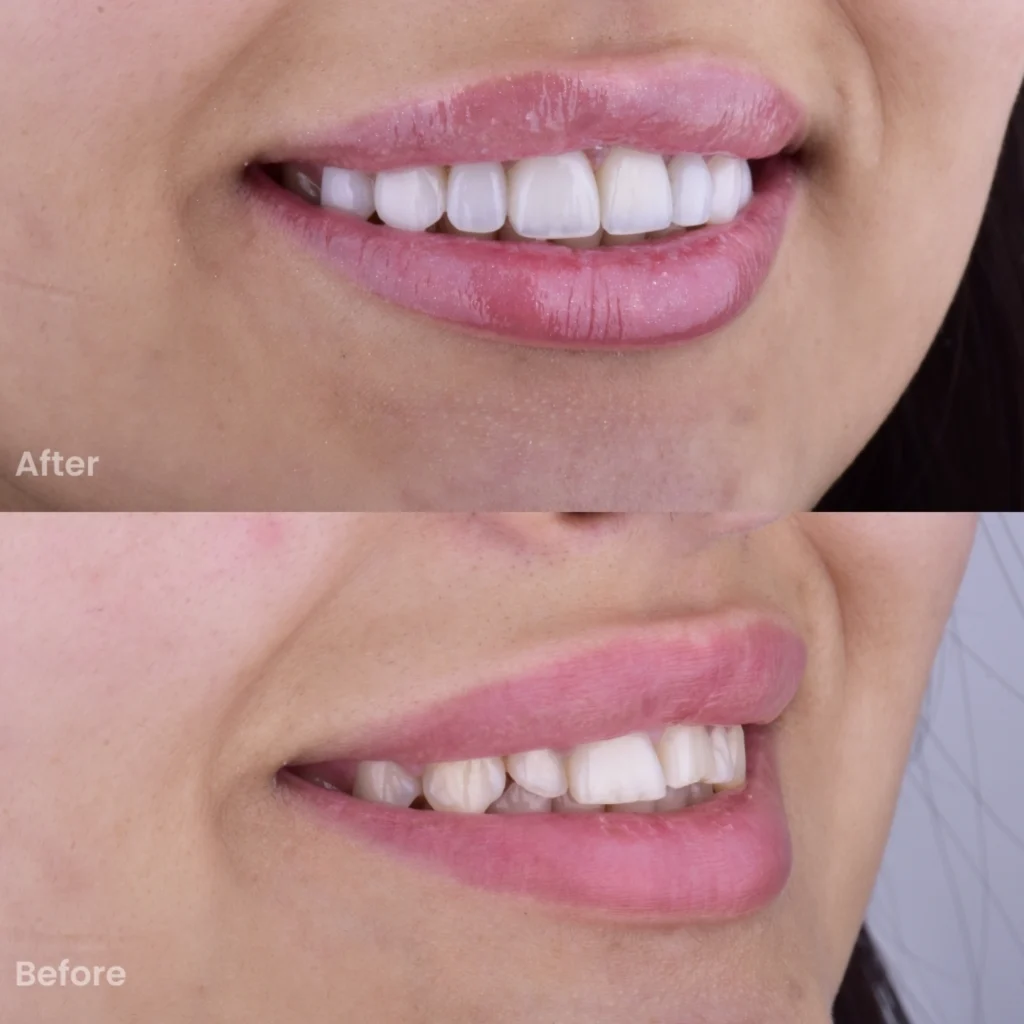
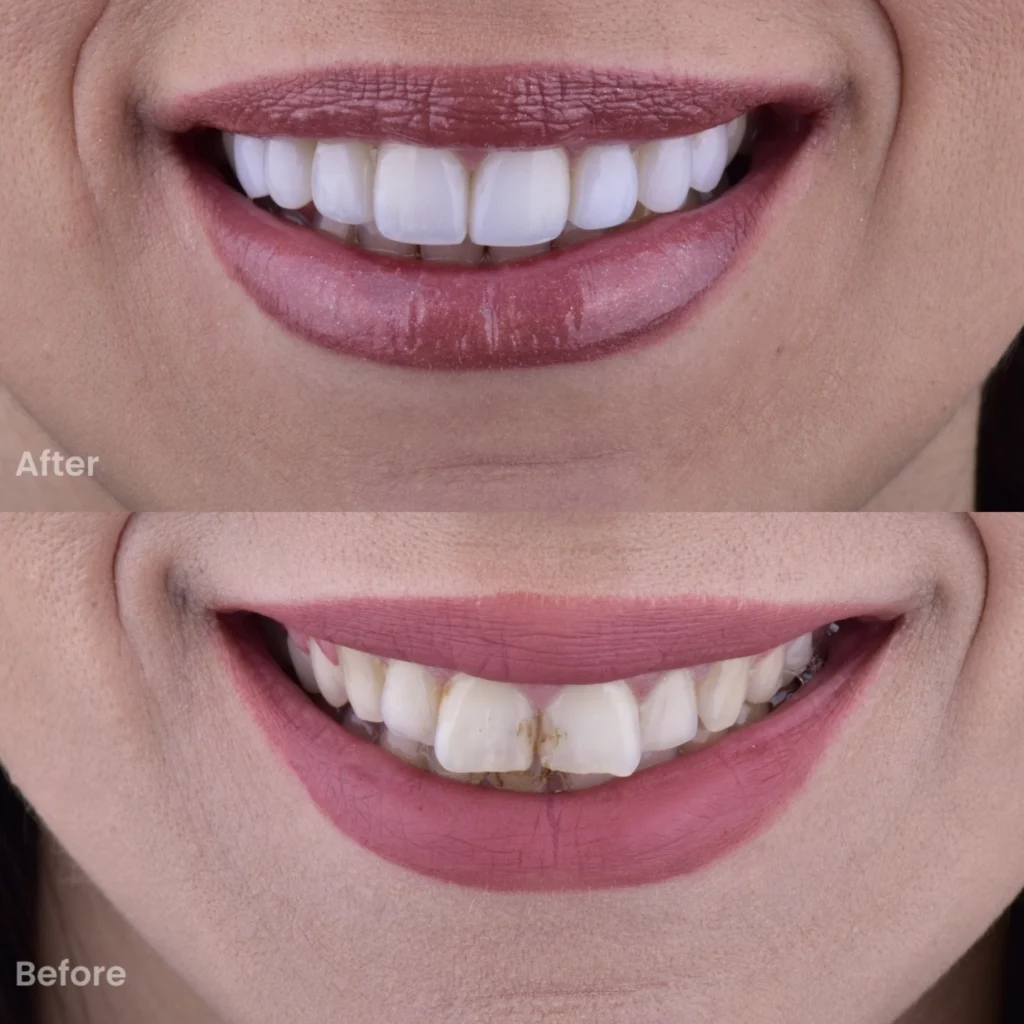
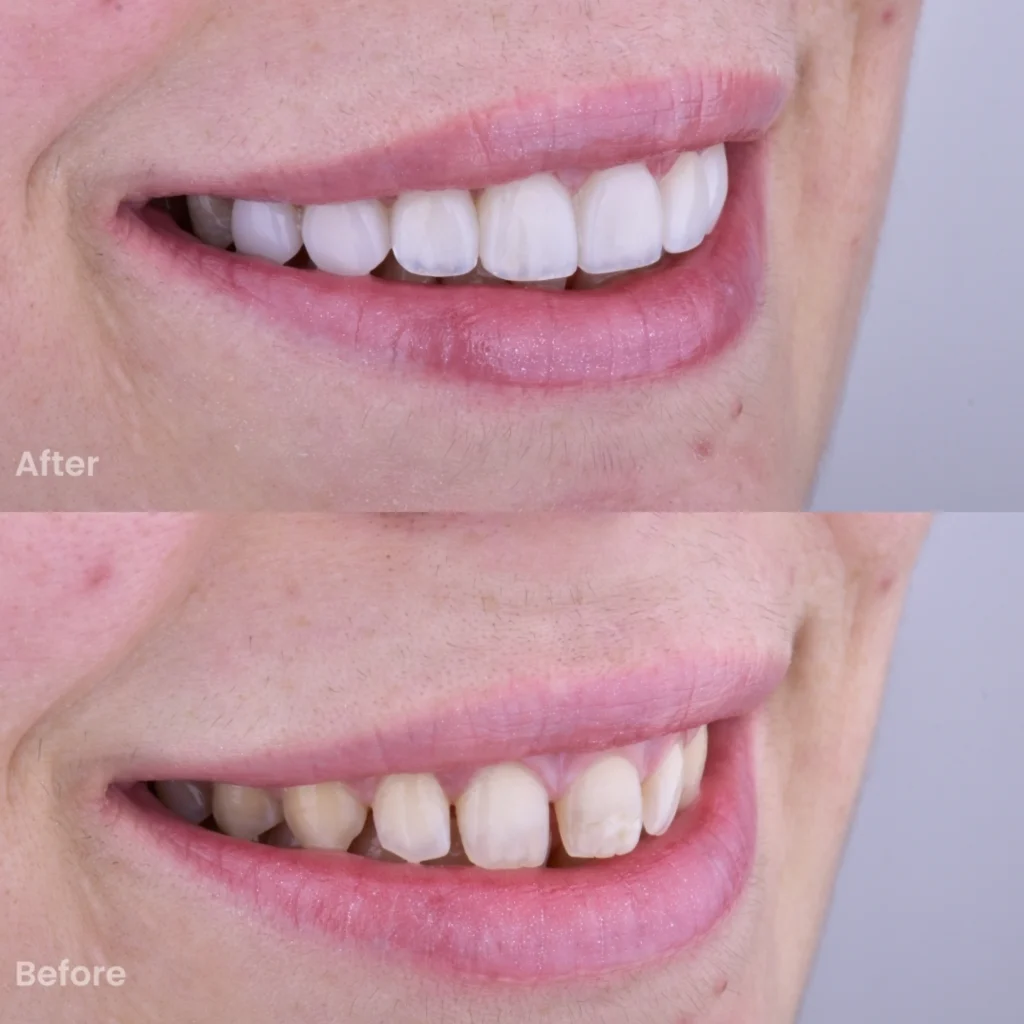
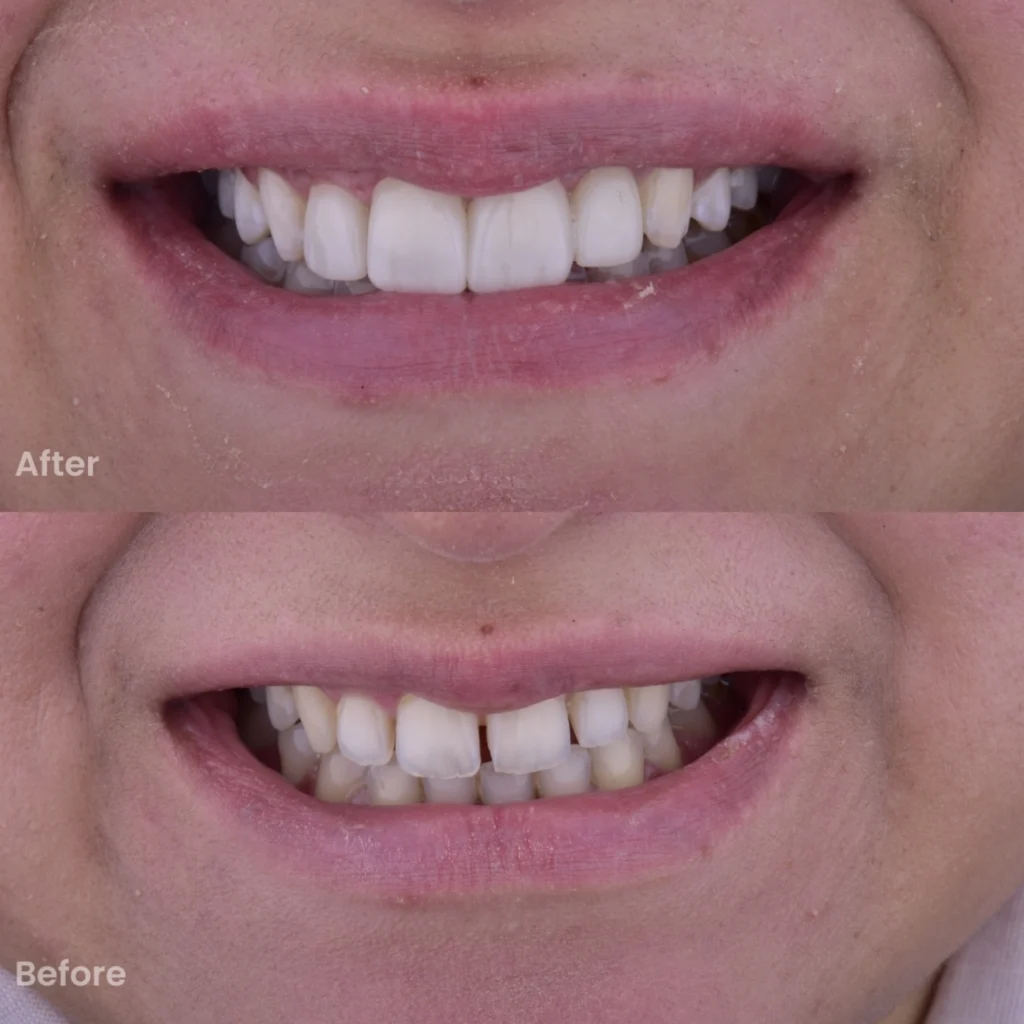
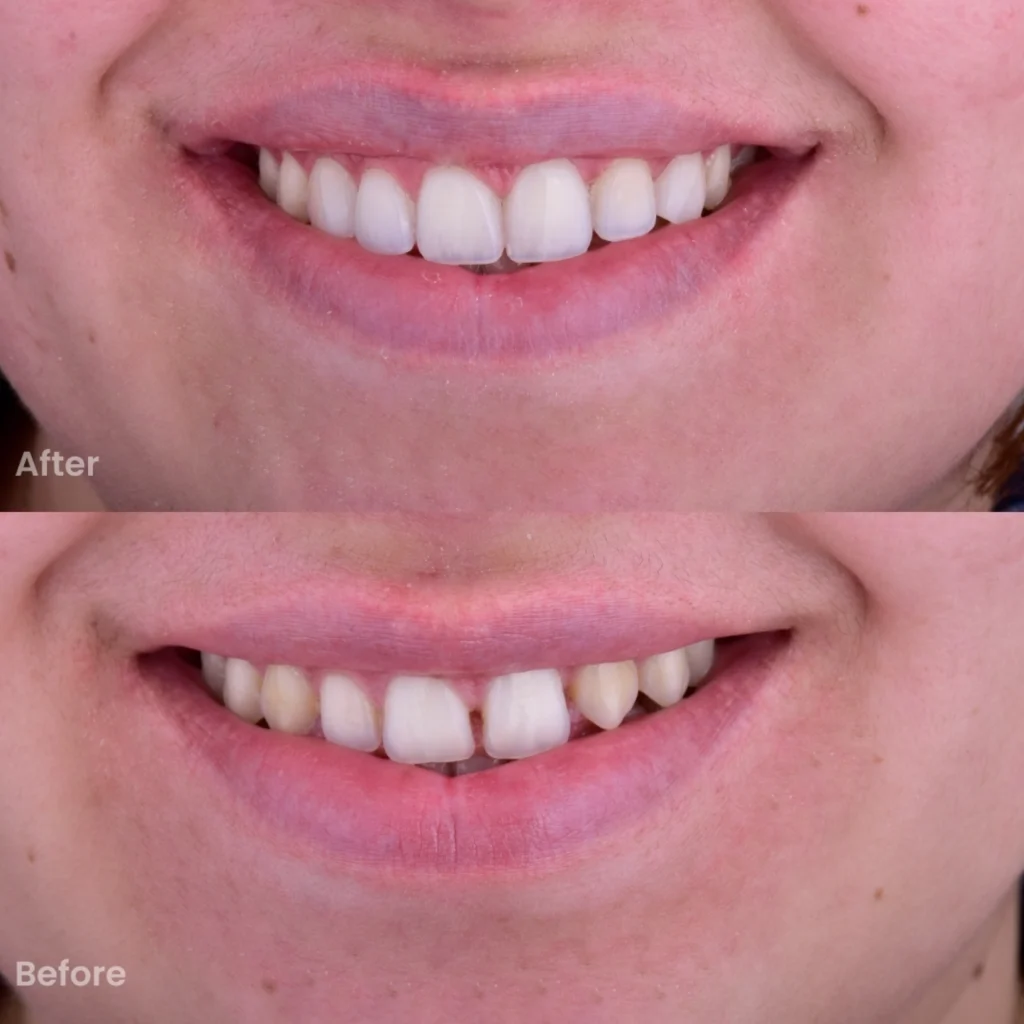
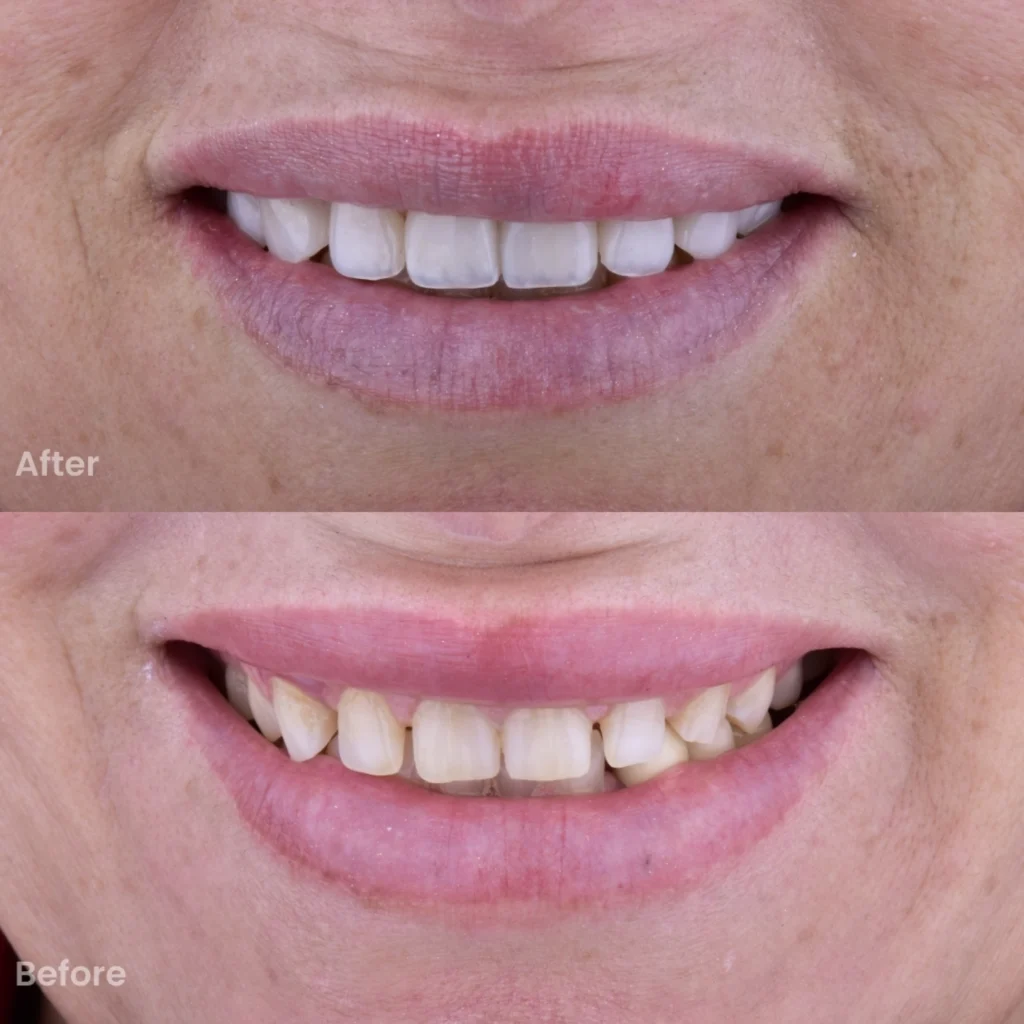
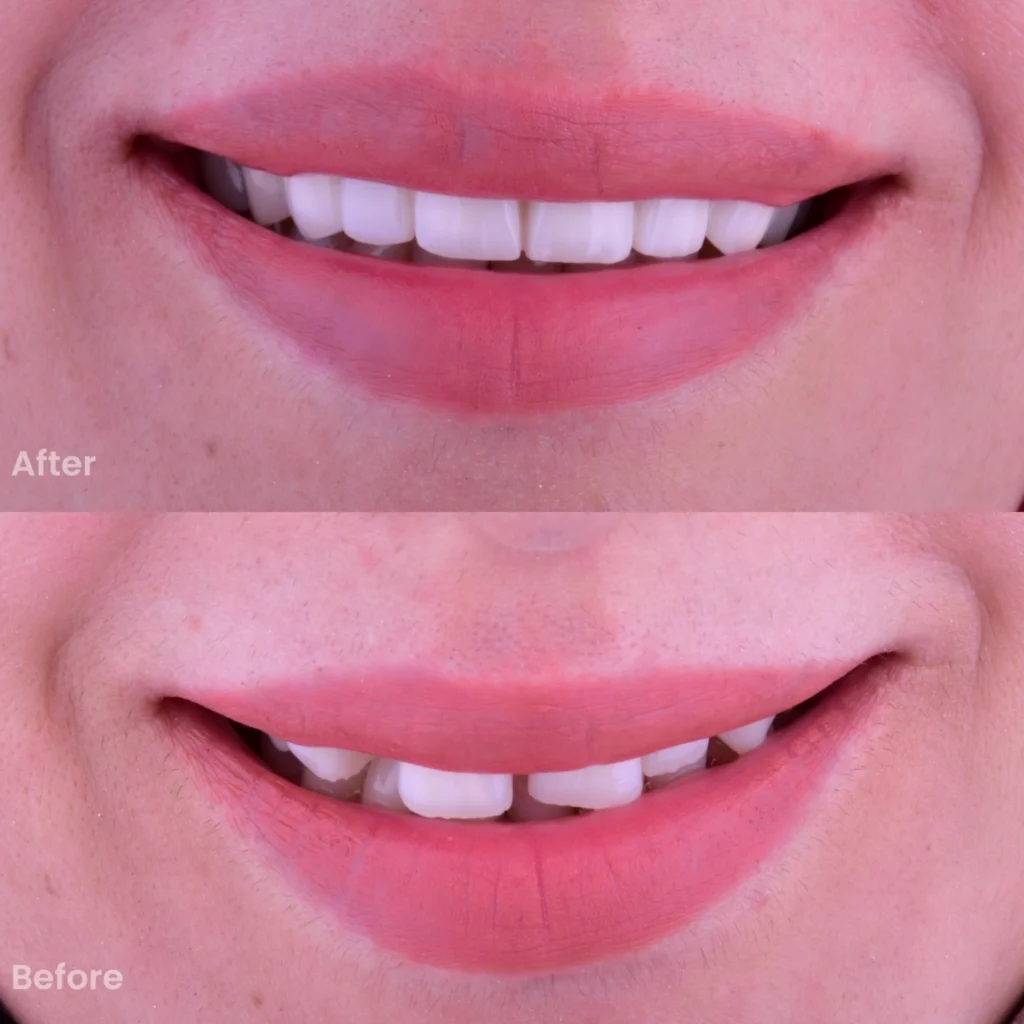
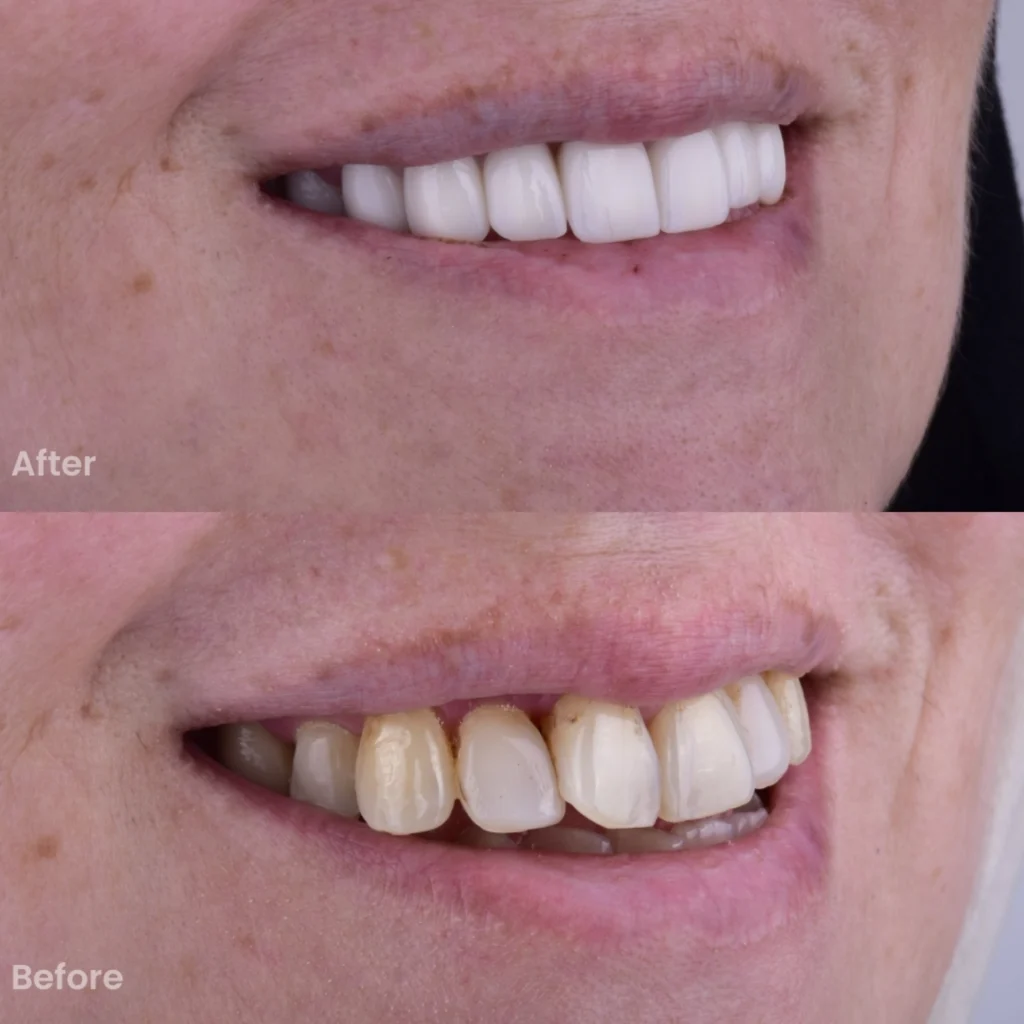
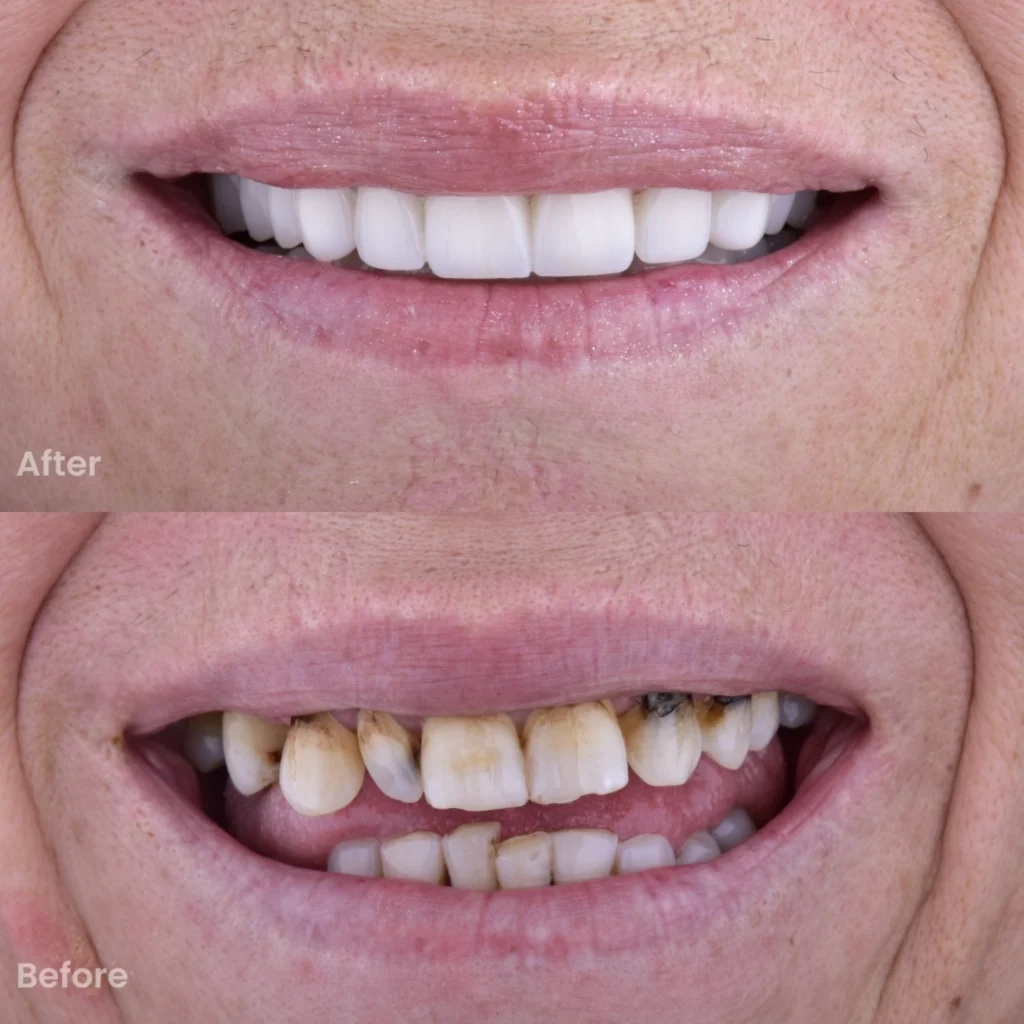
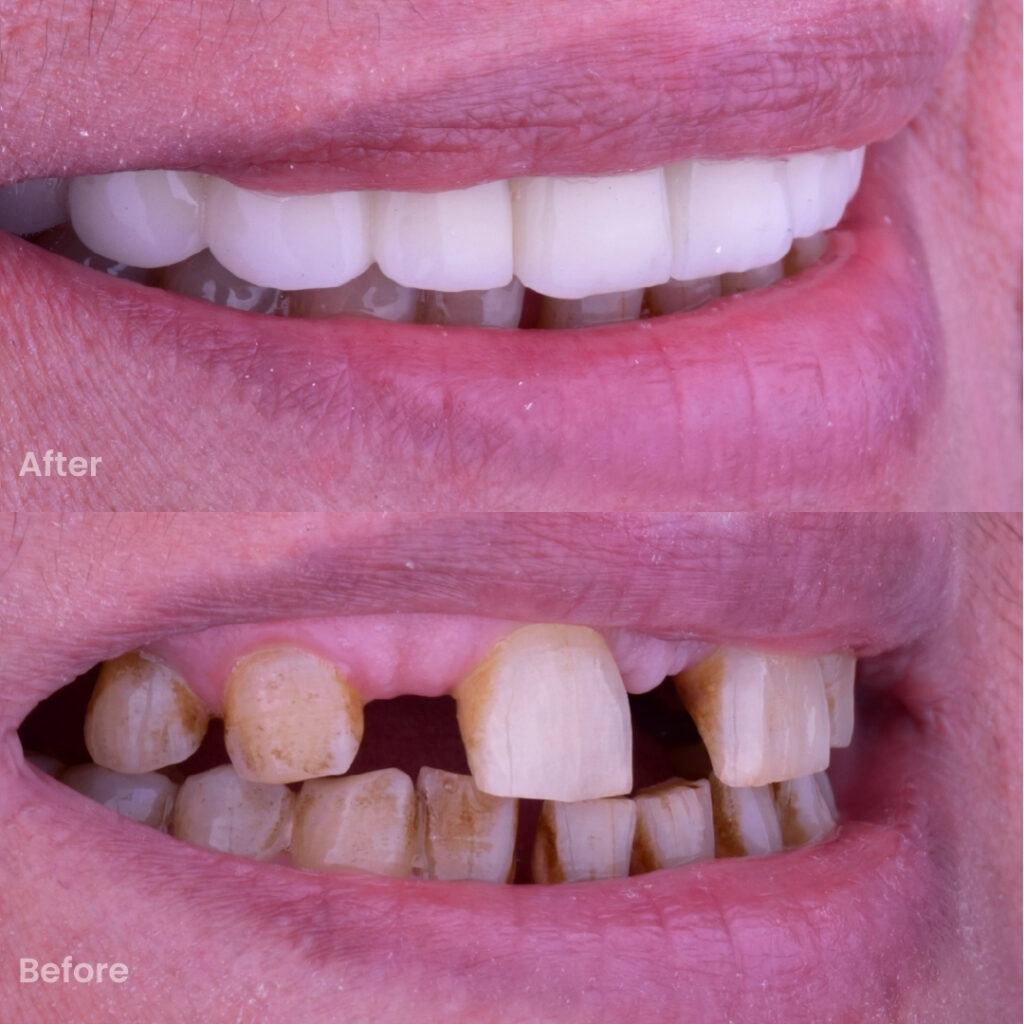
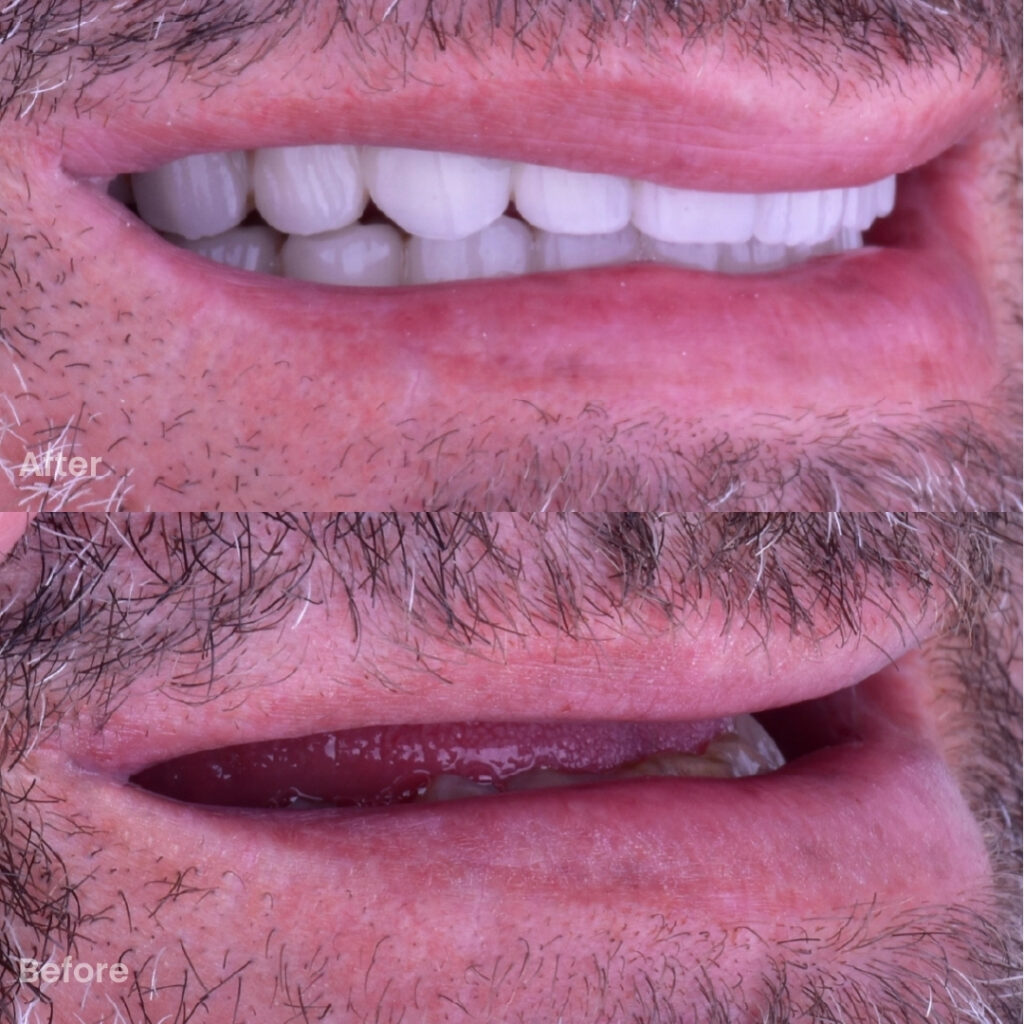
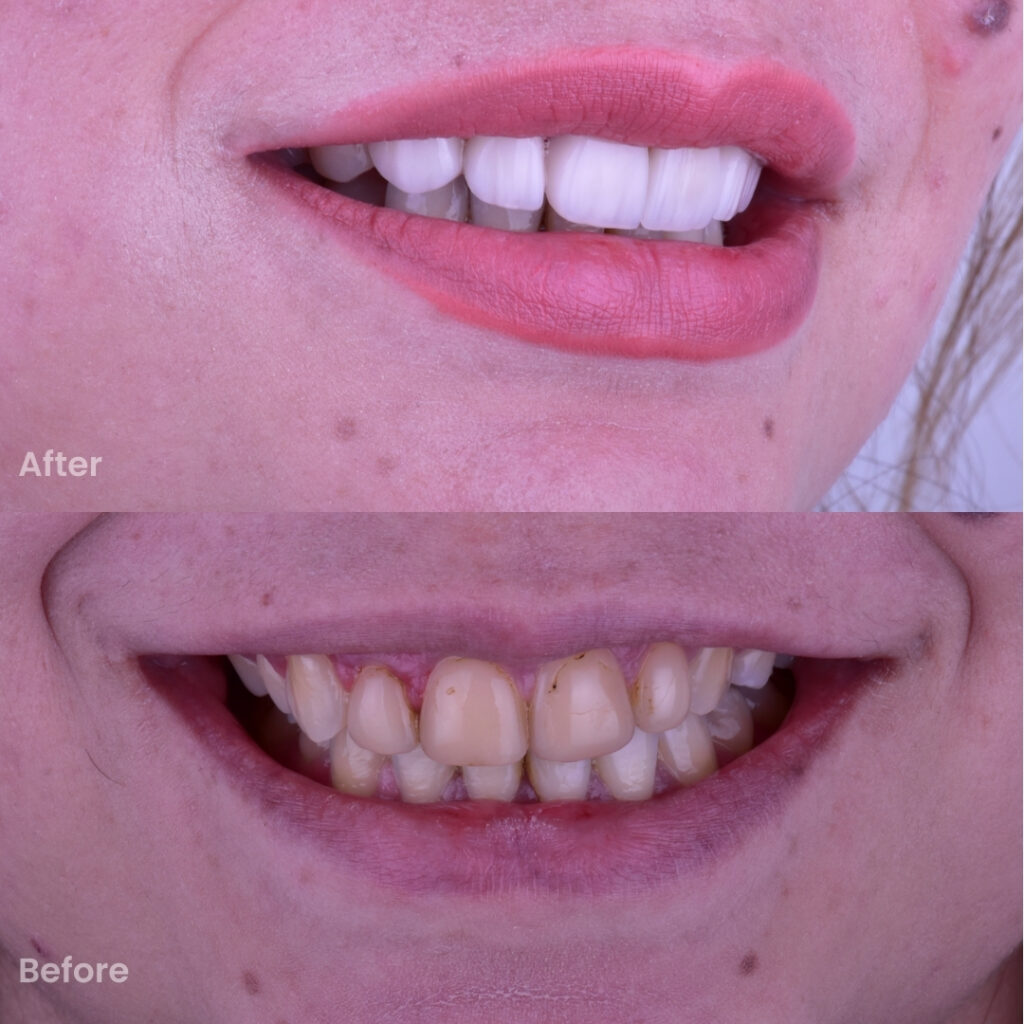
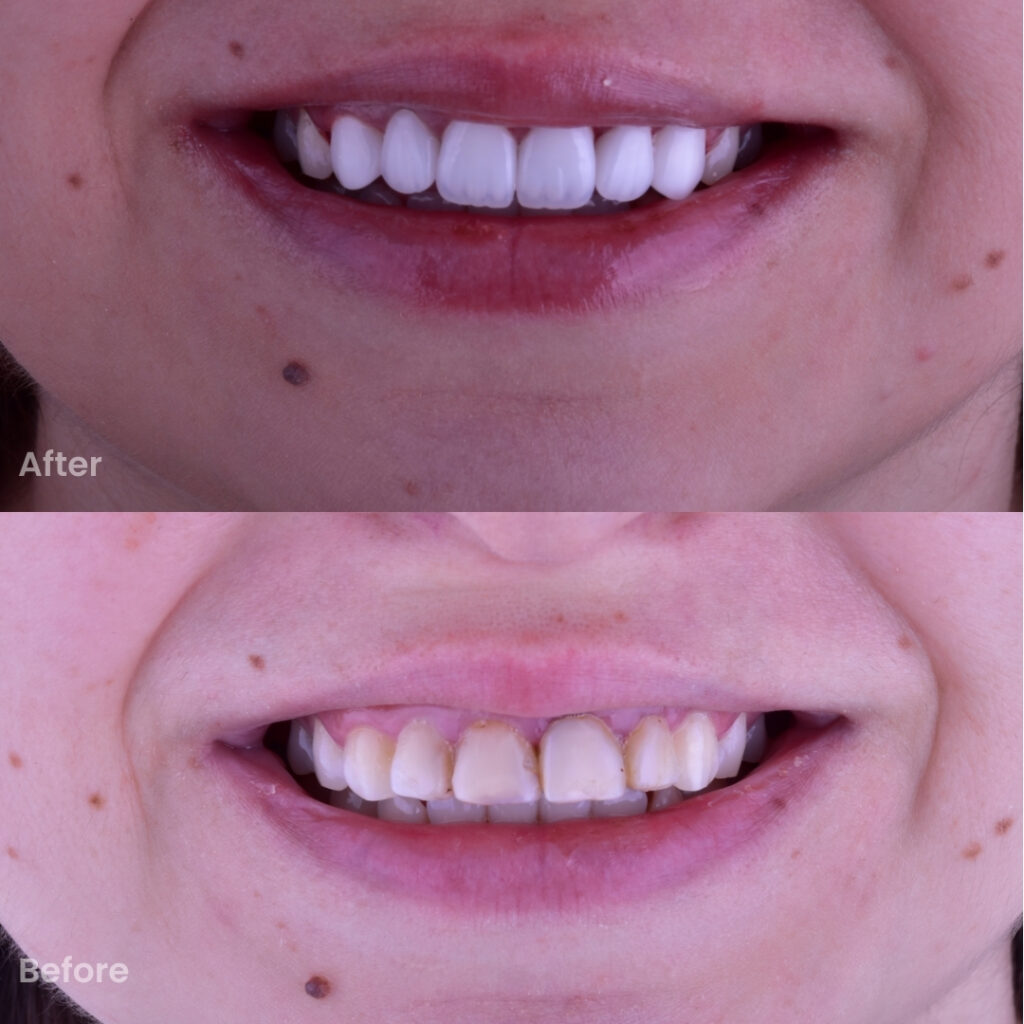
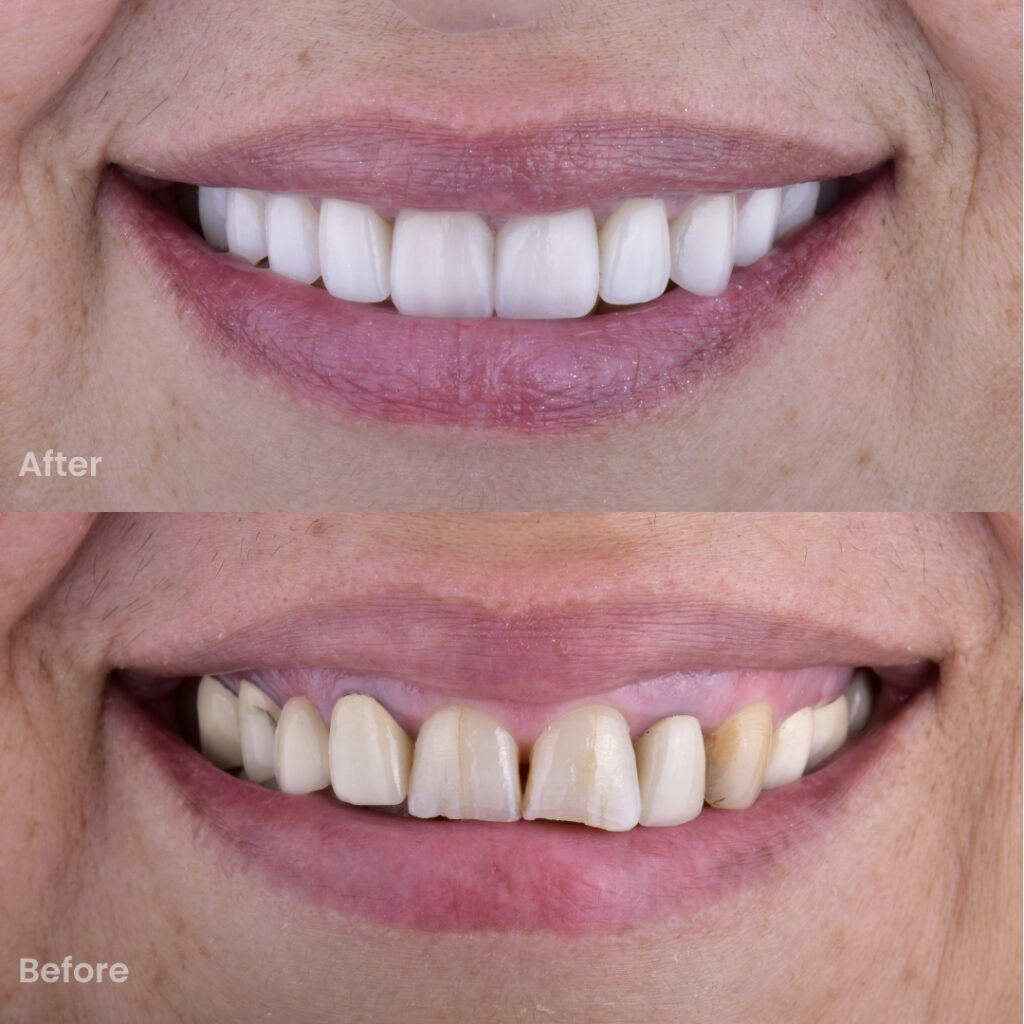
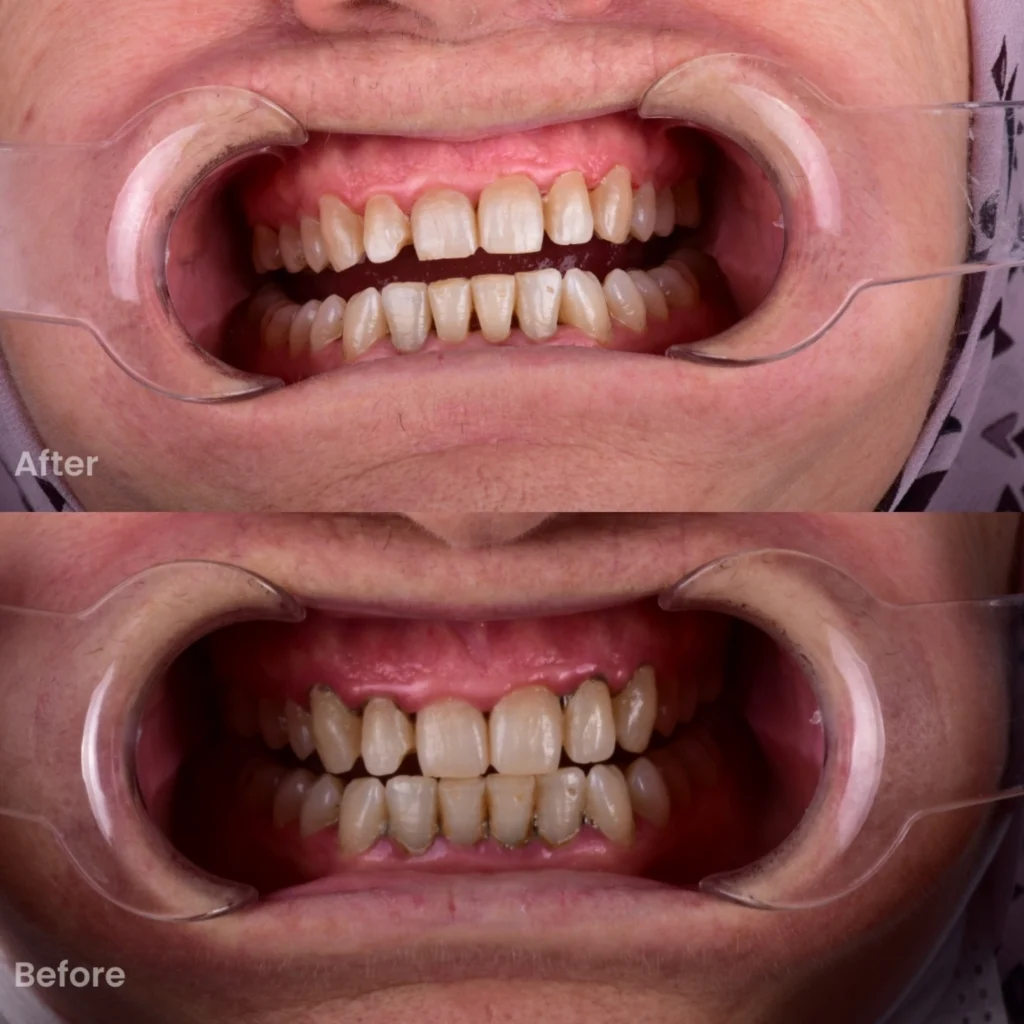
Zirconia dental crowns are fixed prosthetic restorations made from zirconium dioxide, a high-strength ceramic material. Unlike traditional metal-supported crowns, zirconia crowns are completely metal-free, offering improved aesthetics and tissue compatibility.
Zirconium dioxide is known for its exceptional mechanical strength and resistance to fracture. Its natural white color and light-transmitting properties allow zirconia crowns to closely mimic the appearance of natural teeth, making them suitable for both anterior and posterior restorations.
Why Zirconia Is Used in Dentistry
Zirconia has been used in dentistry for several decades, particularly in restorative and prosthetic treatments. Its popularity stems from its combination of strength and esthetics, which were previously difficult to achieve simultaneously with other materials.
Key reasons zirconia is used include:
-
High fracture resistance
-
Excellent biocompatibility
-
Metal-free composition
-
Reduced risk of allergic reactions
-
Favorable interaction with gum tissue
-
Long-term structural stability
These properties make zirconia a reliable material for a wide range of clinical applications.
In Which Cases Are Zirconia Crowns Preferred?
Zirconia crowns may be considered in various clinical situations depending on functional and aesthetic needs. Common indications include:
-
Severely discolored or stained teeth
-
Fractured or worn teeth
-
Teeth with large restorations
-
Replacement of old metal-based crowns
-
High aesthetic demands in the front teeth
-
Posterior teeth requiring high strength
-
Implant-supported restorations
The final decision is made after a detailed clinical evaluation by a dental professional.
Who Is a Suitable Candidate for Zirconia Crowns?
Zirconia dental crowns are suitable for many patients, but candidacy must be evaluated individually. Factors such as oral health status, bite alignment, and functional habits are considered.
Patients who may be suitable candidates include:
-
Individuals with good overall oral health
-
Patients seeking metal-free restorations
-
Those with aesthetic concerns
-
Individuals without uncontrolled gum disease
-
Patients with managed teeth grinding habits
In some cases, preliminary treatments may be necessary before zirconia crowns can be placed.
Pre-Treatment Evaluation and Planning
Before zirconia crown treatment begins, a thorough assessment is conducted to ensure optimal outcomes. This stage is critical for long-term success.
Pre-treatment evaluation typically includes:
-
Comprehensive oral examination
-
Assessment of gum health
-
Radiographic imaging
-
Evaluation of bite and occlusion
-
Identification of functional habits
-
Esthetic analysis and smile design considerations
This planning phase allows for a customized treatment approach tailored to the patient’s needs.
How Are Zirconia Crowns Applied?
The zirconia crown procedure generally involves multiple steps and may vary depending on the clinical case.
Tooth Preparation
The tooth is carefully shaped to allow space for the zirconia crown while preserving as much natural tooth structure as possible.
Impression or Digital Scanning
Accurate impressions or digital scans are taken to ensure precise crown fabrication.
Temporary Crowns
Temporary restorations may be placed to protect the prepared teeth during the laboratory phase.
Try-In Stage
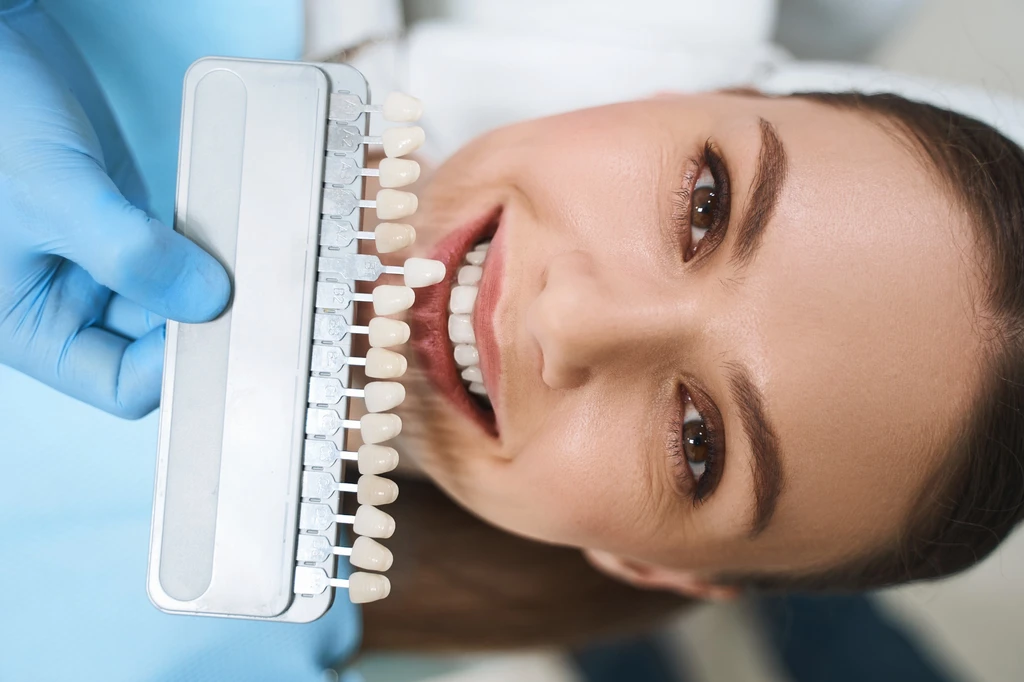
The zirconia crown is evaluated for fit, color harmony, and bite alignment. Adjustments may be made as necessary.
Final Cementation
Once optimal fit and aesthetics are confirmed, the crown is permanently bonded.
Types of Zirconia Crowns
There are different types of zirconia crowns used depending on clinical needs:
-
Monolithic Zirconia Crowns
Known for high strength and durability, often used in posterior regions. -
Layered Zirconia Crowns
Combine zirconia substructure with porcelain layering for enhanced aesthetics.
The selection depends on functional requirements and aesthetic expectations.
Advantages of Zirconia Dental Crowns
Zirconia crowns offer several advantages that contribute to their widespread use:
-
Natural tooth-like appearance
-
High strength and durability
-
Metal-free and biocompatible
-
Reduced gum irritation
-
Resistance to staining
-
Suitable for both front and back teeth
These characteristics support both functional and aesthetic treatment goals.
Are There Any Disadvantages?
While zirconia crowns have many benefits, certain considerations should be acknowledged:
-
Technique-sensitive application
-
Requires precise planning and execution
-
Not suitable for every clinical situation
-
May require protective measures in patients with bruxism
Proper case selection and professional expertise help minimize potential limitations.
How Durable Are Zirconia Crowns?
Zirconia is one of the strongest ceramic materials used in dentistry. When properly placed and maintained, zirconia crowns can function effectively for many years.
Longevity depends on:
-
Oral hygiene practices
-
Bite forces and habits
-
Regular dental check-ups
-
Quality of materials and technique
Routine care plays a key role in long-term success.
Aesthetic Performance of Zirconia Crowns
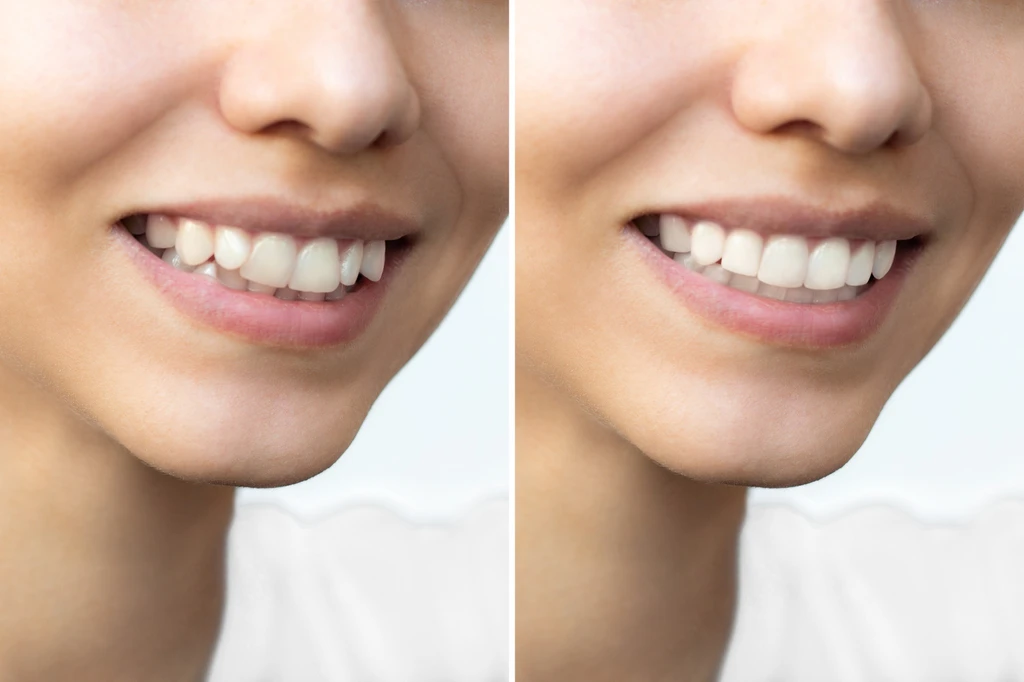
Modern zirconia materials offer improved translucency compared to earlier generations. This allows restorations to blend harmoniously with natural teeth.
When properly designed, zirconia crowns provide:
-
Natural color integration
-
Smooth surface texture
-
Balanced light reflection
-
Healthy gum adaptation
Esthetic planning is especially important for front teeth restorations.
Zirconia Crowns and Gum Health
Zirconia is well-tolerated by soft tissues. Its smooth surface reduces plaque accumulation and supports healthy gum contours.
Maintaining gum health requires:
-
Consistent oral hygiene
-
Professional cleanings
-
Monitoring crown margins
Healthy gums contribute to the longevity and appearance of restorations.
Post-Treatment Care and Considerations
After zirconia crown placement, patients are advised to follow standard oral care guidelines:
-
Brush twice daily with appropriate technique
-
Use dental floss or interdental cleaners
-
Avoid excessive biting forces
-
Attend regular dental check-ups
Protective appliances may be recommended for patients with grinding habits.
Are Zirconia Crowns Safe?
Zirconia dental crowns are widely used and accepted in modern dentistry. Materials utilized in treatment comply with established healthcare standards and regulatory guidelines.
Zirconia is considered:
-
Biocompatible
-
Non-toxic
-
Suitable for long-term intraoral use
All procedures are performed in accordance with clinical protocols and patient safety principles.
Can Zirconia Crowns Be Used on Implants?
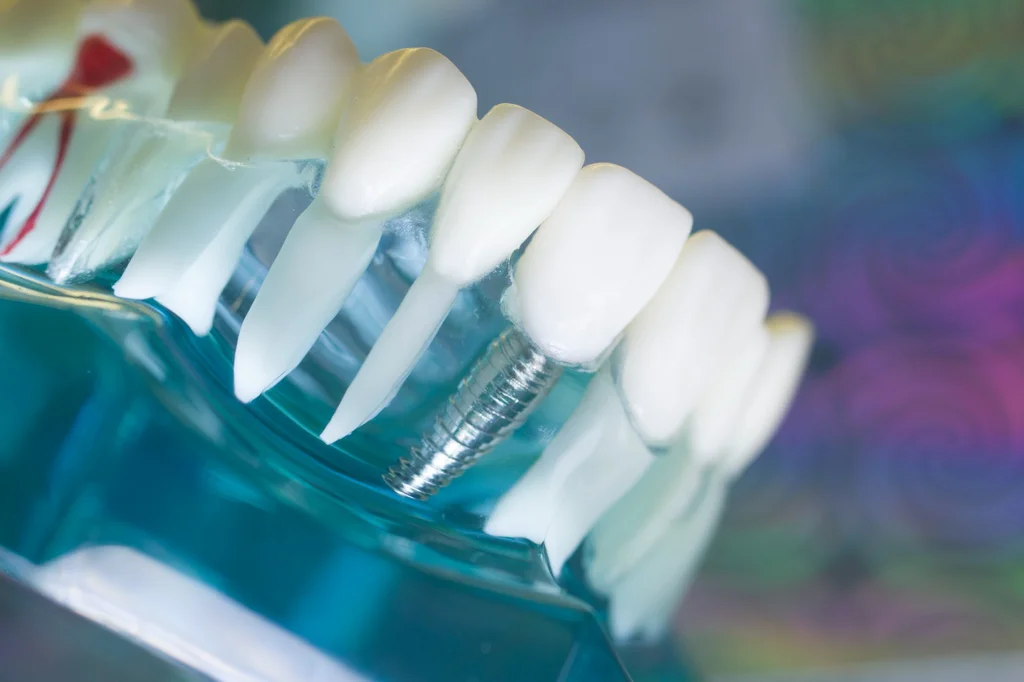
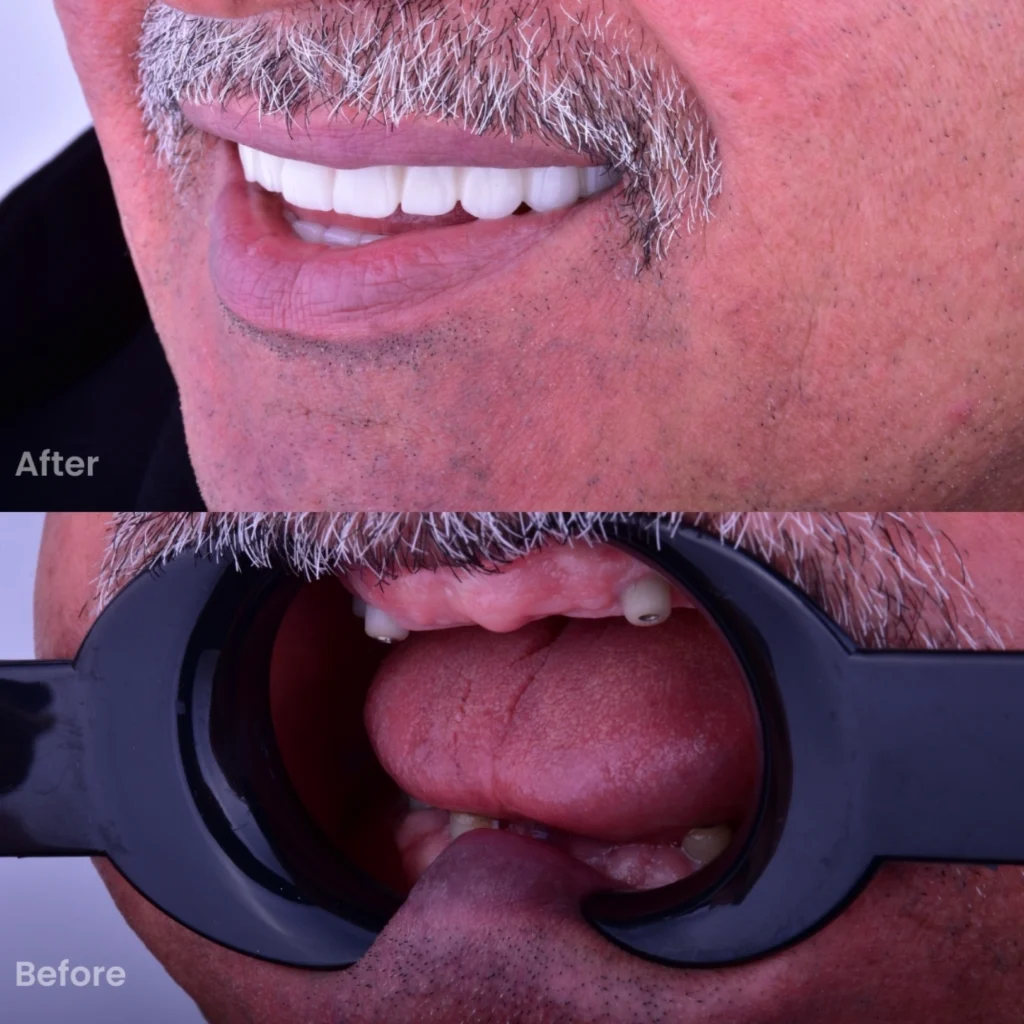
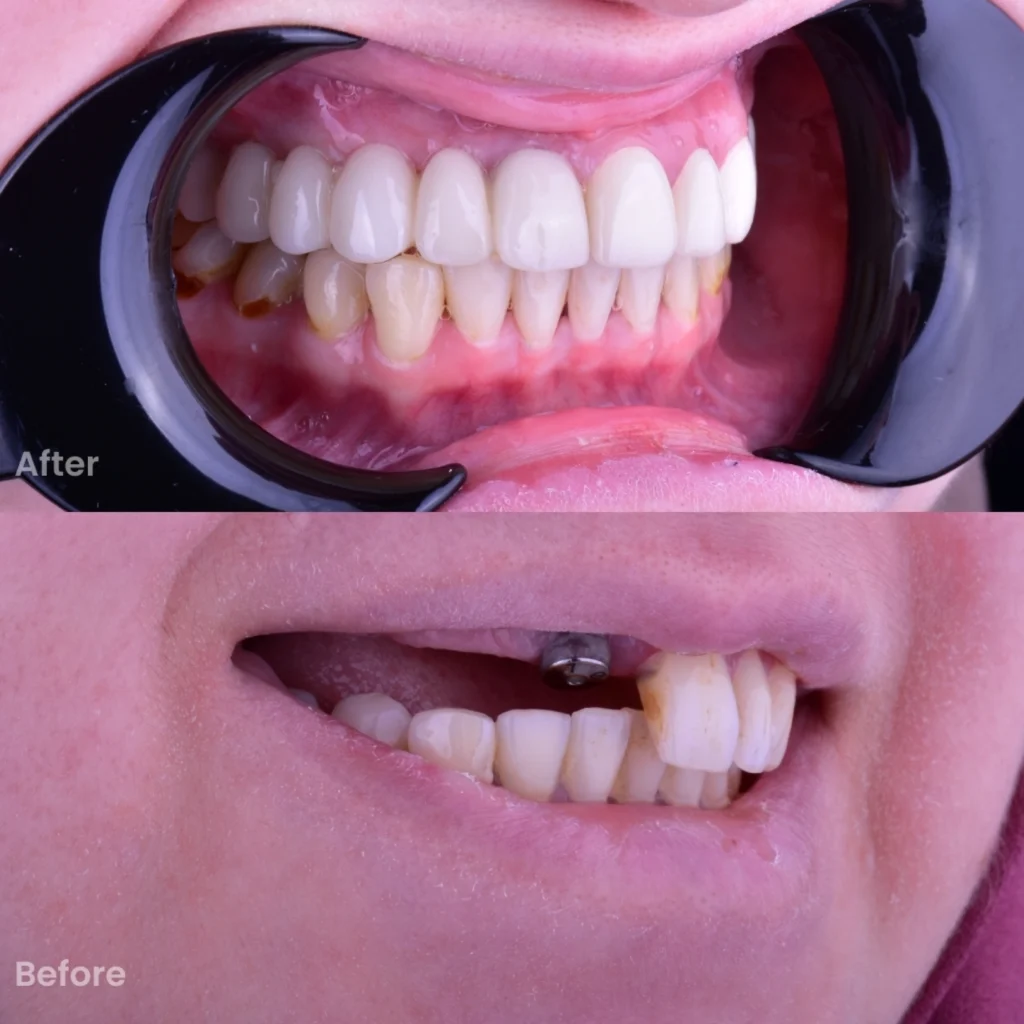
Yes, zirconia crowns are frequently used in implant-supported restorations. Their strength and compatibility make them suitable for implant prosthetics.
Proper planning ensures:
-
Accurate fit
-
Balanced occlusion
-
Long-term stability
Implant-supported zirconia crowns are designed based on individual clinical requirements.
How Natural Do Zirconia Crowns Look?
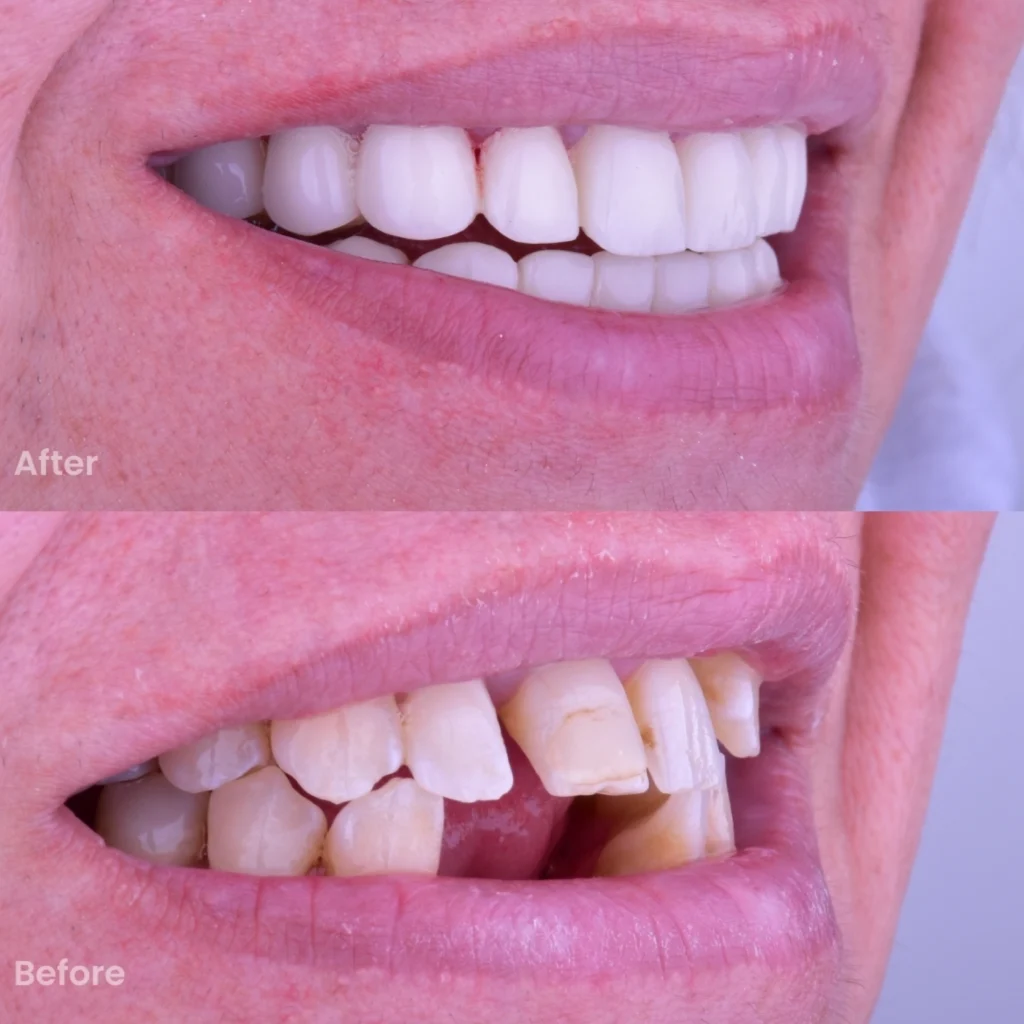
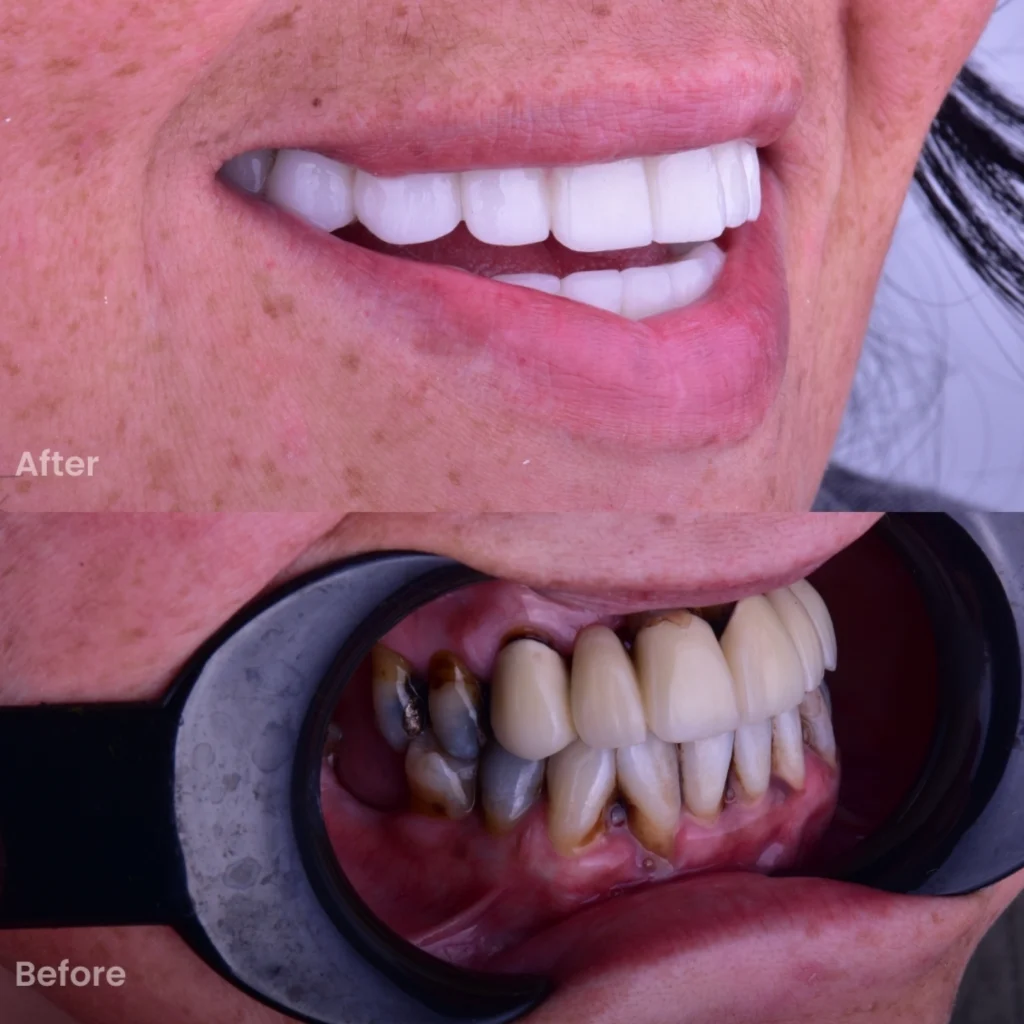
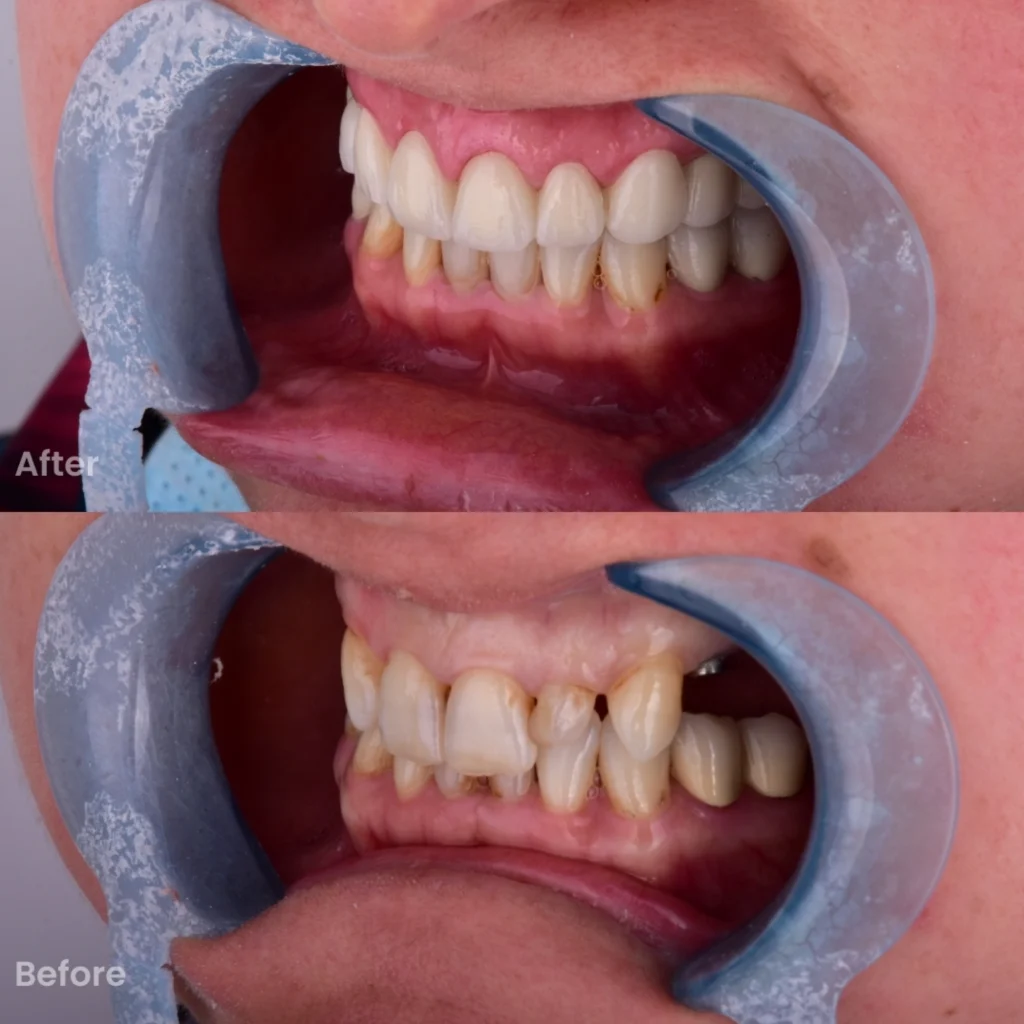
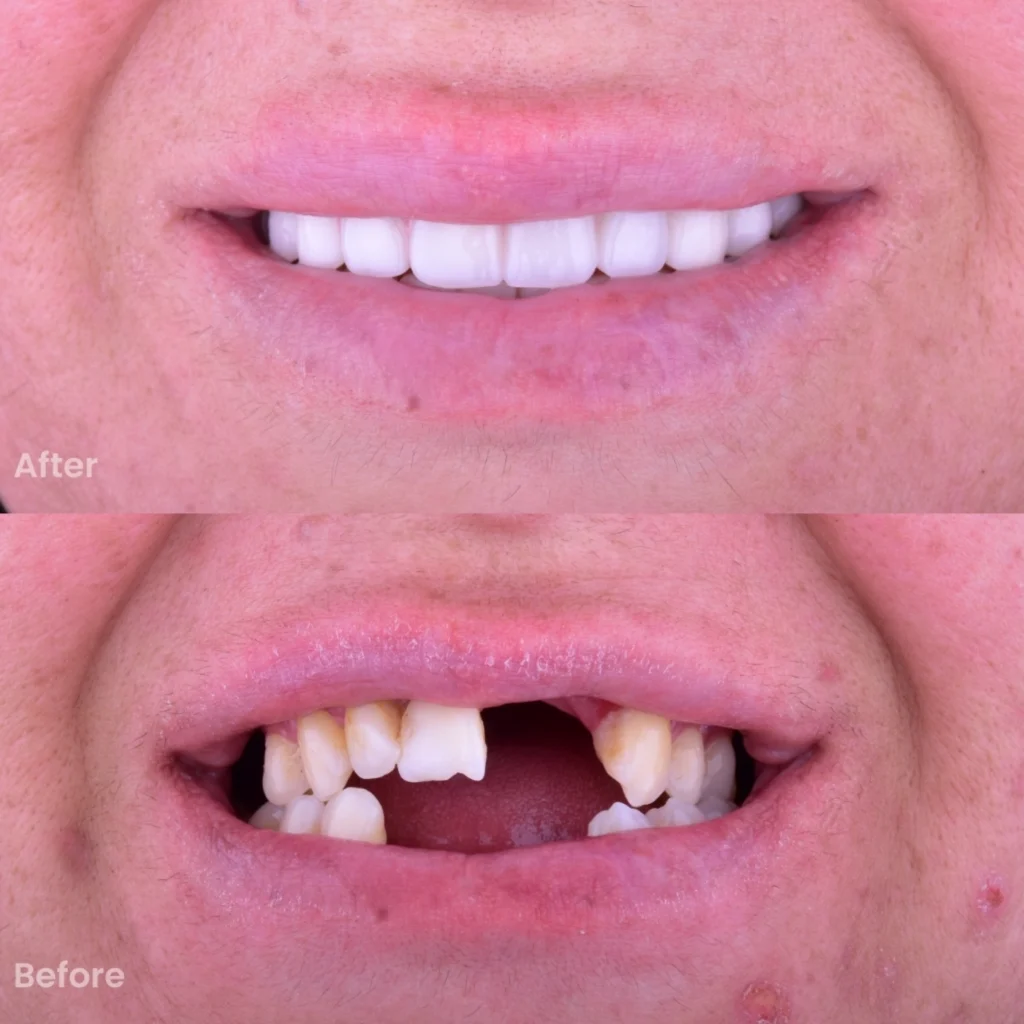
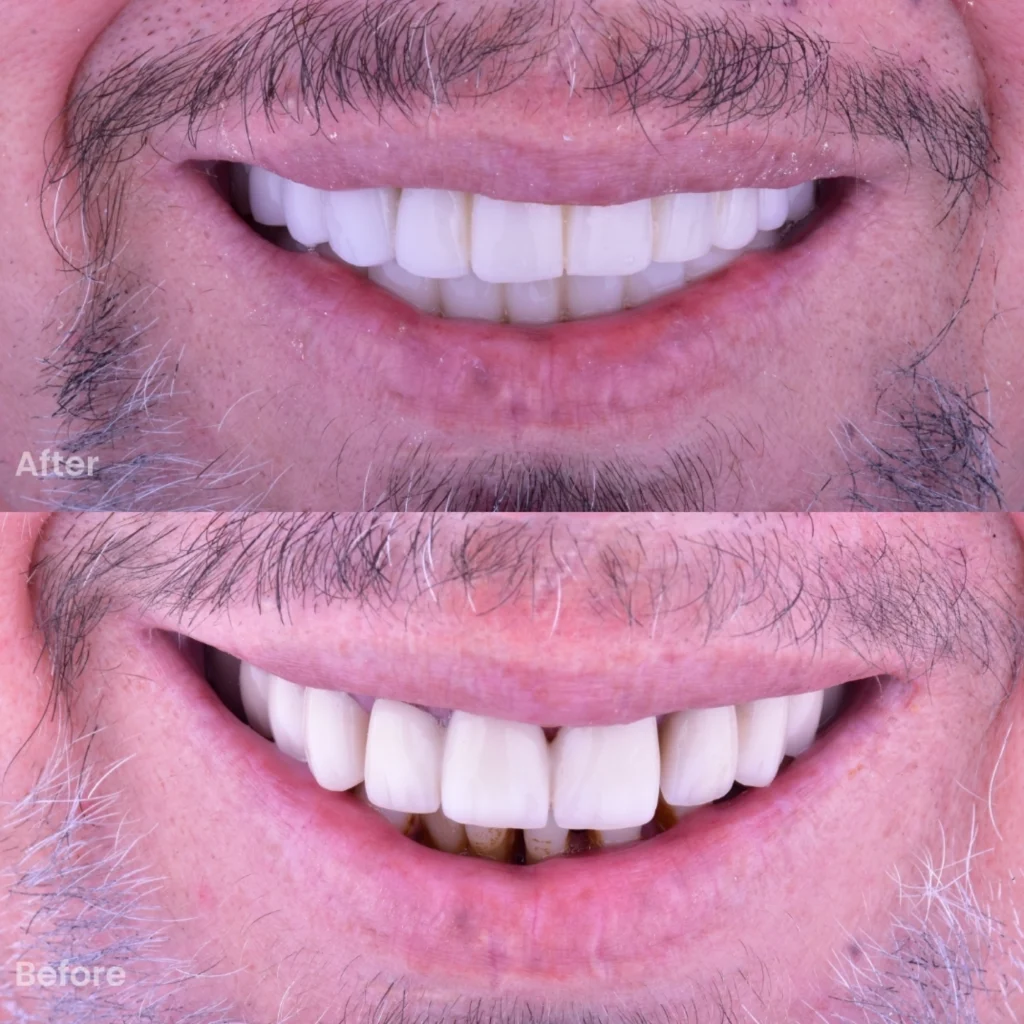
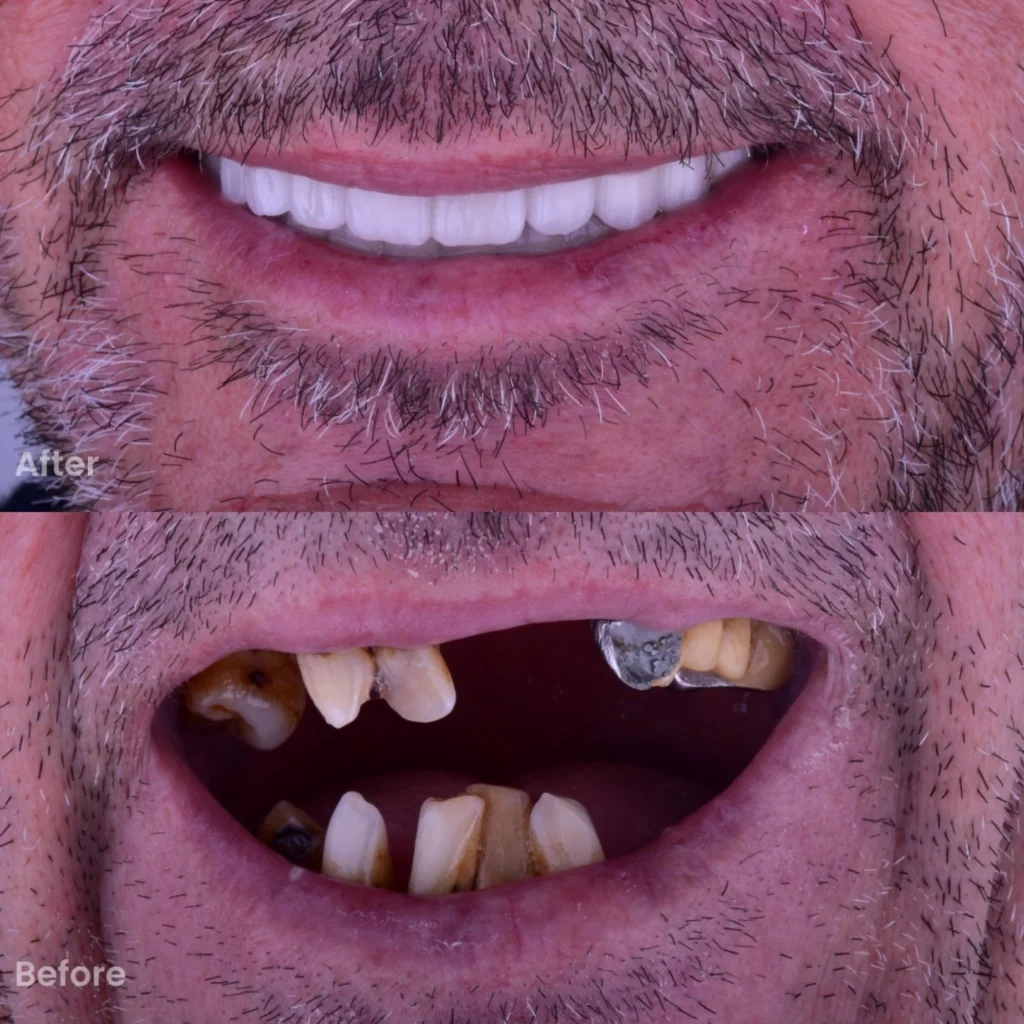
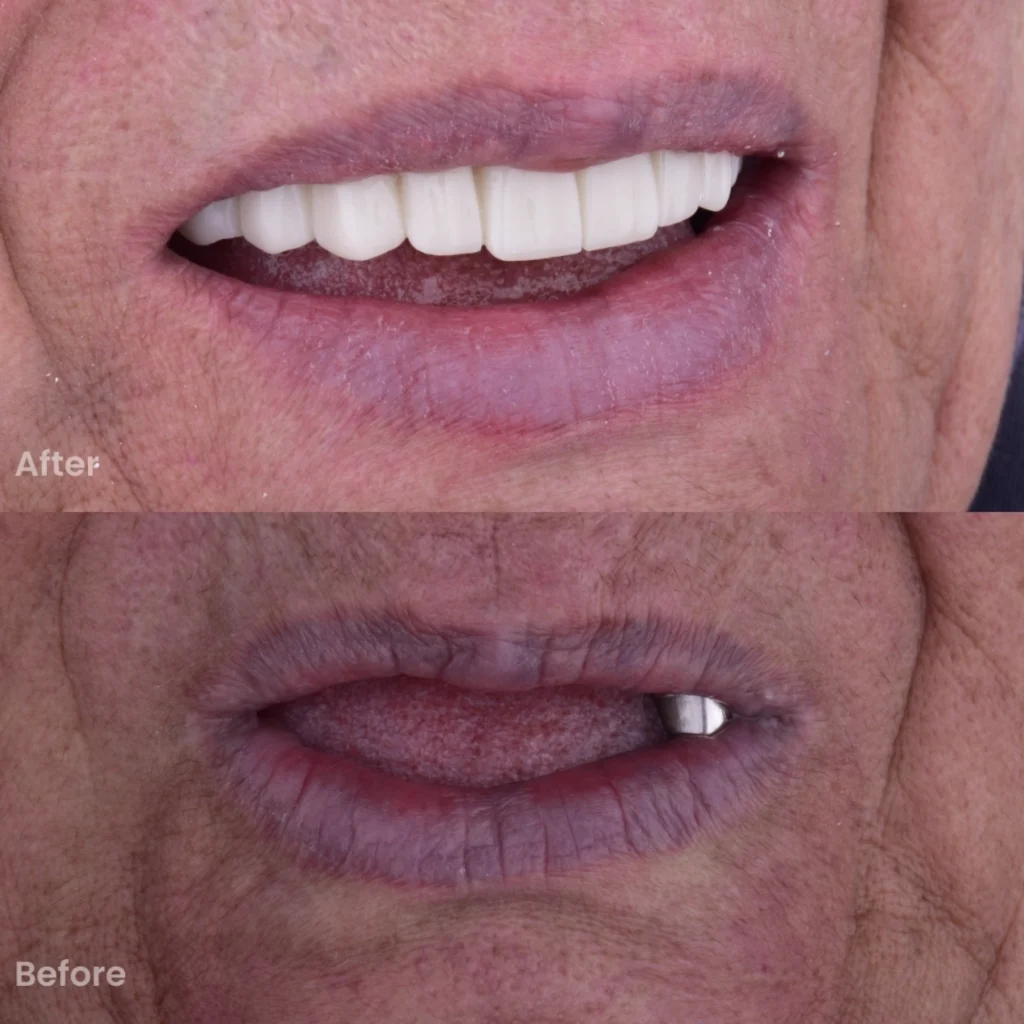
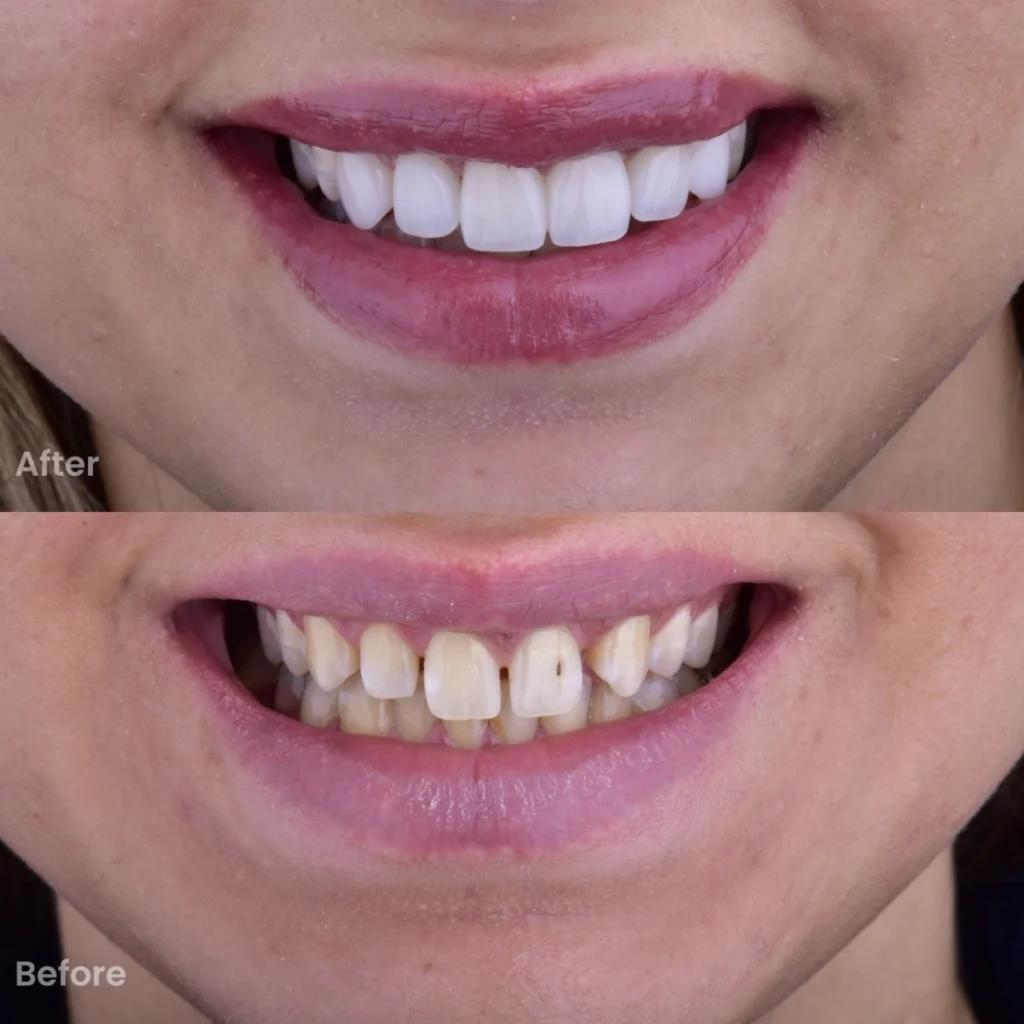
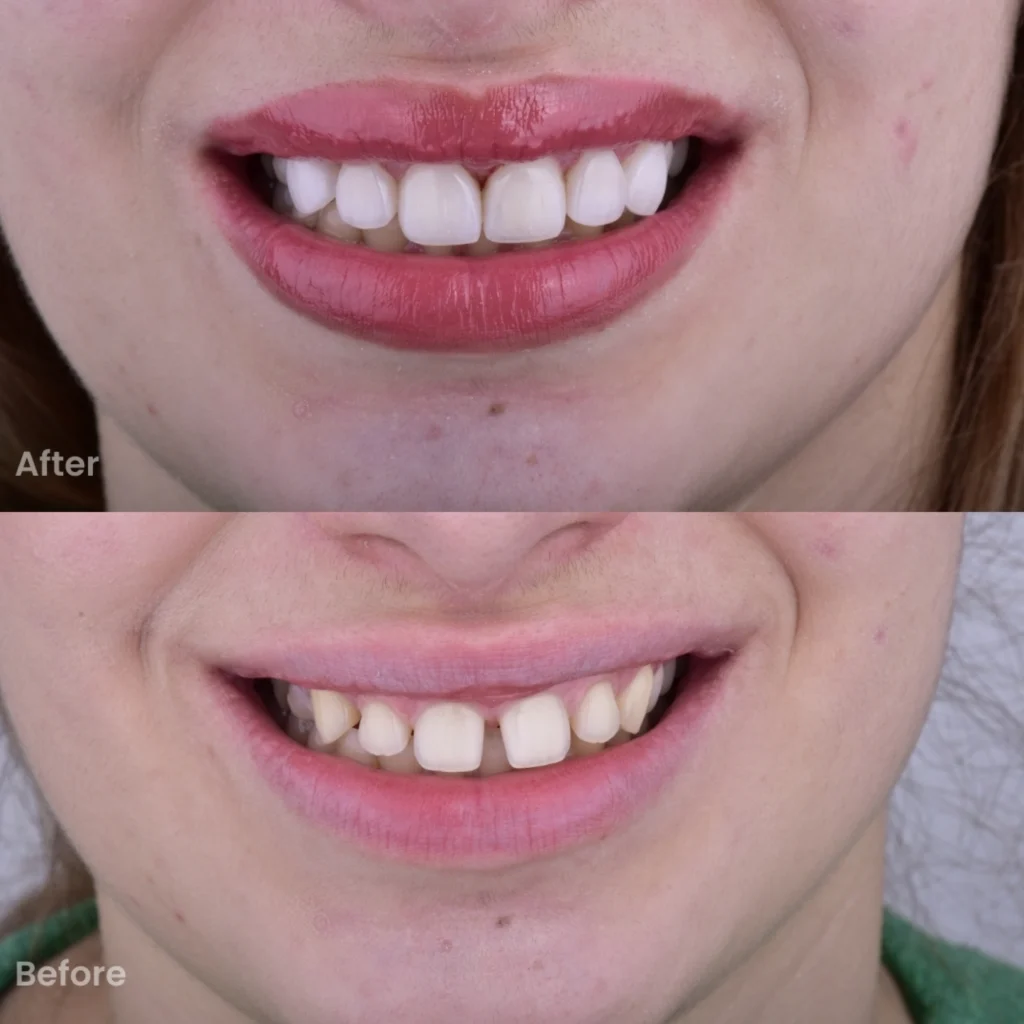
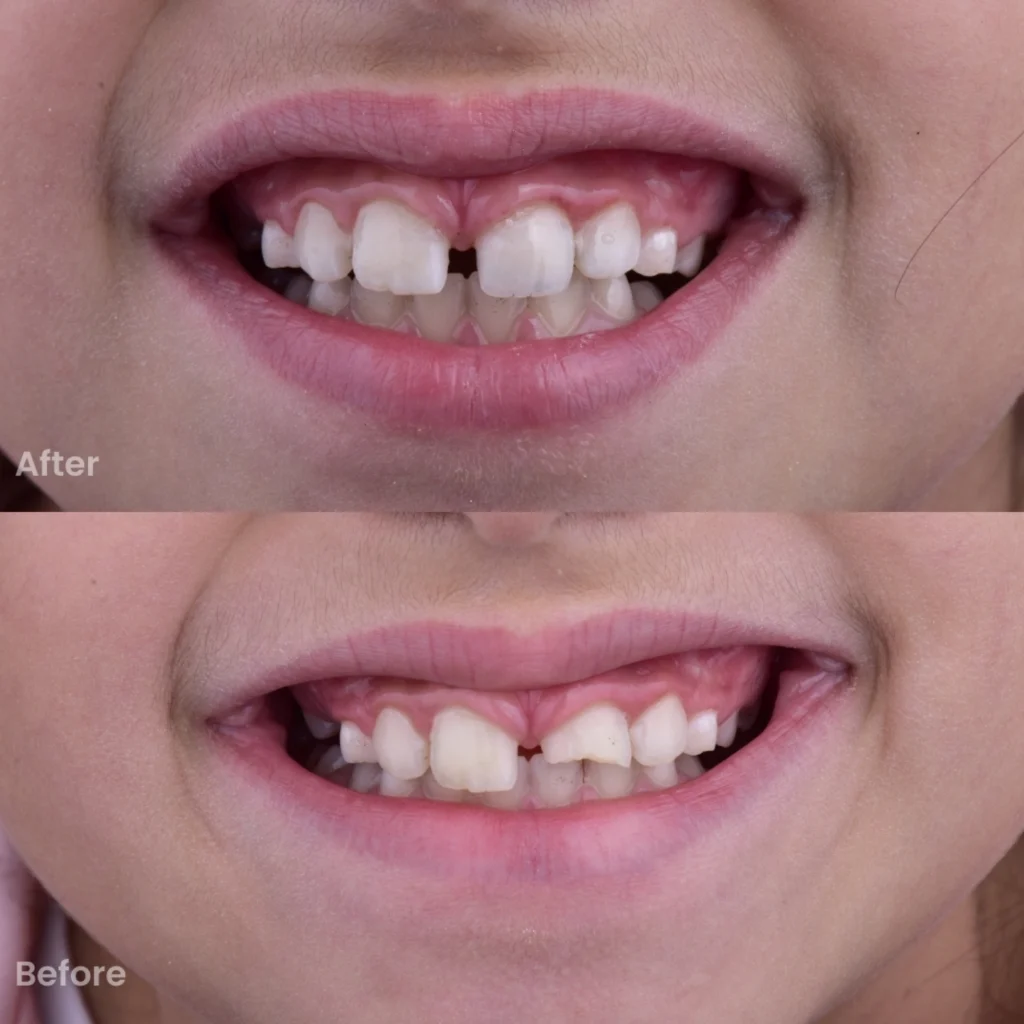
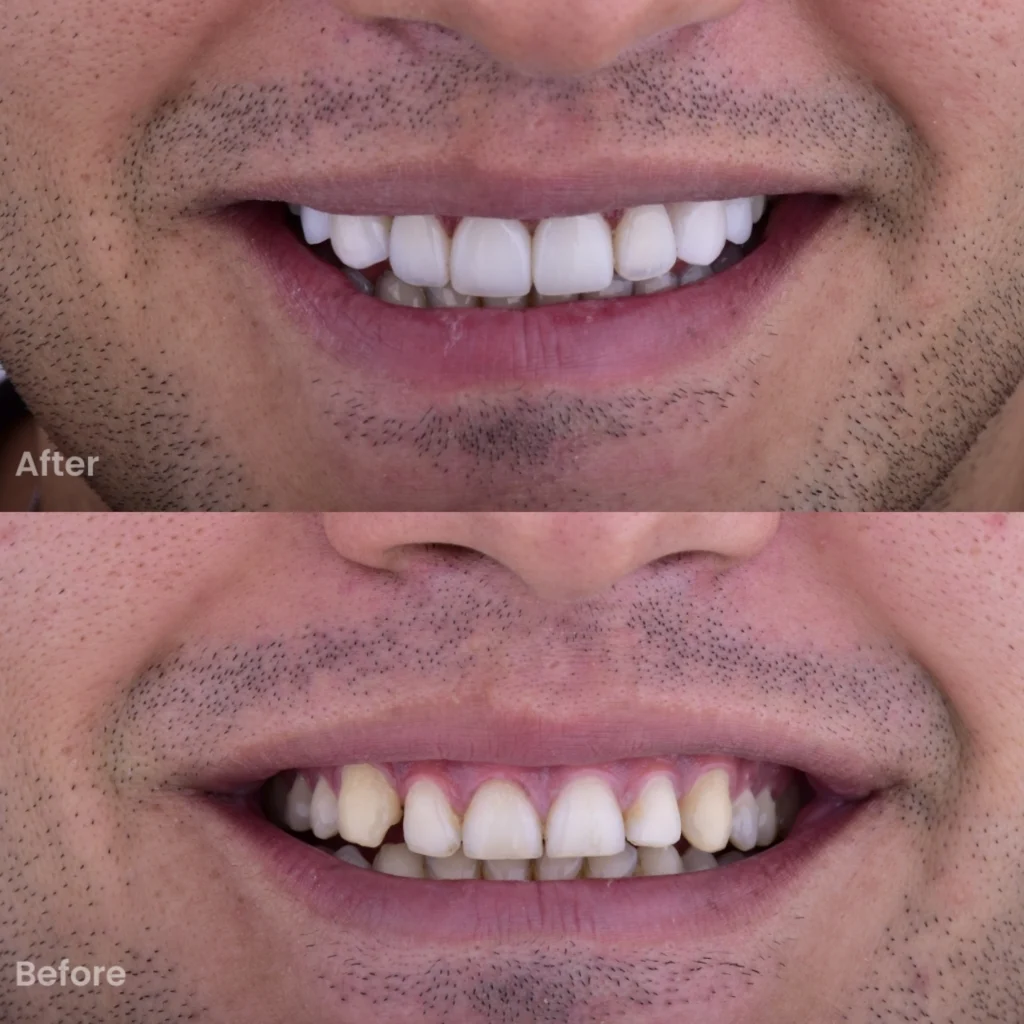
With advances in dental materials and digital design, zirconia crowns can closely resemble natural teeth. Color matching and anatomical shaping are key factors in achieving realistic results.
The final appearance depends on:
-
Crown design
-
Shade selection
-
Individual facial and dental features
Customization plays an essential role in aesthetic success.
Is Zirconia the Right Choice for Everyone?
While zirconia crowns offer many advantages, they may not be the ideal option for every patient. Clinical evaluation determines the most suitable treatment approach.
Alternative restorative options may be considered based on individual needs.
Regulatory Compliance and Professional Standards
Zirconia dental crown treatments are performed in line with current healthcare regulations and professional dental standards. Materials used in treatment are approved for clinical use and selected based on safety and performance criteria.
All procedures prioritize patient well-being and ethical medical practices.
Conclusion
Zirconia dental crowns represent a modern and reliable solution for restoring dental function and aesthetics. Understanding the treatment process, material properties, and care requirements allows patients to make informed decisions.
Proper planning, professional evaluation, and ongoing oral care are essential components of successful zirconia crown treatment.
This content is provided for informational purposes only.
If you want to get implant treatment in Turkey, find out more. Click here!
Click here to contact us.
Click here for information about our treatments.
Get information about composite laminate treatment.
Get information about E-max treatment.
If you are considering zirconium treatment in Turkey, click here.
What standards do dental clinics in Turkey operate under? Click to read the blog.
What Should You Consider When Planning Dental Treatment in Turkey from Abroad?
Planning Dental Treatment in Turkey: A Step-by-Step Guide for International Patients
Zirconia dental crowns are widely used in modern dentistry due to their biocompatible structure and high strength. They are well tolerated by oral tissues and are considered safe when applied according to clinical standards and current dental regulations.
With proper oral hygiene, regular dental check-ups, and appropriate clinical planning, zirconia crowns can function for many years. Their durability depends on factors such as bite force, oral habits, and overall dental health.
Zirconia crowns are designed to closely mimic the natural appearance of teeth. Advances in dental materials allow zirconia restorations to provide a natural color, translucency, and harmonious integration with surrounding teeth.
Before getting zirconia dental crowns, factors such as tooth structure, gum health, bite alignment, and aesthetic expectations should be carefully evaluated. A detailed clinical examination helps determine whether zirconia is a suitable option for the individual patient.
Yes. Zirconia crowns are metal-free and biocompatible, making them a suitable option for individuals with metal sensitivities or allergies. This feature is one of the reasons zirconia is frequently preferred in restorative dentistry.