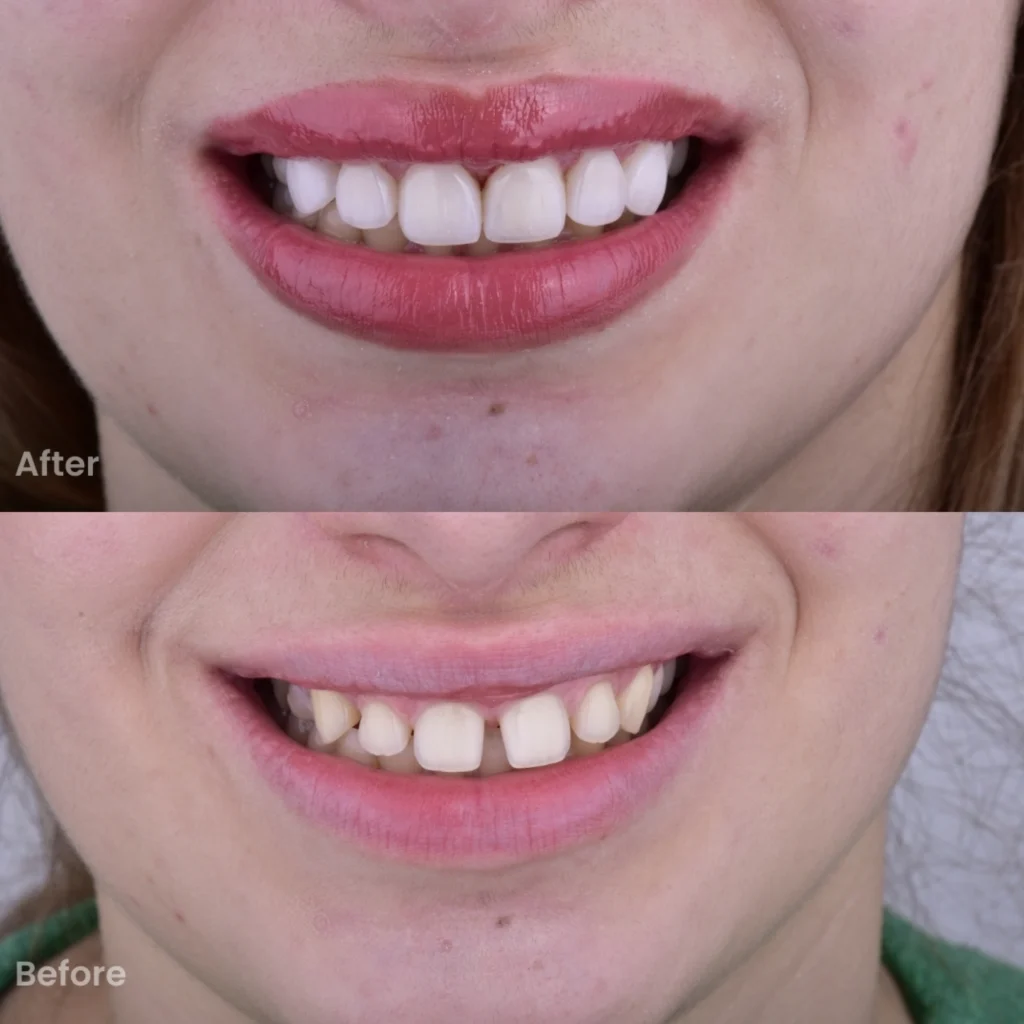
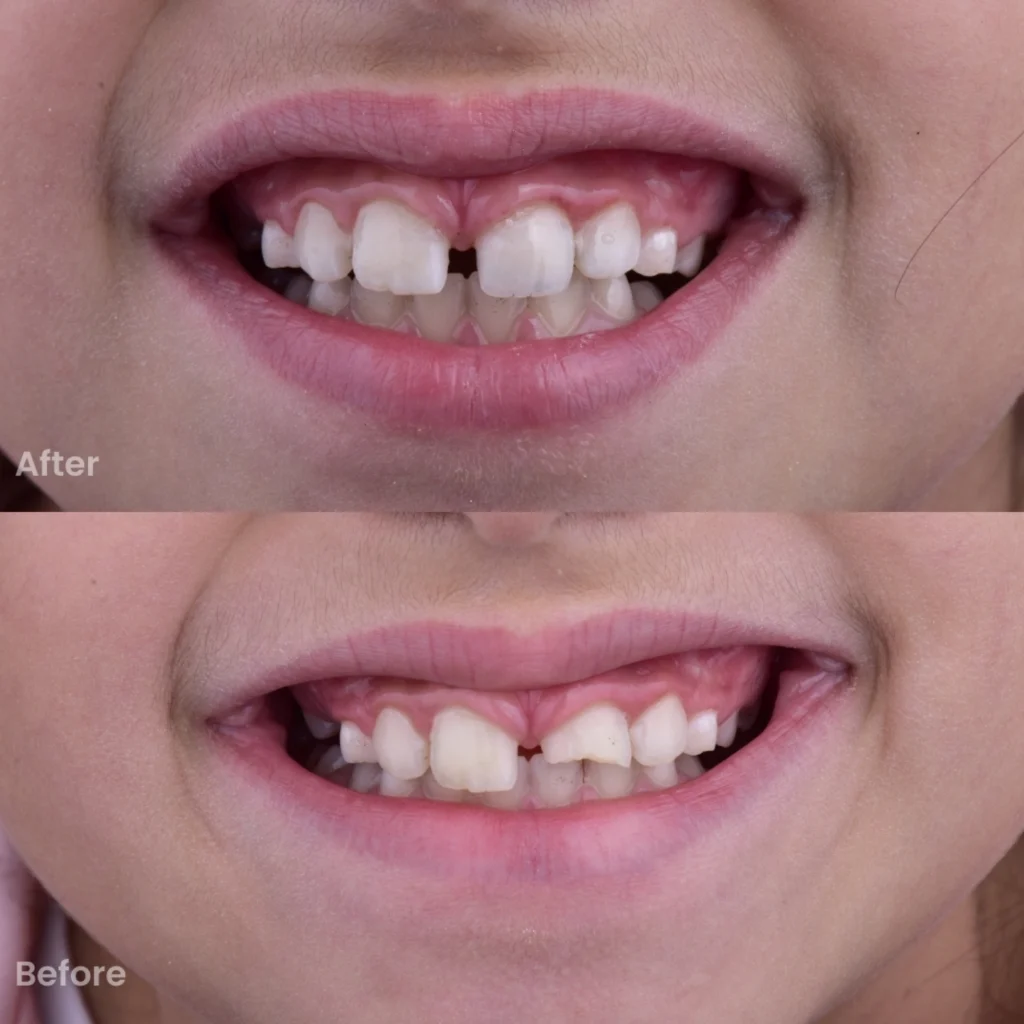
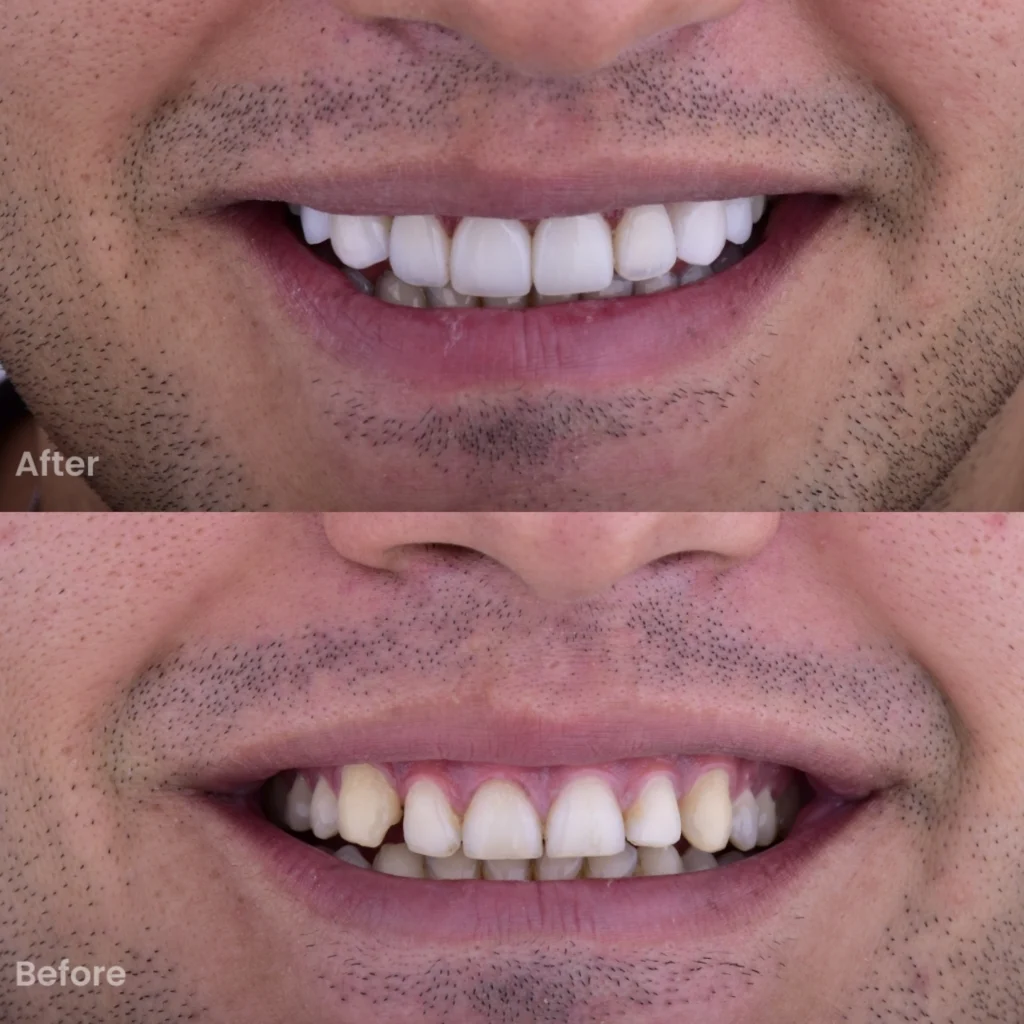
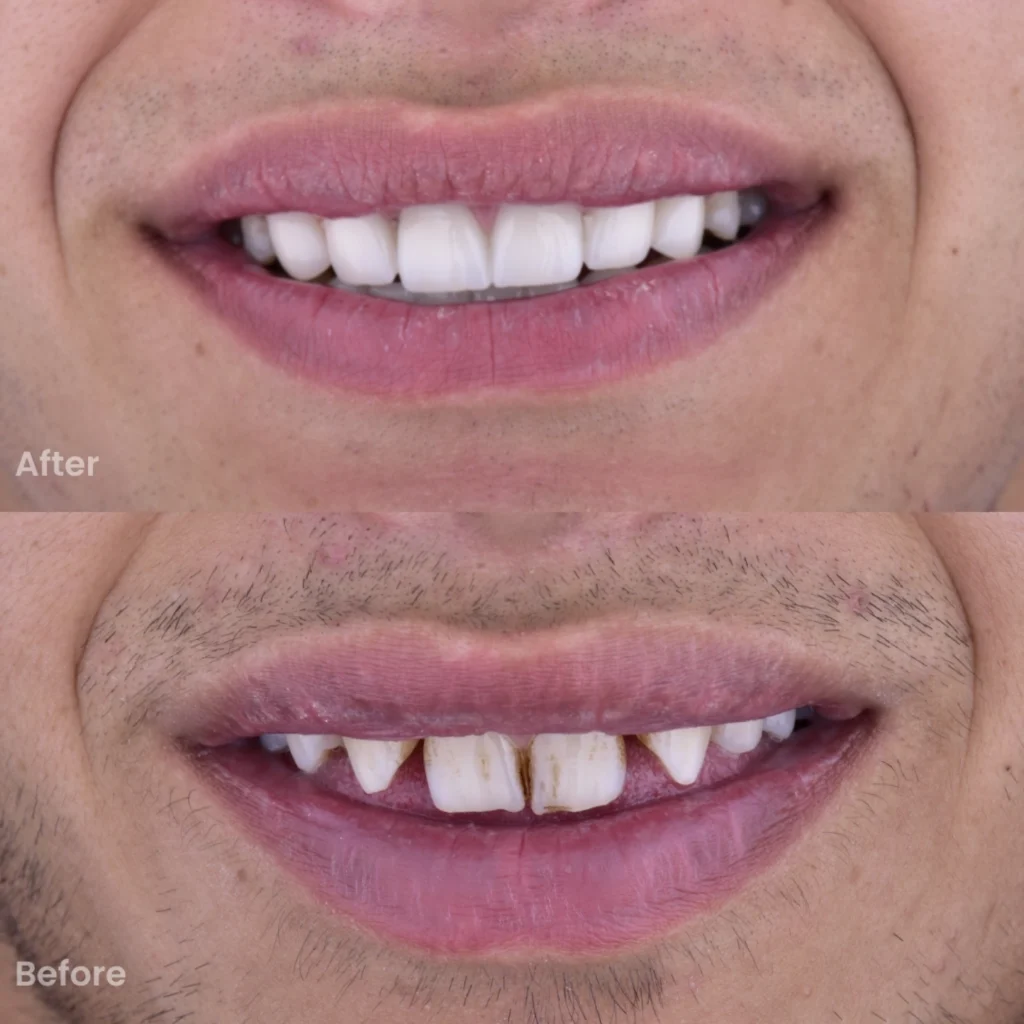
+90 553 315 19 85
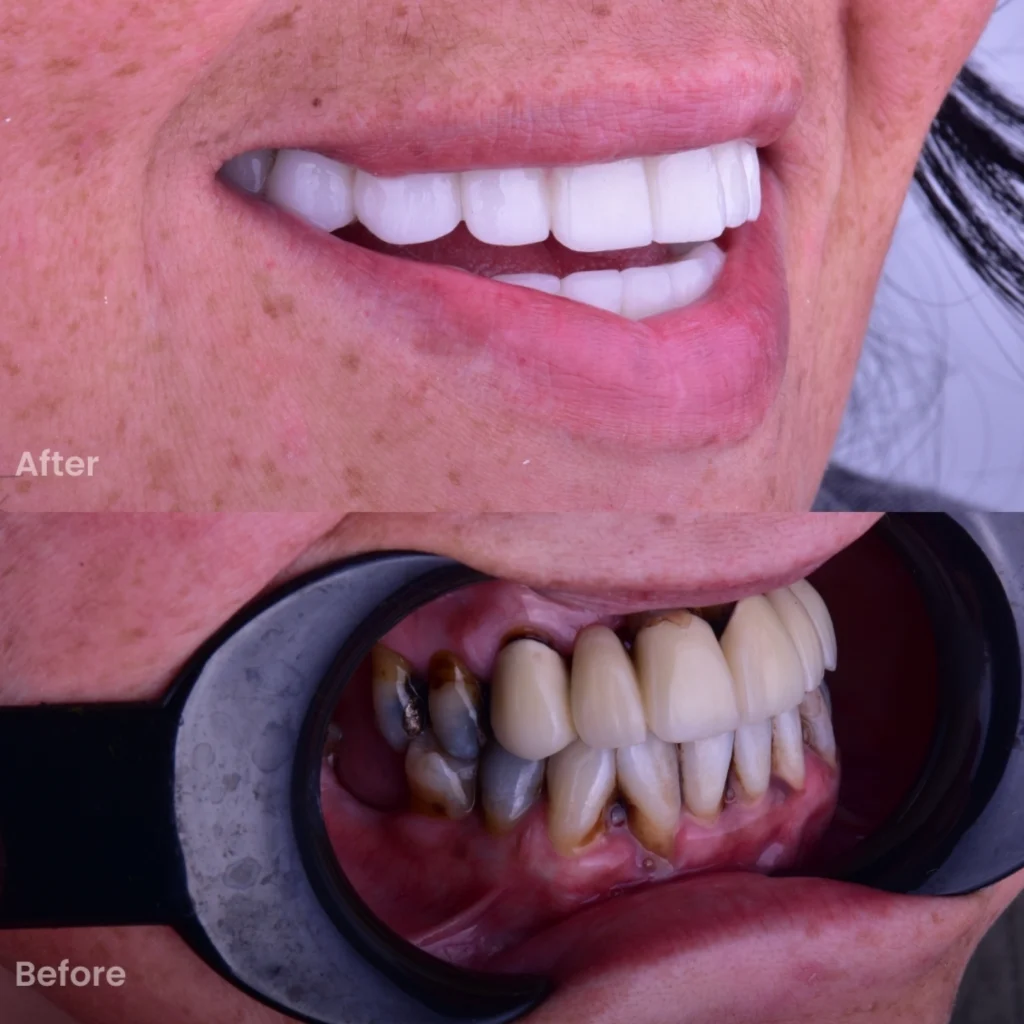
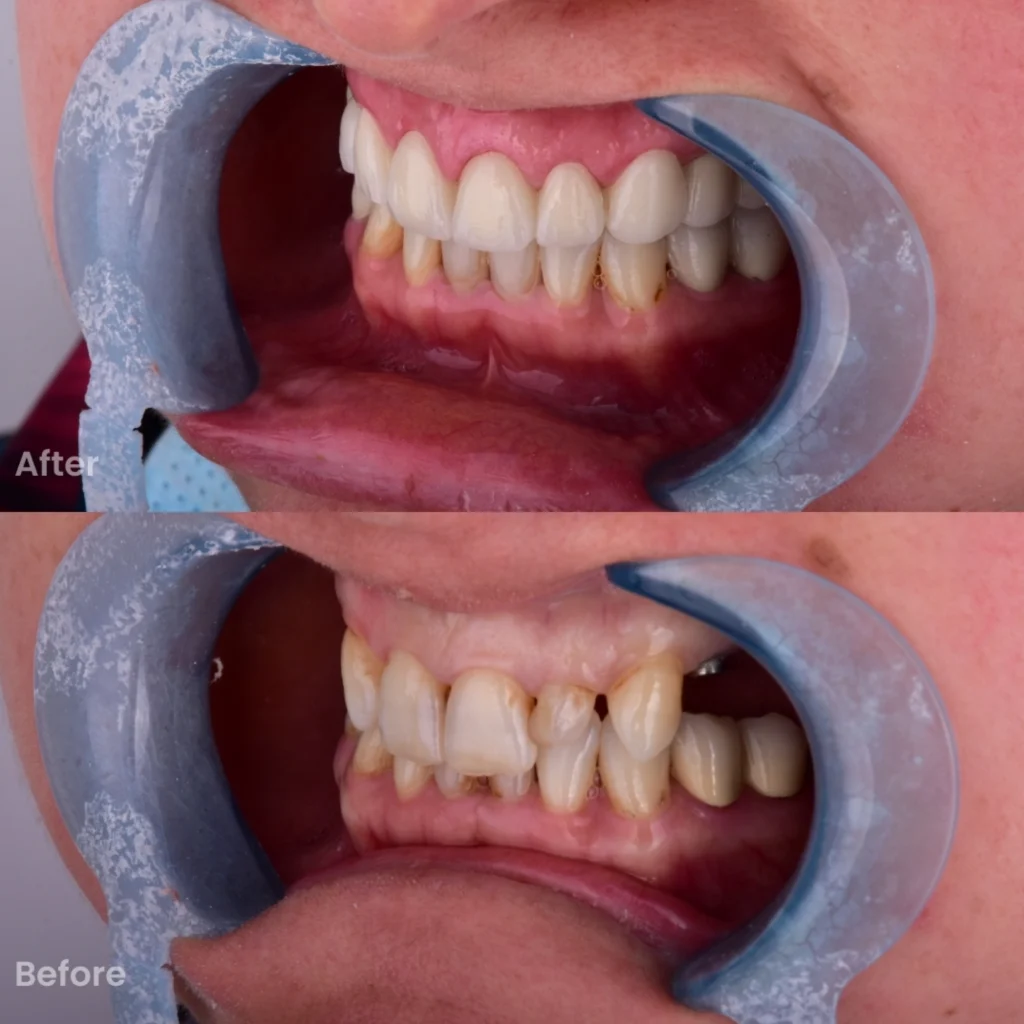
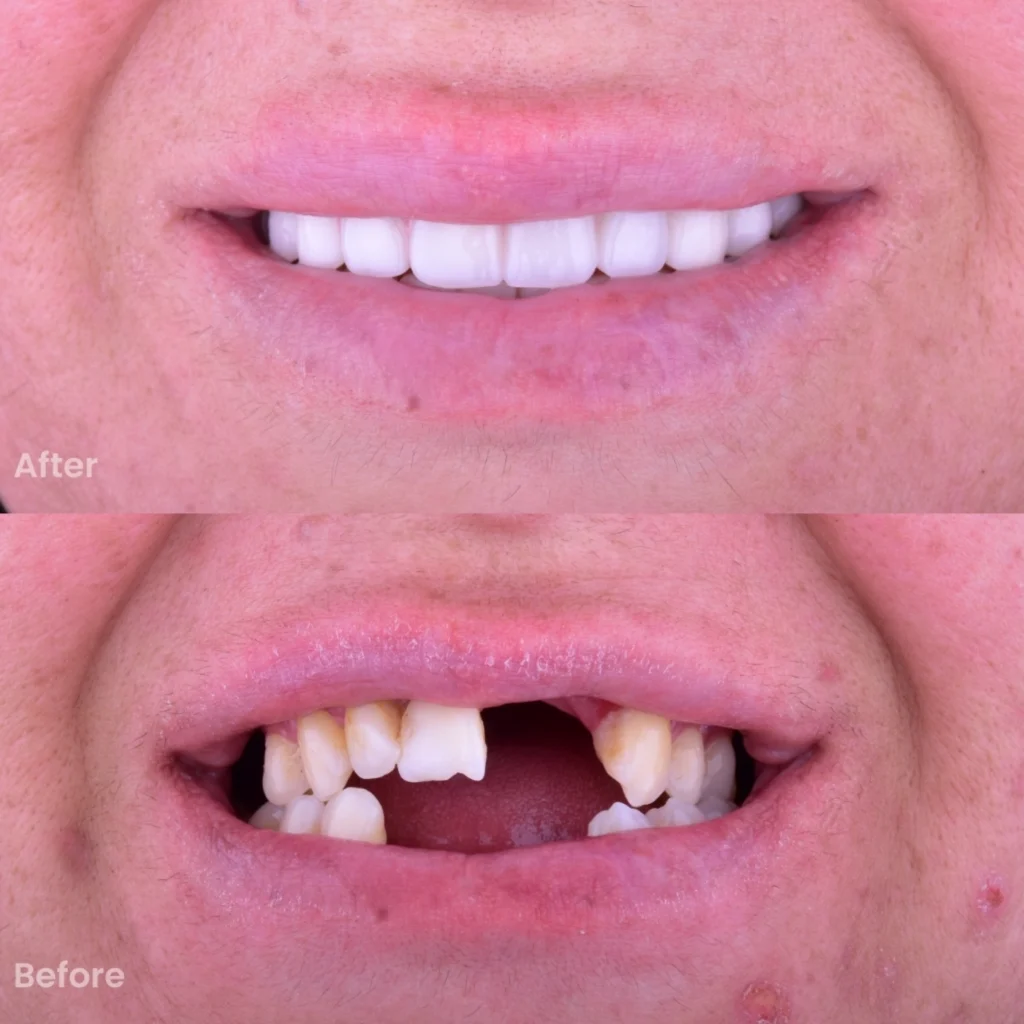
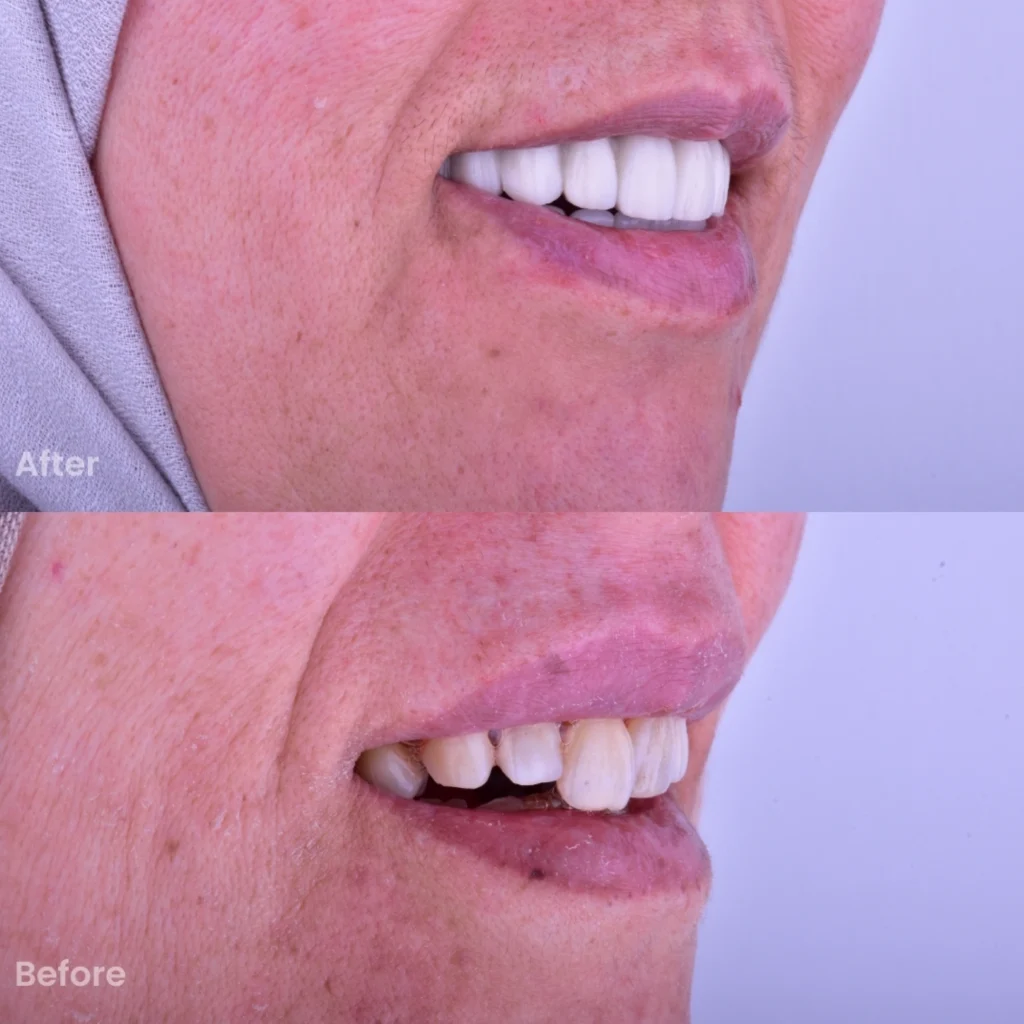
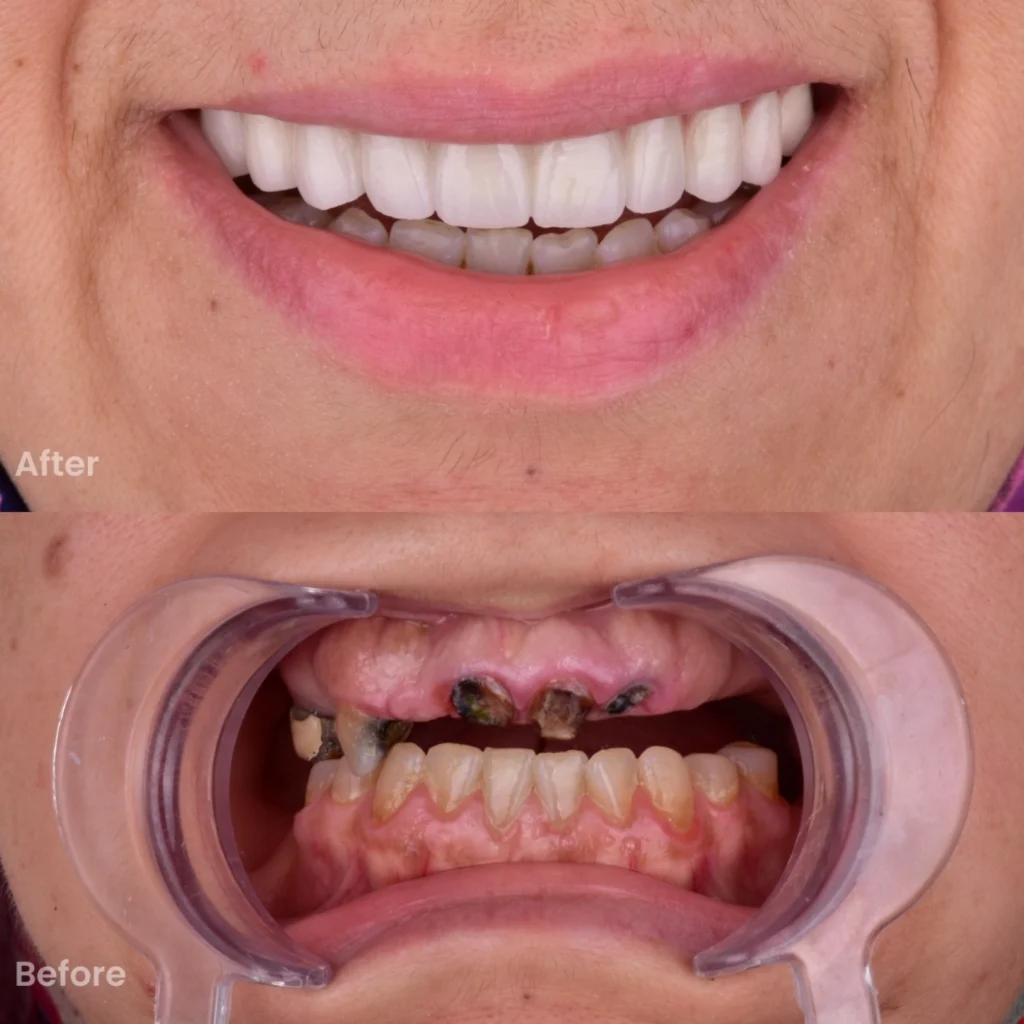
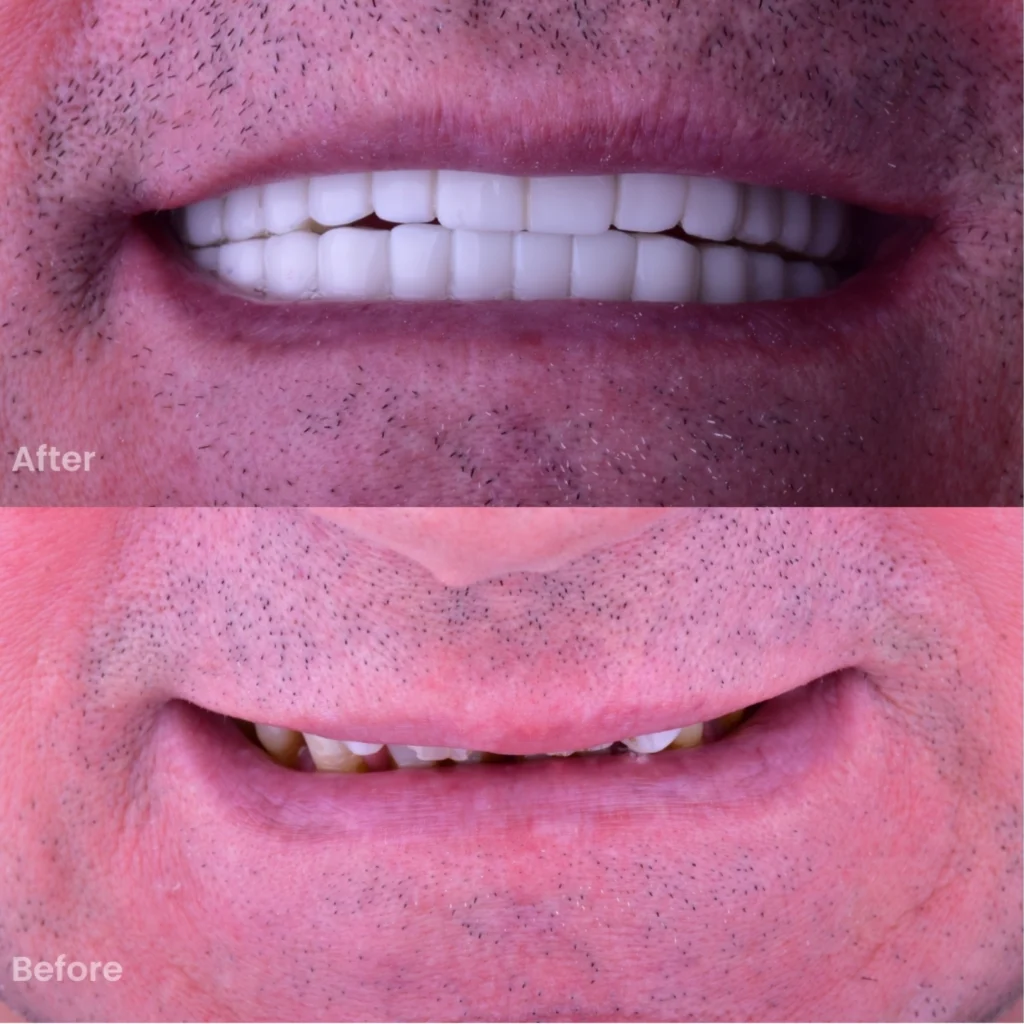
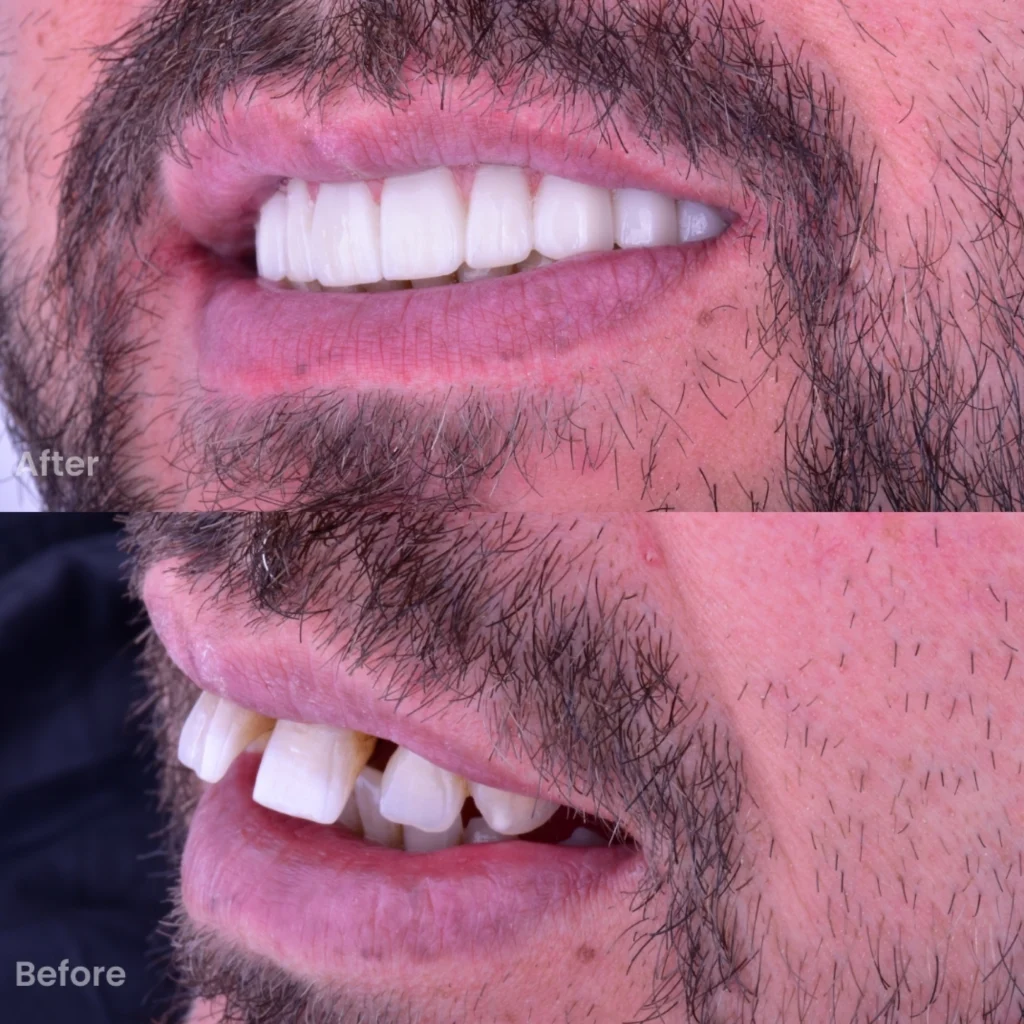
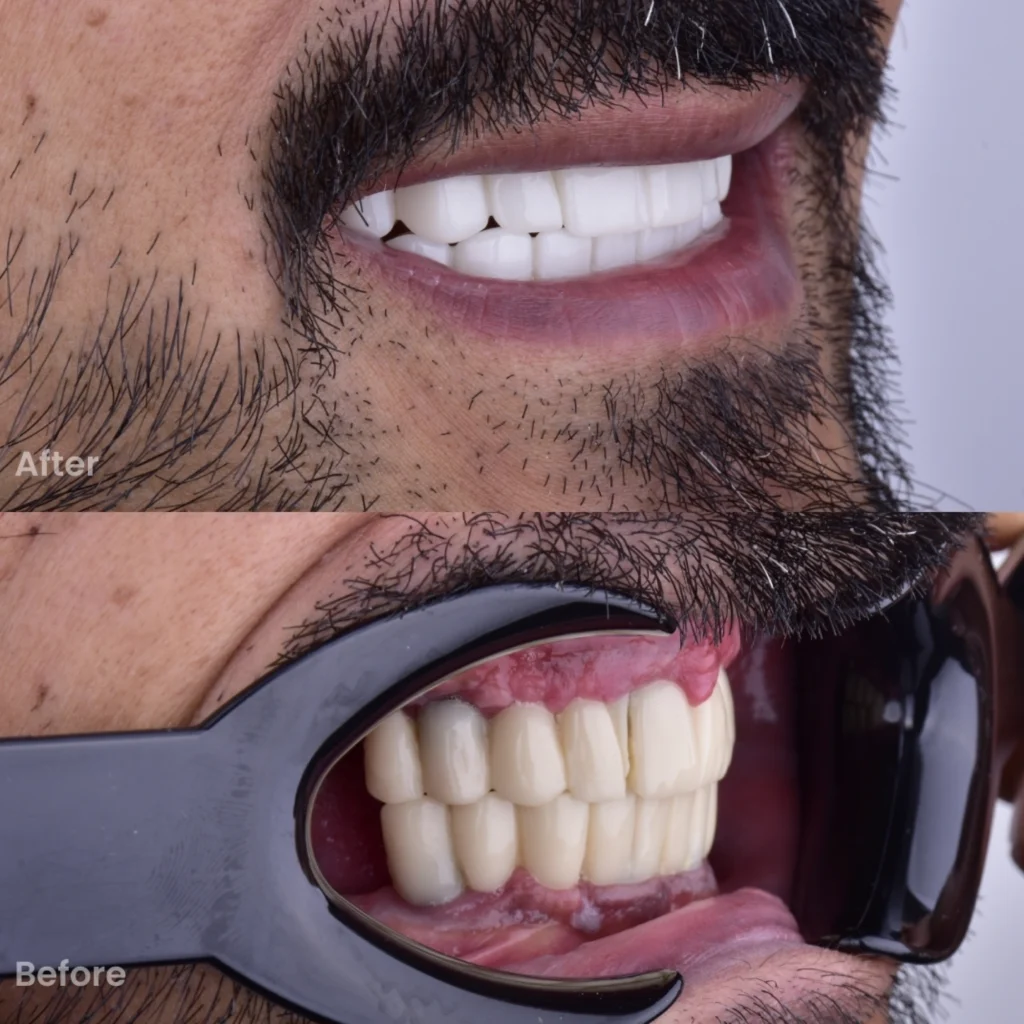
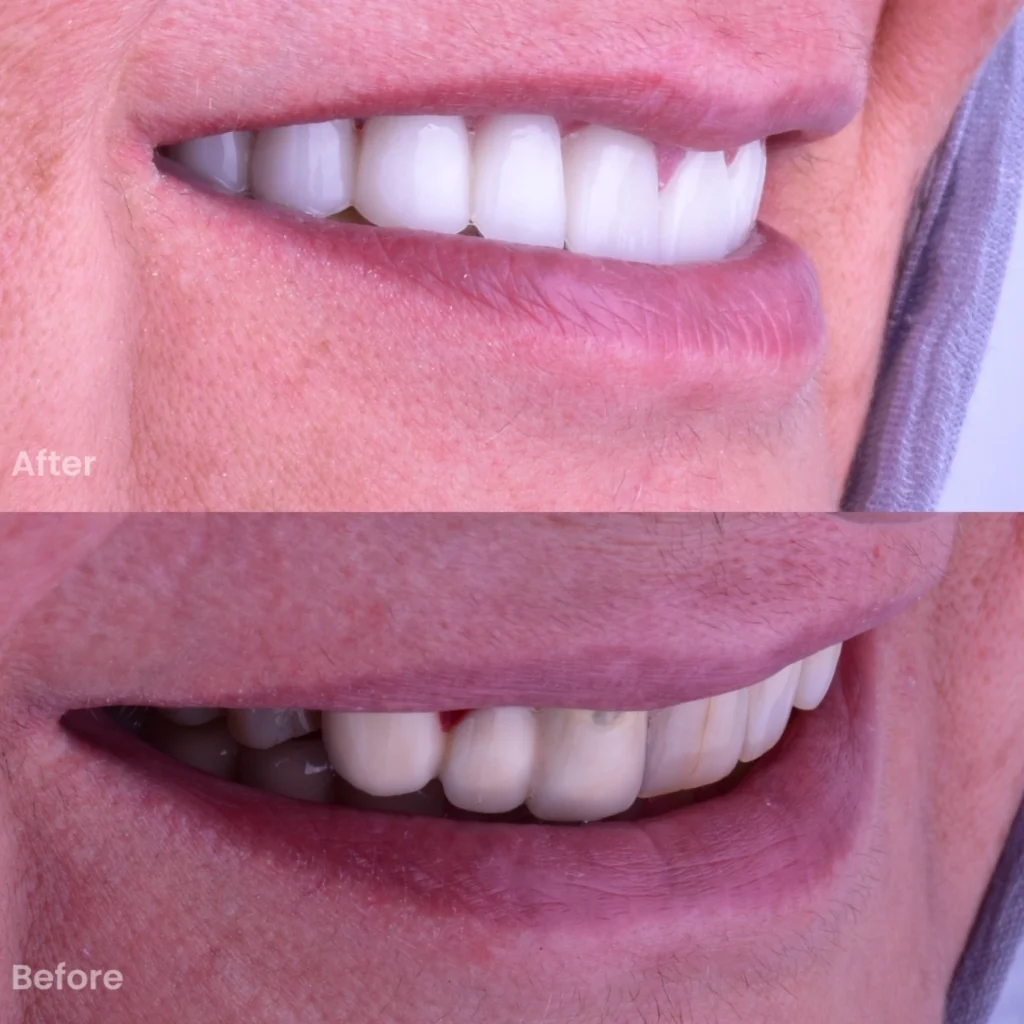
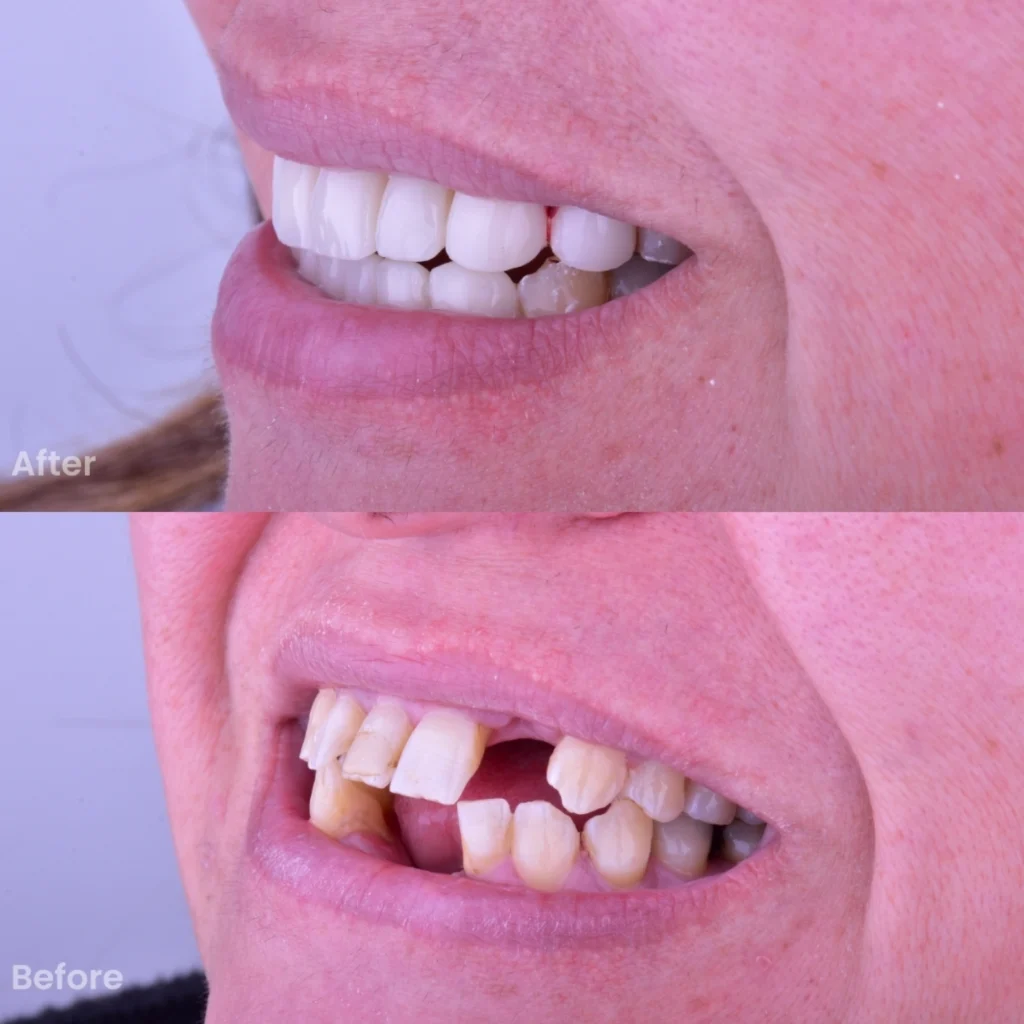
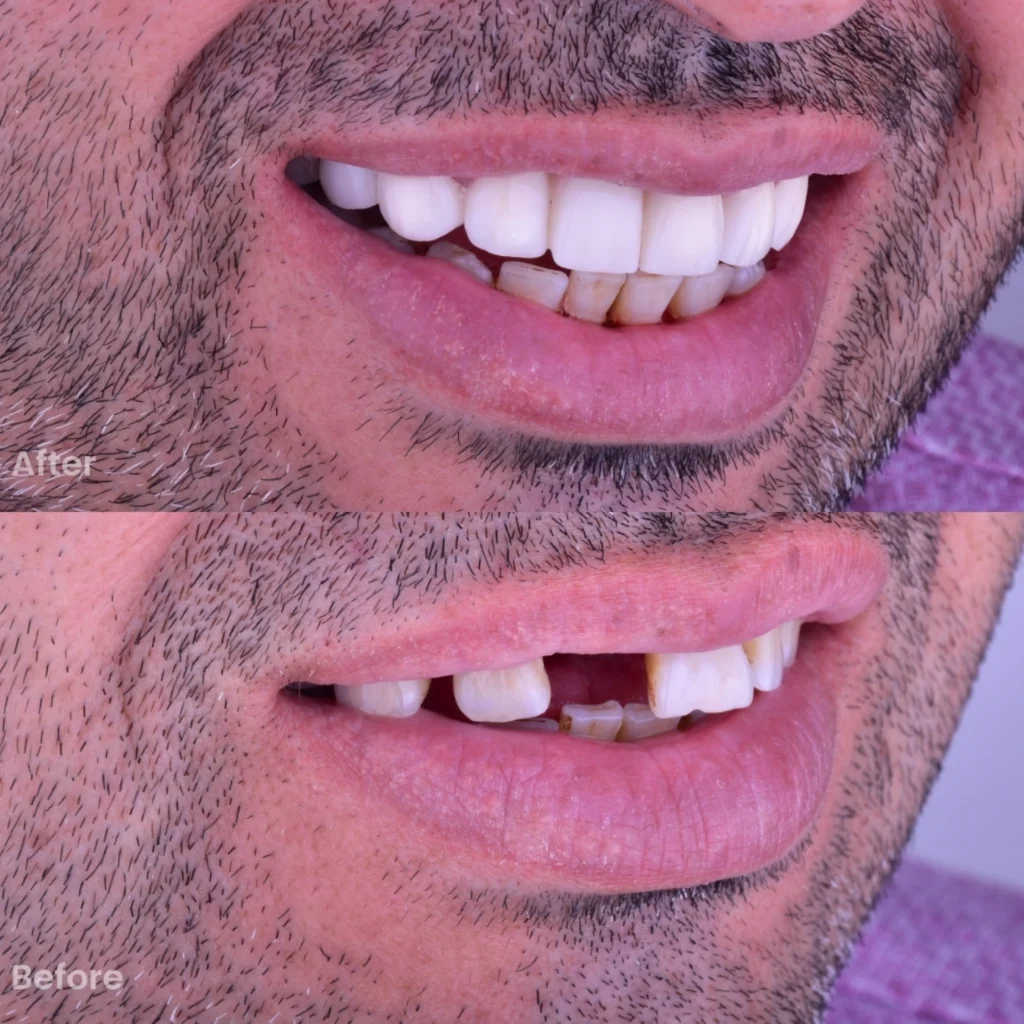
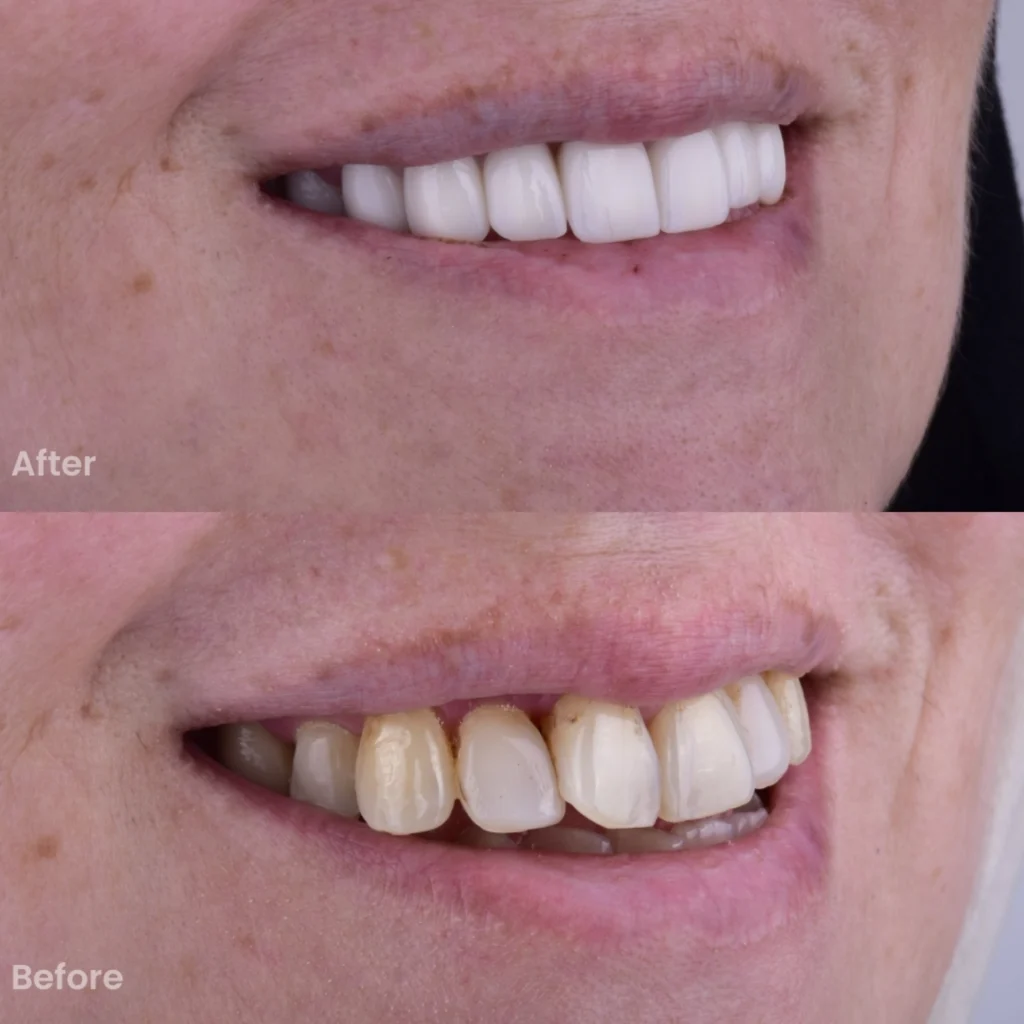
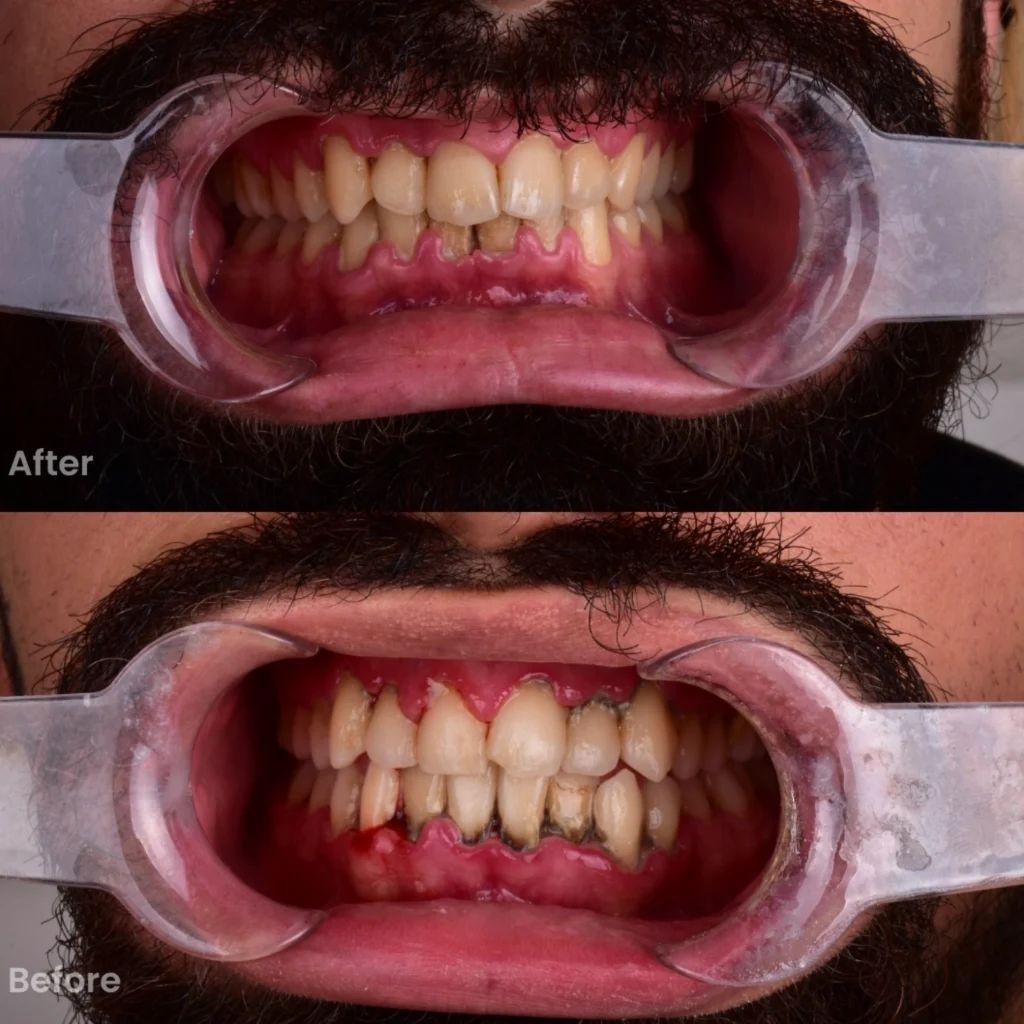
Tooth bonding is a widely used dental treatment that involves the application of a tooth-colored composite resin material to the surface of a tooth in order to restore, repair, or enhance its appearance and function. This method is considered a conservative approach in modern dentistry, as it typically requires minimal alteration of the natural tooth structure.
Dental bonding is commonly preferred for addressing minor aesthetic concerns as well as certain functional issues. Due to its minimally invasive nature, it is often evaluated as an initial treatment option during comprehensive dental planning.
What Is Tooth Bonding?
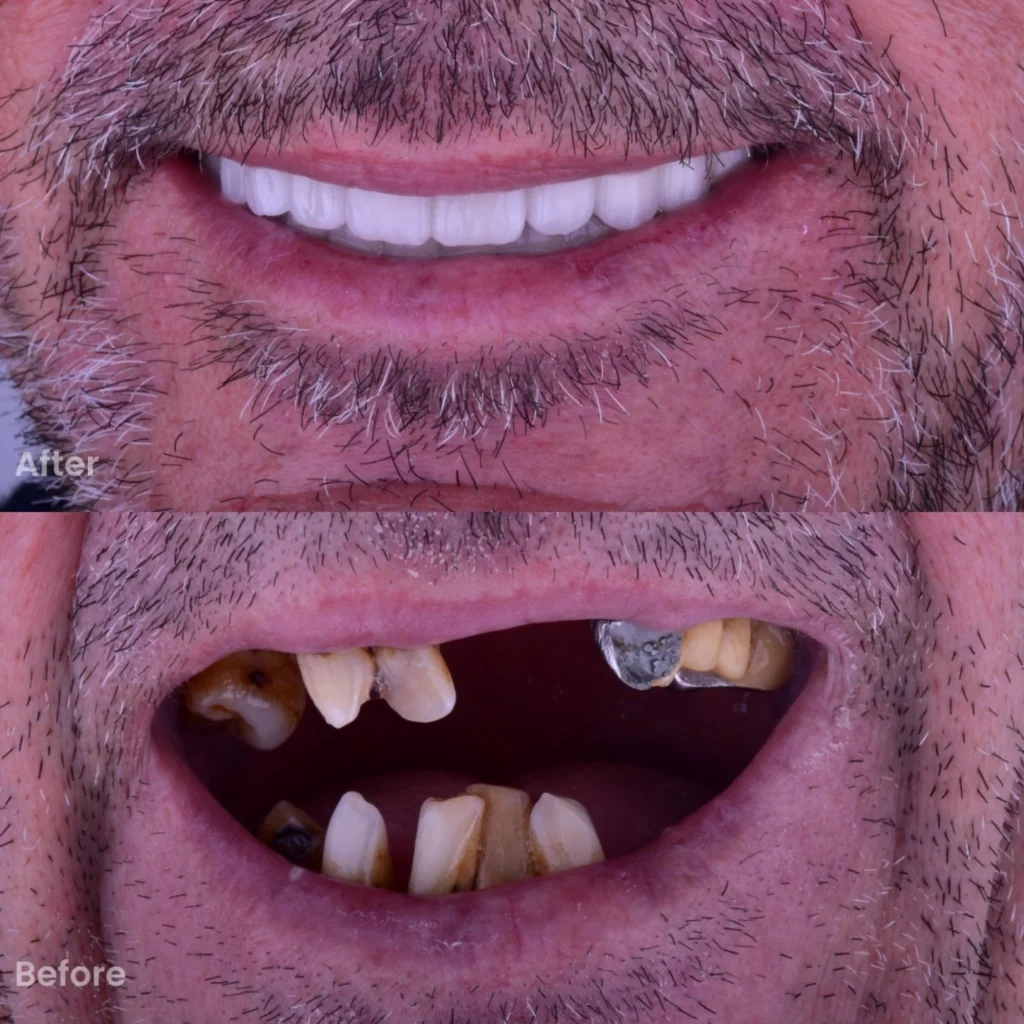
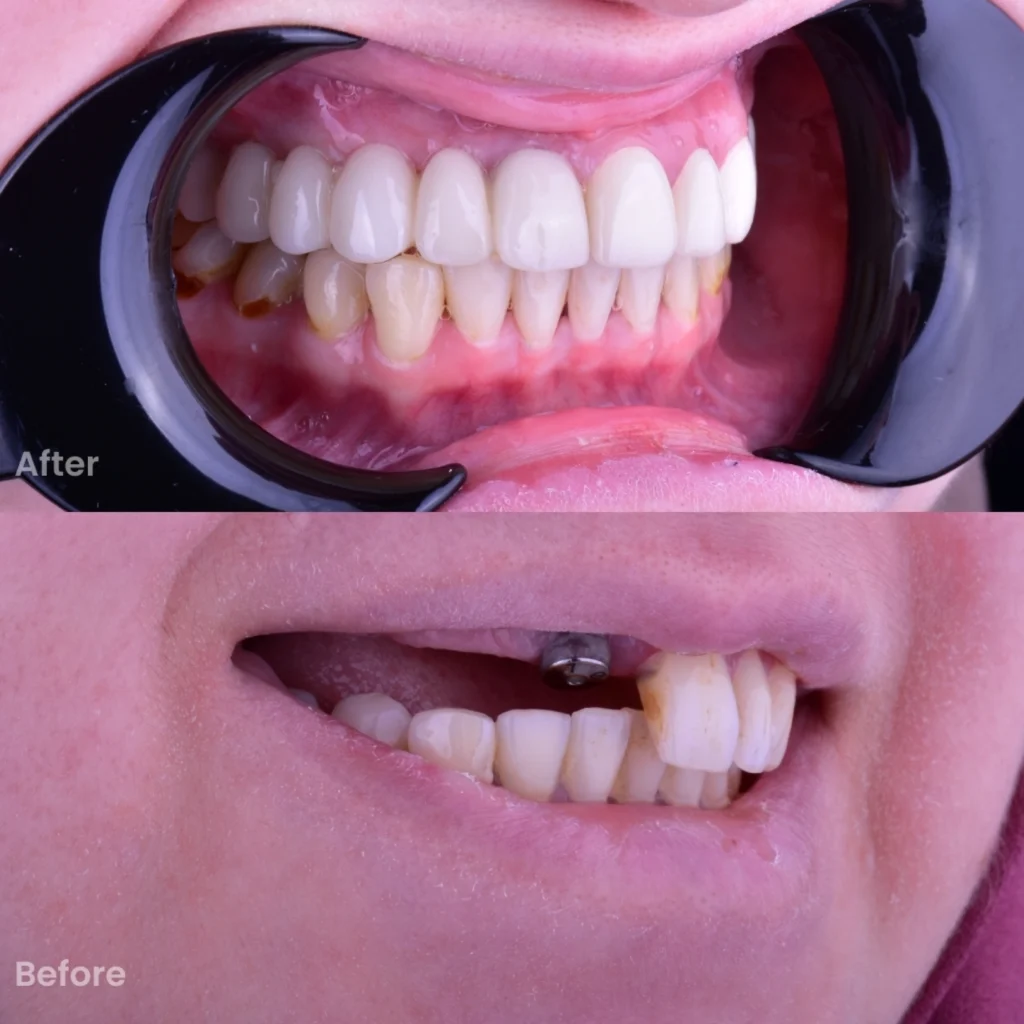
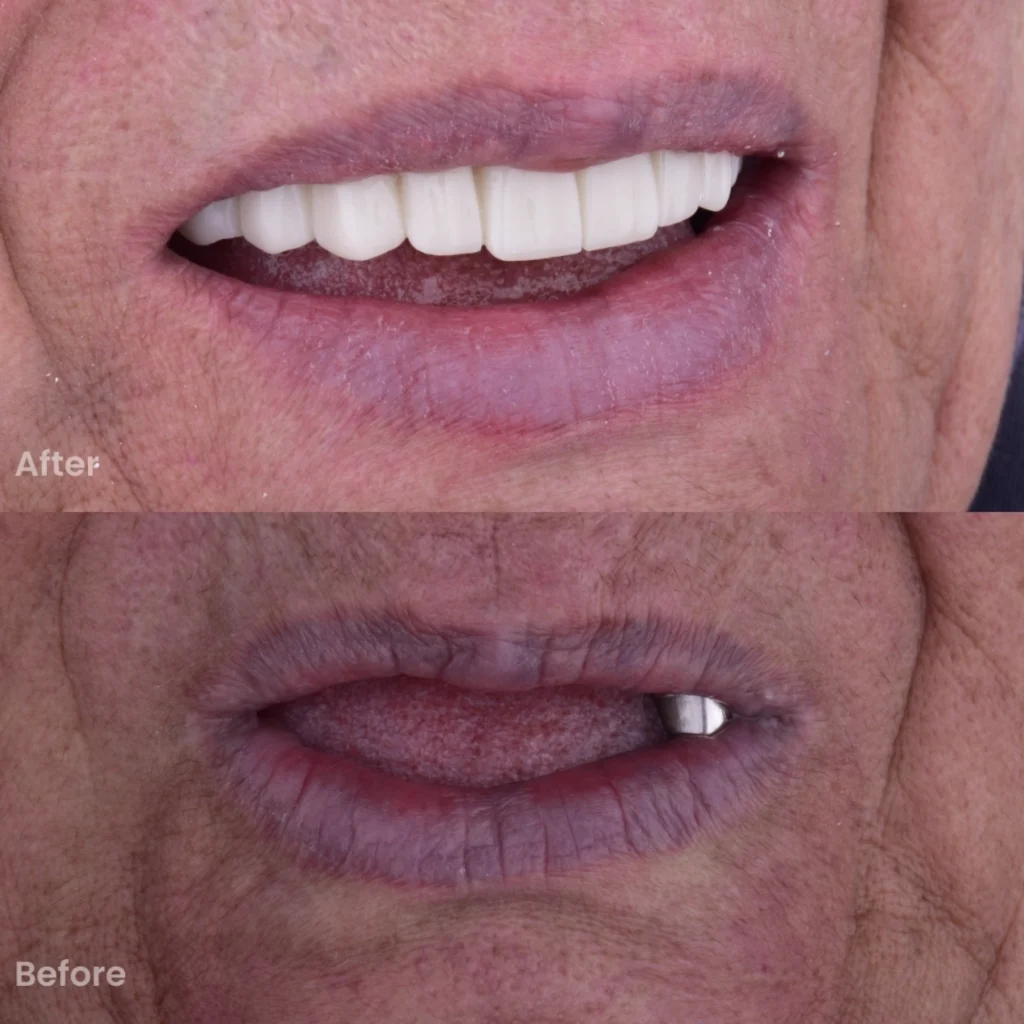
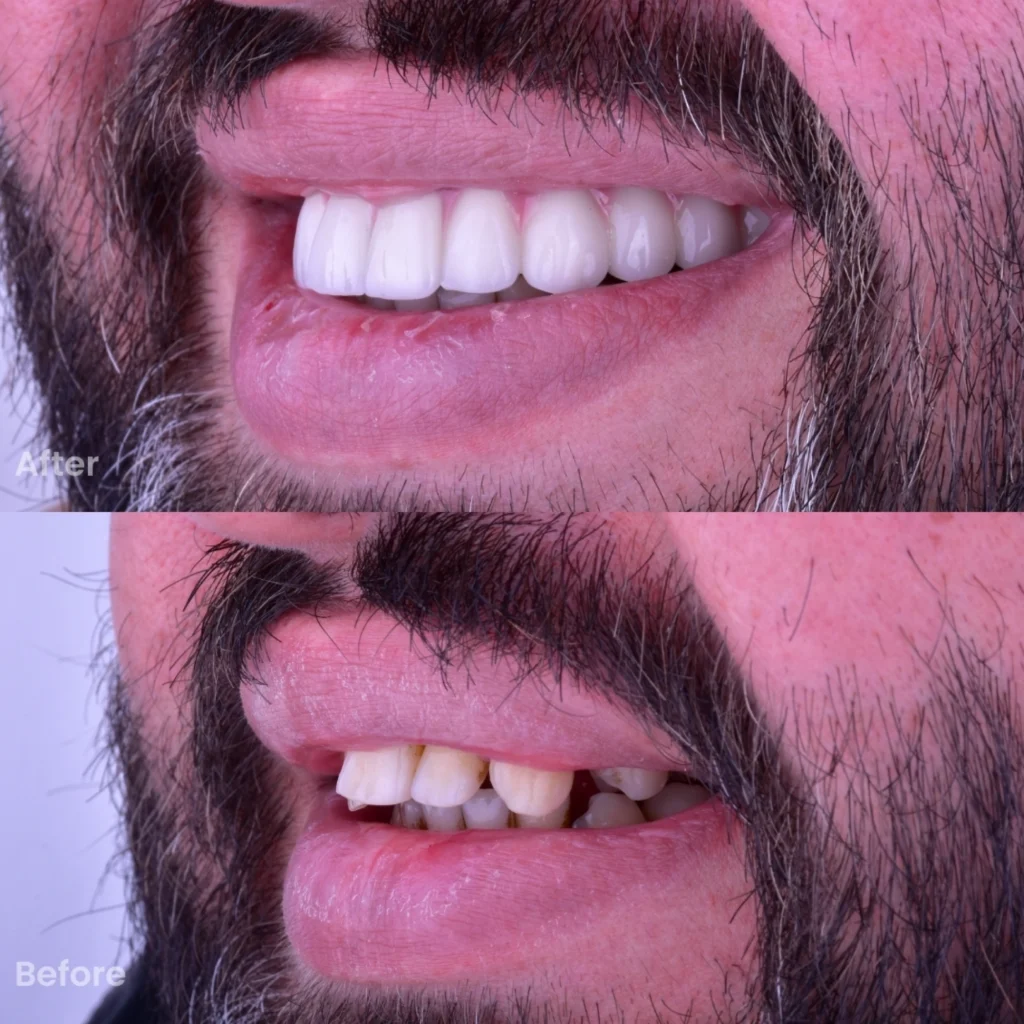
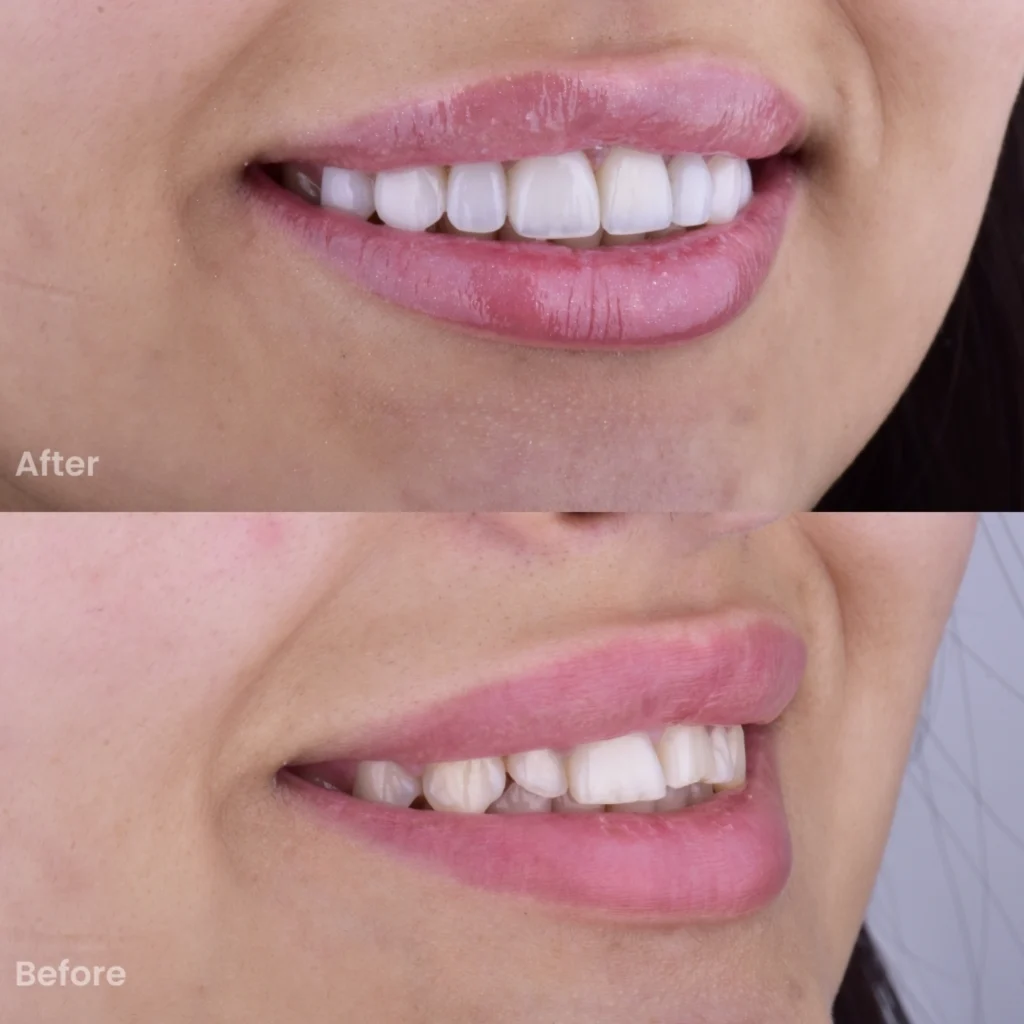
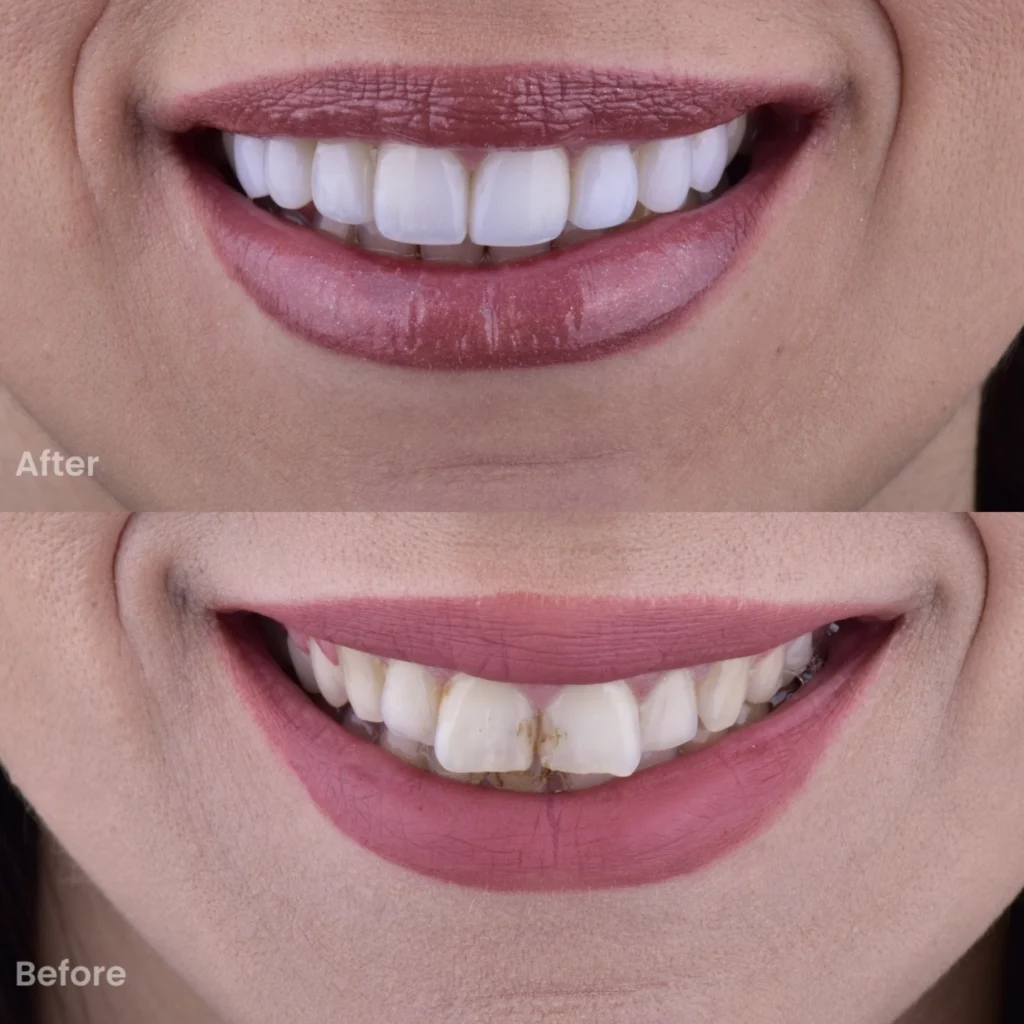
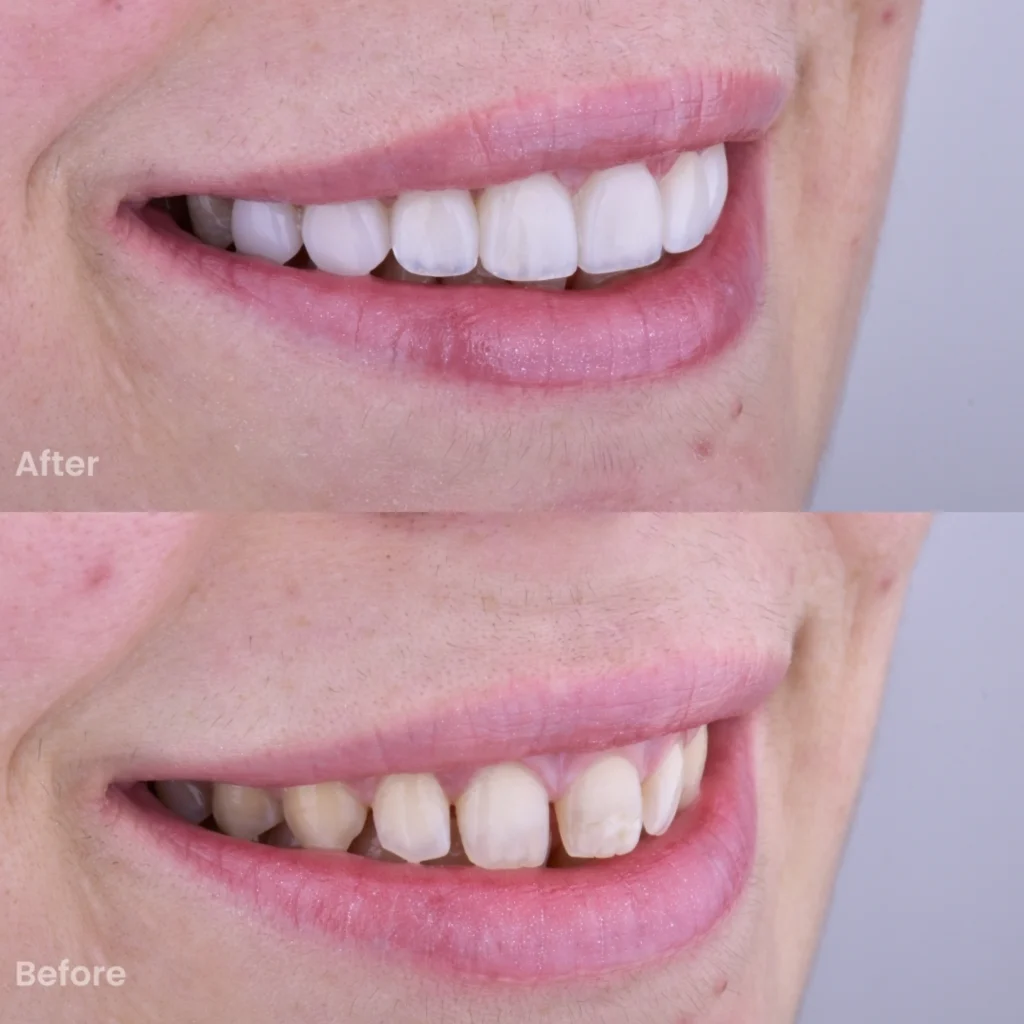
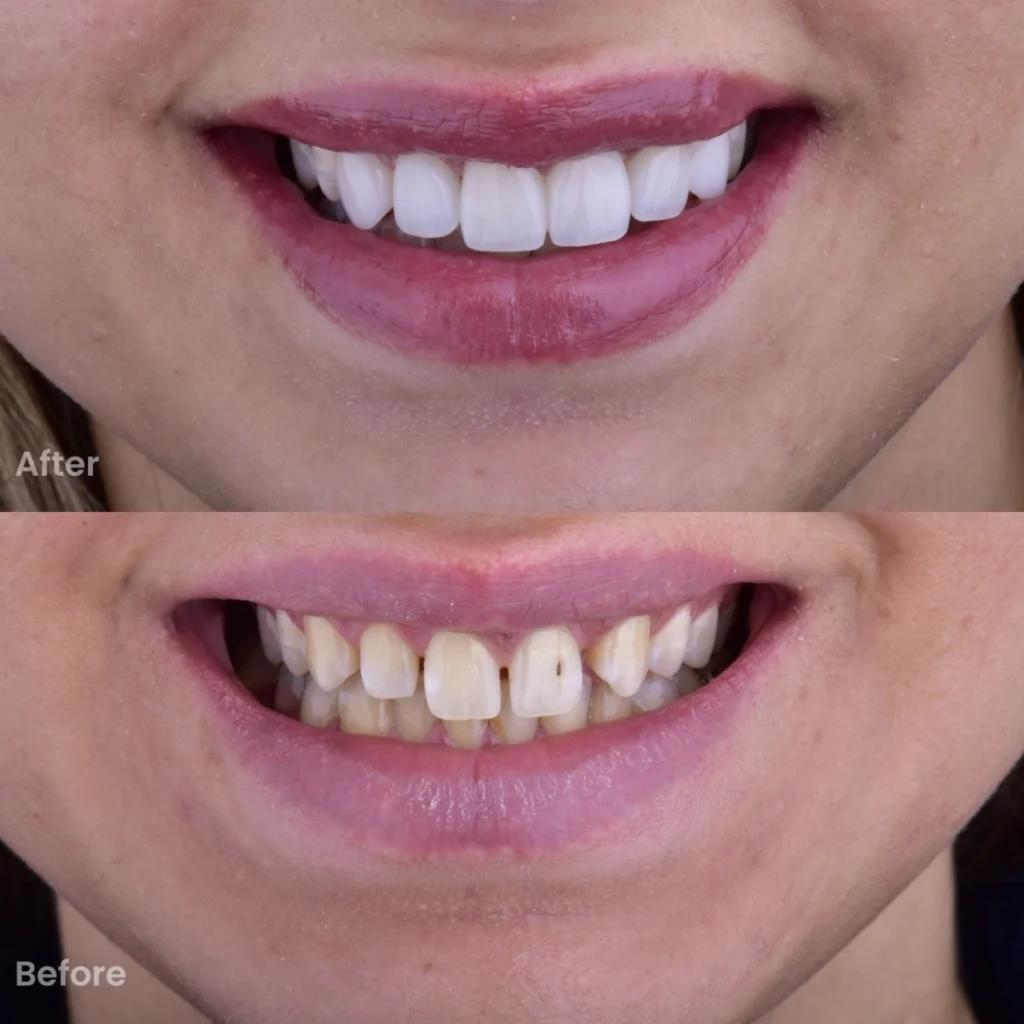
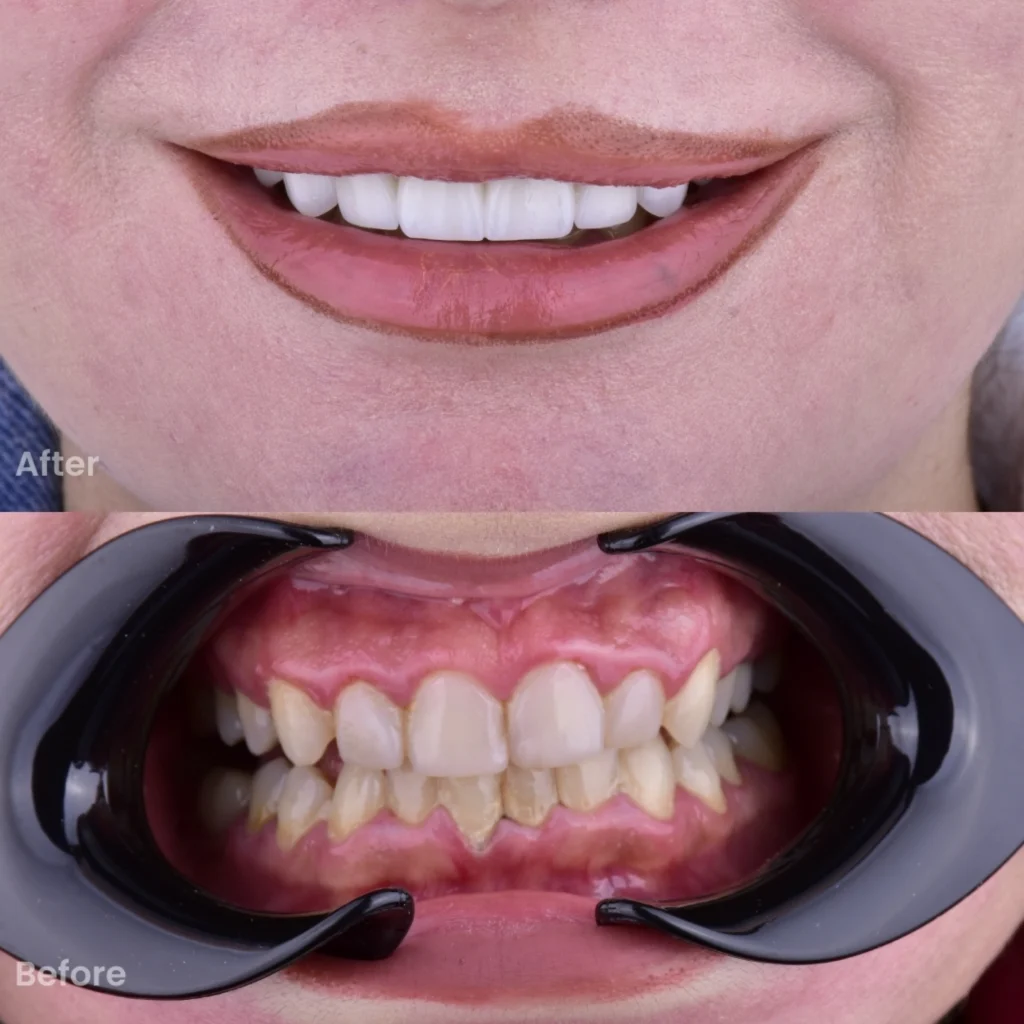
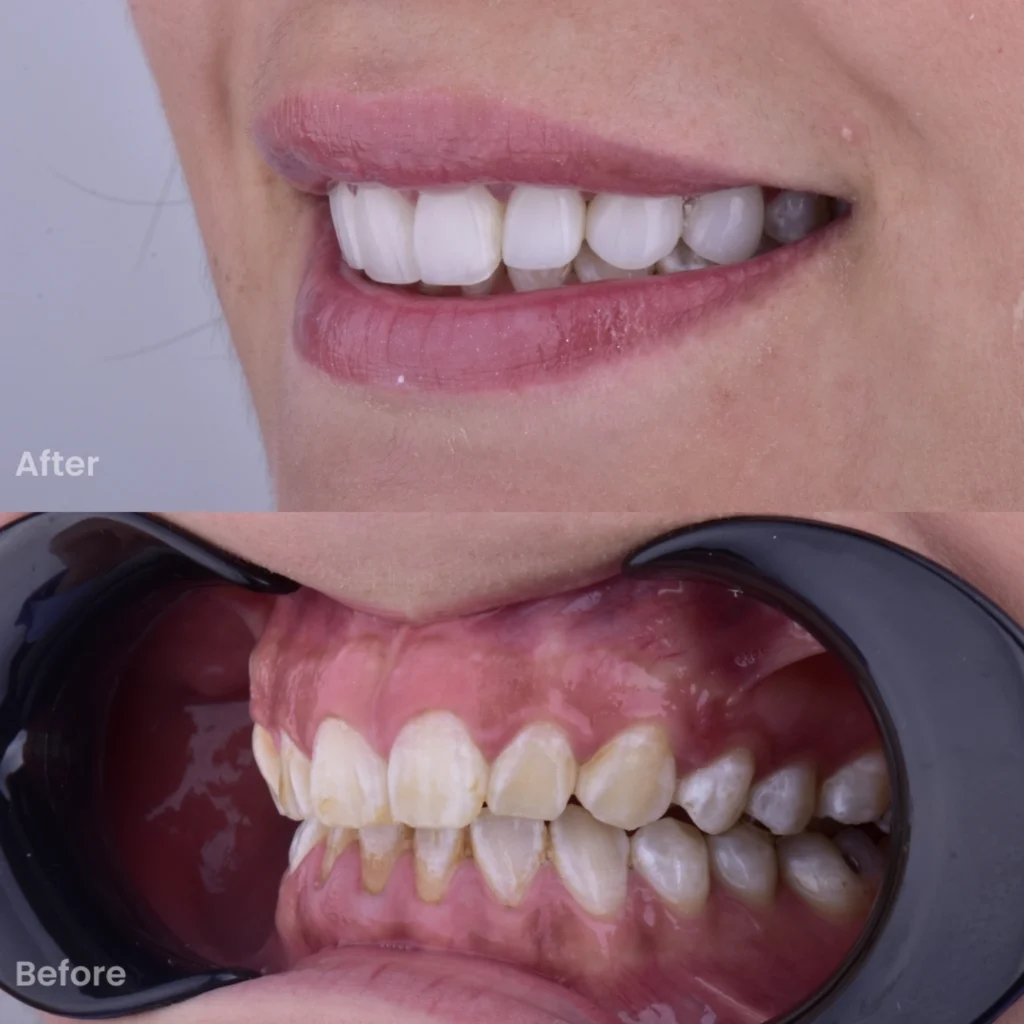
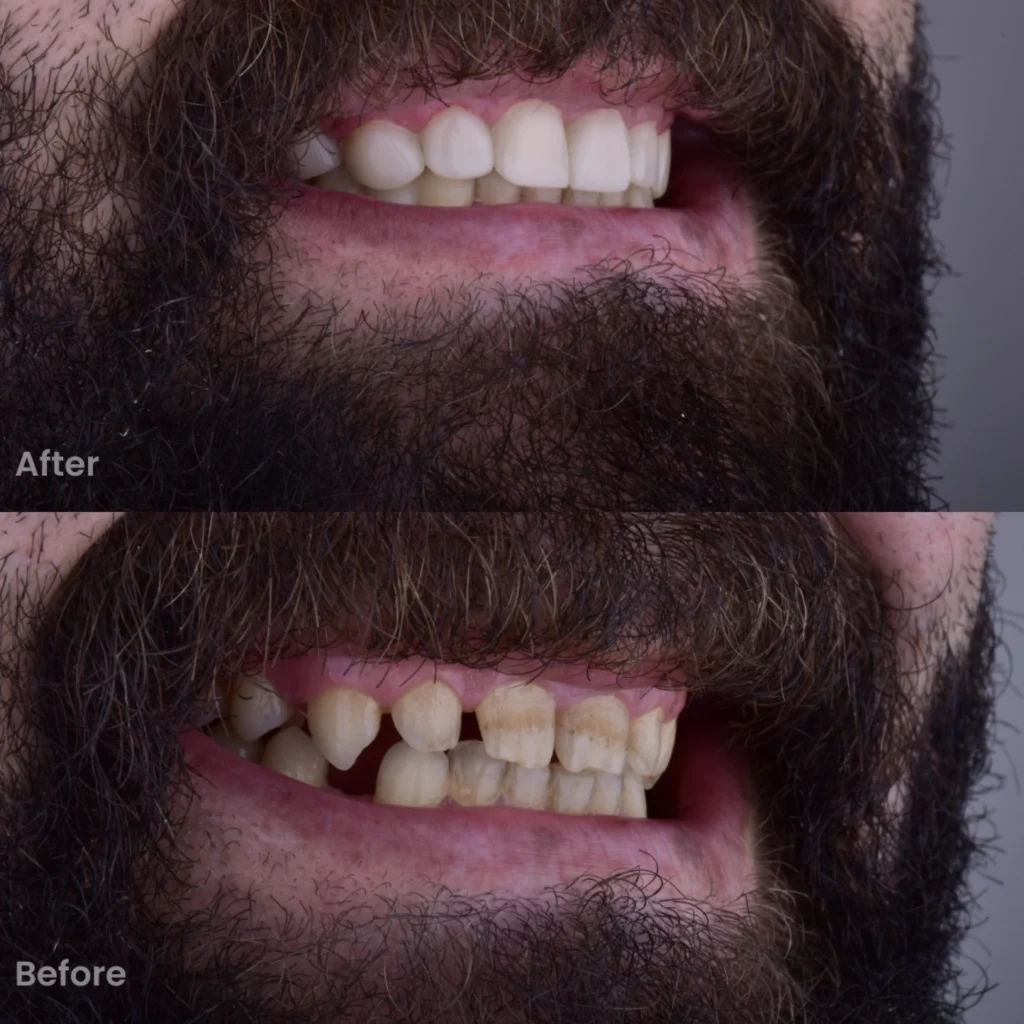
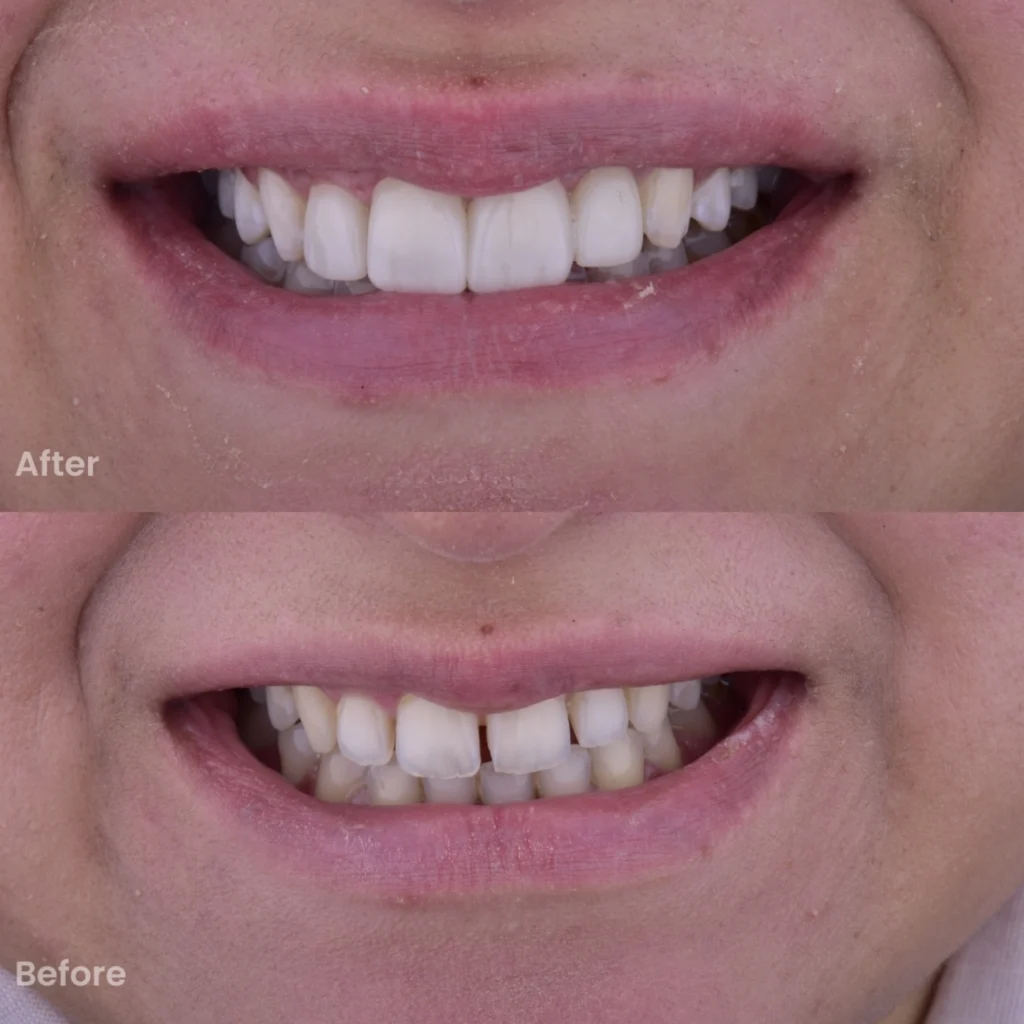
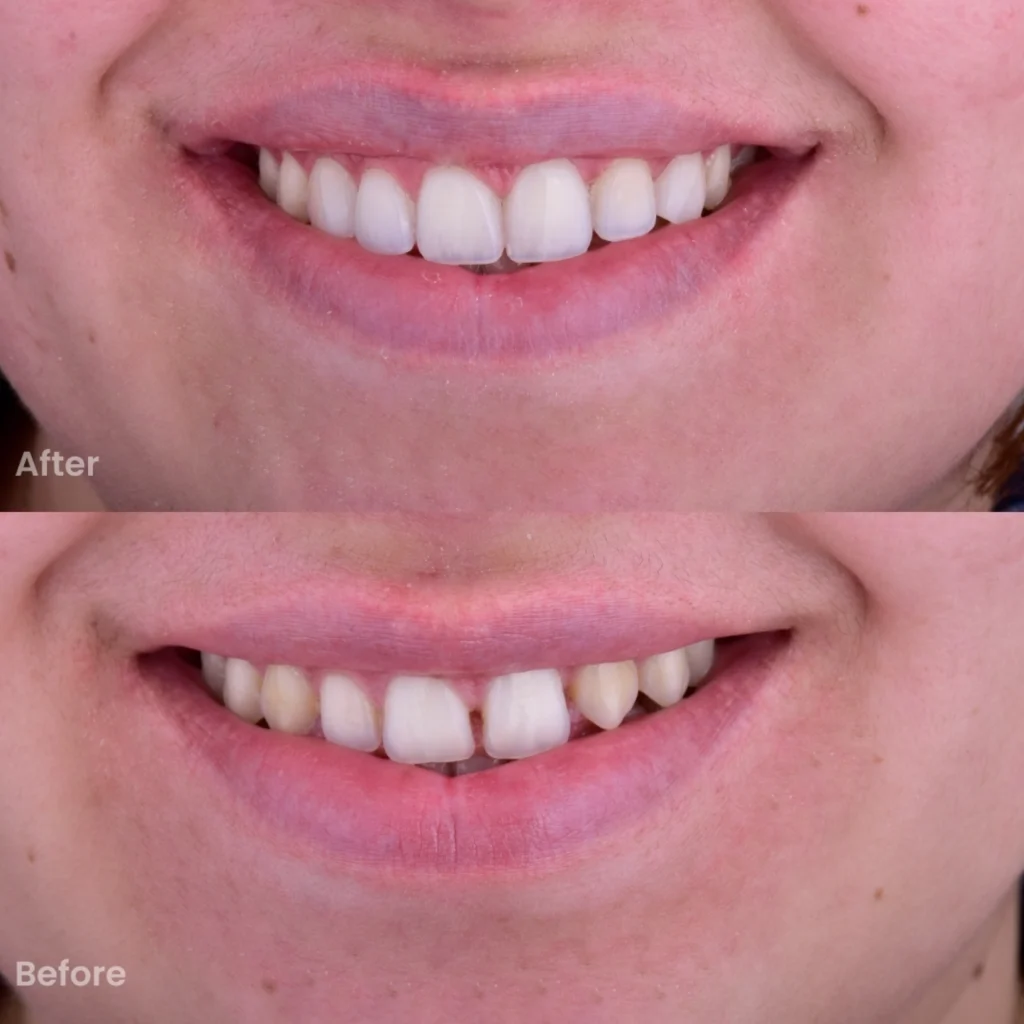
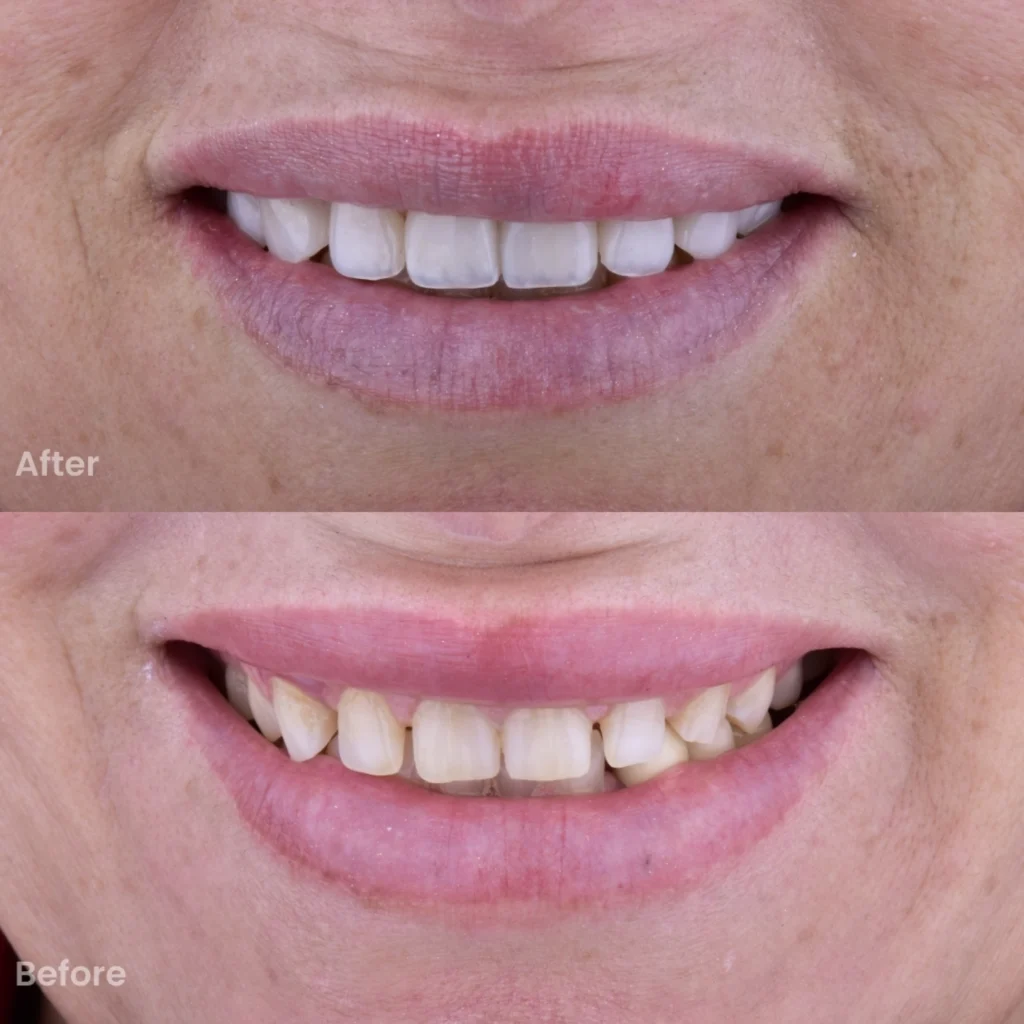
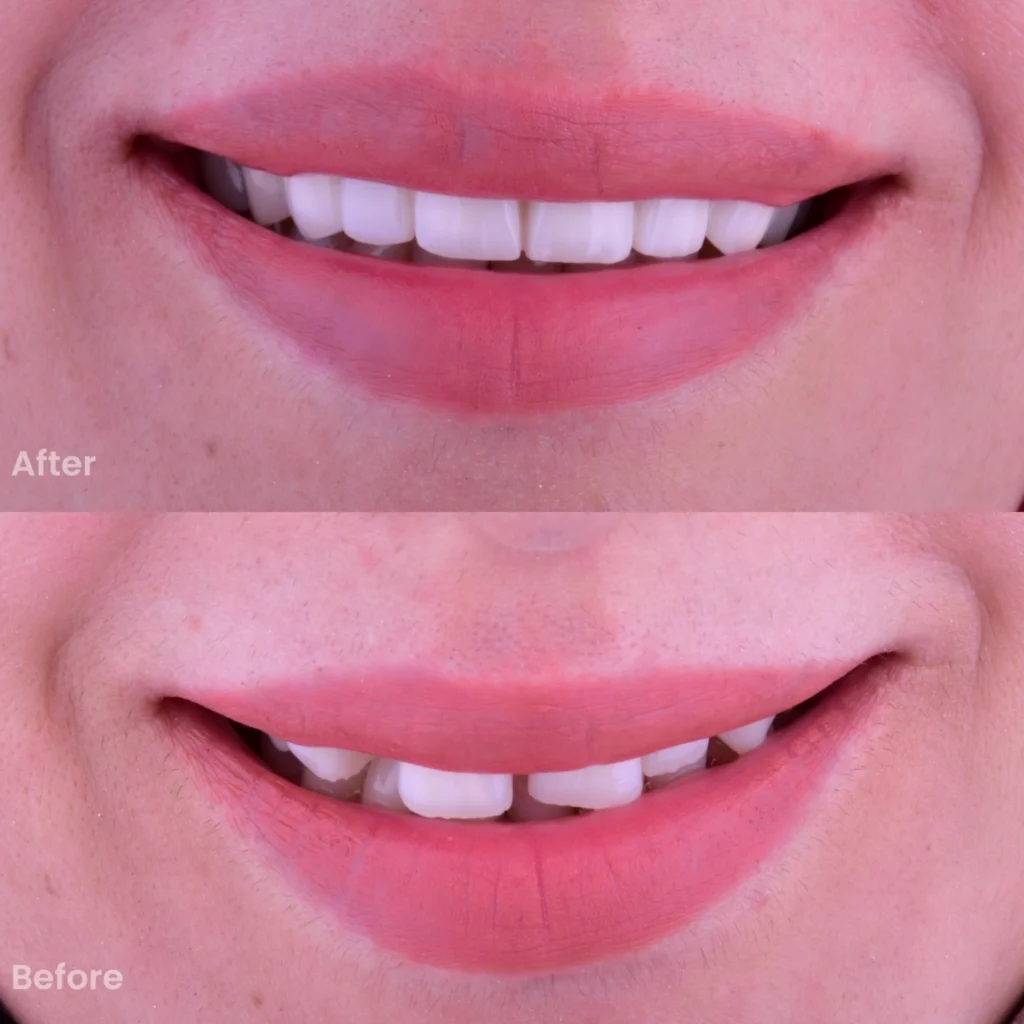
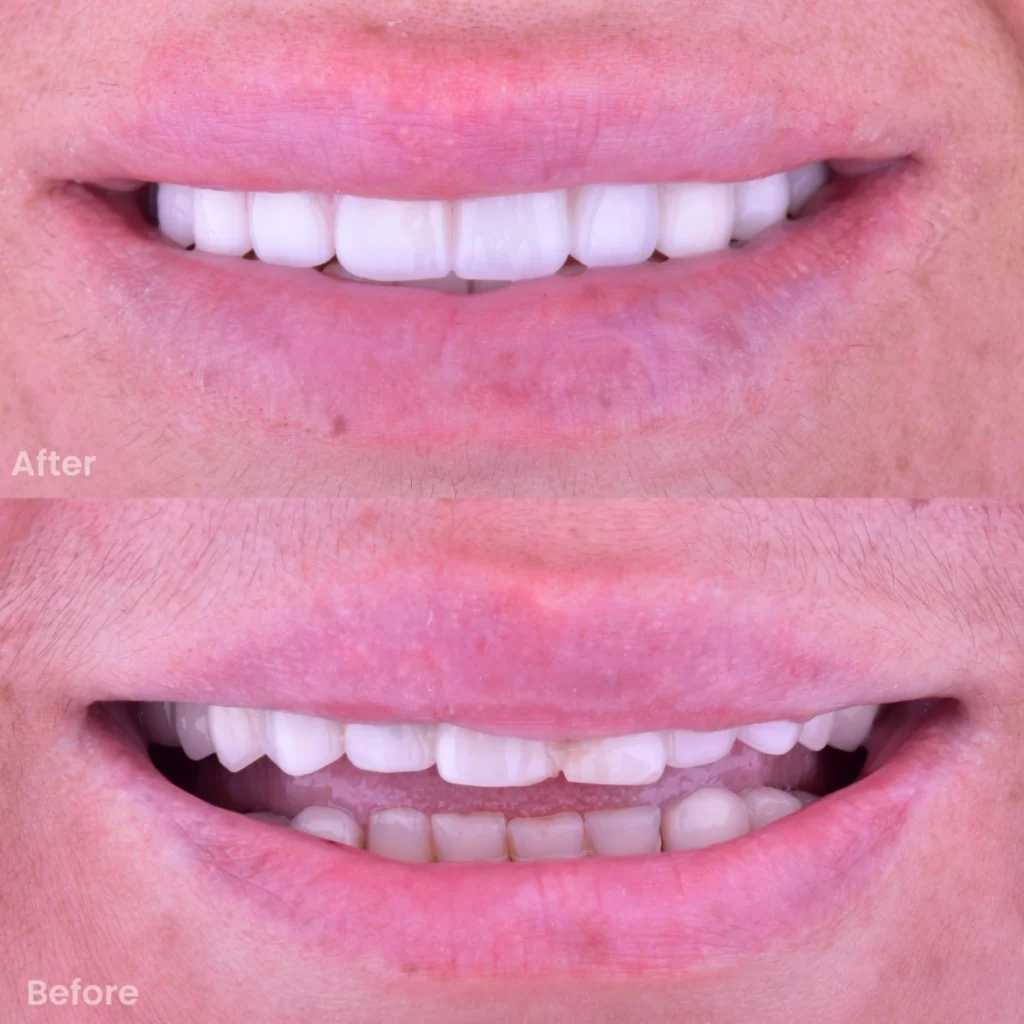
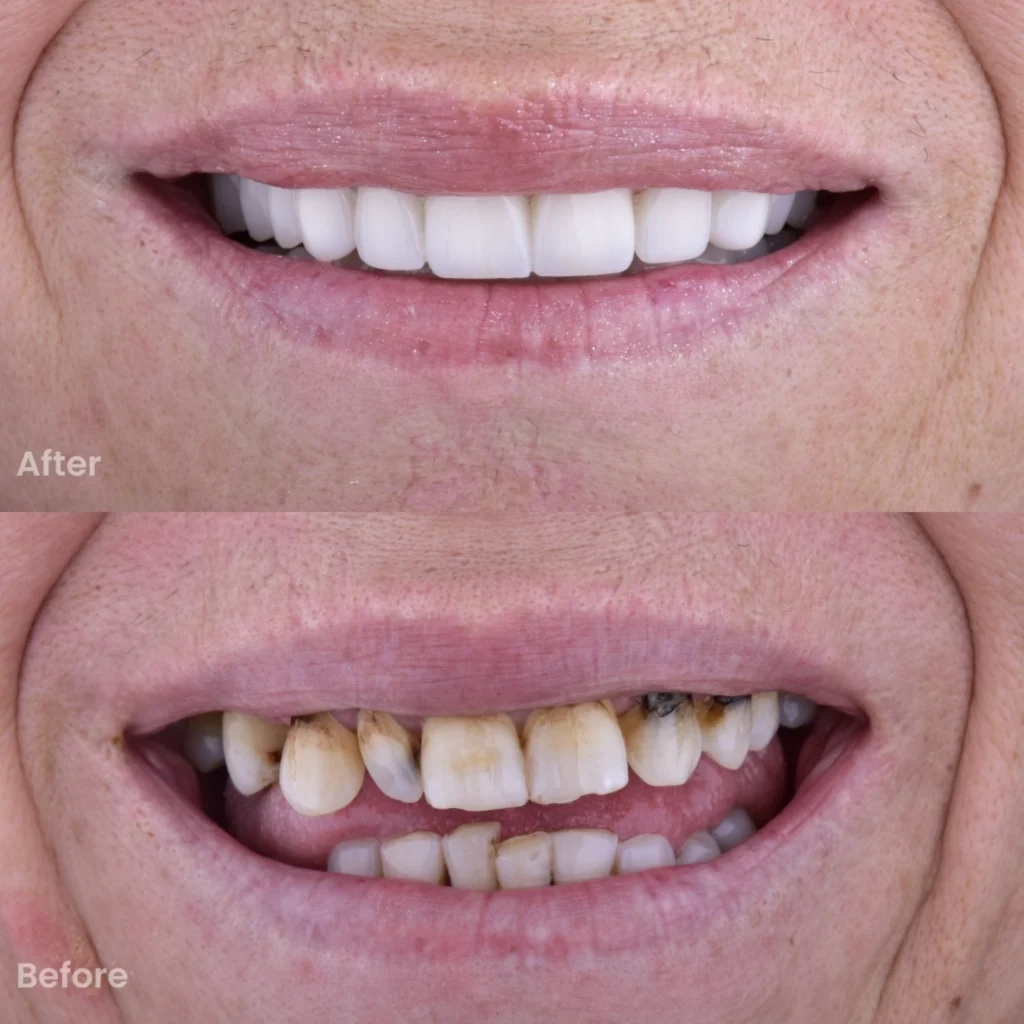
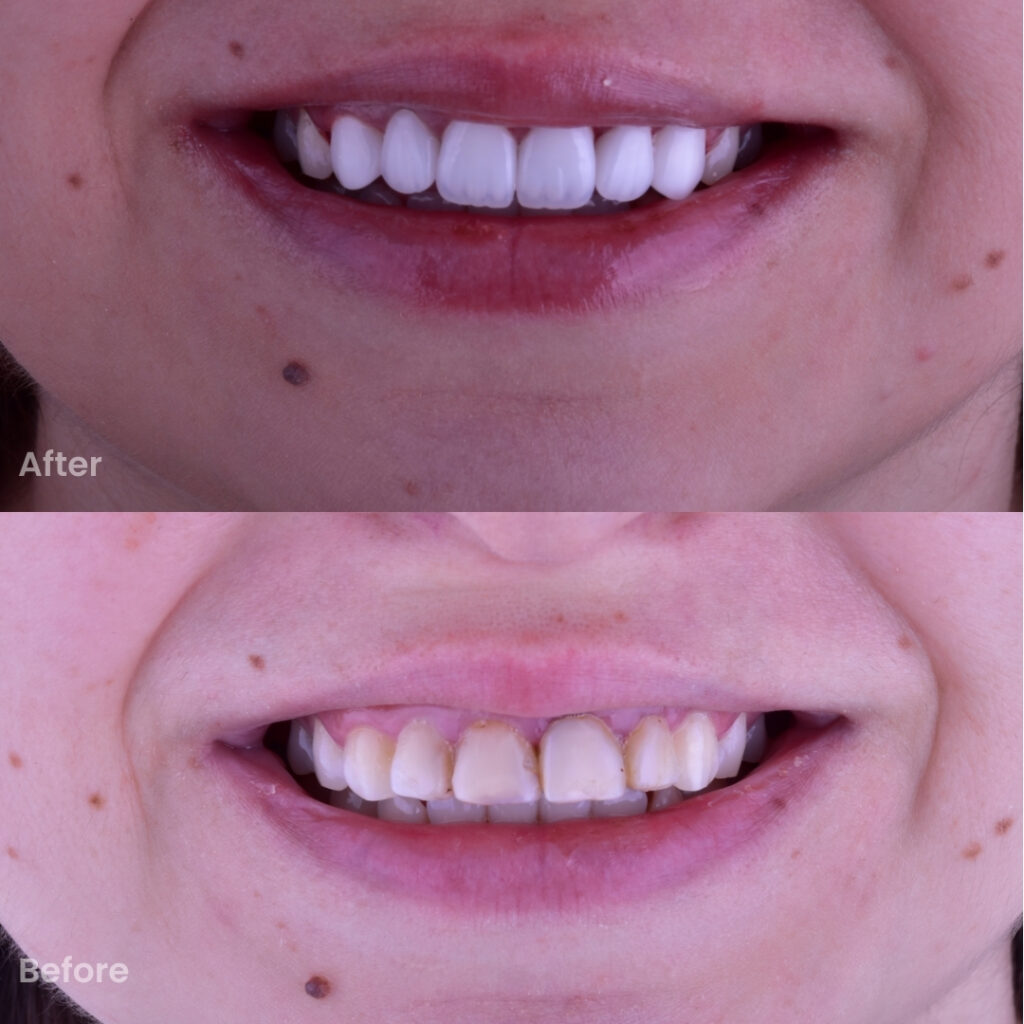
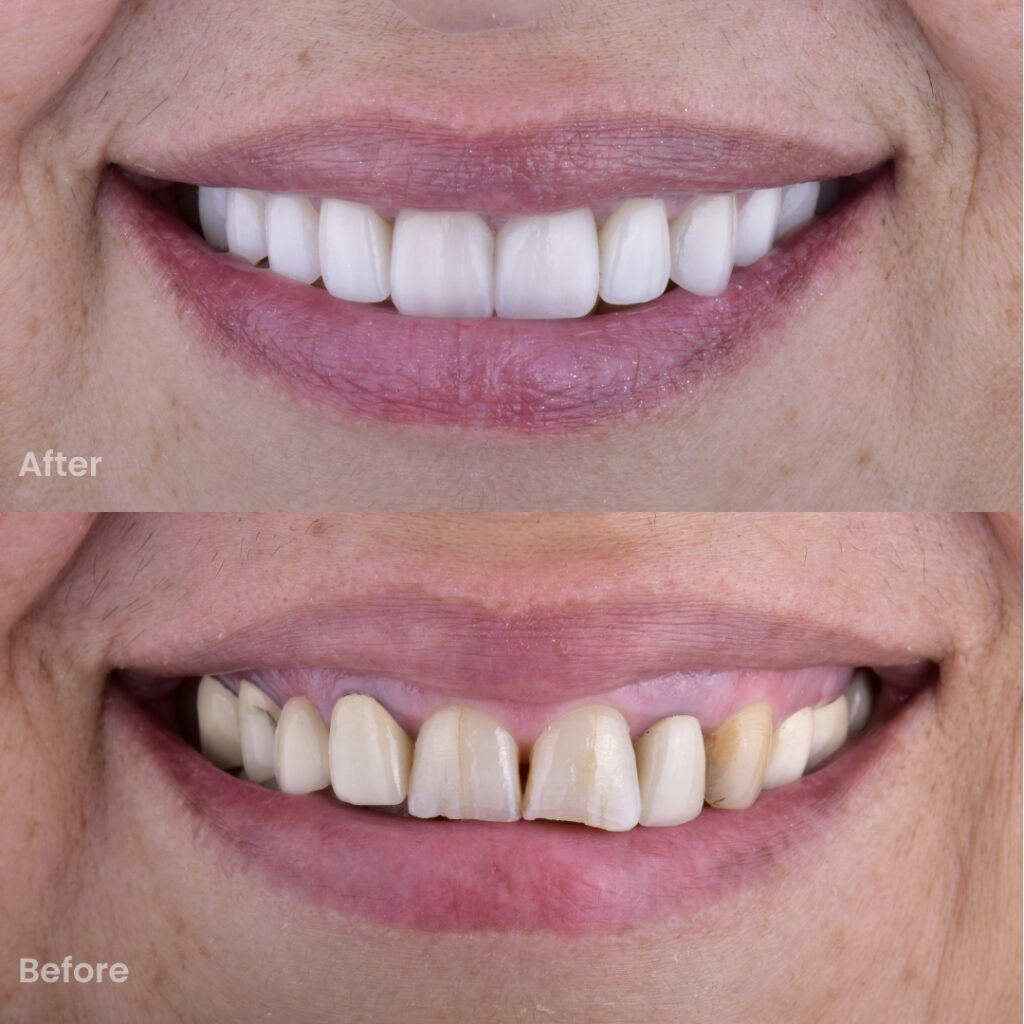
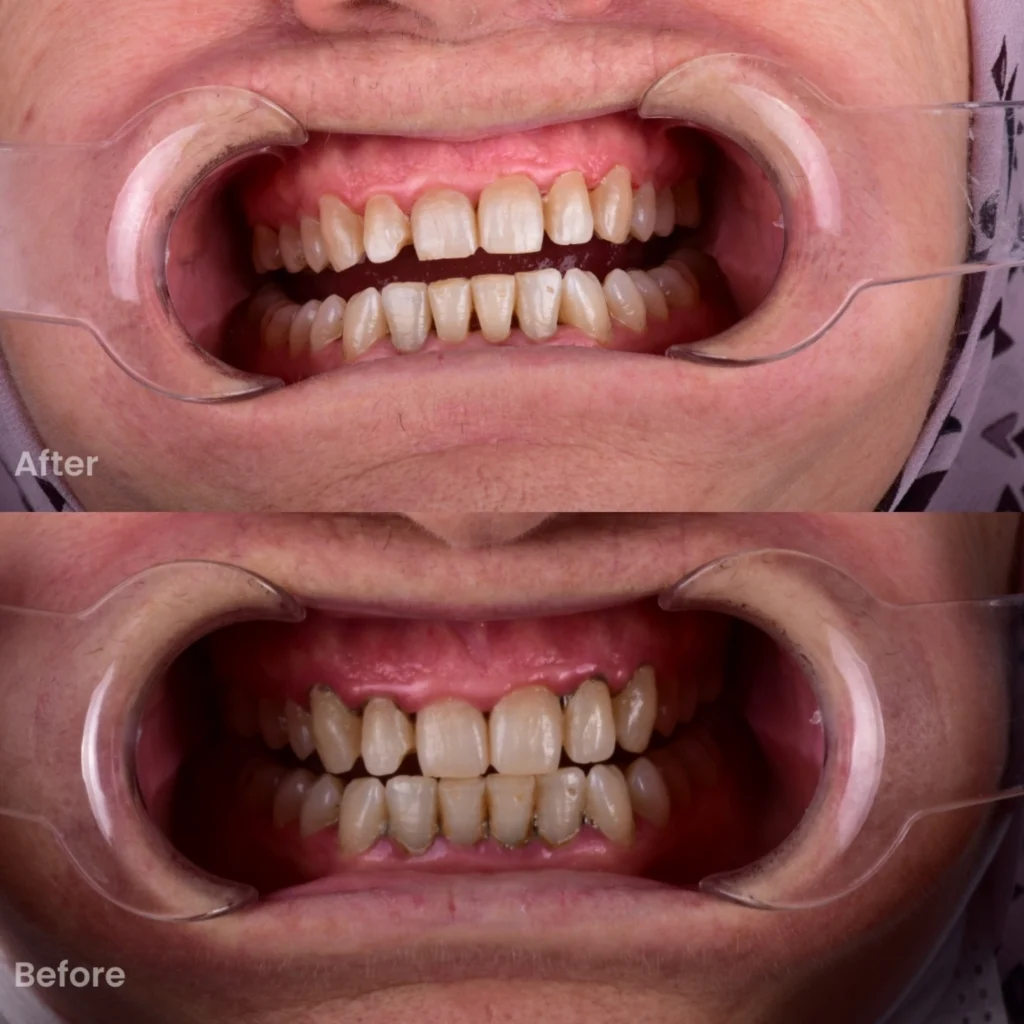
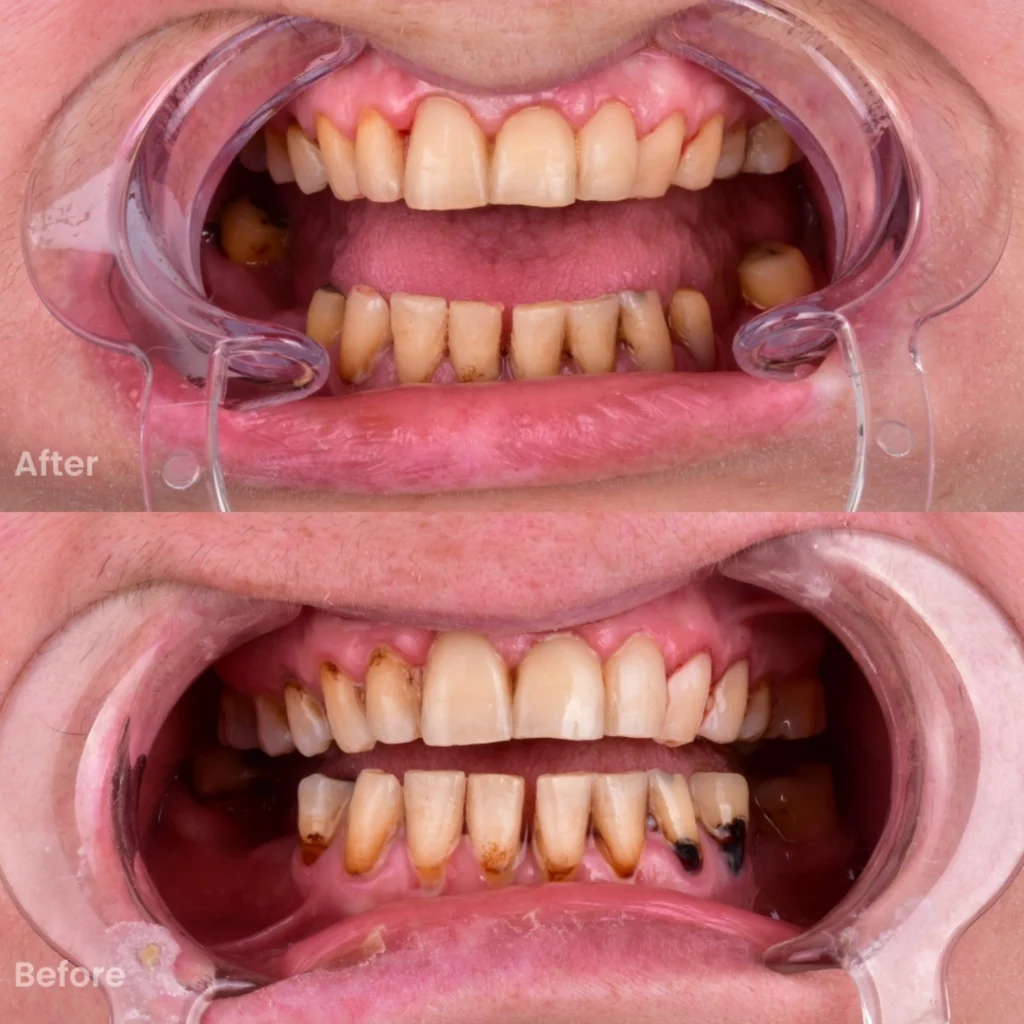
Tooth bonding, also referred to as dental bonding or composite bonding, is a procedure in which a resin-based composite material is applied to the tooth and then hardened using a specialized curing light. Once set, the material is shaped and polished to match the natural contours and color of the surrounding teeth.
The composite resin used in bonding is designed to mimic the appearance of natural enamel. It is available in various shades, allowing dental professionals to achieve a visually harmonious result that blends with the patient’s existing dentition.
Bonding can be applied to a single tooth or multiple teeth, depending on the clinical needs and treatment objectives.
Common Indications for Tooth Bonding
Tooth bonding may be considered in various clinical scenarios, including:
-
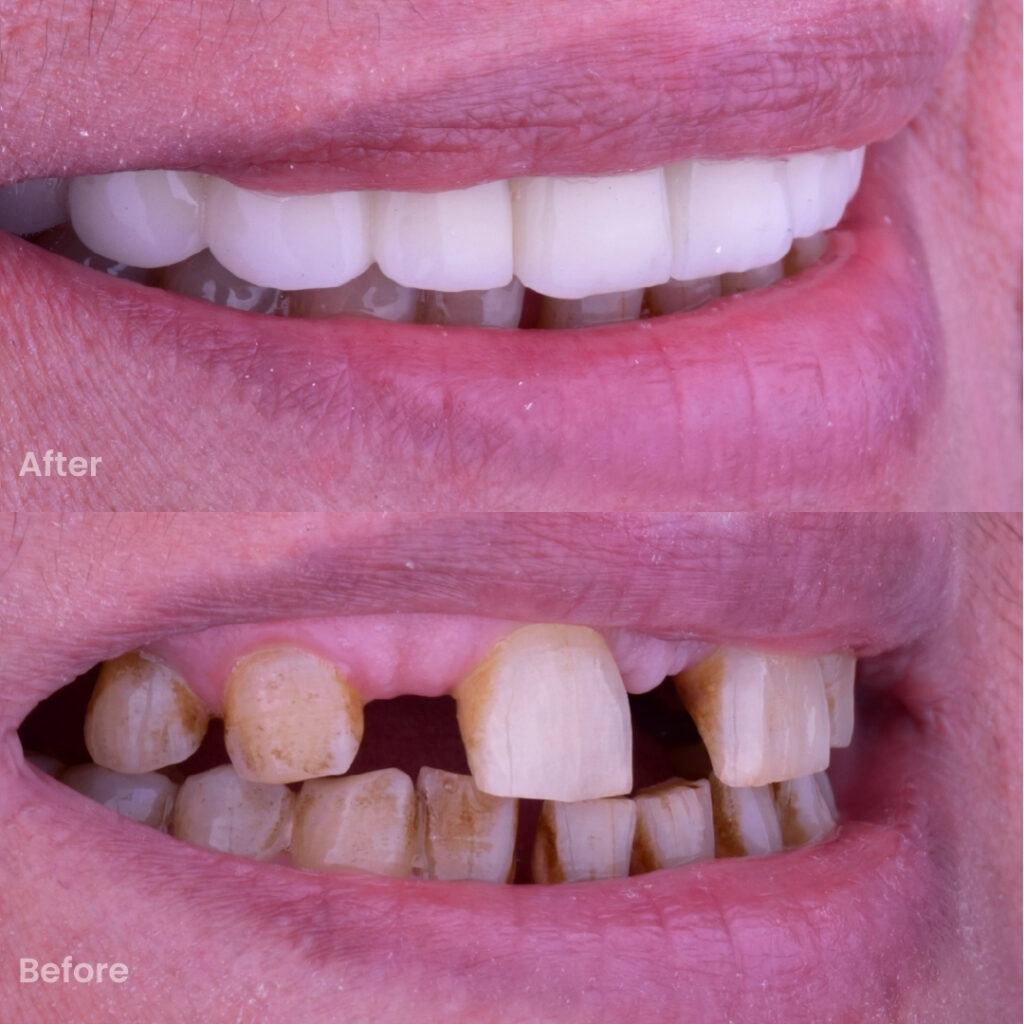
Minor chips or fractures in teeth
-
Small gaps between teeth
-
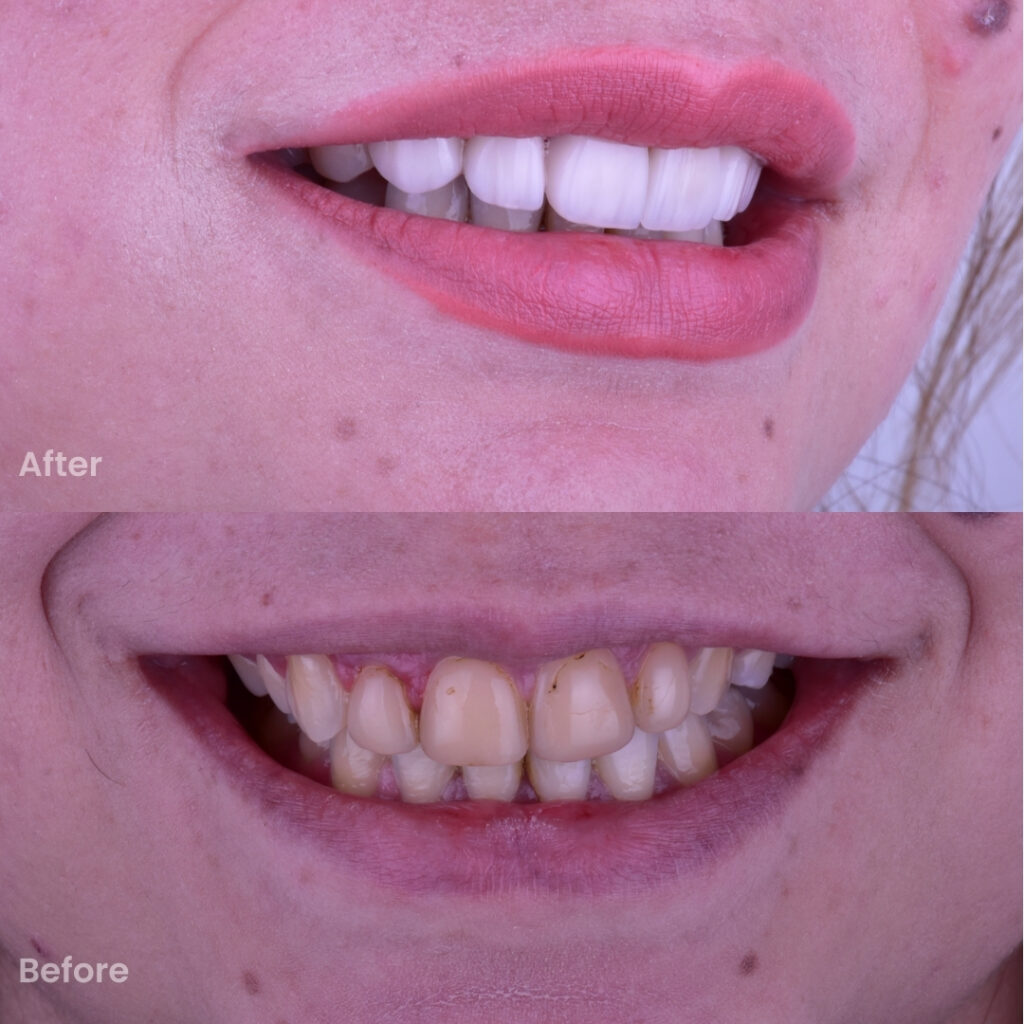
Mild discoloration that cannot be fully corrected with whitening
-
Irregular tooth shapes or uneven edges
-
Minor wear caused by grinding or erosion
-
Temporary restorative needs
It is important to note that bonding is not suitable for all dental conditions. A thorough clinical evaluation is required to determine whether this treatment aligns with the patient’s oral health status and long-term expectations.
How the Tooth Bonding Procedure Is Performed
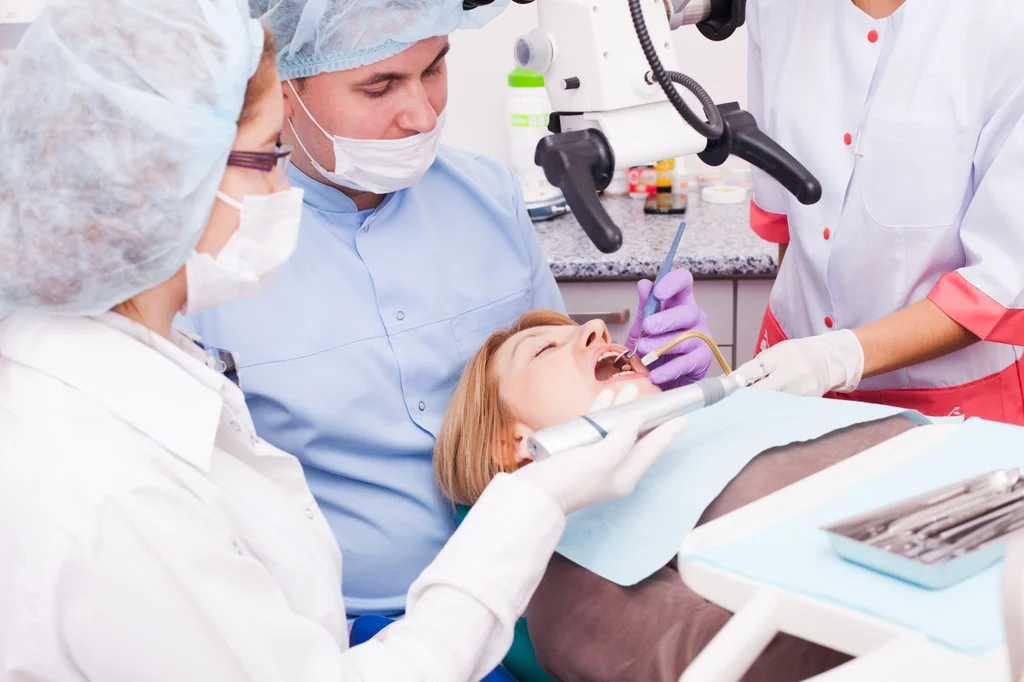
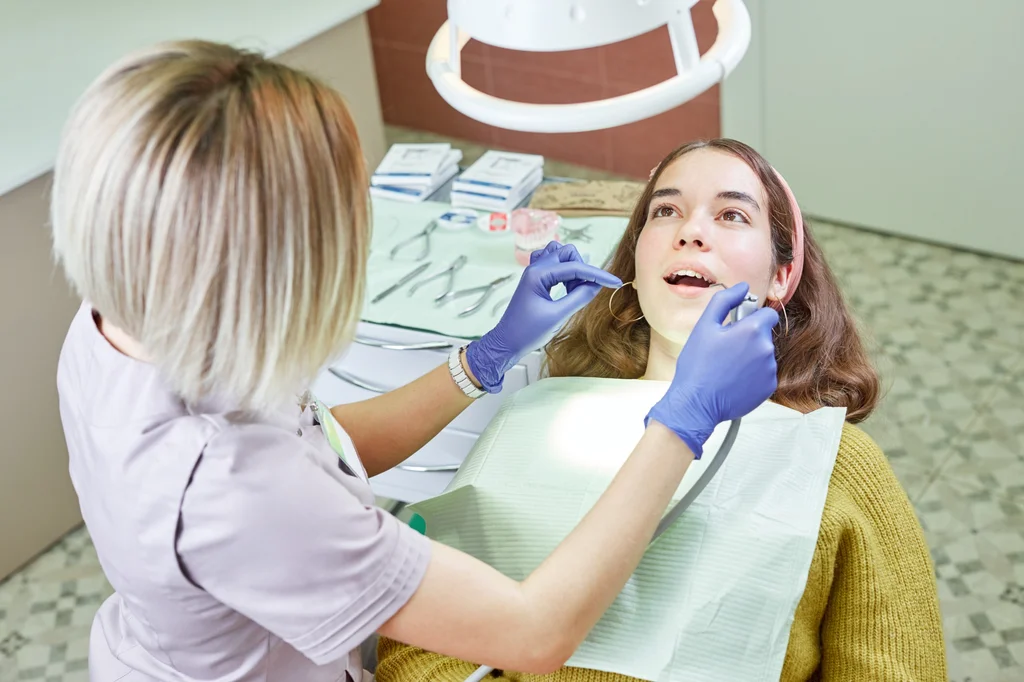
The tooth bonding procedure is generally carried out in a clinical environment and may be completed in a single appointment. The steps involved typically include:
1. Clinical Assessment and Planning
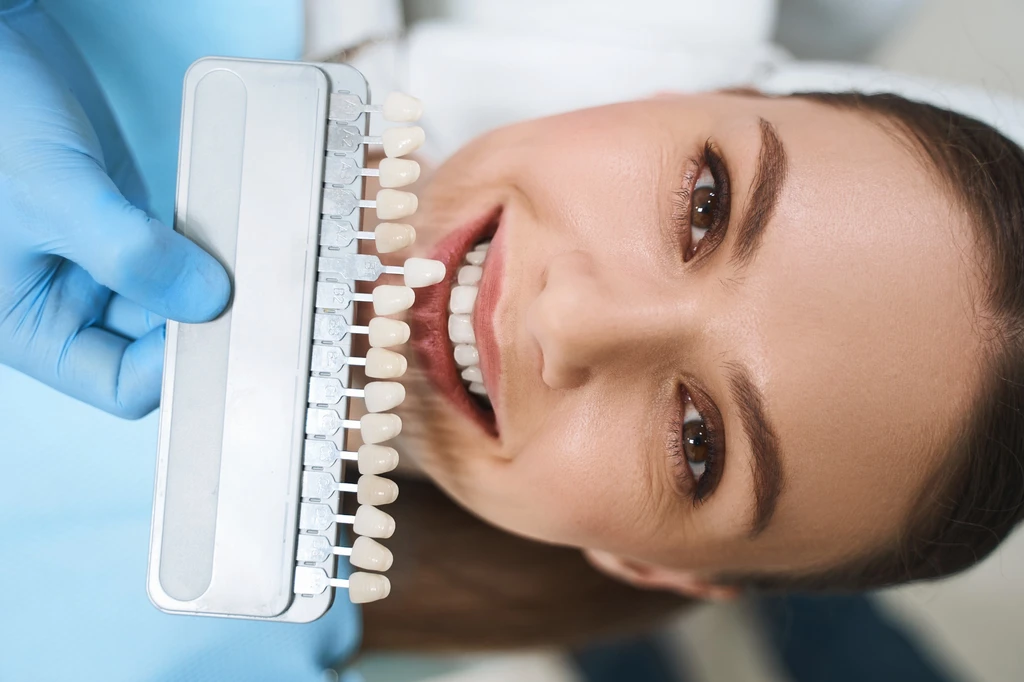
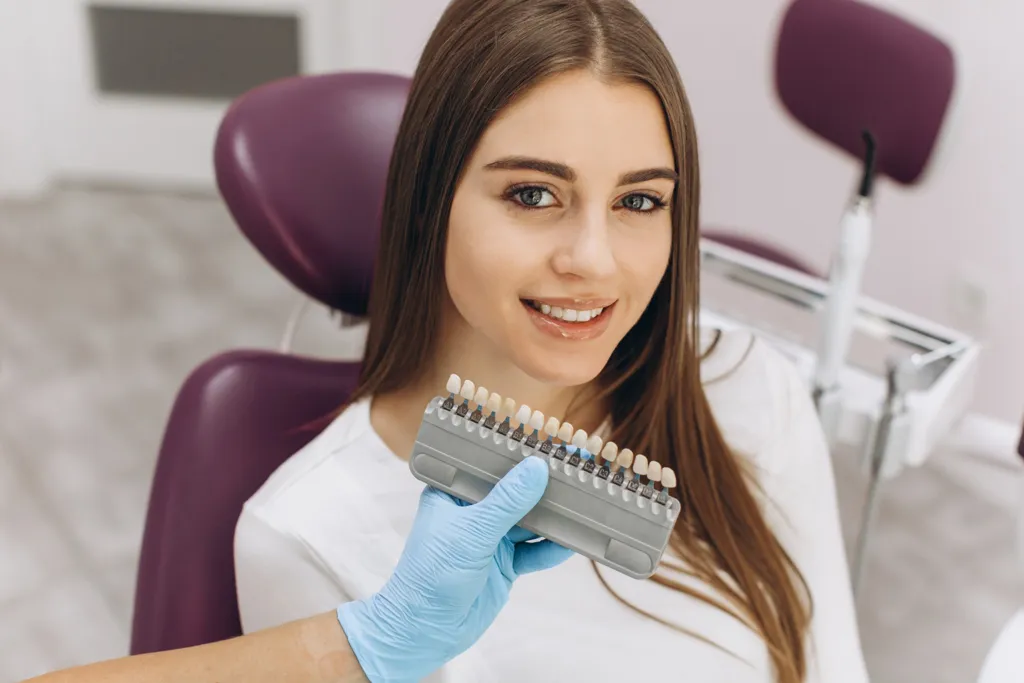
Before treatment, the tooth and surrounding structures are examined. Shade selection is performed to ensure the composite material closely matches the natural tooth color.
2. Tooth Surface Preparation
The tooth surface is gently prepared to enhance adhesion. This process is conservative and usually does not involve extensive enamel removal.
3. Application of Composite Resin
The composite resin is applied in layers and carefully molded to achieve the desired shape and contour.
4. Light Curing
A curing light is used to harden the material. This step ensures that the composite becomes stable and firmly bonded to the tooth surface.
5. Final Shaping and Polishing
Once the resin is fully set, the bonded area is refined and polished to create a smooth and natural finish.
The exact protocol may vary based on the clinical situation and professional judgment.
Aesthetic Contribution of Tooth Bonding
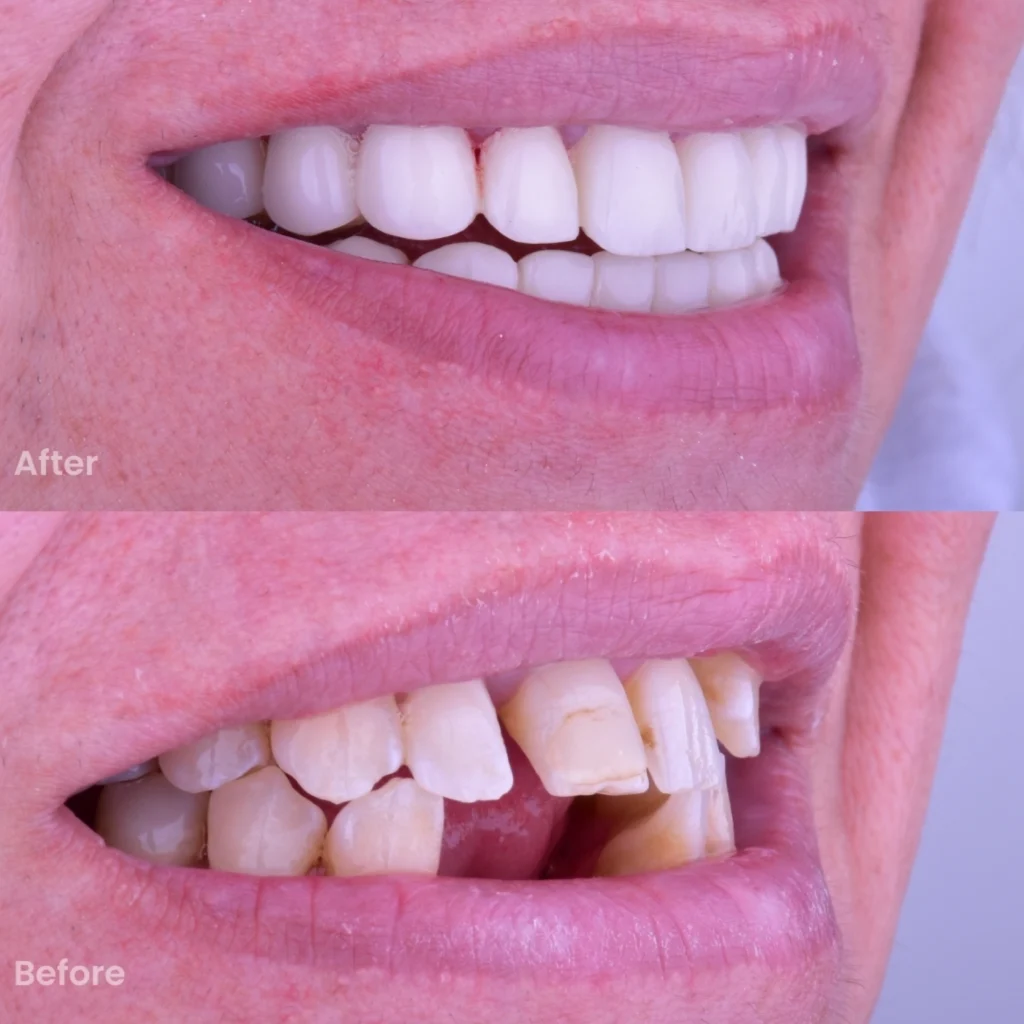
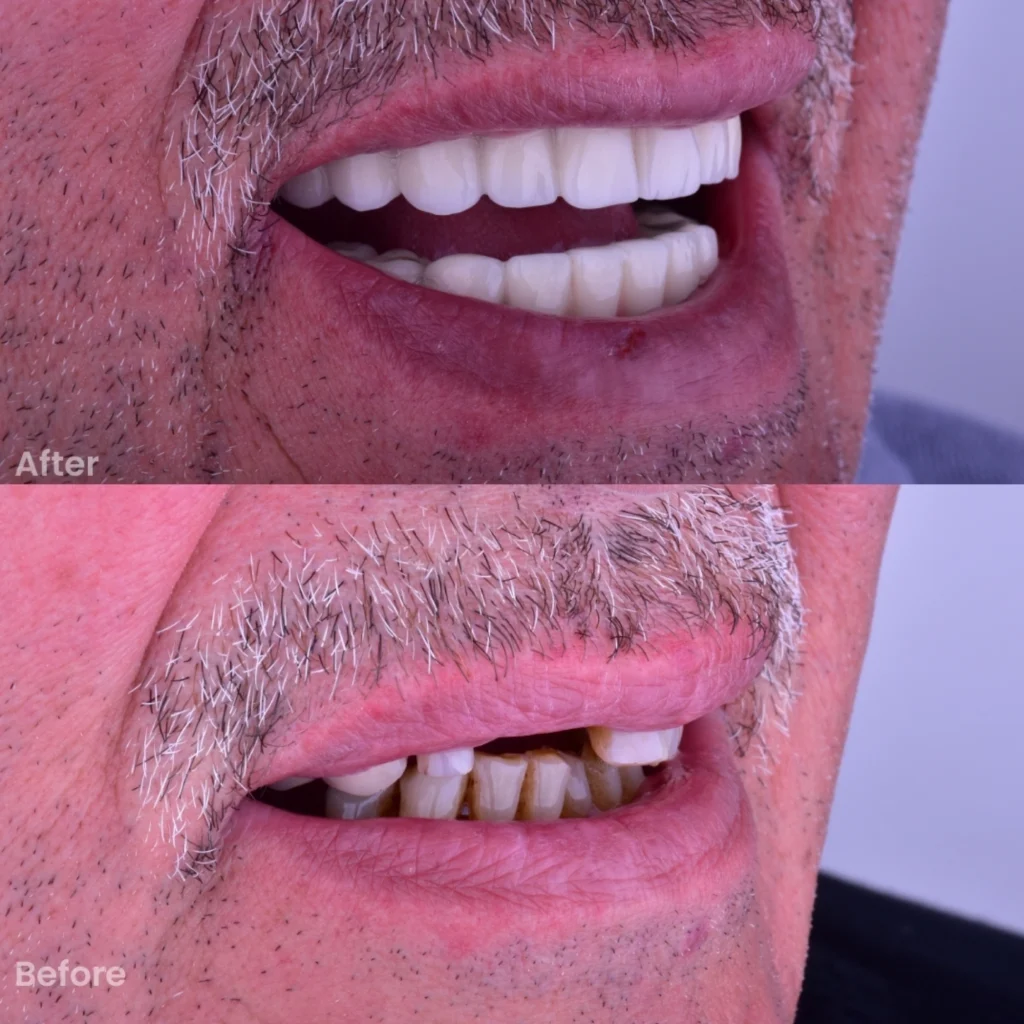
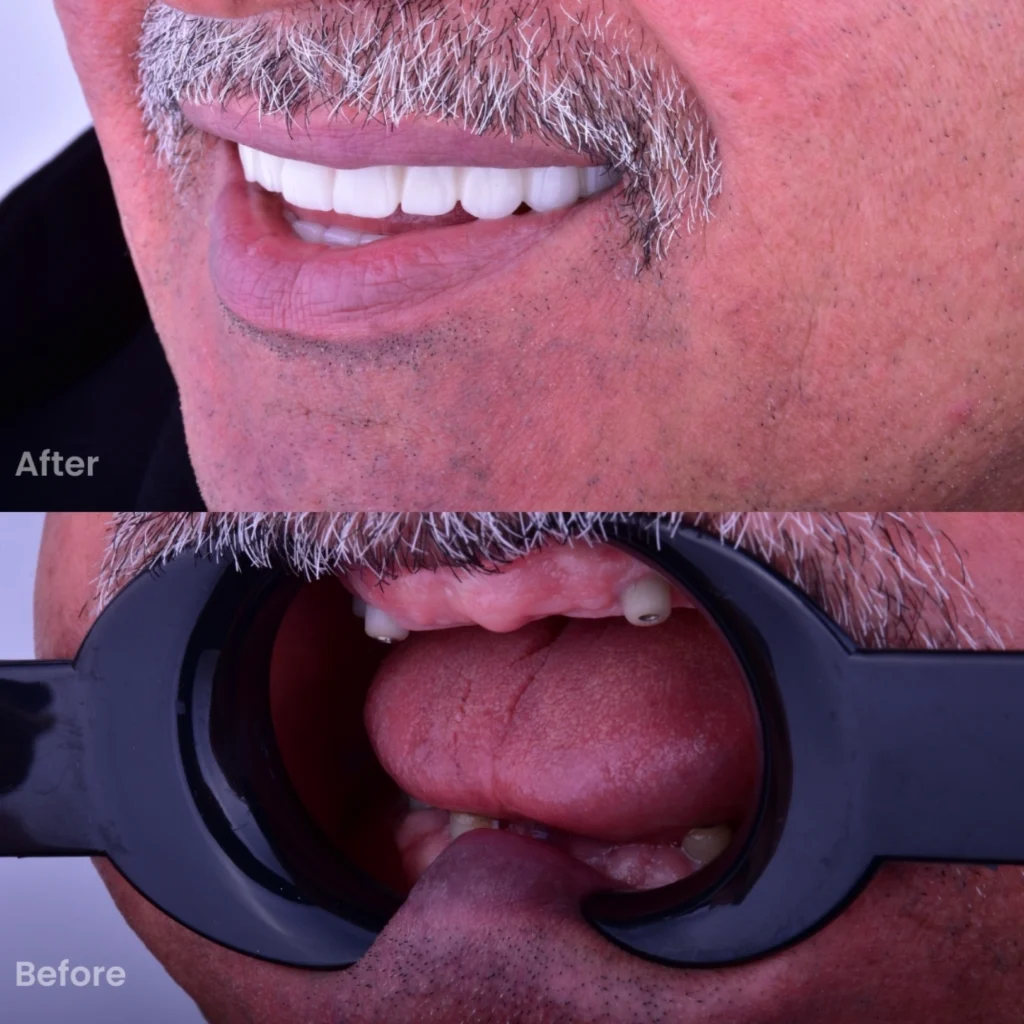
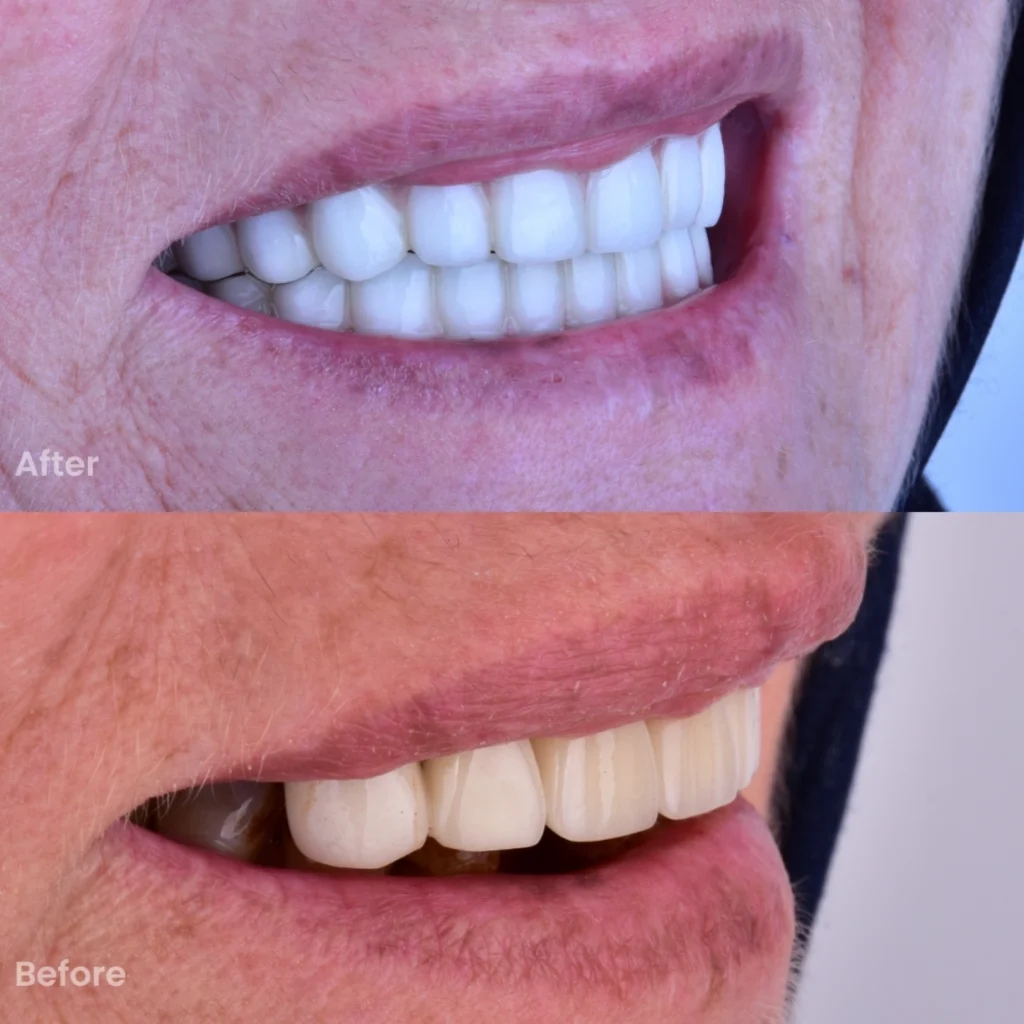
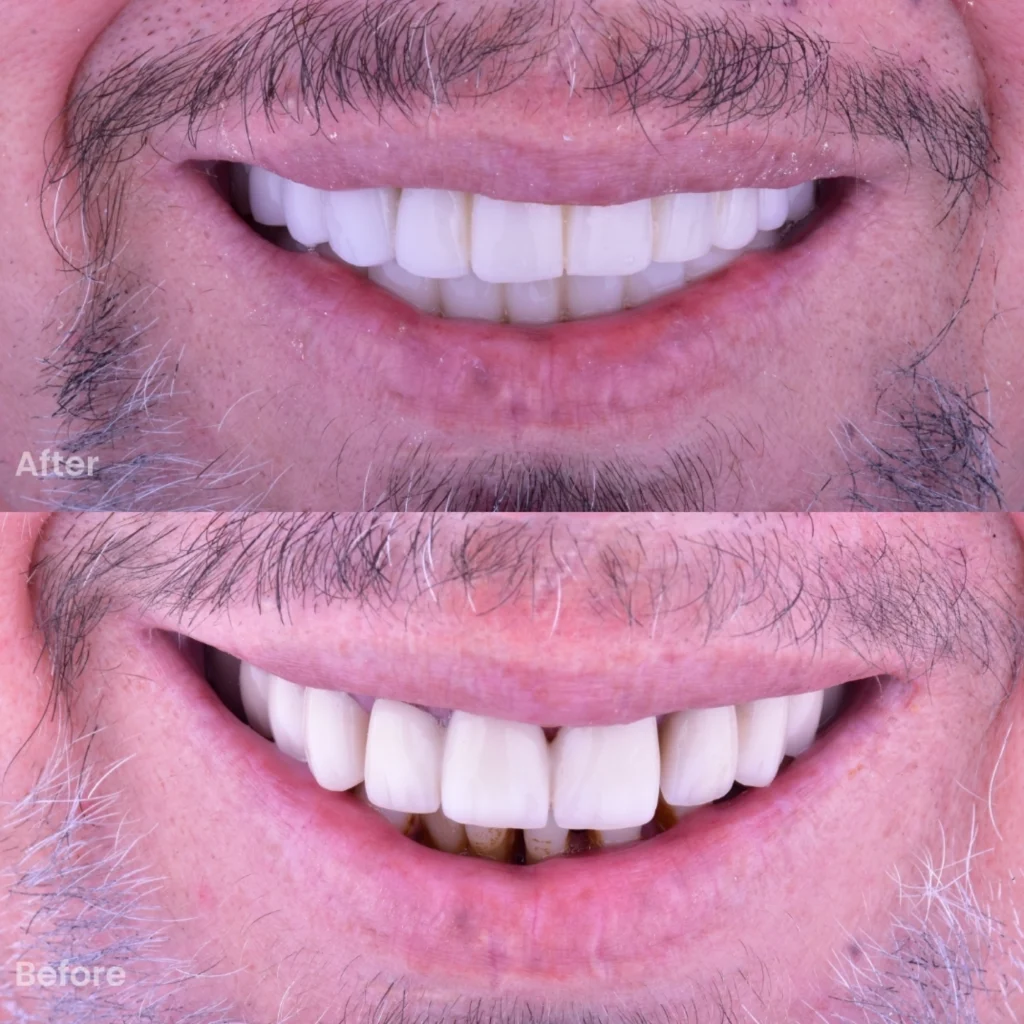
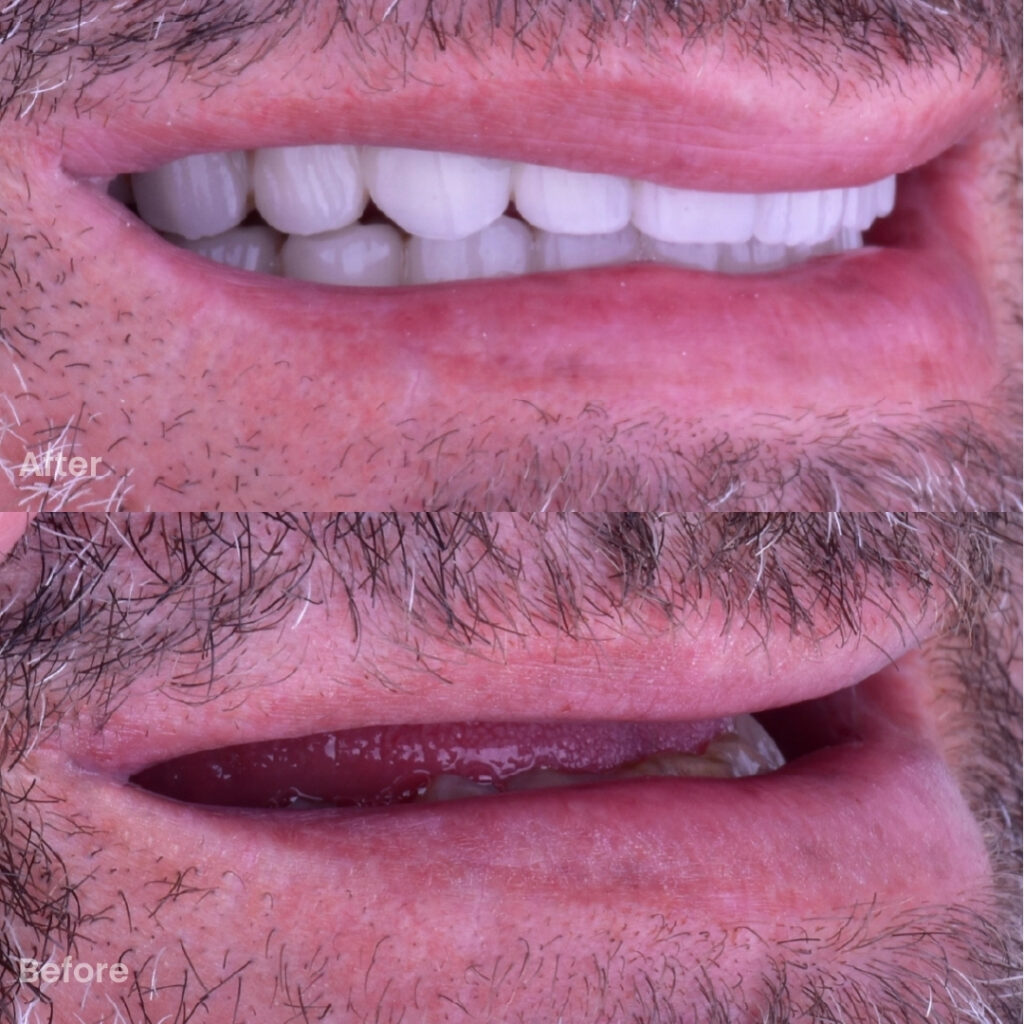
From an aesthetic perspective, tooth bonding is often used to create subtle yet noticeable improvements. The procedure allows for precise adjustments to tooth shape, length, and surface texture.
Because the material is applied directly to the tooth, the outcome can be tailored to match individual facial and dental characteristics. When planned appropriately, bonding may contribute to a balanced and natural-looking smile.
Functional Considerations
Beyond aesthetics, tooth bonding can also serve functional purposes. It may help restore tooth integrity in cases of minor structural damage and contribute to proper contact between teeth.
However, bonding materials differ from natural enamel in terms of strength and wear resistance. Functional demands such as bite force, grinding habits, and chewing patterns must be taken into account during treatment planning.
Durability and Longevity of Tooth Bonding
The lifespan of dental bonding can vary depending on several factors, including:
-
Oral hygiene habits
-
Dietary choices
-
Tooth location
-
Bite forces
-
Individual usage patterns
With appropriate care, bonded teeth can remain functional and aesthetically acceptable for several years. Regular dental examinations play an important role in monitoring the condition of bonded restorations.
Daily Life After Tooth Bonding
After the bonding procedure, patients typically resume normal daily activities. Maintaining oral hygiene through regular brushing and flossing is essential.
Certain habits, such as biting hard objects or using teeth as tools, may increase the risk of wear or damage to bonded areas. Professional guidance is important to ensure long-term maintenance.
Tooth Bonding Compared to Other Aesthetic Treatments
Tooth bonding is often compared with other restorative or cosmetic procedures, such as veneers or crowns. While each treatment has its own indications, bonding is generally considered less invasive.
Unlike indirect restorations, bonding does not require laboratory fabrication and is applied directly in the clinic. However, it may not be suitable for extensive restorations or cases requiring high durability.
Clinical Safety and Professional Standards
Tooth bonding is a well-established dental procedure performed by licensed dental professionals in clinical environments. Dental treatments are planned and carried out in accordance with current medical standards, ethical principles, and infection control protocols.
All procedures are conducted following applicable healthcare regulations, with patient safety and informed decision-making as core priorities. Treatment suitability is determined through professional clinical evaluation.
Considerations for International Patients
For individuals seeking dental care while traveling, tooth bonding may be evaluated as part of a broader treatment plan. Timing, follow-up needs, and overall oral health status are considered during planning.
As with all dental procedures, personalized consultation is essential to determine whether bonding aligns with the patient’s needs and expectations.
Limitations of Tooth Bonding
While bonding offers several advantages, it also has limitations. The composite material may be more susceptible to wear and staining over time compared to other restorative options.
Understanding these limitations is important when setting realistic expectations for treatment outcomes.
The Importance of Professional Evaluation
Each patient’s dental condition is unique. Tooth bonding should always be evaluated within the context of overall oral health, functional requirements, and aesthetic goals.
Professional assessment ensures that the chosen treatment supports both short-term outcomes and long-term oral health.
Informational Disclaimer
This content is provided for general informational purposes only.
It does not replace professional dental consultation, diagnosis, or treatment planning.
Dental procedures and outcomes may vary depending on individual conditions and professional evaluation.
If you want to get implant treatment in Turkey, find out more. Click here!
Click here to contact us.
Click here for information about our treatments.
Get information about composite laminate treatment.
Get information about E-max treatment.
If you are considering zirconium treatment in Turkey, click here.
What standards do dental clinics in Turkey operate under? Click to read the blog.
What Should You Consider When Planning Dental Treatment in Turkey from Abroad?
Planning Dental Treatment in Turkey: A Step-by-Step Guide for International Patients