+90 553 315 19 85
Dental implant treatment is widely regarded as one of the most advanced and reliable solutions for missing teeth. This restorative procedure, also known as implant-based dental restoration, has helped millions of patients regain function, comfort, and confidence. However, some patients search online for dental implant pain years later, raising important questions about long-term implant health.
At Dental Clinic Turkey, we frequently receive questions from international patients about late-onset discomfort following implant therapy. This comprehensive guide explains the possible reasons for dental implant pain years later, what patients should know, and how long-term implant success is maintained with proper care.
This article is written for international patients considering or who have already undergone dental treatment in Turkey, including those researching Kayseri dental treatment options.
Understanding Dental Implant Treatment and Long-Term Expectations
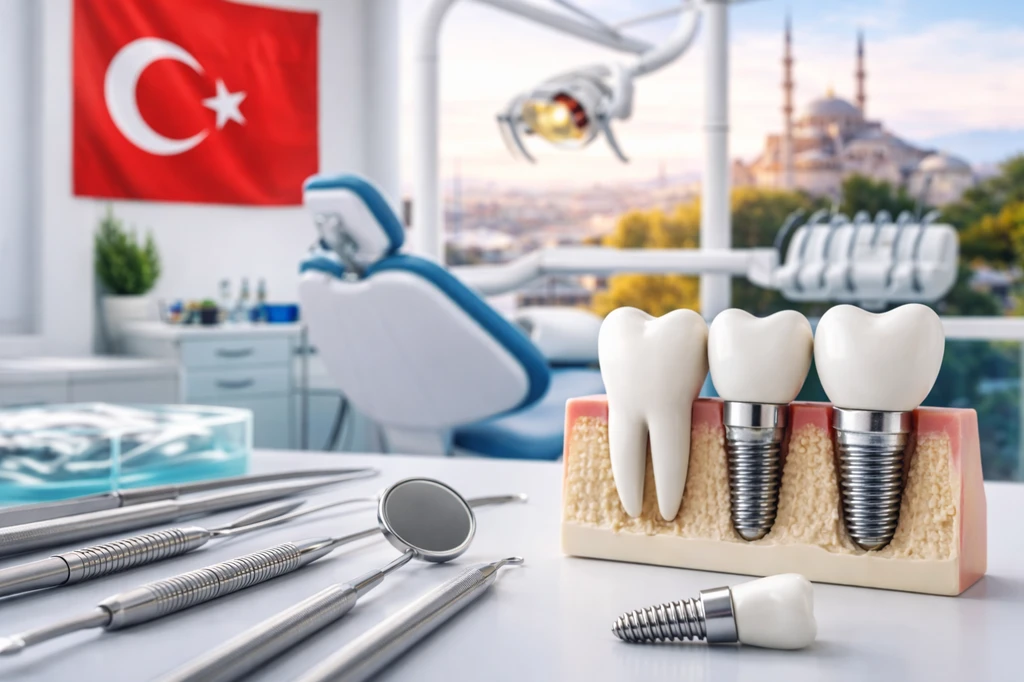
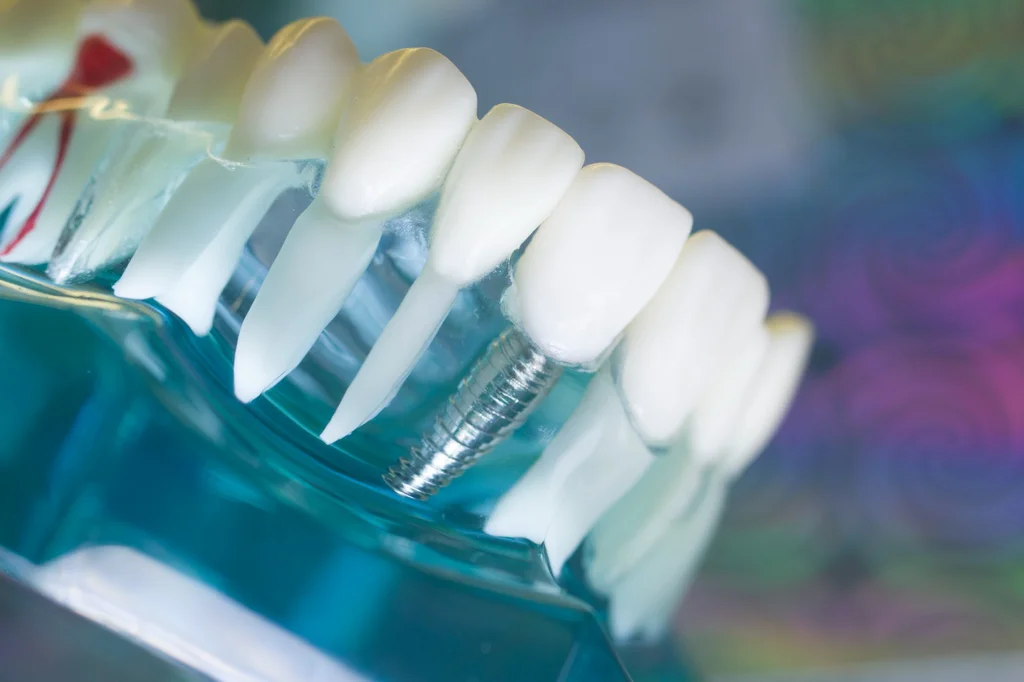
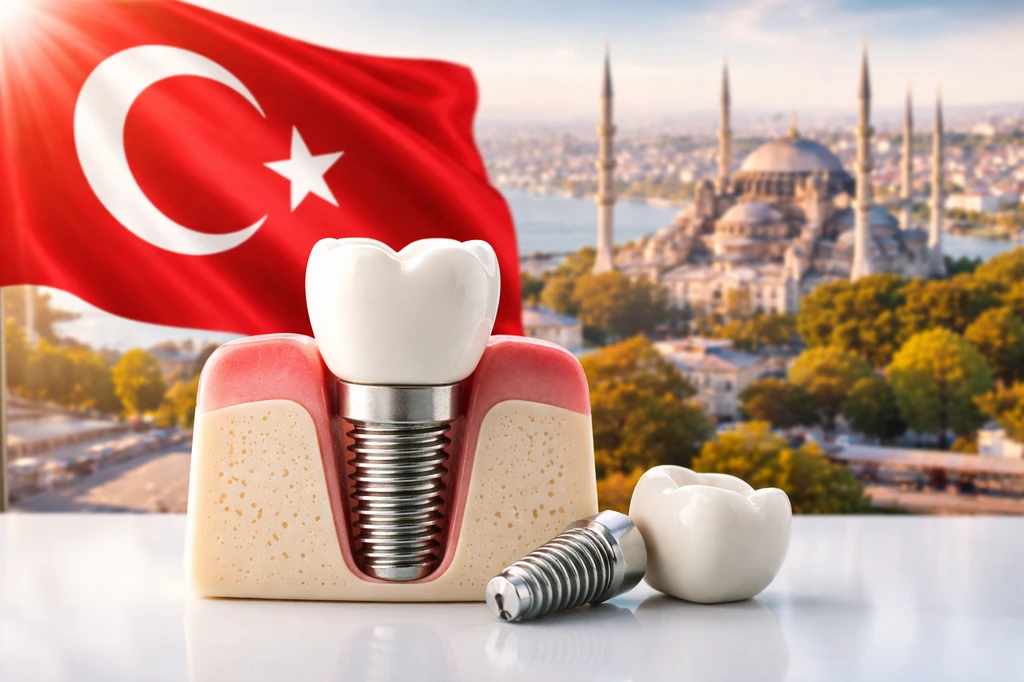
A dental implant is a titanium post placed into the jawbone to replace the root of a missing tooth. Over time, the implant integrates with the bone through a biological process known as osseointegration. This process forms the foundation of long-term stability in implant therapy.
Most patients experience minimal discomfort after healing. For this reason, searches like “dental implant pain years later” often create concern. While implants are designed for durability, discomfort appearing long after treatment may have underlying causes that deserve professional evaluation.
Is Dental Implant Pain Years Later Normal?
Dental implant pain years later is not considered typical, but it is not impossible. In most cases, implants remain stable and pain-free for decades. However, when discomfort develops long after placement, it usually indicates a secondary factor rather than implant failure itself.
Late-stage discomfort does not always mean the implant has failed. Instead, it often signals changes in surrounding tissues, bite dynamics, or oral health habits.
Possible Reasons for Dental Implant Pain Years Later
Understanding the possible causes helps patients make informed decisions and reduces unnecessary anxiety.
1. Peri-Implantitis
One of the most common causes associated with dental implant pain years later is peri-implantitis. This condition involves inflammation of the gum and bone surrounding the implant.
Peri-implantitis may develop due to:
-
Inadequate oral hygiene
-
Bacterial plaque accumulation
-
Irregular professional dental check-ups
-
Smoking or systemic health factors
When untreated, inflammation can progress and affect implant stability.
2. Bone Loss Around the Implant
Although implants integrate with the jawbone, bone loss can occur years later due to changes in oral health or biological factors. Bone loss may lead to sensitivity, discomfort, or pressure-related pain.
Bone changes can be influenced by:
-
Aging
-
Gum disease
-
Bruxism (teeth grinding)
-
Systemic conditions affecting bone density
3. Bite Misalignment and Occlusal Stress
Over time, natural teeth may shift, restorations may wear down, or bite dynamics may change. These changes can create excessive pressure on the implant, leading to discomfort years later.
This condition is sometimes referred to as implant overload, and it is a mechanical rather than biological issue.
4. Nerve-Related Sensitivity
In rare cases, late-onset pain may involve nerve irritation. While nerve-related complications typically appear shortly after surgery, subtle changes over time may trigger intermittent sensations.
Symptoms may include:
-
Tingling
-
Mild burning sensation
-
Radiating discomfort
These symptoms require professional assessment but are not common.
5. Sinus-Related Issues (Upper Jaw Implants)
For implants placed in the upper jaw, especially near the sinus cavities, sinus changes over time may contribute to discomfort. Sinus pressure or infections unrelated to the implant itself can sometimes be mistaken for implant pain.
6. Implant Component Wear or Loosening
While implants are durable, the prosthetic components (such as crowns or abutments) may experience wear over time. Minor loosening or micro-movements can create pressure sensations or discomfort.
Regular professional follow-ups help detect these issues early.
Can Dental Implants Fail Years Later?
Implant failure years later is rare but possible. However, pain alone does not indicate failure. Many patients experiencing discomfort still have fully integrated and stable implants.
Long-term implant success depends on:
-
Proper oral hygiene
-
Professional maintenance
-
Healthy lifestyle habits
-
Periodic bite evaluation
At Dental Clinic Turkey, long-term follow-up planning is an essential part of implant therapy.
Dental Implant Pain Years Later and Oral Hygiene Habits
Daily oral care plays a significant role in preventing late-onset discomfort. Patients who maintain consistent oral hygiene routines significantly reduce the risk of complications.
Key recommendations include:
-
Gentle brushing around implants
-
Use of interdental brushes or floss designed for implants
-
Antibacterial mouth rinses when recommended
-
Regular professional cleanings
How Lifestyle Factors Influence Late Implant Discomfort
Certain lifestyle factors may increase the risk of dental implant pain years later:
-
Smoking can impair gum health and bone support
-
Teeth grinding increases mechanical stress
-
Poor nutrition affects tissue healing
-
Chronic systemic conditions may impact oral tissues
International patients considering dental treatment in Turkey are often advised on lifestyle adjustments that support long-term implant success.
Is Pain Years Later Always Related to the Implant?
Not always. Pain near an implant may originate from:
-
Adjacent natural teeth
-
Gum tissue inflammation
-
Jaw joint disorders (TMJ)
-
Sinus conditions
-
Muscular tension
Professional diagnosis helps differentiate implant-related issues from unrelated causes.
When Should Patients Seek Professional Evaluation?
Patients should consult a dental professional if they experience:
-
Persistent discomfort
-
Swelling or redness
-
Bleeding around the implant
-
Pain during chewing
-
Sensitivity that does not improve
Early evaluation often prevents more serious complications.
Dental Implant Treatment in Turkey: Long-Term Care Perspective
Turkey has become a trusted destination for implant therapy due to modern clinical standards, experienced dental teams, and patient-focused care models.
Patients seeking dental treatment in Turkey, including Kayseri dental treatment, benefit from comprehensive planning that prioritizes long-term outcomes rather than short-term solutions.
At Dental Clinic Turkey, implant care includes:
-
Detailed pre-treatment assessment
-
Precision-guided implant placement
-
Long-term maintenance guidance
-
International patient coordination
How Dental Clinic Turkey Approaches Long-Term Implant Health
Our approach focuses on prevention, education, and monitoring. Every implant treatment plan includes guidance on:
-
Oral hygiene techniques
-
Bite protection strategies
-
Follow-up scheduling
-
Long-term lifestyle considerations
This structured approach minimizes the likelihood of dental implant pain years later.
Can Dental Implant Pain Years Later Be Treated?
Yes. Treatment options depend on the underlying cause and may include:
-
Professional cleaning and inflammation control
-
Bite adjustment
-
Prosthetic component replacement
-
Gum therapy
-
Bone support procedures (if necessary)
Early intervention leads to better outcomes and preserves implant longevity.
Psychological Factors and Implant Discomfort
Anxiety and heightened awareness of oral sensations may amplify discomfort perception. Patients who remain informed and maintain regular check-ups often feel more confident about their implant health.
How Long Should Dental Implants Last?
With proper care, dental implants can last decades. Many patients enjoy lifelong benefits without experiencing late-stage pain.
Implants are designed to function as long-term restorations when supported by healthy tissues and appropriate maintenance.
Frequently Asked Questions About Dental Implant Pain Years Later
Is it common to feel pain years after dental implant treatment?
No. Most implants remain pain-free long-term. Discomfort usually indicates an underlying issue that requires evaluation.
Can implants shift over time?
Implants themselves do not shift, but changes in bite alignment or surrounding tissues may affect comfort.
Does dental implant pain years later mean implant failure?
Not necessarily. Many causes of late discomfort are treatable without implant removal.
Final Thoughts: Understanding Dental Implant Pain Years Later
Searching for dental implant pain years later does not automatically mean something has gone wrong. In most cases, discomfort results from manageable factors related to oral health, bite dynamics, or lifestyle influences.
At Dental Clinic Turkey, our philosophy centers on long-term implant success through preventive care, patient education, and personalized follow-up. International patients considering dental treatment in Turkey or Kayseri dental treatment can feel confident knowing that implant therapy is designed for durability, safety, and long-term comfort.
This content is written for informational purposes only and does not replace professional dental consultation.
If you want to get implant treatment in Turkey, find out more. Click here!
Click here to contact us.
Click here for information about our treatments.
Get information about composite laminate treatment.
Get information about E-max treatment.
If you are considering zirconium treatment in Turkey, click here.
What standards do dental clinics in Turkey operate under? Click to read the blog.
What Should You Consider When Planning Dental Treatment in Turkey from Abroad?
Planning Dental Treatment in Turkey: A Step-by-Step Guide for International Patients